
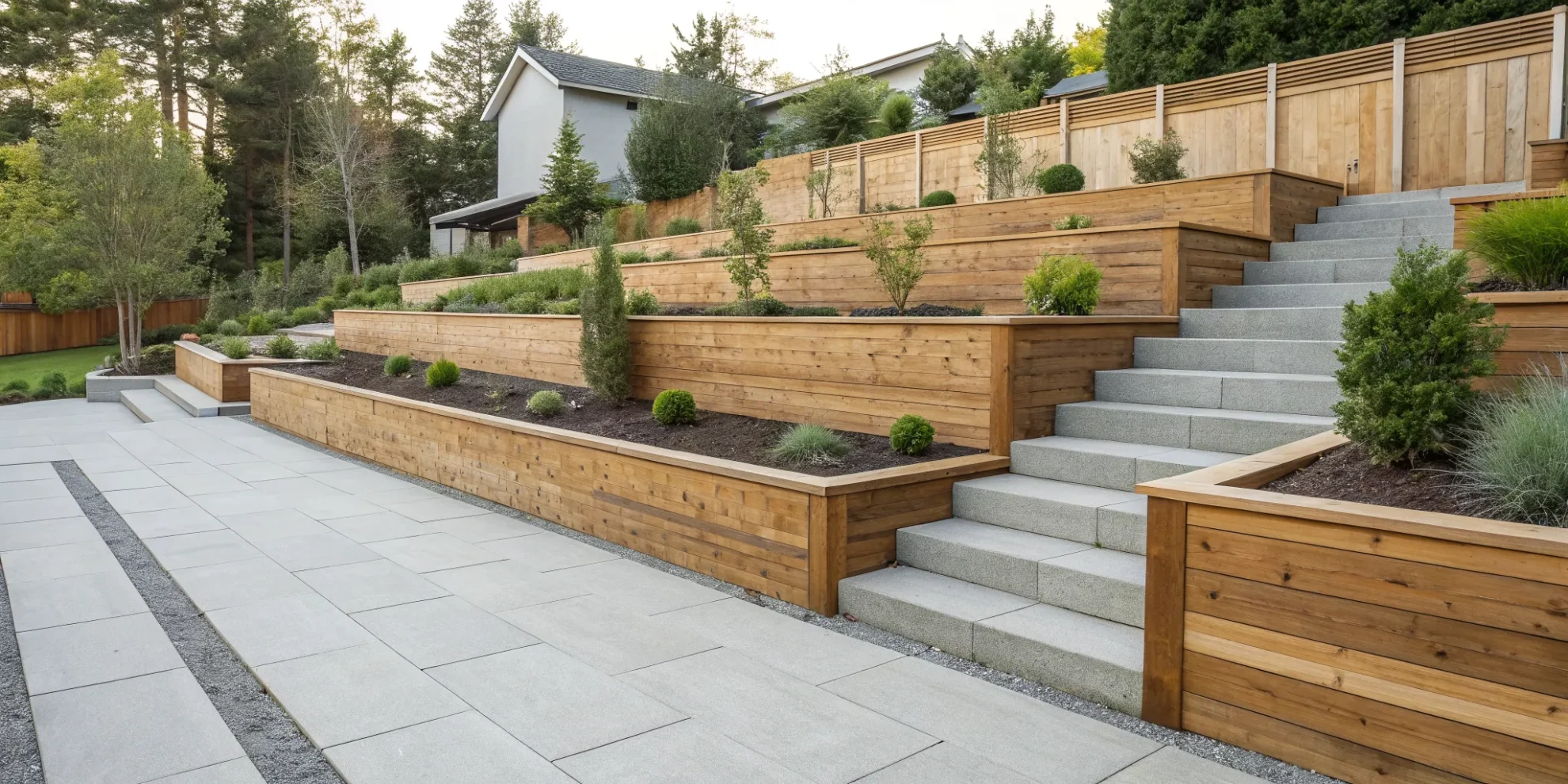
20 Wood Retaining Wall Ideas for a Stunning Yard
A retaining wall does more than just hold back soil; it’s an opportunity to make your outdoor space more functional and enjoyable. Instead of seeing it as just a barrier, think of it as a blank canvas for adding utility and style to your yard. With a little creativity, your wall can become integrated seating for your patio, a vertical garden filled with herbs, or a beautifully lit feature that adds ambiance after dark. As you look for retaining wall ideas wood is the ideal material for these custom touches because of its versatility. This guide is packed with inspiration for turning a simple structure into a hardworking focal point of your landscape design.
Key Takeaways
- Choose the right wood for both looks and longevity: While wood offers endless design possibilities, its survival in Florida’s climate depends on selecting a durable material, like pressure-treated pine or cedar, that can handle constant moisture and pests.
- Focus on what’s behind the wall for lasting strength: The success of your retaining wall depends less on the visible wood and more on a solid foundation, proper backfilling, and most importantly, an effective drainage system to manage water pressure.
- Understand the project’s scope before you start: Simple, low walls may be a DIY project with consistent maintenance, but any wall that is tall, on a slope, or structurally complex requires professional expertise to ensure it is built safely and correctly.
Why Choose a Wood Retaining Wall?
A retaining wall does more than just hold back soil; it’s a key feature of your landscape’s design. If you want a material that offers both strength and natural charm, wood is a fantastic choice. It brings a warmth that other materials can’t replicate and provides incredible design flexibility, helping you create a wall that perfectly suits your yard.
Achieve a Natural, Blended Look
Wood has a unique ability to blend into its surroundings, feeling like a natural extension of your garden. Its warm tones and organic texture complement the lush greenery of a Central Florida landscape, creating a cohesive and inviting atmosphere. Whether your style is rustic or modern, wood adapts to fit right in, softening hard lines and working beautifully alongside stone paths and flower beds. A well-designed wood wall enhances your property’s existing beauty, creating a seamless look as part of a complete landscape design.
Make an Eco-Friendly Choice
For homeowners who prioritize sustainability, wood is a great choice. As a renewable resource, it’s an environmentally conscious material for landscaping projects. The key to a long-lasting wood wall is proper installation, especially when it comes to water management. Wood can rot if it stays damp, so building it with effective drainage solutions is critical. When constructed correctly with treated lumber and a system to divert moisture, a wood retaining wall is a durable structure that respects the environment and is built to withstand the Florida climate.
Get Creative with Versatile Designs
One of wood’s biggest advantages is its versatility. You aren’t limited to a single look; wood can build sleek, modern walls with horizontal planks or create a traditional feel with vertical boards. You can design tiered walls for terraced gardens, or build gentle curves that follow your land’s natural contours. Wood also pairs beautifully with other materials like stone for a unique look. This flexibility means you can get a retaining wall installation that is completely customized to your vision, whether you want integrated planters, built-in seating, or a simple, elegant barrier.
What’s the Best Wood for a Retaining Wall?
Choosing the right wood for your retaining wall is a big decision. The material you select will define the wall’s appearance, its lifespan, and the amount of maintenance it will need down the road. In a place like Central Florida, where humidity and pests are part of life, picking a wood that can stand up to the elements is key. Each type of wood has its own unique character and strengths, so let’s look at some of the best options for your retaining wall installation.
Cedar: Built to Last
If you’re looking for a wood that is naturally tough, cedar is an excellent choice. It contains natural oils that make it resistant to rot and insects, which is a huge advantage for any outdoor structure. This inherent durability means your wall will have a long life with less worry about decay or pest damage. While it has a more subtle, classic appearance compared to other woods, its strength and longevity make it a wonderfully practical option. Cedar weathers to a beautiful silvery-gray over time, allowing it to blend seamlessly into your landscape for a timeless, natural look.
Redwood: Rich Color and Natural Strength
For a retaining wall that makes a visual statement, redwood is hard to beat. It’s known for its stunning reddish-brown color and exceptional strength. Like cedar, redwood has natural properties that help it resist rot and decay, making it both beautiful and durable. This combination makes it a popular choice for projects where aesthetics are just as important as function. A redwood wall can become a warm, inviting focal point in your yard, complementing your plants and overall landscape design. It’s a fantastic material for creating a wall that is truly a standout feature.
Pressure-Treated Pine: Durable and Accessible
Pressure-treated pine is a popular and reliable go-to for retaining walls. This wood has been infused with preservatives that protect it from insect damage and rot, giving it the durability needed to last for years. Because it’s so widely available, it has become a standard material for many outdoor construction projects. While it doesn’t have the natural resistance of cedar or redwood, the treatment process makes it a tough contender. It has a neutral, greenish-tan appearance that can be easily stained or painted to match your desired look, offering great versatility.
Composite Wood: The Low-Maintenance Option
If you love the look of wood but not the upkeep, composite wood is the perfect solution. Made from a blend of wood fibers and recycled plastic, this material is engineered to be incredibly durable and low-maintenance. It’s designed to withstand the elements without warping, rotting, or splintering, and it’s completely resistant to insects. You’ll never need to seal or stain it, which frees up your weekends for years to come. Composite wood comes in various colors, giving you the beautiful appearance of natural wood without the traditional maintenance headaches.
20 Wood Retaining Wall Ideas to Inspire You
A wood retaining wall is more than just a functional solution for managing slopes; it’s a design feature that can completely transform your outdoor space. Wood’s natural warmth and versatility allow it to blend seamlessly into any landscape, from sleek, modern yards to rustic, cottage-style gardens. Whether you’re looking to create usable garden tiers, define a patio area, or simply add visual interest to your property, there’s a wood retaining wall design that fits your vision.
The right design can turn an unusable hill into a stunning terraced garden or a plain yard into a structured, inviting retreat. A professional retaining wall contractor can help bring these ideas to life, ensuring your wall is both beautiful and built to last. Below are some creative and practical ideas to get you started. Think about your home’s architectural style, your personal taste, and how you want to use your outdoor space. These examples showcase the incredible range of possibilities, proving that a retaining wall can be both a hardworking structural element and a beautiful focal point. Let’s explore some designs that can bring character and function to your Central Florida landscape.
Modern Horizontal Planks
For a clean, contemporary look, you can’t go wrong with horizontal planks. This design uses wide, flat boards installed horizontally to create sleek, uninterrupted lines that complement modern architecture. The effect is polished and sophisticated, making your outdoor space feel like a true extension of your home. This style works especially well for defining patios, framing minimalist garden beds, or creating low-profile walls that add structure without overwhelming the landscape. You can stain the wood in a natural tone to highlight the grain or paint it a neutral color for an even more streamlined appearance. These modern wood retaining wall designs are perfect for creating a chic and orderly outdoor environment.
Classic Vertical Boards
If you prefer a more traditional or rustic feel, consider using vertical boards. This classic style arranges wood planks upright, similar to a fence, creating a charming and timeless look. It’s an excellent choice for enclosing garden areas, creating raised flower beds, or adding a decorative border along a walkway. The vertical lines can make a space feel taller and more defined. This approach is incredibly versatile; you can use smooth, uniform boards for a tidy look or reclaimed, weathered wood for a more rustic, lived-in vibe. It’s a simple yet effective way to add character and structure to your yard, creating low, fence-like walls that beautifully separate different zones in your garden.
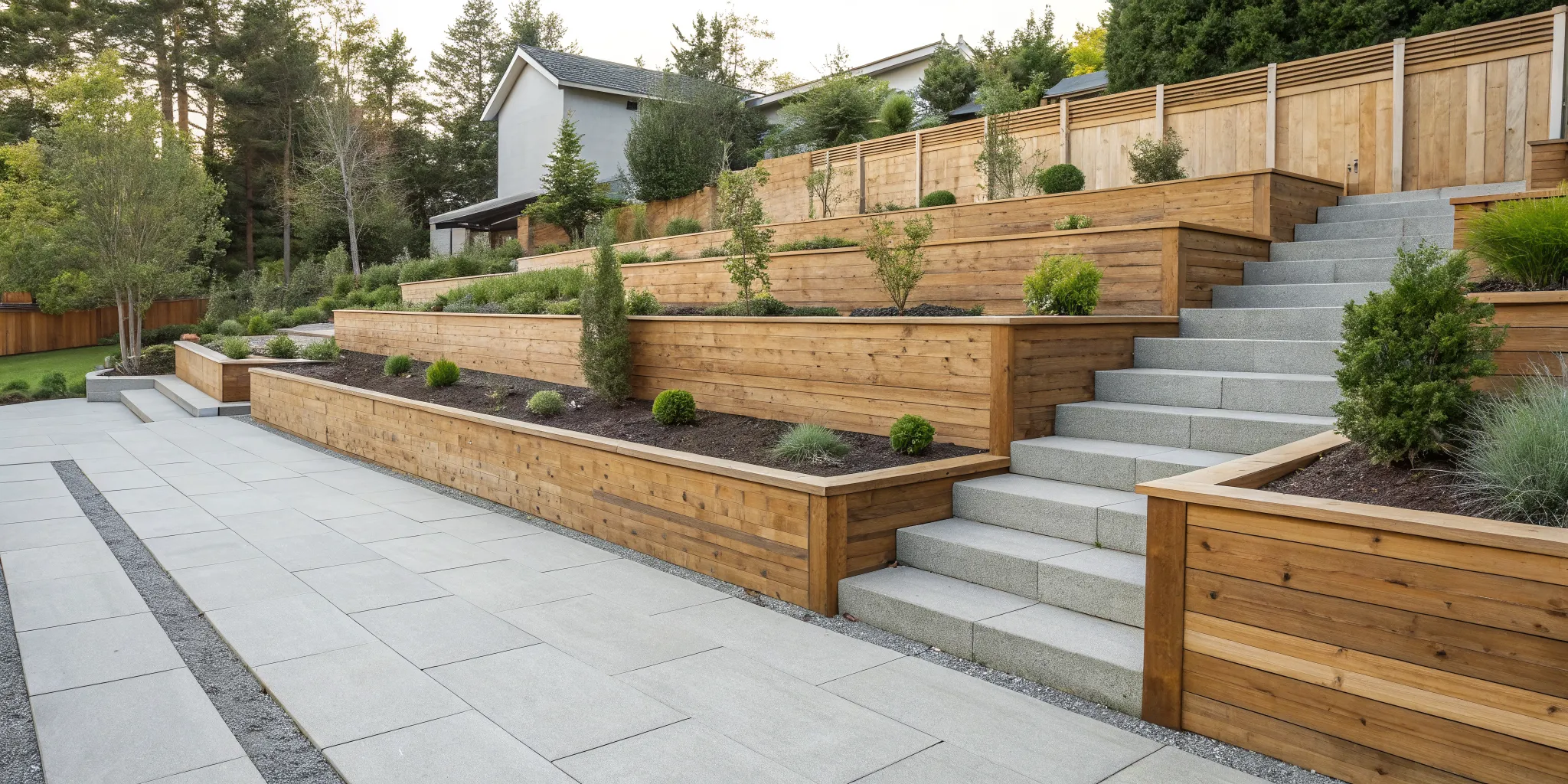
Tiered and Terraced Gardens
If your property has a steep slope, a tiered retaining wall system is a brilliant solution. Instead of one tall wall, this approach uses a series of shorter, staggered walls to create multiple flat levels, or terraces. This not only stabilizes the hillside but also transforms it into usable space for gardening, seating areas, or decorative plantings. Each tier can have its own purpose, allowing you to create a dynamic, multi-level landscape. Imagine a cascade of flowers, a terraced vegetable garden, or a series of small patios descending down the slope. This design is both practical and visually stunning, turning a challenging incline into one of your yard’s best features.
Elegant Curves and Serpentine Walls
Who says retaining walls have to be straight? A curved or serpentine wall introduces a soft, organic flow to your landscape, breaking up rigid lines and creating a more natural feel. These graceful walls can meander along a garden bed, encircle a patio, or follow the natural contours of your land. The gentle curves are visually appealing and can make a space feel more inviting and dynamic. This design works well in both formal and informal settings, adding a touch of elegance and movement. It’s a fantastic way to create flowing shapes that guide the eye through the garden and add a custom, high-end touch to your property.
Dramatic Black Wood
For a bold and modern statement, consider a black wood retaining wall. Staining or painting the wood a deep black or charcoal gray creates a dramatic backdrop that makes surrounding greenery pop. The vibrant greens of your plants will stand out beautifully against the dark, uniform color, creating a high-contrast look that is both sophisticated and striking. This is one of the most popular retaining wall ideas for contemporary landscapes because it feels intentional and artistic. A black wall can define a space with authority while still feeling connected to nature, offering a perfect balance of modern design and organic beauty. It’s a surefire way to make your landscape unforgettable.
Charming Wicker-Style Weaves
If you’re aiming for a whimsical, cottage-garden aesthetic, a wicker-style woven wall is a unique and charming option. This design uses thin, flexible wood strips woven together to create a textured, basket-like pattern. It’s a beautiful way to add a touch of rustic craftsmanship to your yard. This style is perfect for lower walls, raised garden beds, or decorative borders where you want to introduce a soft, handmade feel. Paired with overflowing flowers and lush plants, a woven wall can help create an enchanting and romantic atmosphere. It’s a creative departure from traditional plank walls and adds a layer of intricate detail to your garden design.
Mixed Materials: Wood and Stone
Why choose just one material when you can have the best of both worlds? Combining wood with other materials like stone, concrete, or metal can create a retaining wall with incredible visual interest and texture. Imagine a sturdy stone base with a warm wood cap, or alternating sections of wood planks and gabion baskets filled with river rocks. This approach allows you to play with contrast, blending the rustic warmth of wood with the cool strength of stone or the sleek finish of metal. It’s a great way to tie the retaining wall into other elements of your landscape, like a stone patio or a metal fence, for a cohesive and custom look.
Integrated Planters and Garden Beds
Turn your retaining wall into a living piece of your garden by building planters directly into its structure. This clever design integrates pockets or tiers for soil, allowing you to grow flowers, herbs, or cascading greenery right from the wall itself. It’s an excellent space-saving solution for smaller yards and a beautiful way to soften the wall’s appearance. An integrated planter system transforms a purely functional structure into a vibrant vertical garden. You can create a lush wall of ferns, a colorful display of annuals, or even a convenient kitchen garden with fresh herbs right outside your door. This makes your wall a dynamic and productive part of your landscape.
Gabion and Wood Hybrids
For a look that’s both rustic and industrial, consider a gabion and wood hybrid wall. Gabion walls consist of wire mesh cages filled with rocks, offering incredible strength and excellent drainage. While they can sometimes look stark on their own, combining them with wood elements softens their appearance and adds natural warmth. You could top a gabion wall with a wood seating bench, frame the cages with timber posts, or alternate sections of gabion and wood planks. This combination creates a unique, textured look that is durable and visually interesting, blending an industrial edge with the organic beauty of wood and stone.
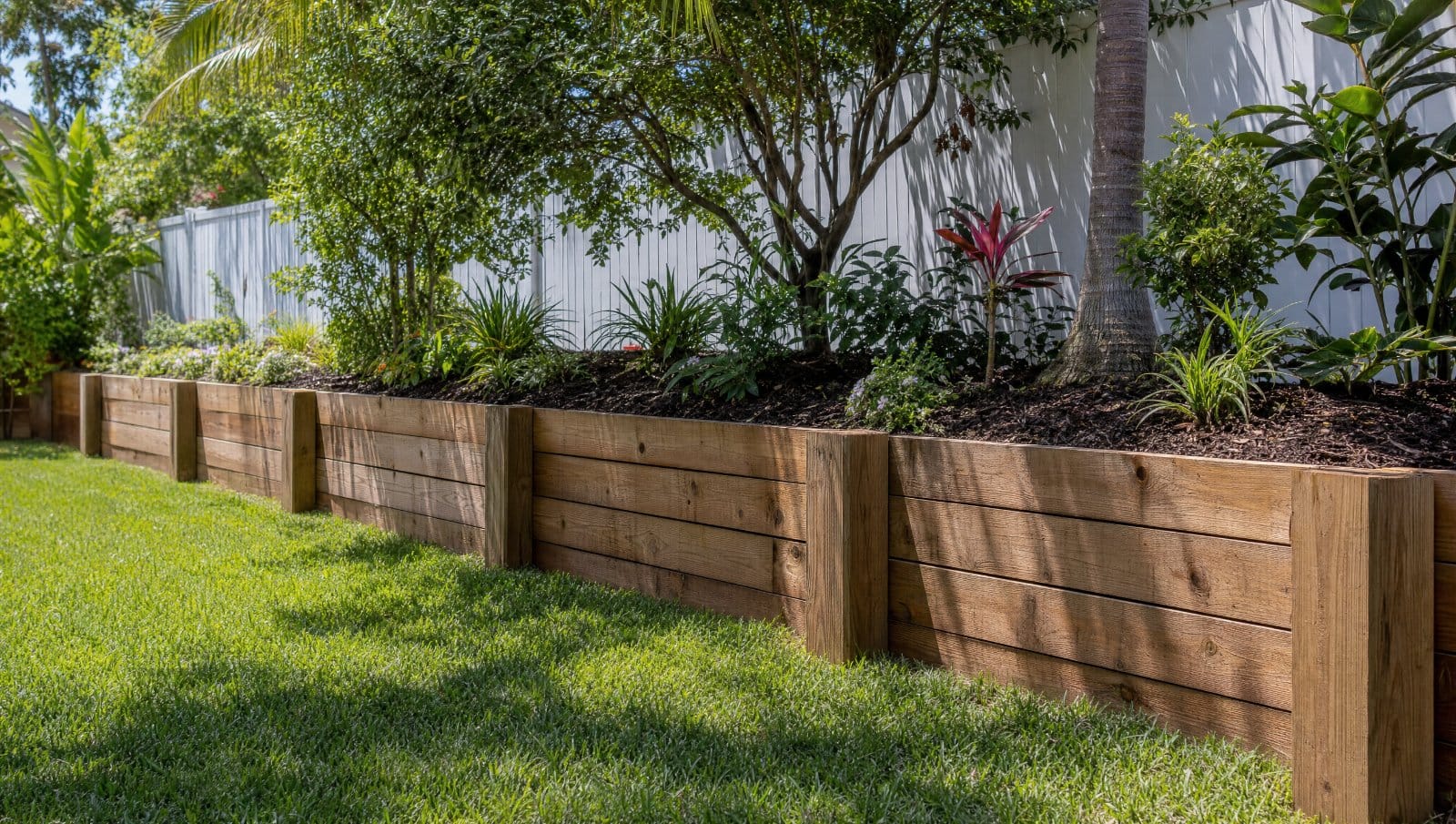
Rustic Sleeper Walls
Using timber sleepers, which are large, rectangular beams similar to railroad ties, is a classic way to build a strong and rustic retaining wall. Their substantial size gives the wall a robust and grounded appearance that works well in both traditional and country-style landscapes. Sleeper walls are often laid horizontally and staggered for stability, creating a timeless, log-cabin-like effect. They are particularly effective for creating raised garden beds or terracing gentle slopes. The chunky, natural look of timber sleepers provides a sense of permanence and blends beautifully with wooded or naturalistic settings, adding a touch of rugged charm to your property.
Log Walls for a Cabin Feel
To create a truly natural and woodsy atmosphere, consider building a retaining wall from logs. Whether you use whole logs stacked horizontally or half-logs placed vertically, this design brings the rustic beauty of a forest cabin right to your backyard. A log wall is the perfect choice for properties with many trees or for landscapes designed to feel like a natural retreat. It complements wooded areas seamlessly, looking as if it has always been a part of the environment. This style is ideal for defining paths through a garden, terracing a sloped yard in a rustic setting, or simply adding a touch of natural, rugged character to your outdoor space.
Functional Stepped Designs
A stepped retaining wall is an elegant and practical way to manage a gentle to moderate slope. Instead of a single, continuous wall, this design features a series of short walls that step down with the terrain. This approach breaks up the visual height of the wall and creates small, level pockets of land along the slope, which are perfect for planting. The stepped design follows the natural contour of your yard, creating a more organic and integrated look than a single, straight wall. It’s a functional design that helps with erosion control while adding a sense of rhythm and structure to the landscape, turning a simple slope into a graceful feature.
How Can You Add Function and Style to Your Wall?
A wood retaining wall does more than just hold back soil; it’s a fantastic opportunity to add personality and utility to your yard. Think of it as a blank canvas. With a little planning, you can transform a simple, functional wall into a standout feature that makes your outdoor space more beautiful, inviting, and useful. From creating extra seating for parties to adding the gentle sound of a waterfall, the possibilities are endless. Let’s look at a few ways you can get more from your retaining wall design.
Build in Seating and Storage
Why bring out bulky patio furniture when your retaining wall can do the job? Integrating seating is one of the smartest ways to add function to your wall. A wide, flat capstone can easily become a long, rustic bench perfect for outdoor gatherings. You could also design recessed nooks for more intimate, cozy seating areas. Beyond seating, consider building in storage. Think of hidden compartments for garden hoses, small tools, or cushions. This approach not only saves space but also keeps your yard looking tidy and organized, blending practicality right into your landscape’s structure.
Incorporate Lighting and Decorative Accents
The right lighting can completely change the mood of your yard after the sun goes down. Installing subtle lights along your retaining wall adds a warm, inviting glow and improves safety by illuminating steps and pathways. You can place lights under the capstone for a gentle downlighting effect or position them at the base to highlight the wood’s texture. Beyond lighting, you can personalize your wall with other decorative touches. Consider adding built-in planters for flowers or herbs, creating a beautiful living element. These thoughtful details are part of a cohesive hardscaping design that makes your outdoor space truly your own.
Include a Water Feature
Imagine the peaceful sound of trickling water in your own backyard. Integrating a water feature into your retaining wall can turn your space into a serene oasis. This could be as simple as a small spout that flows into a decorative basin or as grand as a cascading waterfall that runs down a tiered wall. A water feature adds movement, a soothing soundtrack, and a stunning visual focal point. It’s a touch of luxury that makes your yard feel like a private retreat, perfect for relaxing after a long day. A professional retaining wall contractor can help you design a feature that works seamlessly with your wall’s structure.
Make Drainage Part of the Design
Every strong retaining wall needs effective drainage, but that doesn’t mean it has to be purely functional. You can cleverly incorporate drainage into your landscape design so it looks intentional and beautiful. For example, you can direct water from weep holes into a dry creek bed filled with smooth river stones, which adds a natural, rustic touch. Another idea is to channel the runoff into a rain garden planted with water-loving perennials. By thoughtfully planning your drainage solutions, you protect your wall from water pressure while creating an attractive feature that contributes to a healthier, more sustainable yard.
What Does It Take to Build a Strong Wall?
A wood retaining wall is a beautiful addition to your yard, but it’s also a serious structural project. To ensure your wall is safe and lasts for years, it needs to be built with careful planning and a solid understanding of the forces at play. From managing water to creating a stable base, every step is crucial. Getting these fundamentals right from the start prevents headaches like bulging, leaning, or a complete collapse down the road. Let’s look at the key elements that go into a strong, dependable retaining wall.
Plan for Proper Drainage
If there’s one thing that can bring down a retaining wall, it’s water. When soil becomes saturated, it gets heavy and exerts immense pressure on the wall behind it. This is why most wall failures are linked to poor drainage. A solid plan gives water a place to go, preventing it from building up. This usually involves a layer of gravel behind the wall and a perforated pipe at the base to channel water away. Without effective drainage solutions, your wall will be fighting a losing battle against the forces of nature, leading to shifting and eventual collapse.
Build a Solid Foundation
Just like a house, a retaining wall is only as strong as its foundation. This underground base supports the entire structure and the weight of the earth it holds back. Skimping here is a recipe for disaster. A proper foundation starts with a trench dug below the frost line, filled with compacted gravel or crushed stone to create a stable, level surface. This base prevents the wall from sinking or shifting over time due to ground movement or moisture changes. A well-built foundation is the first and most important step in a professional retaining wall installation.
Understand Height and Support Needs
The height of your wall determines how much reinforcement it needs. A short, decorative garden wall has very different structural requirements than a four-foot wall holding back a major slope. As a wall gets taller, the pressure behind it increases exponentially. Taller walls often require additional support, such as geogrid fabric laid in layers behind the wall or “deadman” anchors embedded in the hillside. It’s also important to consider any extra weight, or surcharge, from things like a patio or driveway above the wall. Understanding these engineering principles is key to preventing a dangerous collapse.
Prepare the Site and Assess the Soil
Before the first board is placed, the site needs thorough preparation. This goes beyond just clearing the area. You have to consider the slope of the land, the type of soil you’re working with, and how water naturally flows across your property. Clay soil, for example, expands significantly when wet and puts more pressure on a wall than sandy soil does. Proper excavation and grading ensure the wall is built on stable ground and won’t interfere with your yard’s natural drainage patterns. A professional assessment of these factors is essential for a successful build.
Check Local Building Codes and Permits
Many homeowners are surprised to learn that building a retaining wall often requires a permit. Most cities and counties in Central Florida have specific building codes for retaining walls, especially any structure over a few feet tall. These regulations are in place to ensure safety and structural integrity. Before starting your project, it’s important to check with your local municipal office to understand the requirements. Working with a qualified contractor ensures your wall is not only beautiful but also fully compliant with all local codes, protecting your property and your investment.
What Common Construction Mistakes Should You Avoid?
Building a wood retaining wall can be a rewarding project, but a few common missteps can turn your beautiful addition into a leaning, bulging problem. A strong, long-lasting wall depends on getting the fundamentals right from the very beginning. Even small errors in the construction process can lead to major structural issues down the road, creating safety hazards and requiring difficult repairs. It’s not just about stacking wood; it’s about creating an engineered structure that can withstand immense pressure from the soil and water it holds back.
Avoiding these pitfalls is the key to ensuring your wall not only looks great but also does its job effectively for years to come. From managing water flow to choosing the right materials and building a solid foundation, paying close attention to detail is non-negotiable. Many homeowners dive into this project with enthusiasm but overlook the critical engineering principles that make a retaining wall successful. Understanding what can go wrong is the first step toward getting it right. Let’s walk through the most frequent mistakes so you can steer clear of them and build a wall you can be proud of.
Skimping on Drainage
Water is the number one enemy of a retaining wall. When rainwater soaks the soil behind your wall and has nowhere to go, it creates immense hydrostatic pressure. This force pushes relentlessly against the structure, causing the wood to bow, shift, or even collapse. Proper drainage isn’t an optional add-on; it’s the most critical element for your wall’s survival. A well-designed system, which usually includes a gravel backfill and a perforated pipe at the base, gives water an escape route. This relieves the pressure and keeps your wall stable. If you’re dealing with significant water runoff, professional drainage solutions can prevent a future headache.
Using the Wrong Type of Wood
It might be tempting to use standard lumber for your retaining wall, but this is a mistake that will cost you in the long run. Wood used for retaining walls is in constant contact with damp soil, making it highly susceptible to rot, decay, and insect damage. You must choose wood that is specifically rated for ground contact. Pressure-treated pine is a common and reliable choice, as are naturally durable woods like cedar and redwood. Using untreated or improperly treated wood will compromise the wall’s strength from the inside out, leading to a structural failure that could have been easily avoided with the right materials.
Ignoring Your Soil Conditions
The type of soil in your yard plays a huge role in your retaining wall’s stability. Different soils behave differently, especially when wet. For example, heavy clay soils, which are common in Florida, expand significantly when they absorb water, placing extra strain on your wall. Sandy soils, on the other hand, drain well but may not offer as much stability. Before you even start digging, it’s important to understand your property’s specific soil composition and slope. Building without this knowledge is like building blind. Proper site preparation and excavation ensures your wall has the solid footing it needs to stand strong against the forces of nature.
Backfilling Incorrectly
The process of filling the space behind your retaining wall is more strategic than you might think. Simply shoveling the excavated dirt back into place is a recipe for failure. Proper backfilling involves using specific materials in layers. The layer directly against the wall should be gravel or crushed stone to facilitate drainage. This allows water to flow down to the perforated pipe at the base instead of sitting against the wood. The soil should then be added in thin layers, with each one being compacted firmly before adding the next. This prevents the soil from settling over time, which would reduce support and create pressure points on the wall. Getting this step right is essential for a successful retaining wall installation.
How Do You Make Your Wood Wall Last?
A wood retaining wall is a beautiful addition to your property, but its natural materials need a little help to stand up to the Florida climate. With some consistent care, you can keep your wall looking great and functioning properly for years. Think of it like any other part of your home; a bit of preventative maintenance goes a long way in protecting your investment and avoiding bigger problems down the road. These simple steps will help you preserve the strength and beauty of your wood wall.
Inspect It Regularly
Set aside time a couple of times a year, maybe in the spring and fall, to give your wall a thorough once-over. Walk the entire length and look closely for any signs of trouble. Check for splintering, cracking, or soft, spongy spots that could indicate rot. Look for small holes or sawdust, which can be signs of insect activity. Also, stand back and check if the wall is still straight or if you notice any leaning or bulging. Catching these issues early makes them much easier to address before they become serious structural concerns.
Seal and Stain to Protect the Wood
Florida’s sun and rain can be tough on wood. A quality waterproof sealant or stain is your wall’s best defense against the elements. This protective layer helps prevent moisture from seeping into the wood, which leads to rot, and it shields the surface from UV rays that cause fading and degradation. You’ll likely need to reapply the finish every few years to maintain a strong barrier. The specific timeline depends on the product you use and how much direct sun your wall gets, so check the manufacturer’s recommendations and keep an eye on the finish.
Prevent Rot and Pest Damage
The number one rule for preventing rot is to keep the wood dry. This starts with a proper retaining wall installation that includes a good drainage system, like a gravel backfill and a perforated pipe. On your end, make sure the area around the base of the wall is clear of leaves, mulch, and other debris that can trap moisture. A clean base allows for better airflow, helping the wood dry out after it rains. This simple habit makes your wall a much less inviting home for both rot and pests like termites.
Manage Nearby Plant Growth
While plants can soften the look of a retaining wall, they can also cause damage if they get too close. Overhanging branches from shrubs and trees can drip water onto the wall, and climbing vines trap moisture directly against the wood surface. This constant dampness creates the perfect environment for decay. It’s a good idea to practice regular tree trimming to keep branches from growing over the wall. Be sure to remove any vines that start to climb, as their tendrils can work their way into small crevices and cause the wood to deteriorate over time.
Fix Water Issues Quickly
Proper drainage is the key to a long-lasting retaining wall. If your wall has weep holes, check them periodically to make sure they aren’t clogged with dirt or debris. Pay attention to the areas at the top and bottom of the wall after a heavy rain. If you see water pooling or notice that soil is washing away from the base, it’s a sign that water isn’t being managed correctly. Addressing these problems promptly is crucial for the wall’s stability. If you suspect a bigger issue, it might be time to look into professional landscape drainage solutions.
What Are the Challenges of Wood Retaining Walls?
Wood retaining walls bring so much warmth and natural texture to a landscape, but it’s smart to go into the project with a clear picture of what to expect. While they offer a lot of design flexibility, wood walls come with a unique set of challenges compared to materials like stone or concrete blocks. Understanding these potential hurdles from the start helps you make informed decisions and plan for a structure that will not only look beautiful but also stand strong for years to come. The main things to keep in mind are how wood holds up in our humid Florida climate, the maintenance required to keep it in top shape, and its limitations for supporting heavy loads or tall slopes.
Thinking through these factors ensures your new retaining wall is a lasting improvement to your property, not a future headache. For example, the constant moisture in the air and soil can affect the lifespan of the wood, and taller walls require specific engineering to handle the immense pressure from the earth behind them. A professional retaining wall installation considers all these variables from day one, from selecting the right materials to designing a robust drainage system. Being aware of these challenges is the first step toward building a wood wall that you’ll love for a long time.
Durability in Humid Climates
Here in Central Florida, humidity is a fact of life, and it’s a major consideration for any outdoor wood structure. Wood is a natural material that can be vulnerable to moisture, which can lead to rot and decay over time. This is especially true for the parts of the wall in direct contact with damp soil. While materials like pressure-treated pine are designed to resist these conditions, our wet environment can still shorten a wood wall’s lifespan compared to one built in a drier climate. Proper material selection, water-repellent treatments, and a solid drainage plan are your best defenses against the effects of humidity.
The Need for Ongoing Maintenance
Unlike a concrete or stone wall, a wood retaining wall requires some regular attention to stay strong and look its best. Think of it as simple preventative care. You’ll want to inspect the wall periodically for any signs of trouble, like rot, insect damage, or warping boards. Every few years, it’s a good idea to clean the wood and apply a new coat of sealant or stain. This protects it from sun and water damage, preserving its color and integrity. Keeping the area around the wall clear of debris and ensuring the drainage system isn’t clogged will also go a long way in extending its life.
Structural Limits for Tall Walls
Wood is fantastic for creating beautiful, low-level terraces and garden borders, but it has its limits when it comes to height. The taller a retaining wall is, the more pressure it has to hold back from the soil behind it. This force, known as hydrostatic pressure, is incredibly powerful. For taller or more critical walls, wood may not provide the necessary strength and longevity. Overloading a wood wall or failing to include adequate drainage can cause it to bulge, lean, or even fail. That’s why for any significant excavation or walls over a few feet high, it’s crucial to have a professional design that ensures the structure is built to handle the load safely.
When Should You Call a Professional?
While tackling a home improvement project yourself can be incredibly satisfying, building a retaining wall is often more complex than it looks. These structures do more than just look good; they hold back tons of soil and water. Getting it wrong can lead to a leaning, bulging, or completely failed wall, creating a safety hazard and a bigger problem to fix. For a wall that’s safe, effective, and built to last, sometimes the best first step is calling an expert. Professionals have the right equipment and a deep understanding of soil mechanics, water management, and structural support, ensuring your project is done right from the start.
For Complex Structural Designs
If your vision extends beyond a simple, low garden border, it’s wise to bring in a professional. Complex projects, like tiered walls, walls over four feet tall, or walls supporting a driveway or patio, require serious engineering. A seasoned retaining wall contractor understands how to create a design that is both beautiful and structurally sound. They can ensure the wall has the proper foundation and reinforcement to handle the immense pressure behind it. If your wall is near established trees, a certified arborist can also help protect their root systems during construction, preserving the health of your landscape.
For Major Drainage and Excavation Work
Water is the number one enemy of a retaining wall. Without a proper escape route, water builds up in the soil behind the wall, creating immense hydrostatic pressure that can push it over. A professional team will design and install effective landscape drainage solutions to channel water away safely. This often involves significant excavation services to prepare the site, create a level base of gravel, and install drainage pipes. Handling this level of earthmoving and ensuring the drainage system is flawless is a job best left to those with the right experience and equipment.
For Properties with Steep or Tricky Terrain
Building on a slope or uneven ground adds another layer of complexity. Professionals are skilled at assessing tricky terrain and accounting for factors you might not consider, like soil stability and natural water flow. Building a retaining wall without factoring these elements in can cause serious problems, from blocked drainage that floods your yard to unstable ground that could even affect your home’s foundation. An experienced landscape contractor can manage these challenges, ensuring your retaining wall works in harmony with your property’s unique landscape for a safe and durable result.
Related Articles
- 30+ Landscape Retaining Wall Ideas You’ll Love
- How to Build a Retaining Wall on a Slope: A DIY Guide
- How to Build a Retaining Wall with Concrete Blocks
- 12 Smart Cinder Block Retaining Wall Ideas
Frequently Asked Questions
How long can I expect a wood retaining wall to last in the Florida climate? The lifespan of your wood wall really depends on three things: the type of wood used, the quality of the installation, and how well it’s maintained. With our humid weather, a properly built wall made from ground-contact rated pressure-treated pine can last 15 to 20 years, sometimes even longer. The key is ensuring it has excellent drainage from day one and that you keep it sealed from the sun and rain.
What is the single most important factor for a strong retaining wall? Without a doubt, water management is the most critical part of a successful retaining wall. Soil saturated with water is incredibly heavy and puts immense pressure on the wall, which is the main reason walls fail. A proper drainage system, including a gravel backfill and pipes, gives that water a place to go and relieves the pressure. A solid foundation is a very close second, as it prevents the wall from sinking or shifting.
Can a wood retaining wall be built on a steep slope? Yes, it absolutely can, but this is a situation where professional design is essential. For steep slopes, a single tall wall is often not the best solution. Instead, a series of shorter, tiered walls can be used to create level terraces. This approach is safer, manages the slope more effectively, and creates beautiful opportunities for planting. It requires careful excavation and engineering to ensure the entire system is stable.
Do I need to stain or seal my pressure-treated pine wall? While pressure-treating protects the wood from rot and insects, it doesn’t protect it from the sun and rain. Applying a quality sealant or stain every few years is a great idea. This extra layer acts like sunscreen for the wood, preventing it from drying out, cracking, and fading to gray. It’s a simple maintenance step that keeps your wall looking its best and helps it last much longer.
Is it safe to build a retaining wall close to my existing trees? It can be, but it requires very careful planning. A tree’s root system is its lifeline, and digging a trench for a wall can cause significant damage if done incorrectly. It’s important to work with a professional who can assess the situation and plan the excavation to minimize impact on the critical roots. In some cases, an arborist can provide guidance to ensure your beautiful, mature trees stay healthy throughout the project.