
12 Creative Cinder Block Retaining Wall Ideas
When you think of cinder blocks, you might picture a plain, gray, utilitarian wall. But it’s time to see them as a blank canvas for your yard. A well-designed retaining wall can do more than just hold back soil; it can define your entire outdoor area, adding texture, dimension, and style. Whether you finish it with a smooth stucco, a bold paint color, or a natural stone veneer, a block wall can be customized to perfectly match your home’s aesthetic. In this post, we’re exploring creative cinder block retaining wall ideas that prove functional can be beautiful, turning a simple structural element into a true design statement for your property.
Key Takeaways
- Build on a Strong, Dry Foundation: A retaining wall’s strength comes from its base. A properly compacted foundation and a smart drainage plan are non-negotiable for preventing cracks and leaning, especially with Florida’s heavy rains.
- Make Your Wall a Design Feature: Don’t settle for a purely functional wall. Use finishes like stone veneer, integrate features like seating or planters, and add plants or lighting to turn a structural necessity into a beautiful part of your landscape.
- Know When to Call a Professional: Small, decorative walls are great for DIY, but any wall over three feet tall or holding back a significant slope needs an expert. A pro ensures the wall is engineered correctly, meets local codes, and is built to last.
What is a Cinder Block Retaining Wall (And Why You Might Need One)?
If you have a sloped yard or issues with soil erosion, you’ve probably heard someone mention a retaining wall. In simple terms, a retaining wall is a structure designed to hold back soil and rock, creating a stable, level area where there was once a hill. Cinder blocks, also known as concrete masonry units (CMUs), are one of the most popular materials for building these walls. They are strong, cost-effective, and incredibly versatile, making them a go-to choice for both functional and decorative projects.
You might need a retaining wall if you’re looking to prevent soil from washing away during heavy Florida rains, create more usable space for a patio or garden, or simply add some structure and visual interest to your landscape. A well-built cinder block wall can solve practical problems while also becoming a beautiful feature of your property. It’s a smart way to manage your landscape and add lasting value to your home.
What retaining walls actually do
At its core, a retaining wall’s job is to defy gravity. These structures are engineered to hold soil in place, preventing it from sliding downhill. This is especially important on properties with steep grades or where you want to build on different levels. By terracing a slope, a retaining wall can turn an unusable hillside into functional, flat ground perfect for a garden, a play area for the kids, or an outdoor living space. Beyond their practical function, retaining walls can dramatically improve your home’s curb appeal, adding clean lines and a sense of order to your landscape design.
Why cinder blocks are a great choice
Cinder blocks are a fantastic choice for retaining walls for several reasons. They are incredibly strong and durable, able to withstand the immense pressure of the soil they hold back. Their uniform shape gives walls a clean, modern look that can be left as-is or finished with paint, stucco, or stone veneer. One of their biggest practical advantages is that they are hollow. This makes them lighter and easier to handle during construction, but once the cores are filled with concrete and rebar, they form an incredibly strong, interlocking structure. This combination of strength, versatility, and affordability makes them a reliable option for everything from small garden borders to large, engineered walls.
Knowing when to call in the experts
While building a small, decorative garden wall under a couple of feet high can be a satisfying weekend project, anything taller or holding back a significant amount of soil should be left to the professionals. A proper retaining wall installation requires deep knowledge of soil mechanics, foundation preparation, and, most importantly, drainage. Without adequate drainage, water can build up behind the wall, creating immense pressure that can cause it to bulge, crack, or even fail. Professionals understand how to manage these forces and navigate local building codes to ensure your wall is not only beautiful but also safe and built to last for decades.
Creative Design Ideas for Your Cinder Block Wall
A cinder block retaining wall is incredibly practical, but that doesn’t mean it has to be plain. With a little creativity, you can transform this functional structure into a stunning focal point for your yard. Think of your wall as a blank canvas for your landscape design. You can go for a look that’s clean and modern, rustic and natural, or something completely unique to you. The right design not only holds back soil but also adds texture, dimension, and personality to your outdoor space. Let’s look at a few ideas to get you started.
Classic stacked and geometric patterns
Sometimes, the most beautiful designs are the simplest. A classic stacked bond pattern, where blocks are aligned in a clean grid, offers a modern, minimalist look. For a more traditional feel, a running bond pattern (like you see in brickwork) creates a timeless and sturdy appearance. You can add a layer of interest by playing with different block sizes and textures. Consider alternating smooth-faced blocks with split-faced ones to create a subtle geometric design. This approach proves that you don’t need an elaborate plan to build an attractive wall; strong, simple lines can make a powerful statement.
Sleek curves and multi-level walls
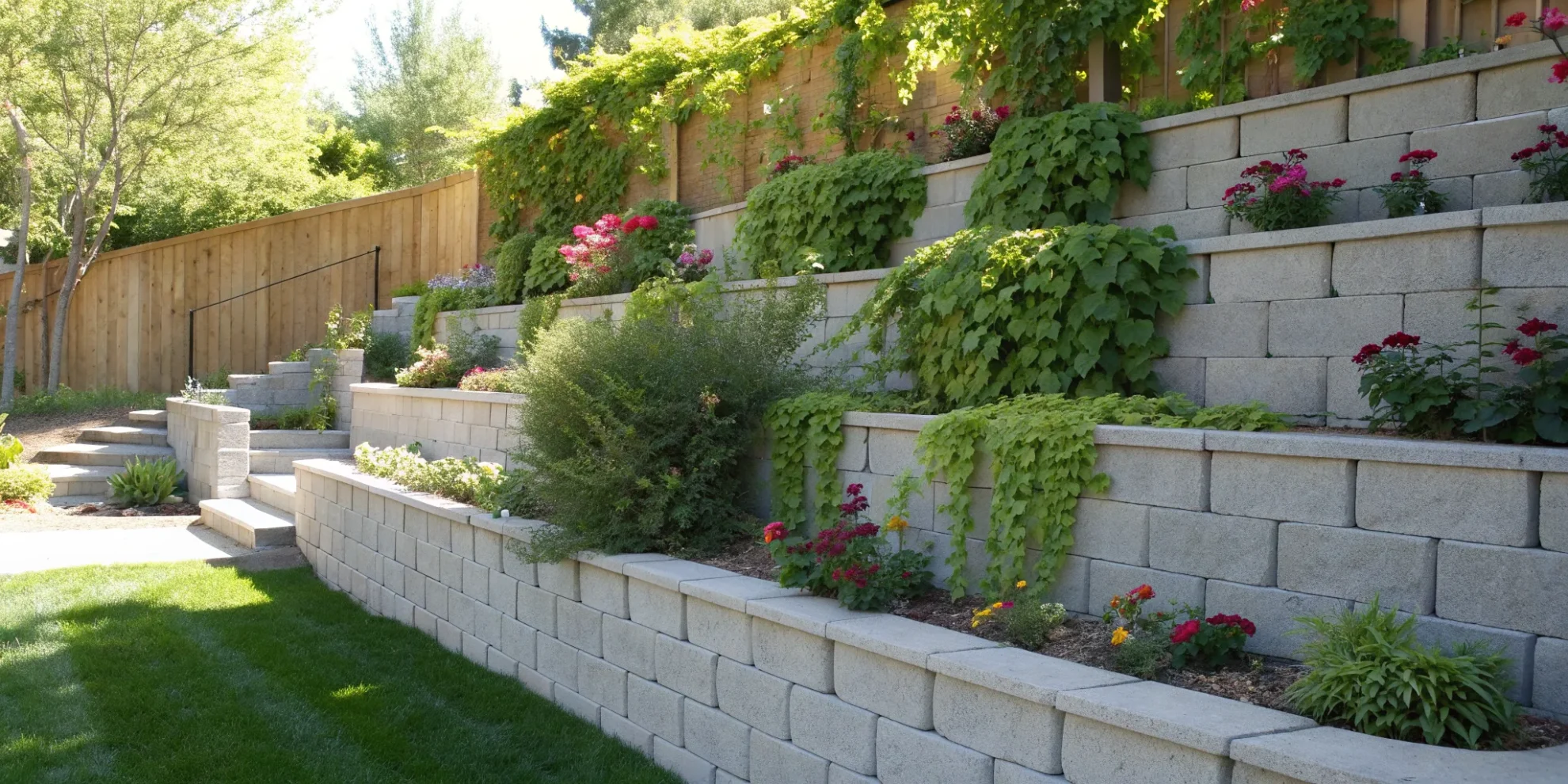
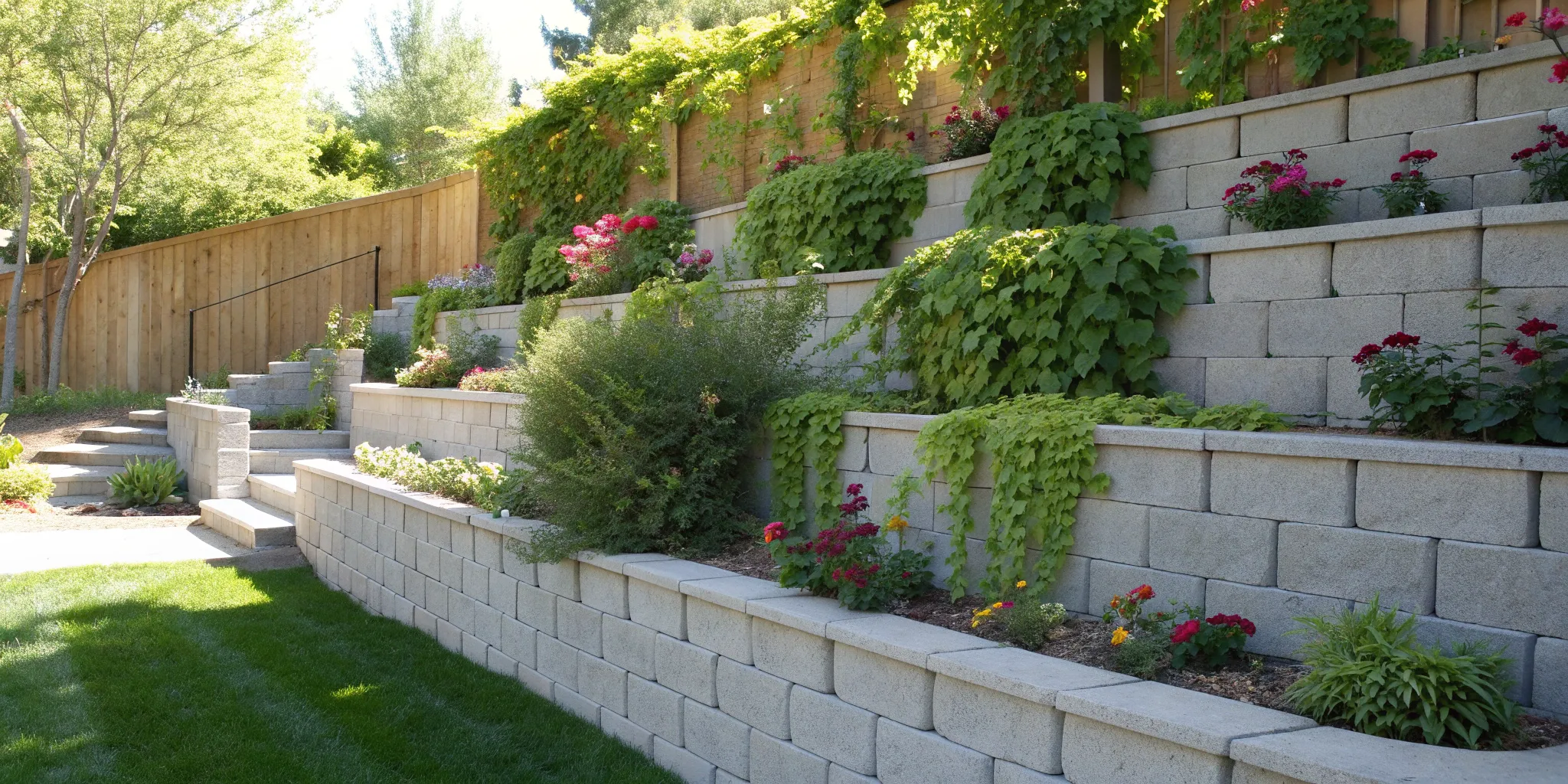
Who says retaining walls have to be straight? Introducing gentle curves can soften the look of your wall, helping it blend more naturally with the organic shapes in your garden. A serpentine wall can guide the eye through your landscape and create a graceful, flowing feel. If your property is on a slope, a multi-level or terraced wall is a fantastic solution. Instead of one tall, imposing wall, you can create two or more shorter walls with level tiers in between. These tiers are perfect for planting colorful flower beds or creating distinct garden zones. This type of retaining wall installation adds incredible depth and visual appeal to your yard.
Artistic layouts with decorative blocks
If you want your wall to have a high-end finish, consider dressing up the cinder blocks. Applying a stone or brick veneer to the face of the wall can completely transform its appearance, giving you the look of natural stone without the cost. Faux stone panels are another great option, offering a wide variety of styles and colors that are often easier to install. You can also find decorative concrete blocks with stamped patterns and textures that add character. These artistic touches can turn a simple structural wall into a beautiful piece of your overall hardscaping services design, making it feel intentional and polished.
Integrating a fire pit or seating
Make your retaining wall do double duty by building in functional features. A popular choice is to add built-in seating. By placing a wide, smooth capstone across a section of a low wall or between two block pillars, you can create a permanent bench that’s perfect for garden gatherings. You can also design the wall to incorporate a fire pit, creating a cozy and inviting focal point for your patio. This turns the area into a dedicated space for relaxing and entertaining with family and friends, making your retaining wall an integral part of your outdoor living experience.
How to Make a Cinder Block Wall Look Good
A cinder block retaining wall is a practical workhorse for your yard, but that doesn’t mean it has to look purely utilitarian. With a little creativity, you can transform a standard block wall into a beautiful landscape feature. The key is to think of the wall as a canvas. Whether you want it to blend into the background or stand out as a focal point, there are plenty of ways to give it a polished, high-end look that complements your home and garden. These finishing touches can make a simple, functional structure feel intentional and professionally designed, tying your whole outdoor space together.
Finishing your wall with stucco, paint, or stone veneer
One of the most effective ways to change the look of a cinder block wall is to cover it up. Applying a stucco finish gives the wall a smooth, uniform surface that looks clean and modern, perfect for contemporary homes. If you want to add a pop of color, a high-quality masonry paint can tie the wall into your home’s color scheme. For a more natural or rustic feel, applying a stone or brick veneer is a fantastic option. This finish gives the illusion of a solid stone wall for a fraction of the cost and effort, making it a beautiful part of your overall hardscaping services.
Adding decorative caps and accents
A finished edge can make all the difference. Adding capstones to the top of your retaining wall provides a clean, polished look that instantly makes the structure feel more complete. You can choose from flat, pre-cast concrete caps for a simple look, or opt for natural flagstone or slate for more texture and character. These caps not only improve the wall’s appearance but also help protect the blocks and mortar joints from weather. This finishing touch is a hallmark of a professional retaining wall installation and shows great attention to detail.
Choosing colors that match your landscape
Color plays a huge role in how your retaining wall fits into your yard. If you decide to paint your wall, think about the surrounding environment. Earthy tones like gray, beige, or terracotta help the wall blend seamlessly with soil and plants, creating a subtle backdrop for your garden. Alternatively, you could choose a bolder color that matches the trim on your house to create a cohesive look across your entire property. A thoughtful color choice is a key part of any successful landscape design, ensuring all the elements work together in harmony.
Using lighting to highlight your wall at night
Don’t let your beautiful retaining wall disappear when the sun goes down. Integrating landscape lighting can transform your wall into a stunning feature at night. You can install small lights under the capstones to cast a gentle glow down the face of the wall, a technique called downlighting. Another popular option is uplighting, where you place fixtures in the garden bed at the base of the wall to shine light up, highlighting its texture. This not only adds drama and ambiance to your outdoor space but also improves safety by illuminating pathways and changes in elevation.
Add More Function to Your Cinder Block Wall
A retaining wall is a workhorse, but that doesn’t mean it can’t be beautiful and multi-talented. Instead of just holding back soil, your cinder block wall can become an active, engaging part of your landscape. Think of it as a blank canvas for adding more life, comfort, and personality to your yard. By integrating features like planters, seating, or even the soothing sound of water, you can transform a purely functional structure into a stunning focal point. A well-designed retaining wall can do more than just manage a slope; it can define your entire outdoor living space. From creating a cozy spot to sit with friends to growing your own fresh herbs, your wall has incredible potential.
Creating built-in planters
One of the simplest and most charming ways to liven up a cinder block wall is to use its natural structure as a planter. The hollow cores of the blocks are the perfect size for creating small, individual garden pockets. You can fill the cores with a bit of gravel for drainage, then top them off with soil to grow flowers, herbs, or succulents directly in the wall. Imagine a cascade of colorful flowers or having fresh rosemary and basil right outside your kitchen door. This approach softens the look of the concrete and weaves greenery right into your hardscaping, making the wall feel like a living part of your garden.
Adding integrated benches and seating
Why bring out bulky patio furniture when your retaining wall can offer a place to sit? By extending a section of the wall and adding a wide, smooth capstone, you can create stylish and durable built-in benches. This is a fantastic way to add permanent seating around a fire pit, patio, or garden overlook without taking up extra space. Integrated seating makes your yard feel more inviting and is perfect for entertaining. It’s a smart design choice that blends your hardscaping services with practical comfort, turning a simple wall into a social hub for friends and family.
Designing a vertical garden
If you’re short on garden space, look up! Your retaining wall is the perfect structure for a vertical garden. You can attach a trellis for climbing vines like jasmine or clematis to create a lush, green backdrop. Another option is to hang a series of modular planters to grow strawberries, lettuces, or a collection of vibrant annuals. When planting along a wall, it’s best to choose compact species that won’t outgrow the space and require constant trimming. A vertical garden adds a dramatic layer of texture and color, turning a plain wall into a breathtaking feature.
Incorporating a water feature
For a truly special touch, consider building a water feature directly into your cinder block wall. The gentle sound of trickling water can make your backyard feel like a peaceful retreat. You could design a simple wall fountain that spills into a small basin or a more dramatic cascading waterfall. This requires careful planning for waterproofing and plumbing, so it’s often a job for the pros. To make it even more magical, you can add lighting. Uplighting from the base of the wall can create a beautiful grazing effect on the water as it moves, turning your wall into a showstopper after the sun goes down.
The Best Plants for Your Cinder Block Wall
A cinder block wall is incredibly functional, but it doesn’t have to be purely utilitarian. The right plants can transform it from a simple structure into a stunning, living part of your landscape. By choosing plants that thrive in the unique environment a block wall provides, you can soften its hard edges, add vibrant color and texture, and create a beautiful focal point in your yard. Whether you want a cascade of flowers, a neat row of succulents, or even a vertical herb garden, your retaining wall offers a fantastic canvas.
Integrating plants is one of the best ways to make your wall feel like a natural extension of your garden. This approach blends structural support with beautiful design, turning a necessary feature into a highlight. Thinking about how plants will interact with your wall from the beginning is a key part of a successful hardscaping project. From trailing vines that create a lush green curtain to hardy flowers that pop against the gray concrete, the possibilities are endless. Let’s look at some of the best plant choices to bring your cinder block wall to life.
Top picks for built-in planters
If your wall design includes built-in planters, you have a perfect opportunity to add pops of color and texture. The key is to choose hardy plants that don’t mind the contained space and excellent drainage that cinder blocks provide. Succulents are a fantastic choice because they are drought-tolerant and low-maintenance. Consider varieties like the vibrant Lampranthus (vygie) or the tough Carpobrotus edulis (sour fig). For beautiful ground cover options that will spill over the edges, look to trailing gazania or the delicate gold carpet (Helichrysum). These plants are resilient and will quickly fill in the spaces, creating a beautiful, living mosaic on your wall.
Vines and trailing plants to cover your wall
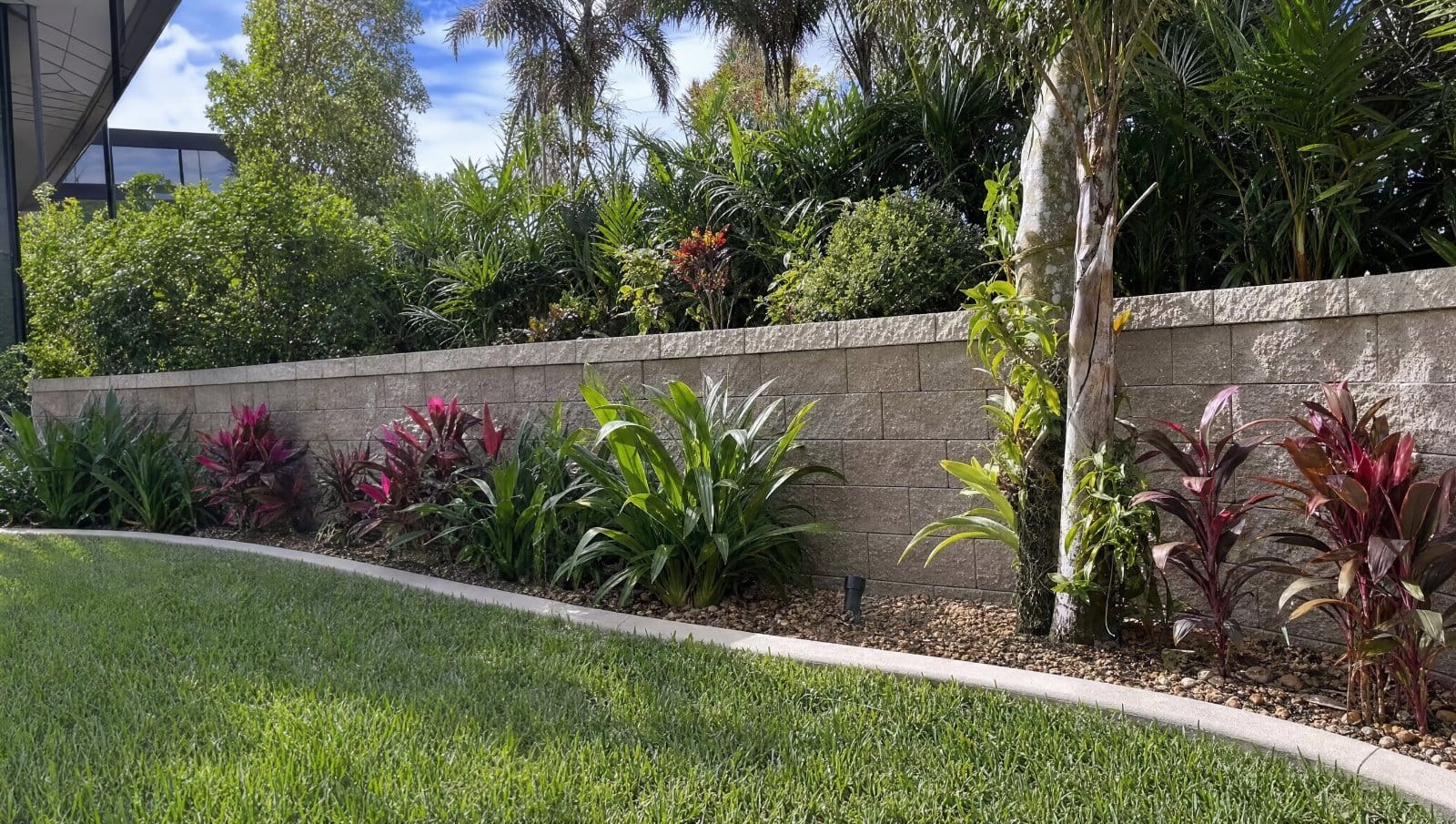
To soften the look of a large cinder block wall, nothing works better than vines and trailing plants. These plants can be planted at the top of the wall to cascade down or at the base to climb up, eventually covering the concrete with a curtain of green. Coral honeysuckle is a wonderful native vine that stays green year-round and produces beautiful red flowers that attract hummingbirds. Another great option is creeping phlox, which creates a dense mat of foliage and explodes with colorful flowers in the spring, spilling beautifully over the wall’s edge. Using plants to cover your wall is a smart design choice when planning your retaining wall installation.
Hardy, low-maintenance plants for our Florida climate
Living in Central Florida means choosing plants that can handle our sun, heat, and humidity. Luckily, many beautiful and resilient plants thrive here and are perfect for a cinder block wall. Perennials like coneflower and annuals like marigolds add cheerful color and are tough enough to withstand the summer heat. You can also turn your wall into a small herb garden with plants like rosemary, mint, and parsley. These herbs love the sun and well-drained soil found in cinder block planters. Choosing plants that are well-suited for Florida ensures your wall will look great with minimal fuss.
Tips for year-round color
A well-planned wall garden can provide visual interest throughout the entire year. The secret is to plant a mix of seasonal vegetables, herbs, and flowers. In the cooler months, the pockets in your cinder block wall are perfect for growing lettuce, spinach, radishes, and bunching onions. Herbs like chives will provide greenery and flavor nearly year-round. By rotating what you plant according to the season, you can ensure there’s always something growing. This approach not only keeps your wall looking vibrant but also makes it a productive part of your garden, blending beauty with function in your overall landscape design.
How to Build a Cinder Block Wall That Lasts
A cinder block retaining wall is a fantastic DIY project, but its success hinges on getting the fundamentals right. A wall that looks great on day one can quickly become a leaning, cracking mess if it isn’t built to handle Florida’s soil and rain. Taking the time to prep your site and build with structural integrity in mind will ensure your wall stands strong for years. It’s about more than just stacking blocks; it’s about creating a stable structure that can manage immense pressure from soil and water.
Prepping the foundation and ensuring proper drainage
Everything starts with a solid foundation. A weak base will undermine your entire project, so don’t rush this step. Start by digging a trench that’s about 3 to 4 inches deeper than the height of your first block. Next, fill the trench with a layer of crushed rock and compact it thoroughly until it’s firm and level. This base is what your entire wall will rest on. Good drainage is just as critical. Before you lay any blocks, place a weed barrier along the bottom and back of the trench. This keeps soil from clogging up your drainage system. A perforated drain pipe placed behind the first course of blocks will be your wall’s best friend, channeling excess water away safely.
How to install and reinforce your wall correctly
The first row of blocks is the most important and time-consuming part of the installation. It has to be perfectly level and straight, because every other course will follow its lead. Use a string line stretched between stakes to guide your placement. As you set each block, check that it’s level from front to back and side to side, using a rubber mallet for small adjustments. For added strength, you’ll want to create a staggered pattern, similar to brickwork. This means starting every other row with a half-block. This interlocking design distributes pressure more evenly across the entire wall, making it much stronger than a simple stacked pattern.
Backfilling and managing moisture
Once your blocks are in place, you need to backfill—the process of filling the space behind the wall. Use a smooth, round drainage rock to fill the hollow cores of the cinder blocks and the area directly behind the wall. This allows water to filter down to the perforated drain pipe you installed earlier instead of pushing against your wall. Even for smaller walls, this step is crucial for managing moisture and preventing hydrostatic pressure, which is a leading cause of wall failure. Proper drainage solutions are what separate a temporary wall from a permanent landscape feature.
Understanding height limits and structural needs
While cinder blocks are versatile, they have their limits. Generally, a DIY retaining wall should be no taller than two to three feet. Anything higher requires more significant structural support, like a reinforced concrete footing and rebar running through the block cores. The pressure from the soil increases exponentially with height, and a taller wall needs to be engineered to handle that load safely. If your project calls for a taller wall or is on a steep slope, it’s time to consult with a professional. Expert retaining wall installation ensures your wall is not only beautiful but also compliant with local building codes and engineered to last.
Common Mistakes to Avoid with Cinder Block Walls
Building a cinder block retaining wall can be a really rewarding project, but a few common missteps can cause major headaches down the road. A wall that leans, cracks, or collapses isn’t just an eyesore—it’s a safety hazard. Taking the time to get the details right from the start will save you from costly repairs and ensure your beautiful new wall stands strong for years. Let’s walk through the most frequent mistakes so you can steer clear of them.
Poor drainage and water damage
Here in Florida, we’re no strangers to heavy rain. All that water needs somewhere to go, and if it gets trapped behind your retaining wall, it can create immense pressure that pushes the blocks outward. This is one of the fastest ways to cause a wall to fail. Proper landscape drainage isn’t optional; it’s essential. This means installing a gravel base behind the wall and including “weep holes” every few feet. These small gaps allow water to escape, relieving the pressure and preventing your wall from turning into a dam.
An unstable foundation or uneven courses
Your retaining wall is only as strong as the ground it sits on. A common mistake is failing to prepare a solid, level foundation. Simply placing the first row of blocks on top of the soil is a recipe for a wobbly, uneven wall that will shift over time. You need to dig a proper trench and fill it with a few inches of compacted crushed rock to create a stable base. Each course of blocks must be perfectly level, both front-to-back and side-to-side, to ensure the entire structure is sound and secure.
Forgetting about soil pressure
It’s easy to underestimate the sheer weight of the earth your wall is holding back. That soil is constantly pushing against the blocks, a force known as lateral pressure. The taller the wall, the greater the pressure. Forgetting to account for this is a critical error. This is why taller walls require reinforcement, like steel rebar, and a design that includes a slight backward lean, called a “batter,” to help counteract the force of the soil. A professional retaining wall installation always accounts for these structural needs.
Overlooking local permits and building codes
Before you buy a single block, you need to check the rules in your area. Many cities and counties in Central Florida have specific building codes for retaining walls, especially for any wall over a certain height (often four feet). Building without the right permits can lead to fines and may even require you to tear the whole thing down. Doing a little research upfront saves a lot of trouble. A professional contractor will handle all the necessary permits, ensuring your project is fully compliant and built to last.
When to Hire a Pro for Your Retaining Wall Project
While a small, decorative garden wall can be a satisfying weekend DIY, a structural retaining wall is a different story. When a wall is responsible for holding back tons of soil, protecting your home’s foundation, or preventing erosion, the stakes are much higher. Getting it wrong can lead to a leaning, cracking, or completely collapsed wall, which is not only a waste of money but also a serious safety hazard.
Hiring a professional for your retaining wall installation isn’t just about having someone else do the heavy lifting. It’s about tapping into years of experience, technical knowledge, and an understanding of local conditions. An expert can assess your property’s unique needs, design a wall that is both beautiful and structurally sound, and build it to last. Especially here in Florida, where our soil and weather present unique challenges, professional expertise is the key to a successful project that adds value and function to your property for years to come.
Dealing with Florida’s unique soil and drainage challenges
Florida’s sandy soil and frequent, heavy downpours create a perfect storm for drainage issues and soil erosion. Without a proper plan, water can build up behind a retaining wall, creating immense pressure that can cause it to bulge, crack, or fail. A professional understands how to manage this. They will assess your specific soil type and grade to design effective drainage solutions, like including perforated pipes and gravel backfill. This ensures water has a path to escape, relieving the pressure and protecting the integrity of your wall against our state’s demanding environmental conditions.
When your wall needs an engineer
There’s a point where a retaining wall project moves beyond standard construction and into the realm of engineering. Generally, if your wall is going to be over three or four feet tall, supporting a heavy load like a driveway, or built on a steep slope, it’s time to call in the experts. In these situations, a professional contractor will work with a structural engineer to create a detailed plan. The engineer provides the necessary calculations to account for soil pressure, water levels, and other forces, ensuring the design is safe, stable, and built for the long haul.
Navigating local building codes and permits
One of the biggest headaches of any construction project can be the paperwork. Building codes and permit requirements for retaining walls can vary quite a bit between counties and cities here in Central Florida. A professional contractor is already familiar with these local regulations. They know what kind of permits are needed, what the inspection requirements are, and how to ensure your project is fully compliant from day one. This saves you the time and stress of trying to figure it all out yourself and protects you from potential fines or legal issues.
The peace of mind of a professional installation
Ultimately, hiring a professional gives you something invaluable: peace of mind. Knowing your retaining wall is built correctly by an experienced team means you don’t have to worry about it failing in a few years. Professionals have the right equipment and knowledge to anticipate potential problems, from poor soil stability to hidden utility lines. They build it right the first time, which saves you from the stress and expense of future repairs. You can simply relax and enjoy your beautiful, functional, and secure new landscape, confident that your investment in professional hardscaping services was a smart one.
Related Articles
- Retaining Wall Installation 101: The Ultimate Guide
- Retaining Wall Contractor in Lake Mary, FL | Expert Installation
- DIY Root Barrier Installation: A Complete Guide
Frequently Asked Questions
How tall can I build a cinder block wall myself before I need to call a professional? As a general rule, a DIY retaining wall should stay under three feet tall. Once you go higher, the pressure from the soil increases dramatically, and the project requires professional engineering to be safe and stable. For taller walls or those on a significant slope, it’s always best to bring in an expert who can ensure it’s built to last and meets all local codes.
We get so much rain in Florida. How do you keep a retaining wall from failing due to water? This is the most critical question for any retaining wall in our area. The secret is a well-designed drainage system. A professional installation includes a gravel backfill and a perforated drain pipe behind the wall’s base. This system gives water an escape route, preventing it from building up and pushing against the wall. Without this, even a well-built wall can fail under the immense pressure.
Will a cinder block wall always look plain and gray, or can it actually add to my home’s curb appeal? A cinder block wall can absolutely be a beautiful feature in your landscape. Think of the blocks as a strong, structural canvas. You can finish the surface with stucco for a clean, modern look, add a stone or brick veneer for a more traditional feel, or top it with elegant capstones. Integrating planters or landscape lighting can also completely transform it from a utility structure into a stunning design element.
My yard has a really steep slope. Is a cinder block wall strong enough for that? Yes, cinder block walls are incredibly strong, but a steep slope is a clear sign that you need a professional design. A wall on a significant grade has to manage enormous pressure from the soil. An expert will engineer the wall with the right foundation, reinforcement like rebar, and a slight backward lean to safely and permanently secure the slope. This isn’t a situation for guesswork.
Besides holding back soil, what else can a retaining wall do for my yard? A retaining wall can be a multi-functional star in your landscape. You can design it with a wide capstone to create built-in seating around a patio or fire pit. The hollow cores of the blocks are perfect for creating integrated planters for a cascade of flowers or a fresh herb garden. It can also serve as a beautiful backdrop for a water feature or define a cozy, level space for a new garden bed or play area.