
20+ Landscape Retaining Wall Ideas to Transform Your Yard
Think of a retaining wall not just as a barrier, but as a canvas for your creativity. This single structural element can become the backbone of your entire outdoor design, providing the perfect opportunity to add custom features that reflect your style. You can integrate steps to connect different parts of your yard, build in benches for permanent seating, or even incorporate a calming water feature for a touch of tranquility. The wall itself can become a living part of your garden with cascading plants and built-in planters. To help you get started, we’ve compiled a list of our favorite landscape retaining wall ideas that show you how to transform a simple structure into a multifunctional and beautiful centerpiece for your yard.

Key Takeaways
- Solve landscape problems with structure: A retaining wall does more than look good; it solves practical issues like soil erosion and creates usable, flat space on sloped properties for things like patios or gardens.
- Choose materials and features that fit your vision: Your wall can be a stylish centerpiece, so select materials like natural stone or modern steel to match your home’s look, and consider adding functional elements like built-in seating or planters.
- Ensure longevity with proper drainage: A wall’s biggest enemy is water pressure from trapped moisture, so a professional installation with a well-designed drainage system is the key to preventing cracks and ensuring your wall stands strong for years to come.
What is a Retaining Wall and Why Do You Need One?
A retaining wall is a structure engineered to hold back soil and rock, preventing it from moving downhill. Think of it as a functional barrier that creates a level surface where there was once a slope. While they serve a critical structural purpose, retaining walls are also a fantastic design tool for your landscape. They can turn a challenging, sloped yard into a beautiful and functional outdoor living area. Whether you’re dealing with soil erosion, looking to create more usable space, or simply want to add visual interest to your property, a professionally installed retaining wall can be the perfect solution.
Stop Soil Erosion and Manage Water Runoff
If your property has slopes, you know how heavy Florida rains can wash away valuable topsoil and create messy runoff. A retaining wall is your best defense against soil erosion. It acts as a dam, holding the earth in place and preventing it from sliding or washing away during a downpour. This not only protects your plant beds and lawn but also safeguards your home’s foundation from potential damage. Properly designed walls are also a key part of effective landscape drainage, helping to channel water away from sensitive areas and prevent pooling or flooding. It’s a smart way to maintain the integrity and health of your entire landscape.
Create More Usable Yard Space
Is a steep hill keeping you from enjoying your backyard to the fullest? Retaining walls are the answer. By carving into a slope and holding back the soil, they create flat, usable terraces where none existed before. Suddenly, that unusable incline can become the perfect spot for a garden, a patio for outdoor dining, or a level play area for the kids. This is especially valuable for properties in Central Florida where space can be at a premium. A well-built wall essentially expands your living area, allowing you to get the most function and enjoyment out of every square foot of your property.
Add Structure and Beauty to Your Landscape
Beyond their practical benefits, retaining walls add incredible structure and style to your yard. A thoughtfully designed wall can define outdoor spaces, create visual interest, and introduce beautiful textures with materials like natural stone or modern concrete blocks. They can frame a garden bed, outline a walkway, or create a stunning multi-level look on a sloped property. When done correctly, a retaining wall installation becomes a central feature of your landscape design, adding a polished, intentional feel that enhances your home’s curb appeal. It’s a feature that works hard while looking great.
What Are the Best Materials for a Retaining Wall?
Choosing the right material for your retaining wall is about more than just looks; it’s about finding the perfect balance of style, durability, and function for your specific landscape. The material you select will define the character of your outdoor space, whether you’re aiming for a rustic, natural feel or a sharp, modern aesthetic. Each option comes with its own set of benefits, from the timeless appeal of natural stone to the clean lines of steel. Let’s walk through some of the most popular choices to help you find the best fit for your yard and your vision.
Choose Natural Stone for a Timeless Look
If you want a retaining wall that looks like it has always been a part of your landscape, natural stone is an excellent choice. It offers a classic, organic beauty that blends seamlessly with gardens and greenery. From the warm, earthy tones of fieldstone to the flat, stackable shapes of flagstone, the variations in color, texture, and size allow for a truly custom look. Stone is incredibly durable and stands up well to the elements, making it a long-lasting feature in your yard. A well-built stone wall adds texture and a sense of permanence, and our hardscaping services can help you create a beautiful and sturdy stone feature that enhances your property.
Use Concrete Blocks for Strength and Versatility
For a retaining wall that combines strength with design flexibility, concrete blocks are a fantastic solution. These interlocking blocks are engineered for stability, making them ideal for holding back significant amounts of soil and managing sloped terrain. While standard concrete blocks have a simple, utilitarian look, they come in a wide variety of colors, textures, and sizes. You can find options that mimic the appearance of natural stone or create a clean, uniform pattern for a more contemporary style. Their consistent shape makes the retaining wall installation process efficient, especially for creating straight lines or gentle curves in your landscape design.
Opt for Timber to Create Rustic Charm
Wooden timbers bring a natural warmth and rustic feel to any landscape. This material is perfect for creating a relaxed, informal look that complements country-style gardens, wooded lots, or terraced vegetable beds. The straight lines of timber create a neat, defined edge, while the wood itself adds a soft, organic texture. It’s important to use pressure-treated wood to ensure your wall can withstand moisture and pests, especially in Florida’s climate. A timber retaining wall can be a simple and effective way to add structure and character to your yard, creating a cozy and inviting atmosphere for you and your guests to enjoy.
Try Gabion Walls for an Industrial Vibe
For a unique and modern statement, consider a gabion wall. These are essentially wire mesh cages filled with rocks, recycled concrete, or other materials. Gabion walls offer a striking industrial-meets-natural aesthetic that works well in contemporary and eclectic landscapes. One of their biggest functional advantages is excellent permeability. Water can easily pass through the gaps between the rocks, which makes them one of the best drainage solutions for managing runoff and preventing pressure buildup. You can customize the look by choosing different types and colors of rock fill, creating a functional structure that doubles as a piece of landscape art.
Select Corten Steel for a Contemporary Edge
If you’re aiming for a sleek, minimalist, and modern design, Corten steel is a standout choice. This special type of steel is designed to develop a stable, rust-like layer on its surface when exposed to the weather. This patina not only looks beautiful with its deep, earthy tones but also acts as a protective coating that prevents further corrosion. Corten steel provides incredibly clean lines and a slim profile, making it perfect for defining garden beds, creating low-profile terraces, or serving as a striking accent wall. It’s a durable and low-maintenance material that adds a touch of industrial chic to any outdoor space.
Explore Popular Retaining Wall Styles
Once you’ve settled on the right material, it’s time to think about style. A retaining wall is a major landscape feature, so its design should complement your home’s architecture and your personal taste. You can go far beyond a simple, straight wall. Think of it as an opportunity to add artistic flair and character to your yard. Whether your home is a modern masterpiece or a rustic retreat, there’s a retaining wall style that will feel like a perfect fit.
The right design can transform a purely functional structure into the stunning centerpiece of your garden. From sleek, contemporary lines to gentle, organic curves, the shape and layout of your wall will define the look and feel of your outdoor space. Exploring different styles helps you see the creative possibilities and find a design that not only solves your landscaping challenges but also brings you joy every time you look at it. A professional retaining wall installation ensures your chosen style is built to last, blending beauty with structural integrity. Let’s look at a few popular styles to get your ideas flowing.
Go Modern with Gabion Designs
If you love a clean, industrial, or even uniquely natural look, gabion walls are a fantastic choice. These are essentially wire cages filled with materials like rock, stone, or even recycled concrete. The result is a textured, modern aesthetic that makes a bold statement. Gabion walls are not just about looks; they also provide excellent drainage, as water can easily pass through the gaps in the filler material. This makes them a practical solution for managing water flow in your yard. You can customize the feel by choosing different filler materials to match your landscape’s color palette.
Embrace Rustic with Natural Stone
For a timeless, classic look that never goes out of style, you can’t go wrong with natural stone. Using stones of various sizes and shapes creates a wall that looks like it has been part of the landscape for years. Natural stone is incredibly durable and blends seamlessly with garden settings, adding a touch of rustic elegance. Each stone has its own unique character, giving your wall a one-of-a-kind appearance. This style works beautifully with traditional homes and lush, green gardens, creating a sense of established beauty and connecting your hardscaping services with the natural environment.
Get Contemporary with Concrete and Steel
For a sharp, contemporary edge, consider using concrete blocks or steel. Modern concrete blocks are incredibly versatile and come in a variety of colors and finishes, allowing you to create a sleek, uniform look. They offer a clean backdrop for vibrant plants and modern outdoor furniture. Another option is using short steel walls, especially Corten steel, which develops a stable, rust-colored patina over time. This material offers a look that is both rustic and modern, adding a warm, earthy tone that contrasts beautifully with greenery.
Create Flow with Curved Walls
Breaking away from straight lines can add a wonderful sense of movement and grace to your landscape. A curved retaining wall can soften the hard edges of a yard, creating a more organic and artistic feel. Curves are perfect for wrapping around a patio, defining a winding garden path, or simply adding visual interest to a flat space. They can make a small yard feel larger and more dynamic by guiding the eye through the space. This approach is a key element of thoughtful landscape design, turning a simple wall into a sculptural feature.
Build Tiered Walls for a Multi-Level Garden
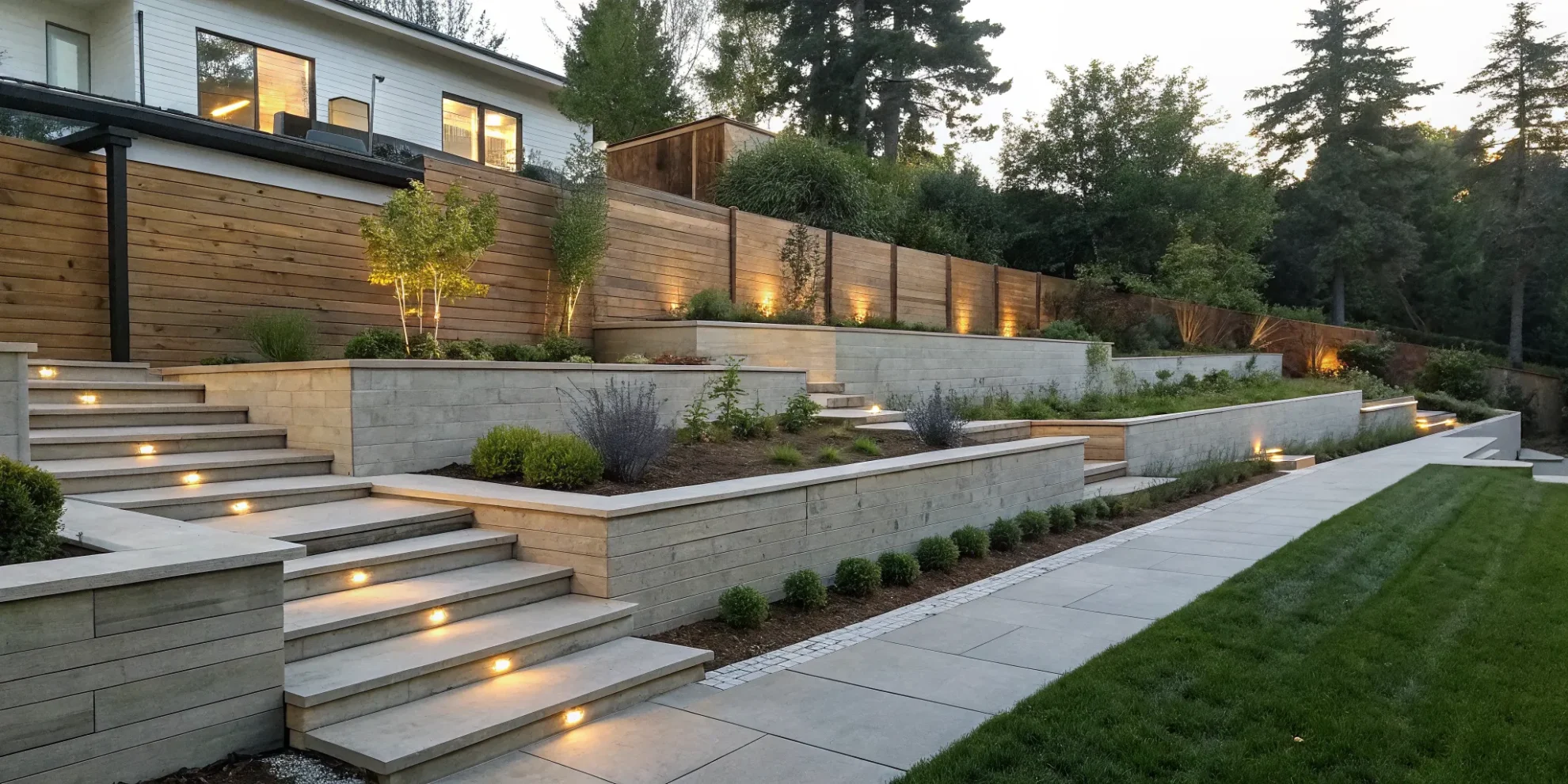
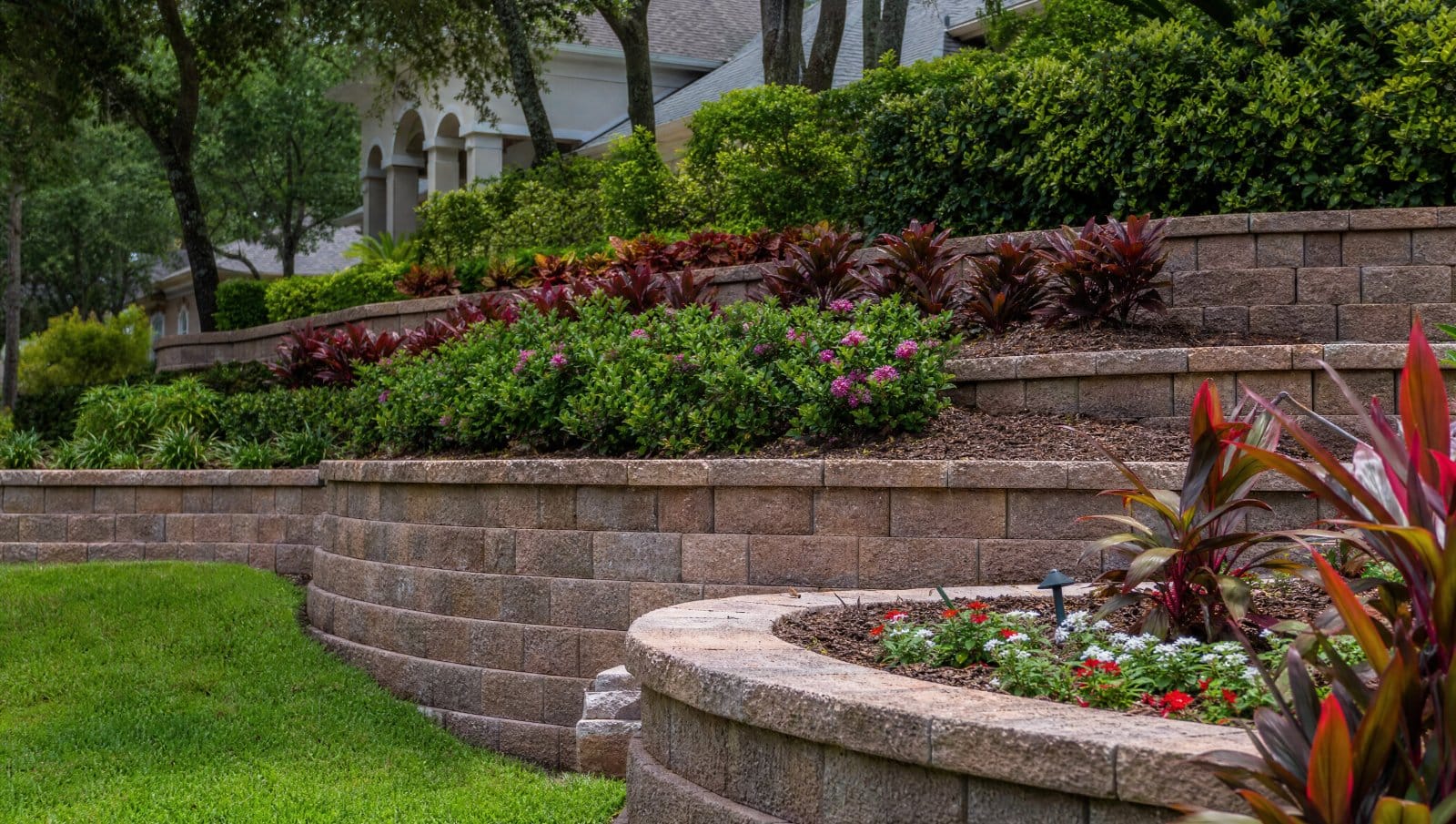
If your property has a noticeable slope, tiered retaining walls are a brilliant solution. Instead of one tall, imposing wall, this style uses a series of shorter walls to create giant steps up the hill. This approach breaks up the slope into several level terraces, giving you more usable space for planting, seating areas, or even a small lawn. Tiered walls add incredible depth and dimension to your yard, allowing you to create a stunning multi-level garden. Each tier can have its own unique planting scheme, creating a beautiful cascade of colors and textures.
How to Make Your Retaining Wall More Functional
A retaining wall is a powerhouse when it comes to managing slopes and preventing erosion, but its job doesn’t have to stop there. With a little creative planning, your wall can become one of the most useful and inviting features of your yard. Instead of just being a structural necessity, think of it as a blank canvas for adding style, comfort, and utility to your outdoor living space. From creating cozy gathering spots to making your garden more accessible, there are many retaining wall ideas that can get you inspired. Here are a few of our favorites to get you started.
Add Built-in Seating for Entertaining
Why bring out bulky patio furniture when your retaining wall can do the work for you? Integrating built-in seating is a brilliant way to add permanent, comfortable spots for guests to relax. A wide, flat capstone on a low wall can double as a casual bench, perfect for garden parties or quiet afternoons. You can also design recessed nooks or benches directly into the structure. This approach not only saves precious patio space but also creates a natural and inviting gathering area. A professionally designed retaining wall installation can ensure your seating is both sturdy and stylish, seamlessly blending into your landscape.
Integrate Planters and Garden Beds
Let your retaining wall become a living part of your garden by integrating planters and raised beds. Building pockets for planting directly into the wall allows you to soften its edges with cascading flowers and lush greenery. You can also design the wall to serve as the border for a raised garden bed, which makes planting and weeding much easier on your back. This is a fantastic way to grow herbs, vegetables, or your favorite flowers. By combining structural support with gardening space, you can create a beautiful, multi-dimensional feature that enhances your entire landscape design.
Connect Pathways with Steps
If your retaining wall separates different levels of your yard, adding steps is a must for both convenience and style. Integrated steps create a smooth, safe transition between your patio, lawn, or garden tiers. Instead of a steep, awkward slope, you get an elegant and accessible pathway. The design possibilities are endless, from wide, grand steps that make a statement to subtle, winding stairs that feel more natural. As a key element of your property’s hardscaping, well-placed steps can transform how you move through and experience your outdoor space, making every part of your yard easy to reach.
Incorporate a Fire Pit or Outdoor Kitchen
Turn your retaining wall into the ultimate destination for entertaining by building in a fire pit or an outdoor kitchen counter. Imagine gathering with friends and family around a cozy fire built right into the curve of your seating wall. This creates an instant focal point and extends your outdoor enjoyment into cooler evenings. You could also add a built-in counter space for serving drinks or prepping food, turning your patio into a functional outdoor kitchen. These features transform a simple wall into a multifunctional hub for socializing and making memories. A custom retaining wall can be designed to safely and beautifully accommodate these exciting additions.
What Should You Plant Around Your Retaining Wall?
A retaining wall is a fantastic structural element, but the right plants take it from functional to beautiful. Planting around your wall helps it blend seamlessly into your landscape, adding color, texture, and life. The key is to choose plants that complement the wall’s material and scale while thriving in your specific yard conditions. Whether you want a lush, overflowing look or something clean and modern, there’s a planting strategy that will bring your vision to life. Think about sun exposure, soil drainage around the wall, and how much time you want to spend on upkeep when making your selections.
Soften Edges with Cascading Plants
Hard lines and sharp corners can make a retaining wall feel imposing. The perfect way to soften its look is with cascading plants that spill over the edge. Planting varieties like creeping thyme, sedum, or ivy at the top of the wall allows them to trail down the face, creating a living waterfall of foliage and flowers. This technique beautifully integrates the structure with the garden below. For a pop of color, consider annuals like sweet potato vine or calibrachoa. These trailing plants not only add visual interest but also help to break up the solid mass of the wall, giving your entire landscape design a more natural, established feel.
Try Wall-Mounted or Vertical Gardens
If your retaining wall is made of solid concrete or wood, you can still add plenty of greenery by thinking vertically. Vertical garden systems are brilliant solutions for maximizing your planting space, especially in smaller yards. You can install shallow containers directly onto the wall to create a home for herbs, succulents, or colorful annuals. Imagine a fresh herb garden right off your patio or a stunning display of flowers that adds a splash of color without taking up any ground space. This approach turns a plain wall into a dynamic, living feature and a definite conversation starter for anyone who visits your garden.
Choose Low-Maintenance Ground Cover
For a beautiful landscape that doesn’t demand all your free time, low-maintenance ground cover is your best friend. Planting a carpet of hardy, drought-tolerant plants at the base or top of your retaining wall is a smart way to add greenery while suppressing weeds. In sunny Central Florida spots, plants like Asiatic jasmine, perennial peanut, or certain types of sedum are excellent choices. They require little water once established and provide consistent coverage. Using mulch around these plants can further reduce water evaporation and maintenance, giving you a polished look that’s also incredibly practical for a busy lifestyle.
Pick the Right Plants for Your Wall’s Height
The height of your retaining wall plays a big role in which plants will look best. The goal is to create a sense of balance. For taller walls, you’ll want to choose plants with enough substance to stand up to the scale of the structure. Consider planting medium-sized shrubs or ornamental grasses behind the wall to soften the backdrop. For shorter walls, delicate flowers or low-growing greenery work perfectly without overwhelming the design. You can also plant flowers or foliage that hang over the edge for a beautiful cascading effect, which works well for walls of any height. Thinking about scale ensures your retaining wall and plantings work together as a cohesive unit.
How to Add Lighting and Water Features
A retaining wall is more than just a structural element; it’s a canvas for creativity. By incorporating lighting and water features, you can transform your wall from a simple boundary into a dynamic centerpiece of your landscape. These additions not only enhance the visual appeal of your yard but also extend its usability, creating a beautiful and inviting atmosphere you can enjoy long after the sun goes down. Imagine your garden beds softly illuminated at night, or the tranquil sound of a waterfall providing a peaceful soundtrack to your evening. Thoughtful placement of lights can highlight the wall’s texture and surrounding plants, while a water feature can turn your backyard into a private retreat. Planning these elements during the design phase of your retaining wall installation is the key to a seamless, professional finish. It allows for all the necessary wiring and plumbing to be hidden from view, making the features look like they were always part of the original design. This foresight prevents the need for complicated retrofitting later on and ensures your wall is both beautiful and functional from day one.
Use Accent Lighting for Safety and Ambiance
Adding accent lighting to your retaining wall serves two important purposes: it keeps your outdoor space safe and creates a wonderful ambiance. You can install lights along the walls for safety and a nice evening glow, making it easier to see pathways and steps after dark. This is especially helpful for tiered walls with integrated stairs, where good lighting is essential for preventing trips and falls. Beyond safety, the soft light creates a warm, welcoming environment perfect for evening gatherings or quiet relaxation. It’s always best to plan your lighting scheme when the wall is being built, as this allows for wiring to be hidden cleanly within the structure for a flawless finish.
Integrate a Calming Water Feature
Imagine the soothing sound of trickling water in your own backyard. Integrating a water feature is a fantastic way to bring a sense of tranquility to your landscape. You can add a fountain or waterfall to the wall for a peaceful sound and look. This addition turns your retaining wall into a multisensory experience, offering both visual beauty and calming background noise that can help mask unwanted sounds from the neighborhood. From a simple scupper spilling into a basin to a more elaborate cascading waterfall, a water feature makes your yard feel like a private oasis and a true escape from the everyday hustle.
Install LED Strips or Under-Cap Lights
For a sleek and modern lighting effect, consider LED strips or under-cap lights. This technique involves placing lights along the top edges of the wall, usually tucked under the capstone, for a nice glow at night. The light washes down the face of the wall, highlighting its texture and form without any visible fixtures or harsh glare. This subtle approach provides beautiful ambient lighting that defines the perimeter of your patio or garden bed. It’s an energy-efficient way to add a touch of sophistication to your hardscaping services and make your retaining wall a standout feature, even in the dark.
Design Ideas for Sloped Properties
A sloped yard can feel like a challenge, but it’s actually an incredible opportunity to create a dynamic, multi-dimensional landscape. Instead of a single, hard-to-use incline, you can introduce structure and style with retaining walls. By breaking up the grade, you can design distinct areas for gardening, entertaining, and relaxing. The key is to work with the natural contours of your land, not against them. A well-designed retaining wall installation turns a tricky slope into one of your property’s best features, adding visual interest and practical function that a flat yard simply can’t match. With the right approach, that hill in your backyard can become a stunning terraced garden or a series of inviting outdoor living spaces.
Create Multiple Garden Levels
One of the best ways to handle a slope is to create multiple flat tiers. Retaining walls make this possible by carving out level sections of land, transforming an unusable incline into a series of garden beds or small patios. This terraced approach not only stops soil erosion but also gives you a canvas to create different “rooms” within your garden. You could dedicate one level to a vegetable patch, another to flowering shrubs, and a third to a quiet seating area. This method maximizes your usable space and adds a sophisticated, layered look to your landscape, turning a problem area into a beautiful and productive part of your yard.
Incorporate Steps Between Tiers
Once you have your beautiful new garden levels, you’ll need a way to move between them. Integrating steps into your retaining wall design is both a practical necessity and a fantastic design element. Steps provide safe and easy access to each tier while adding visual structure that guides the eye through the landscape. You can choose materials that match or complement your retaining walls, like natural stone or concrete pavers. Well-placed steps break up the solid mass of the walls and make your entire garden feel more connected and inviting. They are a crucial part of any multi-level hardscaping services project.
Design Curved Walls for a Natural Flow
If you prefer a softer, more organic look, consider designing your retaining walls with gentle curves. Straight, angular walls can sometimes feel rigid, but curved walls follow the natural flow of the land, creating a sense of movement and grace. This style works especially well for defining garden beds, creating winding pathways, or wrapping around a circular patio. A serpentine wall can turn a simple slope into an artistic statement, adding a modern and elegant touch to your property. The flowing lines are visually interesting and can make your outdoor space feel more spacious and less confined.
Manage Steep Grades with Terracing
For properties with particularly steep grades, terracing with retaining walls is the most effective solution. This technique creates a series of shorter, more manageable slopes instead of one large, unstable one. Each terrace provides a flat, usable area while the walls hold back the soil, preventing erosion and helping to manage water runoff during Central Florida’s heavy rains. This is essential for protecting your landscape and your home’s foundation. By creating these level platforms, you gain functional space for planting or recreation while ensuring the long-term stability of your property. Proper terracing often requires professional landscape drainage contractors to ensure water is managed correctly.
How to Ensure Your Wall is Built to Last
A retaining wall is more than just a beautiful feature; it’s a structural element that needs to stand strong for years. Building a wall that lasts comes down to smart planning and proper construction techniques. Without the right approach, even the most attractive wall can fail, leading to bigger problems down the road. Key factors like managing water, preventing erosion, and planning for future care are essential for protecting your investment and ensuring your wall remains a stable, functional part of your landscape. By focusing on these fundamentals from the start, you can create a durable structure that enhances your property for a long time.
Install Proper Drainage
Water is the biggest threat to a retaining wall’s stability. When soil becomes saturated, it gets heavy and puts immense pressure on the wall, a force known as hydrostatic pressure. Over time, this pressure can cause the wall to bulge, crack, or even collapse. That’s why a proper drainage system is not just a good idea, it’s a necessity. A well-designed wall includes a layer of gravel backfill directly behind it, which allows water to flow down freely instead of soaking the soil. A perforated pipe at the base then collects this water and channels it away safely. For solid walls, weep holes are small openings that let water escape, relieving pressure before it can build up.
Prevent Water Damage
In Florida, we’re no strangers to heavy downpours. A retaining wall is your first line of defense against the erosion and runoff that these storms can cause. By holding soil in place, a sturdy wall protects your garden beds, foundation, and other landscape features from being washed away. When you install a retaining wall, you’re creating a barrier that directs water flow in a controlled way, preventing it from pooling in unwanted areas or carving out channels in your yard. This not only preserves the look of your landscape but also maintains the health and stability of the soil, giving your plants a secure foundation to grow.
Plan for Long-Term Maintenance
A great retaining wall looks even better when it’s integrated with the right plants. To keep things simple, think about long-term care from day one. Choosing low-maintenance and drought-tolerant plants means you’ll spend less time watering and pruning. For sunny spots, succulents and native grasses are excellent choices that thrive in the Florida heat. Your overall landscape design should complement the wall and be easy to manage. It’s also a good habit to periodically inspect your wall for any signs of shifting or cracking and to ensure the weep holes are clear of debris. A little proactive care goes a long way in keeping your wall in top condition.
Common Retaining Wall Challenges to Know
A well-built retaining wall is a fantastic addition to any property, but it’s smart to go into the project with your eyes open. A few common challenges can pop up if they aren’t planned for correctly. Knowing what to look out for helps you make informed decisions and ensures your wall remains strong and beautiful for years. Let’s walk through the three biggest things to keep on your radar: drainage, design balance, and ongoing care. Addressing these from the start is the key to a successful project that adds lasting value and function to your yard.
Solving Drainage Problems
Water is the number one enemy of a retaining wall. While a wall’s main job is to prevent soil erosion, it can also trap water behind it. This creates immense hydrostatic pressure, which can cause the wall to bulge, crack, or even fail. Proper drainage solutions are not just a good idea; they are essential. A professional installation will always include features like a gravel backfill and weep holes to give water an escape route. This planning prevents a muddy mess and protects the structural integrity of your wall for the long haul.
Balancing Wall Height and Aesthetics
Your retaining wall needs to be both strong and stylish. The height of the wall directly influences the engineering and materials required to keep it stable; taller walls need more reinforcement. At the same time, the wall should complement your home and landscape. The materials and design should feel like a natural extension of your property’s aesthetic. A thoughtful retaining wall installation considers both the structural requirements and the visual harmony, creating a feature that is as beautiful as it is functional and truly enhances your outdoor space.
Handling Seasonal Care
Once your wall is built, a little seasonal attention will preserve its strength and appearance. Retaining walls aren’t completely maintenance-free, especially with Florida’s heavy rains. Periodically, walk the length of your wall to check for any signs of shifting or cracking. It’s also important to make sure your drainage systems are clear. Keep weep holes free of debris so water can flow away freely. These simple checks help you catch small issues before they become major problems, ensuring your wall can effectively manage runoff year after year.
What to Consider Before You Start Your Project
A retaining wall is a fantastic addition to any property, but a little planning goes a long way. Before you get started, thinking through a few key details will help ensure your new wall is beautiful, functional, and built to last. Taking the time to assess your property, understand local rules, and consider your installation options will set your project up for success from day one. It’s about making sure the final result not only meets your expectations but also stands strong for years to come.
Assess Your Site and Soil Conditions
The first step is to get to know your landscape. Retaining walls are designed to hold back soil, so the specific conditions of your yard play a huge role in the project. Take a look at the slope you’re working with and the type of soil you have. Is it sandy, clay-based, or rocky? This will influence the best materials and construction methods for your wall. Proper water management is also critical, as poor drainage can put pressure on a wall and compromise its strength. A well-planned project will always include effective drainage solutions to channel water away safely and prevent erosion.
Check Local Building Codes and Height Rules
Before you break ground, it’s important to check in with your local municipality. Many cities and counties in the Lake Mary area have specific building codes and regulations for retaining walls, especially concerning their height. Walls over a certain height often require a permit and may need to be designed by an engineer to ensure they are safe and stable. Understanding these local rules ahead of time can save you from potential headaches and ensure your project is fully compliant. A quick search on your local government’s website or a call to the planning department is a great place to start.
Understand the Benefits of Professional Installation
While a small, decorative garden wall can be a fun weekend project, larger structural walls require expertise. Professional retaining wall installation ensures the structure is built correctly from the foundation up. An experienced team knows how to handle Central Florida’s unique soil and weather conditions, installing the proper drainage and reinforcement needed for a long-lasting wall. A pro can also help with the design, turning a purely functional wall into a stunning landscape feature that adds character and value to your property. They handle all the heavy lifting, so you can simply enjoy the beautiful, functional new space they create.
Related Articles
- How to Build a Retaining Wall on a Slope: A DIY Guide
- 12 Smart Cinder Block Retaining Wall Ideas
- Retaining Wall Installation 101: The Ultimate Guide
- How to Build a Retaining Wall with Concrete Blocks
Frequently Asked Questions
How do I know if my property actually needs a retaining wall? A retaining wall is a great solution if you’re dealing with a few common landscape challenges. If you notice soil washing away from sloped areas after it rains, a wall can stop that erosion in its tracks. It’s also the perfect tool for creating more usable space. If a steep hill is preventing you from having a patio, garden, or play area, a retaining wall can carve out a flat, functional terrace.
What is the most important factor for a retaining wall in Florida’s climate? Without a doubt, proper drainage is the most critical element. Our heavy rains can saturate the soil behind a wall, creating immense pressure that can cause it to fail over time. A professionally built wall will always include a drainage system, such as a gravel backfill and weep holes, to channel water away safely. This prevents pressure buildup and ensures your wall remains stable and strong for years.
Can a retaining wall be built on a very steep hill? Yes, absolutely. For properties with significant slopes, the best approach is often to build a series of shorter, tiered walls instead of one tall one. This technique, called terracing, breaks the hill into several level platforms. It’s an incredibly effective way to manage a steep grade, control erosion, and create multiple usable areas for planting or seating.
Do I need a permit to build a retaining wall? It depends on the height and location of the wall. Many local municipalities have regulations that require a permit for walls over a certain height, often around four feet. This is to ensure the structure is properly engineered for safety. It’s always a good idea to check your local building codes before starting a project to make sure everything is compliant.
How can I make my retaining wall look like a natural part of my garden? There are so many ways to integrate a wall into your landscape. Planting cascading flowers or vines at the top will soften the hard edges and create a beautiful spilling effect. You can also incorporate features directly into the design, such as built-in seating, planters for an herb garden, or subtle lighting tucked under the capstone for a warm evening glow. These additions turn a functional structure into a stunning focal point.