
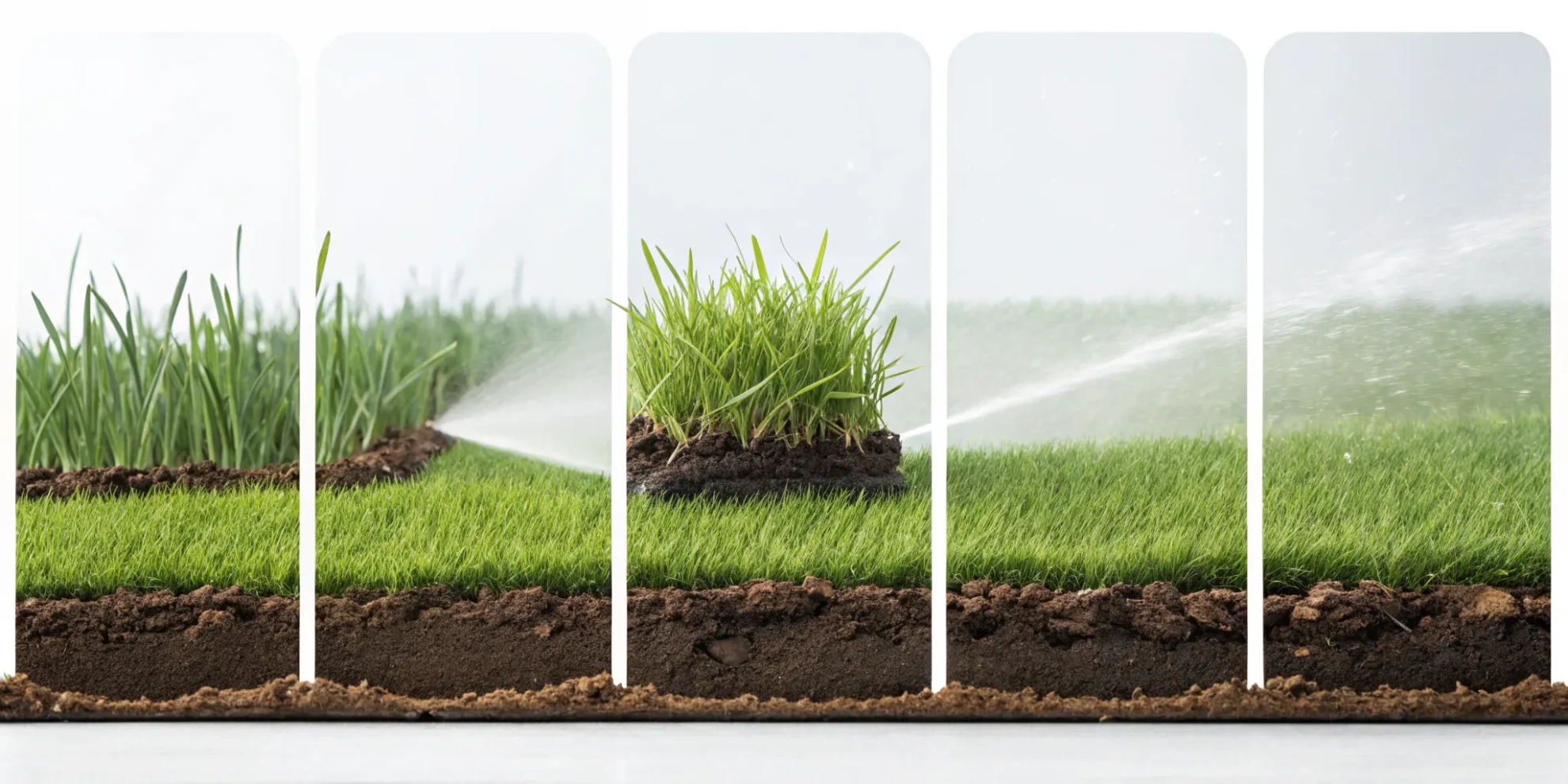
New Sod Care Timeline: Your Week-by-Week Guide
How soon should I water my new sod? When is it safe to mow for the first time? Can my dog run on it yet? These are the questions every new sod owner asks. Your beautiful new lawn is a living thing, and it’s incredibly delicate during its first few weeks in a new environment. Getting the care right from day one is essential for developing a strong root system that will support a healthy, resilient lawn for years. Our new sod care timeline answers all these questions and more, breaking down the process into simple, manageable steps. We’ll cover everything from watering schedules to recognizing signs of a healthy lawn.
Key Takeaways
- Water new sod within 30 minutes: The most critical step is to give your new lawn a deep soaking almost immediately after it’s laid. This initial watering prevents the roots from drying out and helps the sod make firm contact with the soil underneath.
- Adjust your watering schedule over time: For the first week, water lightly multiple times a day to keep the new roots moist. After that, switch to deeper, less frequent watering sessions to encourage those roots to grow down into the soil, building a stronger lawn.
- Stay off the grass until it’s rooted: Keep foot traffic to a minimum for at least two weeks. Before you mow for the first time, gently tug on a corner of the sod; if it feels anchored, it’s ready for a trim with the mower on its highest setting.
What Does New Sod Need Right Away?
Your beautiful new lawn is finally in place, but the job isn’t quite done. The first few hours and days are the most critical for your sod’s survival. Think of it like bringing a new plant home from the nursery; it needs immediate attention to adjust to its new environment. Giving your sod the right care from the very beginning sets it up for a lush, green future. Proper sod installation is the first step, and following these immediate care instructions is the essential follow-through that ensures your investment thrives.
Water It Within 30 Minutes
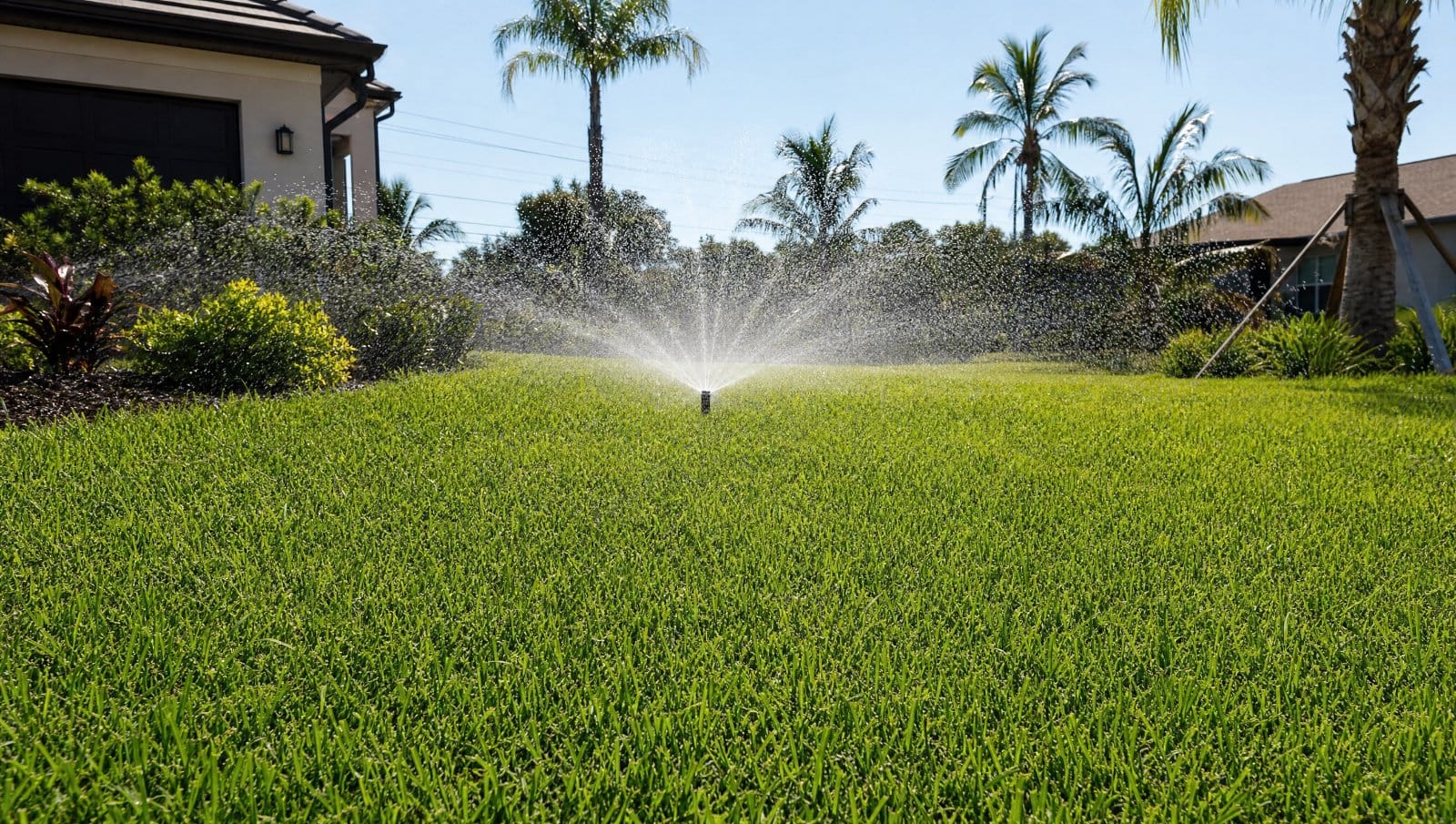
This is the most important rule of new sod care. Start watering your new lawn within 30 minutes of it being laid down. The roots are vulnerable and can dry out incredibly fast, especially under the Florida sun. Your goal is to give it a deep, initial soaking. You’ll want to apply enough water to moisten the top three to four inches of the soil beneath the sod. This ensures the roots have plenty of moisture to start reaching down into their new home. Don’t just give it a light sprinkle; a thorough watering is key to preventing the sod from going into shock.
Ensure Good Soil Contact
For your new sod to take root, it needs to make solid contact with the soil underneath. Air pockets can prevent the roots from growing and can create dry, dead patches in your lawn. After the initial watering, you can gently lift a corner of a sod piece to check. You should see dark, moist soil on both the bottom of the sod and the ground below. If you see gaps, you can use a lawn roller (about one-third full of water) to gently press the sod down and establish that crucial connection. This helps the new roots penetrate the soil and begin absorbing nutrients.
Keep Off the Grass
As tempting as it is to walk on your perfect new lawn, you need to resist the urge. Keep all foot traffic, including pets and children, off the sod for at least the first two weeks. Your new lawn is extremely delicate during this time. Walking on it can create depressions in the soil and, more importantly, can prevent the fragile new roots from knitting into the ground. Give your sod the undisturbed time it needs to establish a strong root system. A little patience now will pay off with a durable, healthy lawn later.
How to Water New Sod: The First Two Weeks
The first two weeks are the most critical time for your new sod. Your main goal is to help the shallow roots of the sod pieces grow down into the soil of your yard. Proper watering is the key to making this happen. During this period, you’ll need to keep the sod and the soil just beneath it consistently moist, but not soaking wet. This careful balance encourages the roots to establish themselves, creating a strong foundation for a lush, healthy lawn. Think of it as a welcome drink for your new grass, helping it settle into its new home. Your watering schedule will change after the first week as the sod begins to take root.
Week 1: Water Multiple Times a Day
During the first week, your new sod is incredibly thirsty. You should water it lightly but frequently to prevent the delicate roots from drying out. Start watering within 30 minutes of the sod installation, and aim for two to four short watering sessions each day. A good rule of thumb is to run your sprinklers for about 5 to 10 minutes per session. The goal isn’t to drench the lawn, but to keep the top inch of soil consistently moist throughout the day. In the hot Florida sun, this frequent watering is essential to protect your investment and give your new lawn the best possible start.
Week 2: Water Less Often, But Deeper
As you move into the second week, it’s time to adjust your watering strategy. The initial roots have started to grow, so you want to encourage them to reach deeper into the soil. You can now reduce the frequency of watering to once a day or even every other day. However, you should increase the duration of each session. This deep watering method allows moisture to penetrate further into the ground, motivating the roots to grow downward in search of water. This process is vital for developing a strong, resilient root system that will help your lawn withstand dry spells in the future.
How to Tell if Your Sod Needs Water
Your lawn will give you clues when it’s thirsty. The easiest way to check is to gently lift a corner of one sod piece and feel the soil underneath. It should be damp, not soggy or dusty dry. If it feels dry, it’s time to water. You can also look for visual signs. If the grass blades start to look dull or take on a grayish-blue tint, they need water. Pay close attention to the edges and seams between sod pieces, as these areas tend to dry out faster. If you spot a few dry patches, you can always give them a little extra water by hand.
Avoid Common Overwatering Mistakes
While keeping sod moist is important, giving it too much water can cause serious problems. Overwatering suffocates the roots and can lead to fungal diseases and root rot, which are common issues in our humid climate. If you see puddles forming on the lawn or the ground feels spongy when you walk on it, you’re likely watering too much. The goal is moist soil, not a swamp. If you notice your yard struggles with standing water in general, you may have underlying drainage issues. Improving your property’s drainage solutions can protect your lawn and landscape from water damage.
When to Mow New Sod for the First Time
After a couple of weeks of careful watering, your new lawn is probably starting to look a little shaggy. It can be tempting to break out the mower right away, but patience is key. Mowing too soon can stress the grass and pull up the roots before they’ve had a chance to establish. Generally, you’ll be ready for the first mow about two to three weeks after your sod installation, but the calendar isn’t the best indicator. The real test is how well the roots have taken hold in the soil beneath. Before you even think about starting the engine, you need to perform a quick check to make sure your new lawn is ready for its first trim.
Check if the Roots Are Ready
The best way to know if your sod is ready for mowing is to check its root development. Gently lift a corner of one of the sod pieces. If you feel resistance and it’s hard to move, that’s great news. It means the roots are growing down into the soil and creating a strong foundation. If the corner lifts up easily with no resistance, the roots haven’t anchored themselves yet. In that case, give it a few more days to a week before you check again. An easily lifted sod piece can also be a sign of overwatering, so be sure to monitor your watering schedule as the roots establish.
Set the Right Mower Height
For the first mow, you want to be as gentle as possible. Set your mower blades to their highest setting, aiming to cut at about three inches. The goal is to only trim the very tops of the grass blades, not to give it a short, crew-cut look. Cutting the grass too short right away can put the young plants under a lot of stress, which can hinder their growth. It’s also a good idea to use a lightweight push mower instead of a heavy riding mower. The weight of a riding mower can compact the soil and damage the delicate, developing root system of your new sod.
Follow Best Mowing Practices
Once you’ve confirmed the roots are secure and your mower is set to the right height, you’re ready to go. As you begin mowing, keep a close eye on the sod pieces. If you notice any of them lifting or shifting, stop immediately. This is a clear sign that the roots need more time to strengthen. Wait a few more days and try again. Also, make sure your mower blades are sharp. A sharp blade provides a clean cut that helps the grass heal quickly, while a dull blade tears the grass, leaving it vulnerable to disease. A beautiful lawn is a key part of any landscape design, and proper mowing is a simple step to get it right.
Is Your New Sod Healthy? Look for These Signs
After a couple of weeks of diligent watering, you’re probably eager to know if your hard work is paying off. How can you tell if your new sod is truly settling into its new home? Thankfully, you don’t need to be an expert to spot the signs of success. There are a few simple checks you can perform to see how well your new grass is establishing itself and turning into the lawn you’ve been waiting for.
Check for Strong Root Growth
The most important sign of healthy sod is happening right under your feet. Strong roots are the foundation of a durable, beautiful lawn. About ten days after your sod is installed, you can do a quick check. Find a corner of a sod piece and gently try to lift it. If you see delicate, white roots beginning to thread their way down into the soil, that’s fantastic news. It means your sod is successfully taking root and starting to establish itself as a permanent part of your landscape. This root development is exactly what you want to see.
Look for a Healthy Green Color
A healthy lawn has a distinct look, and color is your most obvious clue. Your new sod should have a consistent, vibrant green hue from edge to edge. This rich color shows that the grass is getting the water and sunlight it needs to thrive. While a little yellowing can occur right after installation, the grass should bounce back to a lush green quickly. When you look across your yard, you want to see a uniform green carpet. This visual confirmation is a great indicator that your sod installation was successful and your care routine is working.
Try the “Tug Test”
Here’s a simple test that tells you a lot about your sod’s root strength. After about 14 days, grab a small handful of grass blades and give them a gentle pull. If you feel resistance and the sod stays put, that’s a great sign. It means the roots have anchored themselves into the soil, knitting the new sod to your yard. If the piece lifts up easily, it might be a sign that the roots aren’t growing downward as they should. Often, this can be a symptom of overwatering new sod, which can discourage deep root growth.
Your Sod Care Plan After the First Month
Congratulations, you’ve made it through the most intensive phase of caring for your new sod! By now, those individual squares are starting to look like a unified, green lawn. The focus now shifts from initial survival to long-term health and resilience. The habits you establish over the next few weeks will set the stage for a lush, durable lawn that can handle Florida’s unique climate, from brilliant sun to heavy rain. Think of this as transitioning from constant supervision to a sustainable routine that encourages deep roots and vigorous growth.
This next phase is all about building strength from the ground up. You’ll be adjusting your watering schedule to train the roots to grow deeper, introducing the first round of nutrients to fuel development, and establishing a mowing routine that promotes a thick, healthy turf. Getting these steps right is crucial for the future of your lawn. It ensures your initial investment in beautiful, high-quality sod pays off with a stunning green space that enhances your property for years to come. Let’s walk through the simple, actionable steps to guide your lawn from new sod to an established landscape.
Weeks 3-4: Time to Fertilize
As your sod’s roots push deeper into the soil, they’ll need a good source of nutrients to keep growing strong. Around the third or fourth week is the perfect time to introduce a quality, slow-release fertilizer. This first feeding gives your new grass the energy it needs to continue establishing itself and develop that vibrant green color we all love. Think of it as the first proper meal after weeks of just water. Be sure to read and follow the directions on the fertilizer package carefully, as applying the right amount is key to avoiding any stress on the young grass. This simple step will help your lawn build the robust root system necessary for long-term health.
Establish a Deep Watering Routine
It’s time to change how you water. Instead of the frequent, shallow watering of the first two weeks, you’ll want to water less often but for longer periods. Aim for two to three times a week, giving the lawn a deep, thorough soak each time. This method encourages the roots to grow further down into the soil in search of moisture, which is exactly what you want. A deep root system makes your lawn much stronger and more resilient against dry spells. If you’re concerned about standing water after a heavy watering session, having proper landscape drainage ensures that the water nourishes your lawn without waterlogging the soil and suffocating the roots.
Create a Regular Mowing Schedule
Once your sod is firmly rooted and you can’t easily pull up the corners, you can settle into a regular mowing routine. The golden rule of mowing is to never cut more than one-third of the grass blade at a time. For these early mows, keep your mower on one of its highest settings to avoid scalping the lawn and putting unnecessary stress on the new grass. Consistent mowing encourages the grass to grow thicker and spread laterally, helping to create that dense, carpet-like turf you’re looking for. This simple practice is one of the best ways to maintain a healthy lawn and is a core part of any successful landscaping plan.
Plan for Long-Term Lawn Health
Following these steps after the first month lays the groundwork for a healthy, beautiful lawn that lasts. A lawn with deep roots and strong, thick grass is better equipped to handle foot traffic, resist weeds, and recover from environmental stress like heat or drought. Your initial efforts in choosing professional sod installation and providing diligent early care are now paying off in a big way. By continuing with a smart watering, mowing, and feeding schedule, you’re not just maintaining grass; you’re cultivating a beautiful, living part of your home’s landscape that you and your family can enjoy for many seasons.
New Sod Care: What Not to Do
Getting new sod is exciting, but it’s also a delicate time for your future lawn. While you’re doing all the right things, it’s just as important to avoid a few common missteps that can set back your sod’s progress. Knowing what not to do can make all the difference in helping those roots establish quickly and grow into a lush, healthy lawn. Let’s walk through some of the most critical mistakes to steer clear of in those first few weeks.
Avoid These Watering Mistakes
While new sod is thirsty, it’s possible to be too generous with water. The goal is to keep the soil beneath the sod consistently moist, not soaking wet. Overwatering is a major pitfall, as it can drown the new roots and create an environment for fungus and disease to thrive. If you see puddles forming or the ground feels mushy, it’s time to scale back. You want the soil to feel like a damp sponge, not a swamp. Remember, the initial frequent, light waterings are meant to keep the shallow roots hydrated until they can grow deeper into the soil. Drowning them with too much water will only hurt its chances of survival.
Don’t Walk on It Too Soon
It’s tempting to walk on your beautiful new lawn, but please resist the urge! Your new sod needs uninterrupted time to establish its root system. Foot traffic, including from pets, can compact the soil and prevent the delicate roots from making firm contact with the ground beneath. This can create uneven spots and slow down the rooting process. A good rule of thumb is to keep people and pets off the new sod for the first two to three weeks, or at least until after its very first mowing. This simple act of patience gives your lawn the undisturbed space it needs to anchor itself properly and begin to flourish.
Steer Clear of Mowing Mishaps
Mowing for the first time is a big milestone, but doing it too early or too aggressively can stress your new grass. Before you even think about mowing, gently tug on a corner of the sod. If it feels anchored, it’s ready. If it lifts easily, give it more time. When you do mow, never cut off more than one-third of the grass blade’s height at a time. This is a golden rule for all lawns, but it’s especially critical for new sod. Cutting the grass too short shocks the plant, hindering its ability to develop a deep, strong root system. Following these best mowing practices from the start will set your lawn up for long-term success.
Water in the Morning to Prevent Disease
The time of day you water matters more than you might think. The best time to water your new sod is early in the morning, ideally between 6 and 8 a.m. Watering at this time minimizes evaporation, ensuring more water gets to the roots where it’s needed. More importantly, morning watering gives the grass blades the entire day to dry. Watering in the evening leaves the blades damp overnight, creating the perfect cool, moist conditions for fungal diseases to develop. Making it a habit to water early in the day is one of the easiest and most effective ways to protect your investment and keep your new lawn healthy from day one.
Related Articles
- How to Lay Sod in a Small Area: Step-by-Step
- How to Lay Sod for Beginners: The Ultimate Guide
- How to Lay Sod Fast: A Quick 5-Step Guide
Frequently Asked Questions
What should I do if it rains right after my sod is installed? A good rain can be helpful, but you’ll still want to check your lawn’s moisture level. Gently lift a corner of the sod to feel the soil underneath. If the top few inches are thoroughly moist from the rain, you can skip your next scheduled watering. The goal is to maintain consistent moisture without letting the ground get swampy, so simply adjust your sprinkler schedule based on what Mother Nature provides.
Why are some patches of my new sod turning yellow or brown? This is a common concern, and it’s usually a sign of a watering issue. Those spots are likely drying out faster than the rest of the lawn, especially along the edges and seams where the sod pieces meet. You can give these specific areas a little extra water by hand. It can also happen if there are air pockets between the sod and the soil, so check to make sure the sod is making firm contact with the ground.
Can I fertilize my new sod sooner than three weeks to help it grow faster? It’s best to stick to the three to four-week timeline for the first feeding. Your new sod’s main job right now is to establish strong roots, not to produce a lot of top growth. Applying fertilizer too early can be too intense for the delicate new roots and can actually burn them. A little patience now will pay off with a stronger, healthier lawn in the long run.
How will I know for sure when it’s safe for my kids and pets to play on the lawn? The best indicator is the “tug test.” After about two or three weeks, gently pull up on a handful of grass. If you feel solid resistance and the sod piece doesn’t lift, it means the roots have anchored themselves firmly into the soil. Once you can’t easily lift the corners and the lawn has had its first mow, it should be sturdy enough for light activity.
Do I need to change my watering schedule after the first month? Yes, absolutely. After the first month, your lawn is becoming established and you can transition to a more typical watering routine. This usually means watering deeply but less frequently, perhaps once or twice a week depending on the weather. The goal is to encourage those roots to stay deep in the soil, which makes your lawn much more resilient and better prepared to handle the Florida heat.