Large Retaining Wall Blocks: An Essential Guide
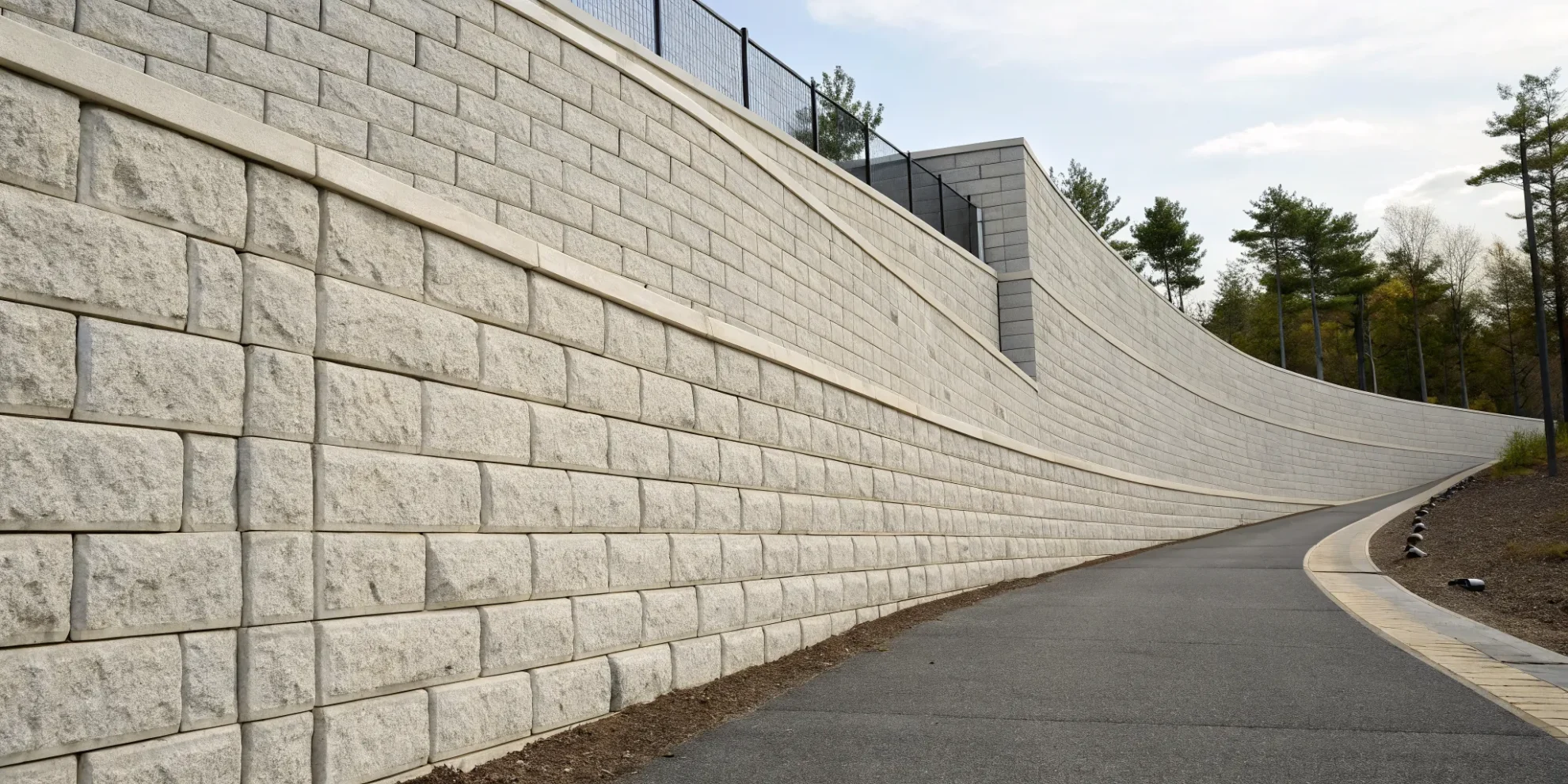
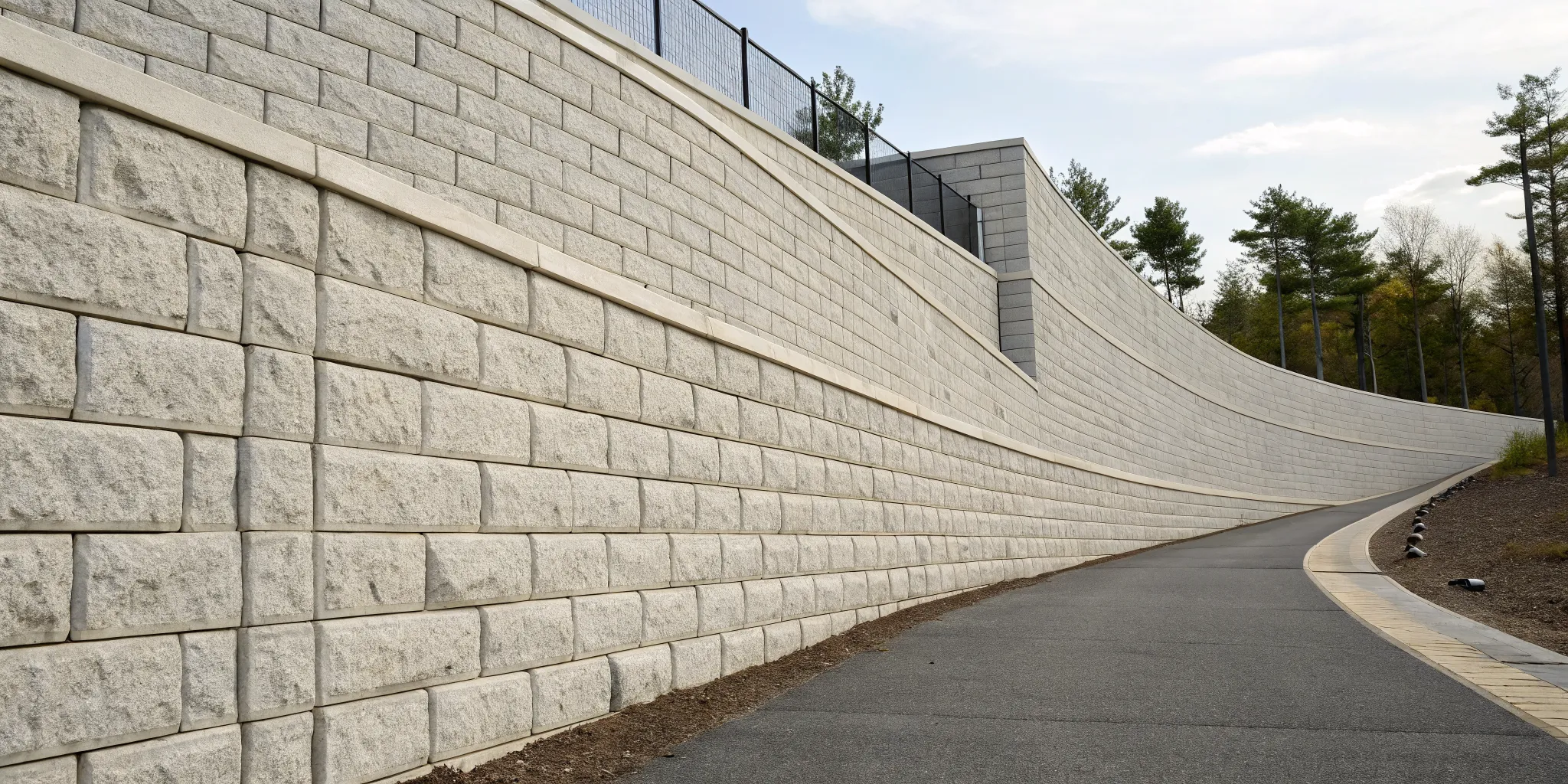
If you’ve ever seen a towering wall holding back a highway embankment or a severely sloped commercial property, you’ve witnessed the power of large retaining wall blocks. These are the heavyweights of the landscaping world, engineered to handle jobs where failure is not an option. Their incredible mass, often weighing thousands of pounds per block, creates a gravity-defying structure that provides unmatched stability. For Central Florida homeowners with challenging terrain, these blocks offer a permanent solution for creating more usable space and preventing soil erosion. Here, we’ll cover the different types of blocks available and where they are best used.
Key Takeaways
- Mass is the Key to Stability: The incredible weight of large retaining wall blocks provides the raw strength needed to manage serious slopes and create tall, durable walls, often without needing complex reinforcement systems.
- A Strong Wall Starts Below Ground: The long-term success of your retaining wall depends on two critical elements: a compacted gravel foundation for support and a well-designed drainage system to relieve water pressure.
- Balance Engineering with Aesthetics: Choosing the right blocks involves matching the material’s strength to your project’s needs while also selecting a texture and color that turns a functional structure into a beautiful landscape feature.
What Are Large Retaining Wall Blocks?
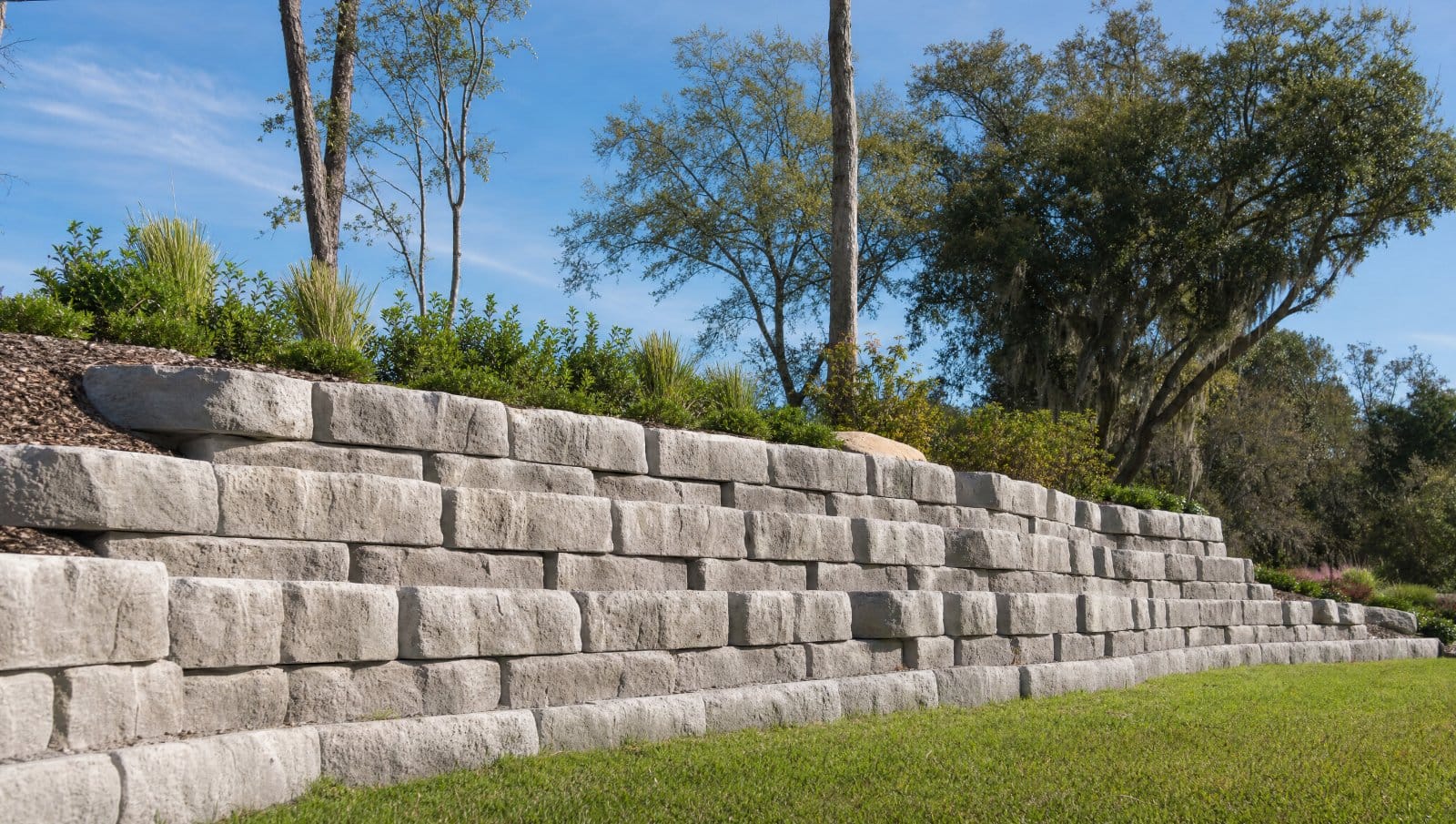
When you’re dealing with significant slopes or need to hold back a serious amount of soil, the small blocks from a big-box store just won’t do the job. That’s where large retaining wall blocks come in. These are massive, precast concrete units engineered for strength and stability. Weighing anywhere from 1,000 to over 4,500 pounds each, these blocks are designed to create incredibly strong, gravity-defying walls that can handle immense pressure. Think of them as the heavyweights of the landscaping world, built for projects that demand serious structural support and long-term performance.
A Look at Different Block Types
Not all large blocks are created equal. They come in several variations, each suited for different needs. You’ll find solid blocks, which are incredibly dense and heavy, offering maximum strength. There are also hollow-core blocks, which are a bit lighter to transport and can be filled with gravel on-site to add mass and improve drainage. The manufacturing process also matters. Wet-cast blocks are made with a liquid concrete mix, resulting in a stronger, less porous block that can be molded with detailed textures to look like natural stone. Dry-cast blocks are more common and functional but typically have a simpler finish. Many of these systems also feature interlocking mechanisms, like pins or grooves, that lock the blocks together for a secure fit.
Where to Use Large Retaining Wall Blocks
You’ll see these impressive blocks used in a wide range of large-scale applications. They are the go-to solution for commercial properties, highway embankments, and shoreline protection projects where failure is not an option. For homeowners in Central Florida, they are perfect for managing steep hillsides, preventing soil erosion, and creating more usable, level space on sloped lots. If you need to terrace a backyard, support a driveway, or manage water runoff on a large property, these blocks provide the necessary muscle. Because of their size and the engineering required, these projects require the expertise of a professional retaining wall contractor to ensure a safe and lasting installation.
Why Choose Large Blocks Over Other Materials?
When you’re planning a retaining wall, you have a lot of material options, from natural stone to smaller concrete blocks. While each has its place, large retaining wall blocks bring a unique combination of strength, efficiency, and lasting beauty to the table. They are engineered to handle significant structural demands while offering a clean, impressive look for both residential and commercial properties. If your project involves managing a serious slope, creating usable tiered land, or simply making a bold statement, understanding the advantages of large blocks is the first step toward a successful build.
Gain Superior Strength and Stability
The secret to a large block retaining wall’s strength is simple: mass. These precast concrete units are incredibly heavy, often weighing between 1,000 and 4,500 pounds each. This sheer weight creates immense stability, allowing you to build taller walls that can hold back serious amounts of soil without needing extra reinforcement. For many projects, a professionally installed large block wall can reach heights of up to 14 feet on its own. This makes them an ideal solution for properties with steep grades or for large-scale land clearing projects that require serious earth retention. Their engineered design ensures they lock together securely, creating a solid, dependable structure that stands strong against the forces of nature.
Enjoy a Faster, More Efficient Installation
You might think that working with such massive blocks would slow a project down, but the opposite is true. Because each block covers a large surface area, far fewer units are needed to build the wall compared to smaller, traditional blocks. This means a skilled crew with the right equipment can complete the installation much more quickly, minimizing disruption to your property. A small, efficient team can often install up to 1,500 square feet of wall face in a single day. This accelerated timeline is a major advantage, especially for commercial projects or homeowners who want their retaining wall installation completed with precision and speed.
Build for Durability and Low Maintenance
Large retaining wall blocks are built to last. Many are made using a wet-cast concrete process, which results in a denser, stronger, and less porous block. This high-quality material is incredibly durable and resists water absorption, which is crucial for longevity in Florida’s humid climate. It means your wall will stand up to the elements for years to come with very little upkeep required. Beyond their structural integrity, these blocks also offer great aesthetic flexibility. They can be manufactured with a variety of textures and colors to mimic the look of natural stone, allowing you to create a beautiful feature that complements your overall hardscaping services and landscape design.
How to Select the Right Retaining Wall Blocks
Choosing the right blocks for your retaining wall is about more than just picking a color you like. The decision impacts the wall’s strength, longevity, and overall look. A successful project starts with selecting blocks that are perfectly suited for your property’s specific needs, from soil conditions to the height of the wall. Think of it as laying the groundwork for a structure that will not only solve an erosion or grading issue but also add significant value and beauty to your landscape.
Making the right choice involves balancing four key elements: the block’s size and design, the material it’s made from, the plan for drainage, and the final aesthetic. Each factor plays a critical role. The size determines the wall’s structural integrity, while the material affects its durability against Florida’s weather. Proper drainage is the secret to preventing wall failure, and the finish is what turns a functional structure into a stunning landscape feature. We’ll walk through each of these considerations to help you understand what goes into building a wall that lasts.
Choose the Right Block Size, Weight, and Design
When we talk about large retaining wall blocks, we mean it. These are massive, precast concrete units that can weigh anywhere from 1,000 to 4,500 pounds each. Their sheer size and weight are what give them the power to hold back immense amounts of soil. The height and load of your planned wall will dictate the necessary block size. A taller wall managing a significant slope requires larger, heavier blocks than a shorter, decorative one. This isn’t a guessing game; it’s a matter of engineering. Selecting the correct block is the first step in a professional retaining wall installation that ensures your wall is both safe and effective for years to come.
Match the Material to Your Project’s Needs
While large retaining wall blocks are typically made of high-strength precast concrete, they come in a surprising variety of styles. The material you choose should stand up to the demands of your project and the Central Florida climate. Concrete is an excellent choice for its durability and resistance to moisture and pests. You don’t have to settle for a plain industrial look, either. Modern manufacturing allows for a wide range of colors and textures that can mimic the appearance of natural stone, timber, or classic brick. The key is to select a material that provides the necessary structural support while also complementing your property’s existing hardscaping and landscape design.
Plan for Proper Drainage
Proper drainage is one of the most critical, yet often overlooked, aspects of a retaining wall’s success. Without a way for water to escape, hydrostatic pressure builds up behind the wall, pushing against it with incredible force. This is a leading cause of wall failure. A well-designed wall must include a system to manage water, which starts with a proper base of compacted gravel and often includes perforated pipes or weep holes. Integrating effective landscape drainage solutions from the very beginning will protect your investment and prevent bowing, cracking, or total collapse down the road. It’s a non-negotiable step for a stable, long-lasting wall.
Explore Aesthetic and Finish Options
Your retaining wall doesn’t have to be purely functional. Large blocks offer a fantastic canvas to enhance your landscape’s visual appeal. They are available in many textures and finishes, from the rugged look of natural Ledgestone or Limestone to sleek, smooth faces perfect for a modern aesthetic. You can also choose from a variety of colors to match your home or other outdoor features. The right finish can transform a retaining wall from a simple necessity into a beautiful, intentional part of your landscape design. Think about how the wall will integrate with surrounding gardens, patios, or walkways to create a cohesive and polished look.
Finding the Best Retaining Wall Solutions
Choosing the right retaining wall involves more than just picking a block you like. It’s about finding a complete solution that includes the best materials for your specific landscape and the right team to put it all together. Different brands offer unique advantages, from massive, gravity-defying blocks to systems with extensive engineering support. Let’s look at a few top contenders in the industry and what makes professional installation so important.
The DeAngelos Difference: Professional Installation
When you’re working with large retaining wall blocks, this isn’t a weekend DIY project. These blocks are incredibly heavy and require heavy machinery, like excavators, and a skilled crew to place them correctly and safely. A proper retaining wall installation ensures your wall is built on a solid foundation with the right drainage to stand the test of time. Our team has the experience and equipment to manage these large-scale projects, making sure every block is perfectly set for maximum stability and a flawless finish.
Understanding Redi-Rock Gravity Systems
If you’ve seen a massive retaining wall holding back a serious slope, there’s a good chance it was made with Redi-Rock. These are true heavyweights in the industry. Redi-Rock’s gravity systems use giant, interlocking concrete blocks that rely on their sheer mass to hold back the earth. They are an excellent choice for securing landscapes, stabilizing soil on hillsides, and creating more usable, level ground on your property. Their size and engineering make them a go-to for projects that demand serious strength.
Exploring Allan Block Engineering
Allan Block is another leading name, known for its versatile systems and incredible engineering support. One of the biggest advantages of using their products is the peace of mind that comes with their technical resources. Certified installers can even submit wall designs directly to Allan Block’s experts for review to ensure the plan is structurally sound and safe. This extra layer of verification is invaluable for complex projects, guaranteeing that your wall is designed to perform exactly as it should for years to come.
Considering Belgard’s Commercial Options
You might know Belgard for its popular patio pavers, but they also offer robust commercial-grade retaining wall systems. While some of their smaller blocks are designed to be user-friendly, their large-scale options are built for significant structural support and durability. These systems are engineered to handle the heavy loads required for commercial properties or challenging residential landscapes. For these larger projects, professional installation is essential to ensure the wall performs safely and effectively, giving you a beautiful and long-lasting hardscaping feature.
What Does Installation Require?
Building a retaining wall with large blocks is a serious construction project that requires precision, the right equipment, and a deep understanding of soil and water. From site prep to the final block, every detail matters for creating a wall that is beautiful, structurally sound, and built to last.
Why You Need Professional Installers and Heavy Equipment
This is not a weekend DIY project. Large retaining wall blocks are incredibly heavy and require specialized machinery like excavators to move safely. Professional excavation services bring both the equipment and the expertise for the job. A skilled team ensures every block is perfectly placed, which is critical for the wall’s strength. Relying on professionals for your retaining wall installation means the structure is built correctly and safely from the start.
Prepare Your Site: The Engineering Essentials
Proper planning is key to a long-lasting retaining wall. For taller structures or walls on complex terrain, a professional engineer’s design is a must. An engineer assesses the soil, slope, and load the wall needs to bear, creating a blueprint for a safe and stable structure. This expert oversight ensures your wall can handle immense pressure from the earth behind it. This step is as fundamental as the planning for any land clearing project and guarantees your wall is built to last.
Build a Solid Foundation and Base
A retaining wall is only as strong as its foundation. Before placing any blocks, a solid base must be built by digging a trench and filling it with compacted gravel. This base provides a level surface and is essential for drainage. A weak or improperly prepared base is a primary reason retaining walls fail, leading to shifting and settling. Professionals know how to create a foundation that is correctly sized and compacted to support the full weight of your wall, ensuring its stability.
Implement an Effective Drainage System
Water pressure is a retaining wall’s biggest threat. Without proper drainage, trapped water creates powerful pressure that can cause the wall to fail. An effective drainage system is essential, usually involving backfill with gravel and a perforated pipe to carry water away. Integrating these landscape drainage solutions is a critical part of the installation. It protects your investment by relieving pressure and ensuring your wall stands strong through Florida’s heavy rains.
Common Retaining Wall Mistakes to Avoid
Building a retaining wall is a major project, and you want it to last for decades. While large blocks provide incredible strength, the success of your wall depends entirely on proper installation. Even the best materials can fail if the process is flawed. Unfortunately, a few common missteps can turn a great investment into a future headache. Understanding these potential issues ahead of time is the best way to ensure your wall is built correctly from the ground up. Let’s look at the three most critical mistakes to avoid.
Mistake #1: Neglecting Drainage
One of the biggest enemies of a retaining wall is water pressure. When soil behind the wall becomes saturated, it gets heavy and exerts immense force, a phenomenon known as hydrostatic pressure. Without a way for this water to escape, it will push against the blocks, causing them to lean, crack, or even collapse. This is why effective drainage solutions are not just an add-on; they are essential to the wall’s integrity. A professional installation always includes a drainage system, such as a gravel backfill and a perforated pipe at the base, to channel water away safely. This simple step prevents pressure buildup and protects your wall from failure.
Mistake #2: Preparing the Base Incorrectly
A retaining wall is only as strong as its foundation. The sheer weight of large blocks requires an incredibly stable and well-prepared base to sit on. Simply clearing the ground and setting the first course of blocks is a recipe for disaster. Over time, a weak base will shift and settle unevenly, causing the entire wall to tilt and fail. Proper base preparation involves excavating a trench below the frost line, filling it with compacted aggregate (like crushed stone), and ensuring it is perfectly level. This creates a solid footing that can support the massive load above it and prevent movement for years to come.
Mistake #3: Skipping Professional Engineering
While it might be tempting to tackle a retaining wall project yourself, walls over a few feet high require serious engineering. Large retaining walls must handle immense soil pressure, and designing them involves complex calculations related to soil type, slope, and water drainage. An experienced retaining wall contractor understands these forces and knows how to build a structure that can safely withstand them. Professionals ensure the design meets local building codes and is appropriate for your specific property. Trying to cut corners by skipping expert installation often leads to a failing wall that is far more difficult and disruptive to fix later.
How to Source Your Retaining Wall Blocks and Expertise
A successful retaining wall project comes down to two things: quality materials and skilled installation. Finding the right source for both is the most important step you can take to ensure your wall is strong, beautiful, and built to last. Whether you’re tackling a commercial development or a large residential project, knowing where to find your blocks and who to trust for the build will make all the difference. It’s about more than just stacking blocks; it’s about creating a durable, engineered structure that protects your property and enhances its value.
Sourcing isn’t just about finding a quick fix. It’s about finding the right option. The blocks you choose will determine the wall’s appearance and its ability to withstand immense pressure from soil and water. The expertise you hire will determine whether that wall is constructed to proper engineering standards, ensuring it won’t fail when you need it most. A poorly sourced project can lead to cracks, bulges, or even a complete collapse, creating a safety hazard and a significant headache. By focusing on quality from the start, you invest in the long-term stability and appeal of your landscape.
Find Quality Material Suppliers
The strength and longevity of your retaining wall start with the blocks you choose. Sourcing high-quality materials is non-negotiable. Look for local suppliers who offer a wide variety of block types, sizes, and styles to match your project’s specific engineering and aesthetic needs. A good supplier can provide materials that are proven to withstand Florida’s climate, from heavy rains to intense sun. Taking the time to find the right partner for materials ensures you’re building on a solid foundation. A helpful buying guide can point you toward suppliers that align with your project requirements, helping you make an informed decision from the start.
The Value of Professional Installation Services
While a small garden wall might seem like a weekend DIY, large-scale retaining walls require serious expertise. Professional installers bring the knowledge and heavy equipment necessary to do the job safely and correctly. They understand local building codes, proper site preparation, and the critical role of drainage. Working with an experienced team for your retaining wall installation helps you avoid the common mistakes that can lead to wall failure. Professionals ensure every step, from laying the base course to backfilling, is handled with precision, giving you a structure that is both functional and secure for years to come.
Plan Ahead for Large-Scale Projects
For any major construction, planning is your best friend. When it comes to large retaining walls, thinking ahead can have a significant impact on your project’s timeline and flow. By sourcing your materials and scheduling your installation team well in advance, you can avoid potential delays caused by supply chain issues or scheduling conflicts. This foresight allows for a smoother process from start to finish. It also gives you and your installation team ample time to review engineering plans, prepare the site, and ensure every detail is accounted for before the first block is ever laid.
Understanding the Long-Term Benefits of Large Blocks
When you’re planning a major landscape project, it’s important to think about long-term performance. Choosing large retaining wall blocks is an investment in your property’s future, offering a unique combination of strength, efficiency, and durability that smaller materials often can’t match. Understanding these advantages helps you make a confident decision that adds lasting value and stability to your landscape. It’s about building something that not only looks great today but also stands strong for years to come.
Comparing Materials: Large Blocks vs. Other Options
So, what makes large blocks different? It comes down to size and weight. These aren’t your average pavers. We’re talking about massive, precast concrete units, each weighing anywhere from 1,000 to 4,500 pounds. This incredible mass is their power. Unlike smaller blocks that rely on complex interlocking systems, large blocks use sheer weight to hold back soil. Some are solid for maximum heft, while others are hollow and can be filled with gravel for extra stability and drainage. This makes them a fundamentally stronger solution for serious retaining wall installation.
What to Expect for Labor and Equipment
Given their size, installing large retaining wall blocks is a job for the pros. This is not a weekend DIY project. Safely placing these blocks requires heavy machinery, like excavators, and a skilled crew. While that might sound intense, it makes the process incredibly efficient. An experienced team can install up to 1,500 square feet of wall in a single day. This speed means less disruption to your property and a much faster project timeline compared to building a wall piece by piece.
Reaping the Rewards of Long-Term Performance
The real payoff for choosing large blocks becomes clear over time. Their weight provides exceptional stability, allowing you to build taller, stronger walls without needing extra reinforcements like geogrids. This inherent strength means less worry about shifting or failure down the line. While the blocks are a significant part of the project, the faster installation often leads to savings in labor. When you combine that efficiency with their incredible durability and low maintenance needs, you get a retaining wall built for lasting performance and peace of mind.
How to Maintain Your Retaining Wall
A retaining wall built with large blocks is designed for the long haul, but a little attention goes a long way in preserving its strength and appearance. Think of it like any other significant feature of your property; proactive care helps prevent bigger headaches down the road. While these walls are incredibly low-maintenance, they aren’t “no-maintenance.” Regular check-ins ensure that your wall continues to perform its job flawlessly for years, protecting your landscape from erosion and creating usable, level ground.
The two main components of retaining wall care are simple: consistent inspections and timely repairs. By regularly walking the length of your wall and keeping an eye out for small changes, you can catch potential issues before they become serious. This includes checking on the drainage system, clearing away debris, and watching for any shifts or cracks. When you do spot something amiss, addressing it quickly is the key to protecting your investment and ensuring the wall’s structural integrity. A well-maintained wall not only functions better but also continues to add value and beauty to your landscape for decades.
Your Guide to Regular Inspections and Upkeep
Making inspections a regular part of your property care routine is the best way to keep your retaining wall in top shape. At least a couple of times a year, take a walk along your wall and look for any changes. Check for new cracks, leaning, or bulging in the blocks. Also, pay close attention to the area around the wall. Make sure the ground at the base and top of the wall hasn’t shifted significantly. Keeping the wall’s drainage system clear is also critical. Remove any leaves, dirt, or debris that could clog weep holes or gravel drains, as proper drainage solutions are essential for preventing water pressure buildup.
How to Address Common Issues and Repairs
If your inspection turns up a potential problem, it’s best to act sooner rather than later. Small issues, like a minor crack or a clogged drain, can often lead to bigger structural problems if ignored. Watch for signs of wear, such as widening cracks, water seeping through the face of the wall where it shouldn’t, or any noticeable movement. While you can handle basic cleaning and debris removal yourself, structural concerns are a different story. If you see any signs of bulging or shifting, it’s time to call in the experts. A professional can assess the situation and determine if reinforcement or other repairs are needed for your retaining wall installation.
Related Articles
- Interlocking Retaining Wall Blocks: A Complete Guide
- 12 Smart Cinder Block Retaining Wall Ideas
- How to Build a Retaining Wall with Concrete Blocks
- Retaining Wall Installation 101: The Ultimate Guide
Frequently Asked Questions
How tall can you build a retaining wall with these large blocks? The height of a large block retaining wall depends entirely on a professional engineering plan tailored to your property. However, their incredible weight and size mean they are specifically designed for significant heights. With the right design and installation, these gravity-based systems can often reach heights of 14 feet or more without needing additional reinforcement, making them perfect for managing serious slopes.
Is professional engineering really necessary for every retaining wall? For any wall over a few feet high or a wall supporting a critical structure like a driveway, professional engineering is absolutely essential. It’s about safety and long-term stability. An engineer analyzes your specific soil conditions, the slope, and water flow to create a design that can safely handle the immense pressure behind the wall. Skipping this step is one of the biggest risks you can take with a project of this scale.
What makes drainage so important for a retaining wall? Water is incredibly heavy, and when it gets trapped in the soil behind a retaining wall, it exerts a powerful force that can push the wall over. A proper drainage system, which includes a gravel backfill and pipes, acts as a release valve. It gives that water a path to escape, relieving the pressure and preventing your wall from bowing, cracking, or failing completely. It’s the single most important factor in a wall’s longevity.
How long does a large block retaining wall typically last? When you use high-quality materials and ensure the installation is handled by experienced professionals, a large block retaining wall is built to last for decades. Its lifespan is directly tied to the quality of its construction, especially the foundation and drainage system. By investing in a proper build from the start, you are creating a permanent landscape feature that will perform for years with very little upkeep.
Can I choose different looks or styles for these large blocks? Absolutely. These blocks are not just about function; they can be a beautiful part of your landscape design. Manufacturers offer a wide variety of textures and colors that mimic the appearance of natural materials like limestone or stacked slate. You can choose a finish that complements your home’s style, whether you prefer a rugged, natural look or a clean, modern aesthetic.