Your Guide to Interlocking Retaining Wall Blocks
A retaining wall is much more than just a functional barrier; it’s a powerful design element that can completely reshape your property’s character. It can turn a steep, unusable slope into a stunning multi-level garden or create a grand, level space for a new patio. The key to achieving this transformation lies in choosing the right materials. With their huge variety of colors, textures, and sizes, interlocking retaining wall blocks give you the creative freedom to build a structure that perfectly complements your home’s style. Whether you want a rustic, natural stone look or a sleek, modern finish, these versatile blocks provide the foundation for beautiful and practical hardscaping.
Key Takeaways
- Prioritize a solid foundation and proper drainage above all else: A retaining wall’s strength comes from its unseen elements, including a compacted base and a clear path for water to escape, which prevents pressure buildup and failure.
- Partner with a professional to guarantee structural integrity: The success of a retaining wall lies in the details of its construction. An expert ensures every step, from site excavation to the final block placement, is done correctly to prevent future leaning, bulging, or collapse.
- Choose the right block for both strength and style: Your wall’s height and the pressure it will hold determine the necessary size and weight of the blocks. Once those functional needs are met, you can select a color and texture that complements your home’s aesthetic.
What Are Interlocking Retaining Wall Blocks?
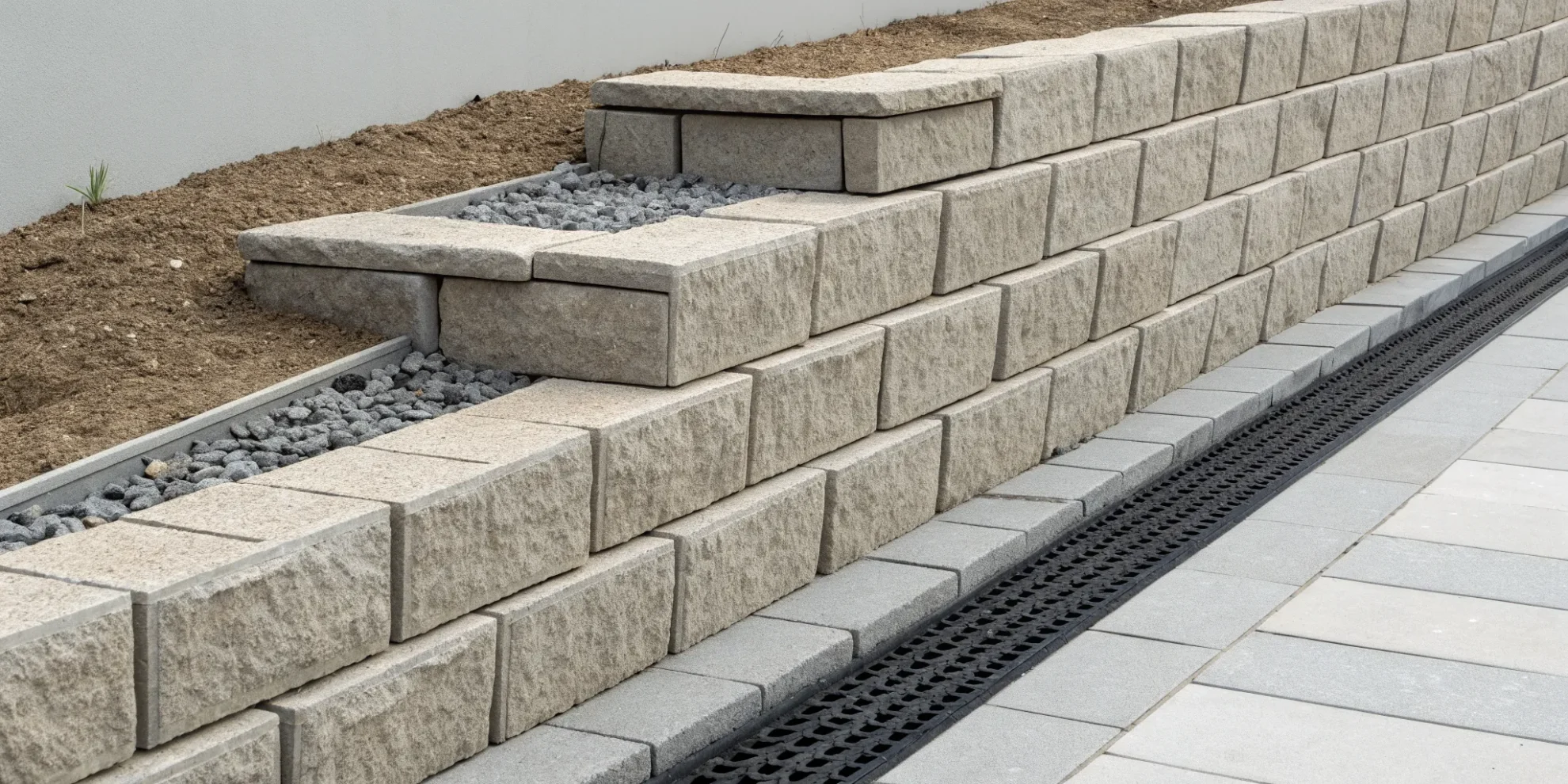
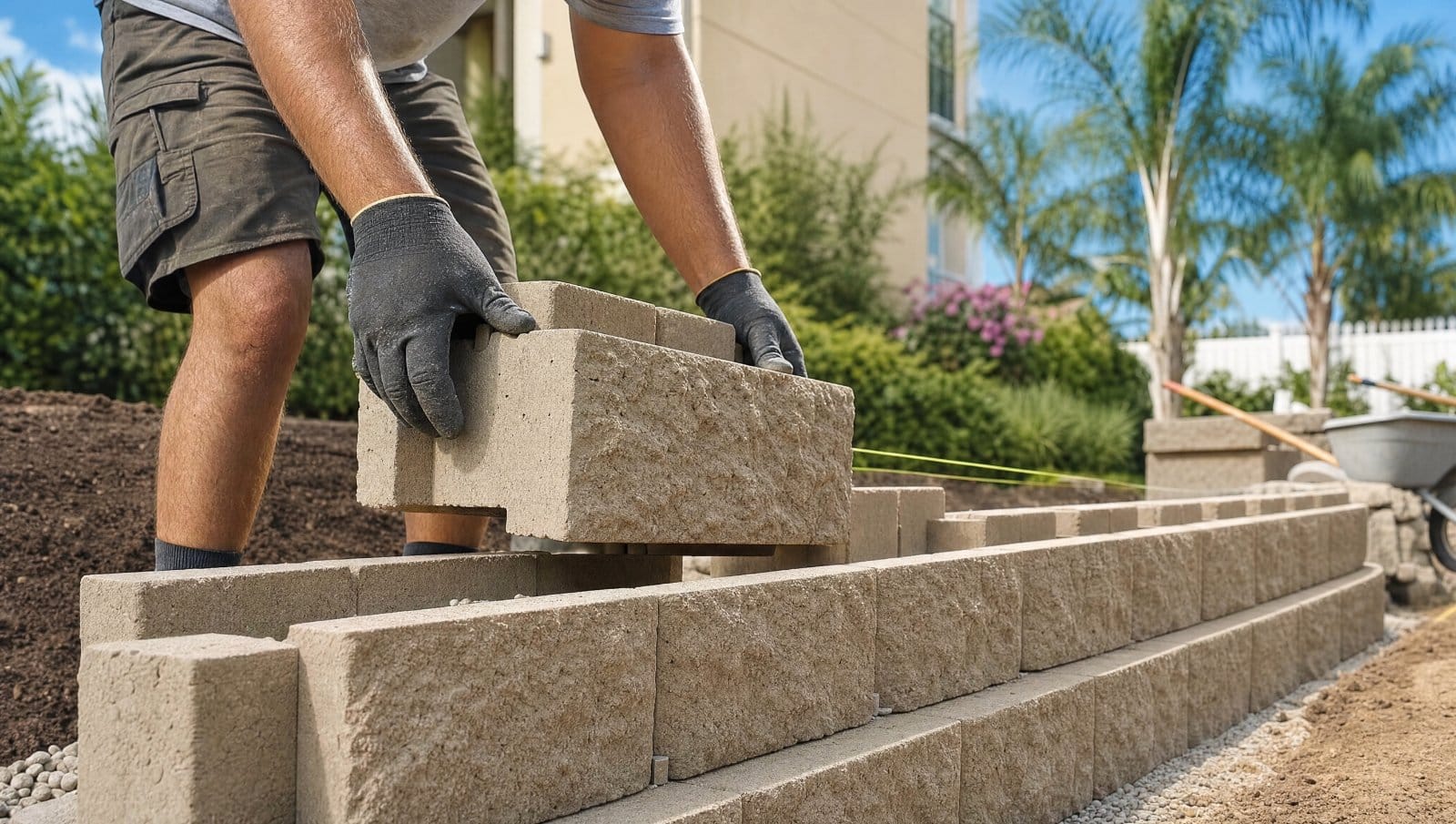
If you’re looking for a way to manage a sloped yard or add dimension to your garden, you’ve likely considered a retaining wall. Interlocking retaining wall blocks are a fantastic, modern solution for these projects. Think of them as sophisticated, life-sized building blocks for your landscape. They are specially engineered concrete units that connect without any messy mortar. Instead, they use a clever system of pins or a built-in tongue-and-groove design to lock together securely. This gravity-based system creates a strong, stable wall perfect for everything from controlling soil erosion to building beautiful, raised garden beds.
How the Interlocking System Works
The magic of these blocks is in their design. Each block has a feature, like a small lip on the back or holes for special pins, that allows it to connect securely with the blocks above and below it. As you stack them, this interlocking mechanism creates a tight bond. The weight of the blocks themselves, combined with the soil behind the wall, adds to the structure’s stability. This mortar-free method makes for a cleaner and often quicker installation process. A professional retaining wall installation ensures every block is perfectly aligned and the base is properly prepared, giving you a wall that’s built to last.
Key Advantages for Your Landscape
Beyond their clever design, interlocking blocks offer some great benefits for your property. First, they are incredibly durable. Made from high-strength concrete, they are built to withstand Florida’s intense sun, heavy rains, and humidity without breaking down. They also offer amazing versatility. With a huge variety of shapes, sizes, colors, and textures available, you can create a wall that perfectly complements your home’s style. Whether you’re building a straight wall, a curved garden bed, or a complex tiered system, these blocks can handle it, making them a cornerstone of modern hardscaping services.
What to Look for in a Quality Interlocking Block
When you’re planning a retaining wall, the blocks you choose are the foundation of your project’s success. But with so many options out there, how do you know which ones are right for you? It’s about more than just looks. A quality interlocking block combines strength, smart design, and resilience. Let’s walk through the key features to look for to ensure your wall is not only beautiful but also built to last for years to come.
Durable Materials Built to Last
The strength of your retaining wall starts with the material of the blocks themselves. Look for blocks made from high-density, solid concrete. This ensures they can withstand the immense pressure from the soil they are holding back. Quality interlocking blocks feature a built-in connection system, like a tongue-and-groove or pin design. This clever engineering allows the blocks to lock together securely without mortar, relying on gravity to create an incredibly strong and stable structure. This design is essential for a durable wall that can handle shifting soil and ground pressure. A professional retaining wall installation ensures these powerful blocks are set perfectly for maximum strength.
The Right Size, Weight, and Style
Interlocking blocks come in a wide array of shapes, sizes, colors, and textures, from a natural split-face look to a more modern, smooth finish. This variety allows you to choose a style that perfectly complements your home and landscape. But size and weight are about more than just appearance; they are critical for the wall’s function. Taller walls that need to hold back more soil require larger, heavier blocks for stability. Shorter, decorative garden walls might allow for smaller, more manageable blocks. Selecting the right block is a key part of the overall landscape design, balancing aesthetics with the structural demands of your specific property.
Smart Features for Drainage and Installation
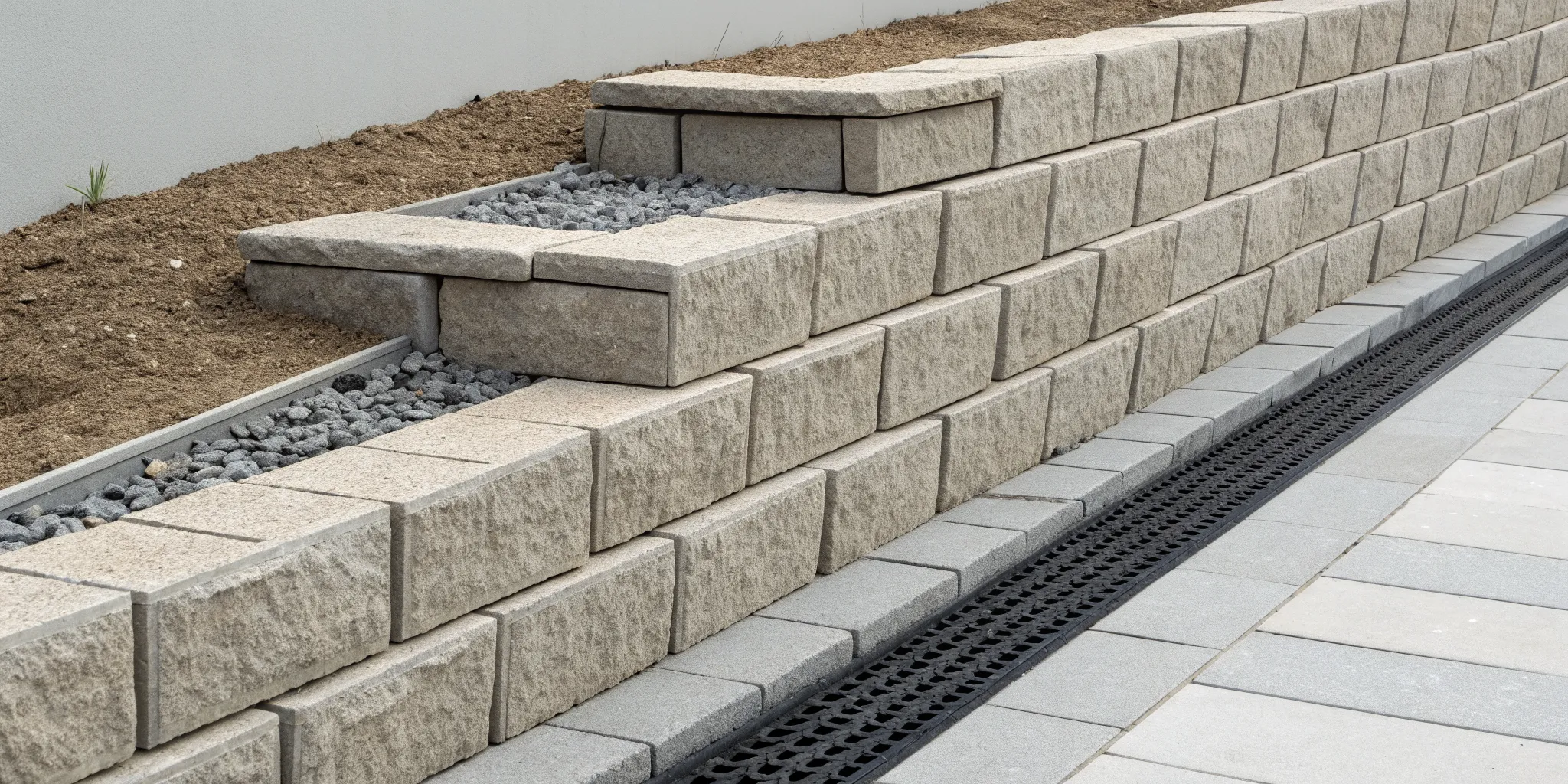
Water is the number one enemy of a retaining wall. Without a way for water to escape, hydrostatic pressure can build up behind the wall, causing it to bulge, crack, or even fail. A well-designed system always includes proper drainage. This starts with a solid gravel base and gravel backfill behind the wall, which allows water to flow down freely. A perforated drainage pipe at the base then carries that water away safely. Some blocks are even designed with cores or channels that can be filled with gravel to improve drainage throughout the structure. Pairing quality blocks with professional drainage solutions is the best way to protect your investment.
Resistance to Florida’s Weather
Here in Central Florida, our building materials face a unique set of challenges, from intense UV rays and heavy rainfall to high humidity. Quality interlocking blocks are manufactured to withstand this environment. They are made with durable concrete mixes and colorants that resist fading in the bright sun, so your wall’s color stays true. They are also designed to handle large amounts of moisture without crumbling or deteriorating. A well-built retaining wall is a formidable defense against soil erosion, especially during our stormy seasons. This resilience is key to ensuring your landscape holds up after a major weather event and simplifies any necessary storm damage cleanup.
Top Brands and Why Professional Installation Matters
Choosing the right brand of interlocking blocks is a great first step, but it’s only half the equation. The real success of a retaining wall lies in its construction. Even the highest-quality materials can fail if the base isn’t prepared correctly or if drainage isn’t properly managed. A professional installation ensures your wall is not only beautiful but also structurally sound and built to withstand Florida’s unique weather for years to come. It’s about turning a challenging slope into a safe, functional, and beautiful space for your family to enjoy. When you partner with experts, you get the peace of mind that every layer, from the hidden foundation to the final capstone, is set for maximum stability and longevity. This attention to detail is what separates a temporary fix from a permanent landscape solution.
The Deangelos Land Services Difference
We believe a great retaining wall does more than just hold back soil; it transforms your property. Our approach combines top-tier materials with expert craftsmanship to create walls that are both durable and stunning. We handle every detail, from excavating the site and preparing a solid foundation to ensuring perfect alignment and drainage. With a focus on quality and longevity, our team builds retaining walls that solve landscape challenges and add lasting value to your home or business. We’re committed to creating functional outdoor spaces where you can make memories for years to come.
A Look at Pavestone Block Systems
Pavestone is a widely recognized name in the hardscaping world, and for good reason. Their interlocking retaining wall blocks are designed for both strength and straightforward installation, making them a popular choice. You’ll find a variety of textures, colors, and sizes that can complement almost any landscape design. Because they are engineered for durability, Pavestone blocks are a reliable option for building everything from simple garden borders to more complex, engineered walls. Their consistent quality makes them a dependable foundation for many hardscaping projects.
Exploring Belgard Hardscapes
If aesthetics are high on your list, Belgard is a brand worth exploring. They offer a sophisticated range of retaining wall systems that blend beauty with function. Belgard’s products are known for their rich colors and varied textures, which can mimic the look of natural stone. Beyond their appearance, these blocks are engineered to create strong, stable walls that effectively manage sloped terrain and can help address drainage issues. This combination of visual appeal and performance makes Belgard a top choice for creating elegant, high-end outdoor living spaces that feel both custom and timeless.
Understanding Unilock Products
Unilock is another industry leader, known for its commitment to innovation and strength. Their retaining wall blocks are manufactured with advanced technology to ensure they stand up to the elements and resist fading over time. Unilock offers a diverse selection of styles, from sleek and modern to rustic and classic, allowing for complete design flexibility. Whether you’re building a small garden wall or a large, structural retaining system, their products provide the integrity needed for a long-lasting and secure installation that enhances your landscape’s usability and appeal for decades.
The Allan Block Engineering System
Allan Block is a name synonymous with performance and engineering. Their interlocking systems are designed with a hollow-core design, which makes them lighter and easier to handle during installation while providing excellent drainage capabilities. These walls are engineered for long-term stability and require minimal maintenance once properly constructed. The built-in features of the Allan Block system, like the front lip that ensures a proper setback, help create a strong, reliable wall. When installed correctly, an Allan Block wall is a lifetime investment in your property’s safety and beauty.
How to Choose the Right Blocks for Your Project
Picking the right interlocking blocks for your retaining wall goes beyond just choosing a color you like. It’s a decision that impacts the wall’s strength, longevity, and safety. You need to think about the specific job your wall needs to do, how it will look with your home, and what it takes to build it correctly from the ground up. Let’s walk through the key factors to consider so you can feel confident in your choices.
Assess Your Wall’s Height and Load
The height of your planned wall is the first thing to figure out, as it directly influences the type of block you’ll need. Shorter, decorative walls under a few feet have different requirements than taller, structural walls that hold back a significant amount of soil. The load, or the amount of pressure the wall will endure from the earth behind it, is also a critical factor. A wall supporting a simple garden bed faces much less pressure than one holding up a sloped yard next to a driveway. Taller and heavier-duty walls require larger, heavier blocks with more robust interlocking mechanisms to ensure they stay put for years to come. A professional can help you assess the specific engineering needs for your property.
Match Your Property’s Aesthetic
A retaining wall should be a beautiful addition to your landscape, not just a functional necessity. The right blocks can complement your home’s architectural style and enhance your property’s curb appeal. Think about the overall look you want to achieve. Do you prefer a modern, clean-lined appearance or a more rustic, natural stone look? Interlocking blocks come in a huge variety of colors, textures, and shapes, allowing you to match them to your home’s siding, your patio pavers, or other elements in your yard. Considering how the wall integrates with your overall hardscaping design ensures a cohesive and polished final result that you’ll love looking at every day.
Plan for the Proper Foundation
A retaining wall is only as strong as its foundation. Without a solid base, even the best blocks will eventually shift, bulge, or fail. The biggest mistake you can make is skimping on this crucial first step. A proper foundation starts with digging a trench to the correct depth and width, followed by laying and compacting a base of crushed stone. This creates a stable, level surface that prevents settling over time. The size of your blocks and the height of your wall will determine the exact specifications for the foundation. Proper site preparation often requires professional excavation services to ensure the base is perfectly prepared for a long-lasting wall.
Understand Local Building Codes
Before you even break ground, it’s important to know the local rules. Many cities and counties in Central Florida have building codes that regulate the construction of retaining walls, especially those over a certain height (often around four feet). These regulations are in place for safety and may require permits, inspections, or even a plan from a licensed engineer. Trying to handle this on your own can be confusing and time-consuming. Working with an experienced retaining wall contractor is the best way to ensure your project complies with all local requirements in areas like Lake Mary or Orlando, saving you from potential headaches and ensuring your wall is built safely and correctly.
Common Installation Mistakes to Avoid
Building a retaining wall with interlocking blocks might seem like putting together a life-sized puzzle, but it’s a project where precision is everything. Even small missteps during installation can lead to big problems down the road, like bulging, leaning, or a complete collapse. A well-built wall is an investment in your property’s safety and beauty, so getting it right the first time is essential. When you see a failing wall, it’s rarely because the blocks themselves were faulty; it’s almost always due to an error during construction.
Many of the most common issues stem from rushing the early stages of the project. From preparing the ground to planning for Florida’s heavy rains, each step builds upon the last. Overlooking a single detail can compromise the entire structure. That’s why understanding these potential pitfalls is so important. Knowing what can go wrong helps you prevent it from happening. Whether you’re considering a DIY project or hiring a professional, being aware of these common mistakes ensures your finished wall is strong, stable, and looks great for years to come. A professional retaining wall installation handles these critical details for you, avoiding the guesswork and ensuring a secure, long-lasting result.
Inadequate Base Preparation
Think of the base of your retaining wall as its foundation. If the foundation isn’t solid, the whole structure is at risk. One of the most frequent mistakes is not digging deep enough or failing to properly compact the base material. Skimping on this step can cause the wall to settle unevenly, shift, or lean over time. A proper base requires excavating a trench, filling it with crushed stone, and using a tamper to create a dense, level surface. This solid footing is what provides the stability needed to support the weight of the blocks and the soil behind them.
Forgetting Proper Drainage
Water is the number one enemy of a retaining wall. Soil gets heavy when it’s saturated, and the resulting pressure (called hydrostatic pressure) can easily push a wall over. A common and critical error is failing to include a drainage system. Retaining walls are meant to hold back soil, not water. To prevent water buildup, you need to give it a way to escape. This is typically done by placing a layer of gravel behind the wall and installing a perforated pipe at the base to channel water away. Proper drainage solutions are non-negotiable for a long-lasting wall.
Poor Block Placement and Alignment
A retaining wall that leans or looks uneven is often the result of poor block placement, which usually starts with the very first row. If the base course isn’t perfectly level, every subsequent layer will be off, and the error will become more obvious as the wall gets taller. Each block needs to be set firmly and checked with a level. It’s also crucial to stagger the joints between blocks from one row to the next, just like in a brick pattern. This interlocking method is what gives the wall its strength and prevents weak points from forming.
Misjudging Soil Conditions
Not all soil is created equal. The type of soil on your property plays a huge role in how your retaining wall should be designed and built. For example, sandy soil drains well but can be less stable, while clay soil expands and contracts dramatically with moisture changes, putting immense pressure on a wall. A wall must be engineered to handle the specific weight and properties of the soil it’s holding back. A professional soil assessment is key to understanding these conditions and ensuring your retaining wall has the right reinforcement to stand strong against the forces of nature.
How to Maintain Your Interlocking Retaining Wall
Interlocking retaining walls are designed for durability, but a little proactive care can ensure they stay strong and beautiful for years to come. Regular maintenance helps you spot potential issues before they become major problems, protecting the investment you’ve made in your landscape. By following a few simple steps each season, you can keep your wall in top condition and preserve its structural integrity.
Perform Regular Inspections and Cleaning
Making a habit of inspecting your retaining wall is the best way to catch issues early. At least a few times a year, and especially after heavy rain, take a walk along the length of your wall. Look closely for any signs of stress, like cracks in the blocks, noticeable bulging, or any sections that appear to be leaning. Check for loose materials or blocks that have shifted out of place.
For cleaning, a stiff brush and water are usually all you need to remove dirt and grime. If you notice moss or mildew, a gentle scrub will help prevent moisture from sitting on the block surface. Keeping the wall clean not only improves its appearance but also makes it easier to spot any underlying problems during your inspections.
Keep the Drainage System Clear
Proper drainage is the single most important factor in a retaining wall’s longevity. Water buildup behind a wall creates immense pressure, which is a leading cause of failure. Your wall’s drainage system, including the gravel backfill and any built-in weep holes, is designed to relieve this pressure by giving water an escape route.
Make sure these drainage points don’t get clogged with leaves, soil, or other debris. You can usually clear out weep holes with a small tool or a blast of water from a hose. Ensuring your property has effective drainage solutions overall will also help manage water flow and protect your hardscaping features from excess moisture and pressure.
Manage Weeds and Overgrowth
While a bit of greenery can soften the look of a wall, you should eliminate weeds regularly to prevent them from compromising its integrity. When weeds take root in the small crevices between blocks, their root systems can expand and push the blocks apart. This can weaken the interlocking connections and create instability over time.
It’s best to pull weeds by hand as soon as you spot them. Try to avoid using harsh chemical weed killers, as they can sometimes stain or damage the concrete blocks. Also, be mindful of nearby shrubs and trees. Keep them trimmed back so their roots and branches don’t put unnecessary pressure on the wall structure.
Know When to Call for Repairs
While minor upkeep is manageable, some issues require a professional eye. If you notice significant problems during your inspection, it’s important to consult an expert. Major red flags include a wall that is leaning or bulging, multiple blocks shifting out of alignment, or long, deep cracks forming. These are often signs of a deeper issue with the wall’s foundation or drainage system.
Don’t wait for the problem to get worse. Addressing structural concerns early can prevent a more complex and involved repair down the road. If you see any of these warning signs, getting a professional retaining wall installation team to assess the situation is the safest next step.
Related Articles
Frequently Asked Questions
Why are interlocking blocks a better choice than a traditional mortared wall? Interlocking blocks offer a modern advantage in flexibility and durability. Unlike rigid mortared walls that can crack under pressure from shifting soil, interlocking systems are designed to have a small amount of give. This allows the wall to adapt to ground movement without failing. The mortar-free design also inherently helps with water drainage, which is a huge benefit for preventing the pressure buildup that can damage a wall over time.
How high can I build a retaining wall with these blocks? The maximum height depends entirely on the project’s specific engineering. While you can build shorter, decorative garden walls fairly easily, any wall over a few feet tall is holding back a tremendous amount of weight. Taller walls require larger blocks, reinforcement, and a design prepared by an expert to ensure they are safe and stable. For significant slopes, it’s always best to consult with a professional.
Can I install an interlocking retaining wall myself? While it might look like a straightforward project, a successful retaining wall depends on details that are easy to get wrong. The most critical steps, like excavating and compacting a perfectly level base and installing a robust drainage system, require precision and the right equipment. Mistakes in these early stages can lead to wall failure, so professional installation is the best way to ensure your wall is safe and built to last.
How long will an interlocking retaining wall last? When high-quality blocks are used and the wall is installed correctly, it can last for many decades. The longevity of the wall is almost entirely dependent on its construction. A wall with a deep, compacted foundation and a well-designed drainage system will stand strong against soil pressure and Florida’s weather, becoming a permanent and valuable feature of your property.
Do I need a permit to build a retaining wall in Central Florida? It’s very likely, especially if your wall is over a certain height. Most cities and counties, including those around Lake Mary and Orlando, have building codes that require a permit for walls taller than three or four feet. These rules are in place to ensure safety. An experienced contractor will know the specific requirements for your area and can handle the permitting process for you.