
Laying Pavers Without Base: What You Should Know
Think of a paver base as the foundation of a house. You would never build a home on unprepared dirt, and the same principle applies to your hardscaping. That solid, compacted base is what keeps your patio level, stable, and looking great for years. The practice of laying pavers without a base is essentially skipping this critical foundation. While it might seem faster at first, you’re setting your project up for issues like poor drainage, shifting stones, and constant repairs. A beautiful, long-lasting outdoor space starts from the ground up, and that begins with a proper base.
Key Takeaways
- A proper base is your best defense against paver problems: It provides the essential stability and drainage needed to prevent your pavers from shifting, sinking, or becoming a tripping hazard, especially in Florida’s climate.
- Reserve the no-base shortcut for specific, light-use projects: This method is only suitable for temporary garden paths or purely decorative areas that won’t see regular foot traffic or support heavy furniture.
- Stability is still possible without a full base, but it requires work: If you choose this route, you must thoroughly compact the soil, use edge restraints to lock pavers in place, and stay on top of regular maintenance to keep the surface level.
Can You Lay Pavers Without a Base?
It’s a question we hear a lot: can you just lay pavers directly on the ground without all that prep work? The short answer is yes, you can, but for most projects, you probably shouldn’t. Think of the base as the unsung hero of your paver patio or walkway. It’s the stable foundation that keeps everything level, secure, and looking great for years to come. Without a proper base, your beautiful new pavers are vulnerable to shifting, sinking, and water damage, especially with Central Florida’s sandy soil and heavy rains.
A solid base is what separates a temporary fix from a lasting improvement to your property. Creating durable, functional outdoor spaces is the core of professional hardscaping services, and that process always begins with building a proper foundation. Let’s look at the difference between the standard method and the no-base shortcut so you can see why that foundation is so important.
The Standard Method vs. The No-Base Shortcut
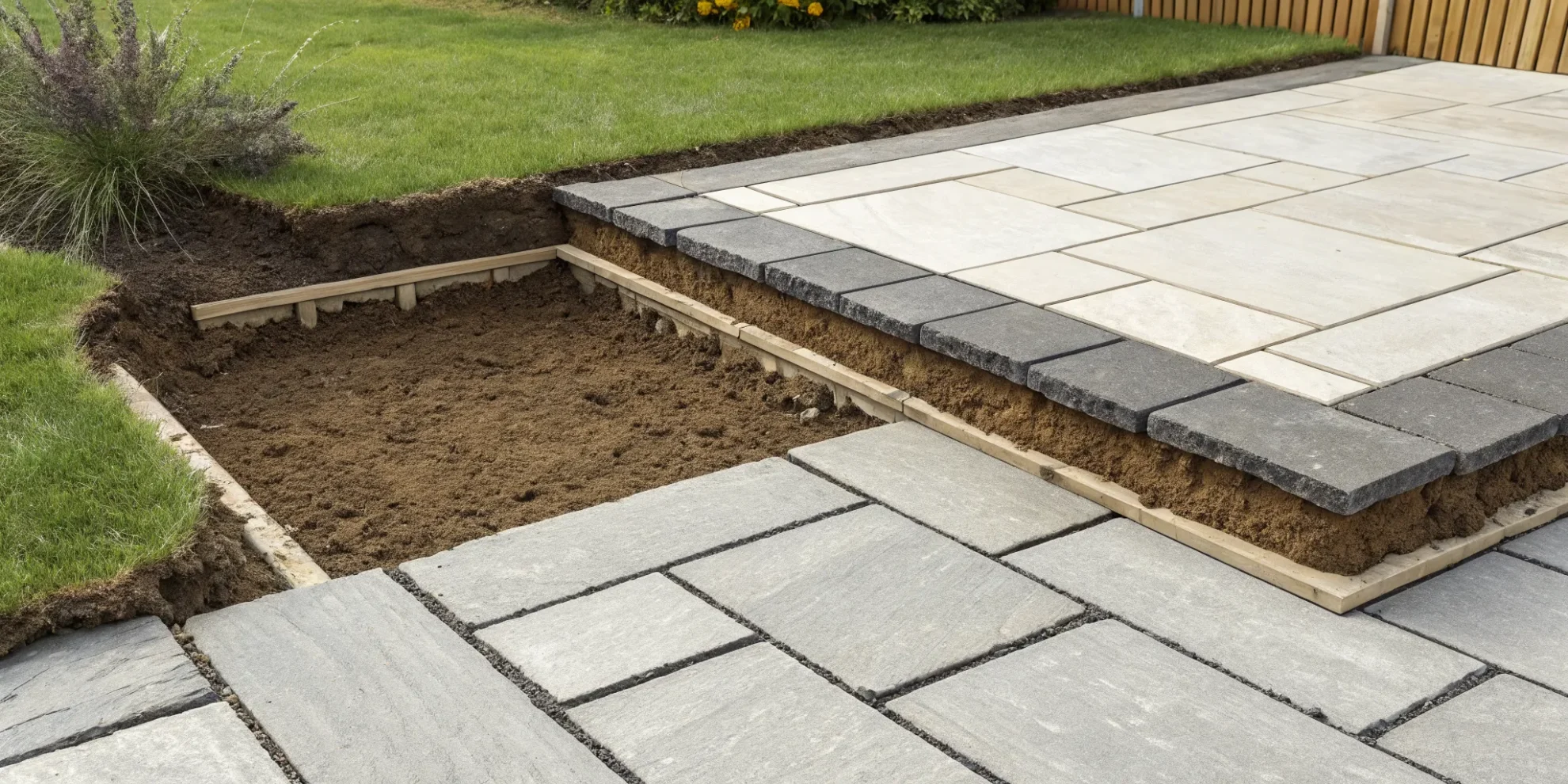
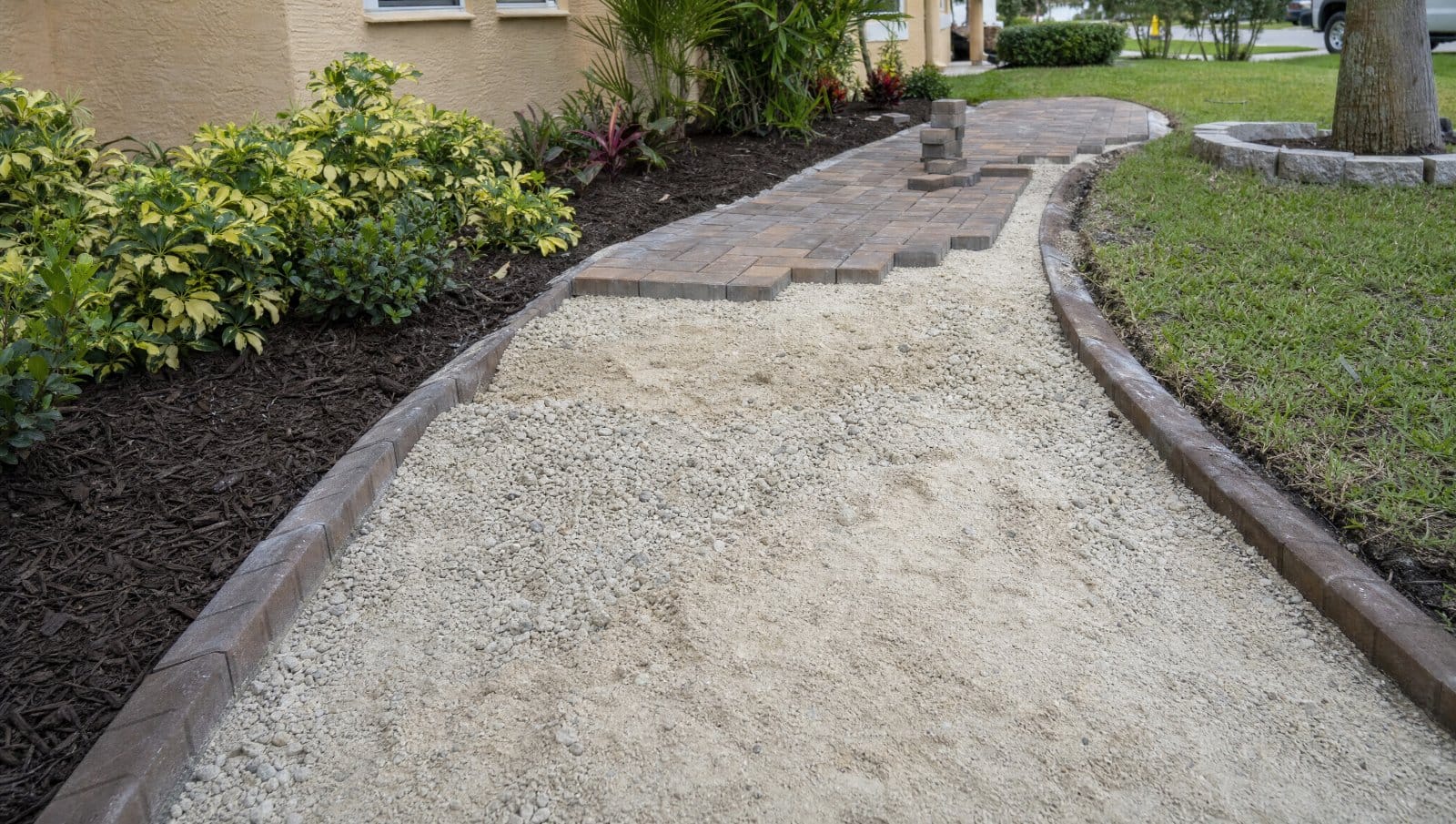
The standard, professional method involves creating a solid foundation before a single paver is laid. This means excavating the area and installing a multi-layered base, typically with compacted gravel for stability and a layer of sand for leveling. This base provides critical drainage and a firm, even surface that prevents the pavers from moving over time. On the other hand, the no-base shortcut is exactly what it sounds like: laying pavers without a base means placing them directly on top of existing soil, grass, or compacted dirt. It skips the excavation and material layers, which is why it’s often seen as a quick and easy option.
Why People Consider Skipping the Base
The appeal of skipping the paver base is easy to understand. It promises a faster, simpler project with less heavy lifting. You get to bypass the labor-intensive steps of digging out several inches of soil and bringing in loads of gravel and sand. For many homeowners looking to tackle a weekend project, this shortcut seems like a great way to get the look of a paver path without the extra work. The idea of saving time and effort is tempting, but this initial convenience can lead to significant issues down the road. What seems faster at first often results in a wobbly, uneven surface that requires more work to fix later on.
The Risks of Installing Pavers Without a Base
It’s tempting to look for shortcuts when starting a new project, and laying pavers is no exception. You might wonder if you can just place them directly on the ground to get the job done faster. While it seems like a clever way to save time and effort, skipping the paver base is one of the biggest mistakes you can make. A proper foundation is what separates a beautiful, long-lasting patio from a lumpy, hazardous mess. Without that crucial layer of support, you’re setting your project up for failure. Let’s walk through the specific problems you can expect when you install pavers without a solid base. These issues can turn your dream walkway or patio into a recurring maintenance headache.
Shifting and Sinking Pavers
The ground beneath our feet isn’t as static as it seems. Soil naturally expands, contracts, and settles over time, especially with Central Florida’s weather patterns. When you lay pavers directly on dirt, they are at the mercy of this movement. Without a compacted base to create a stable, level foundation, individual pavers will start to shift and sink. Before you know it, your once-smooth surface will become a wobbly, uneven landscape. This not only looks messy but also compromises the entire structure of your hardscaping. What started as a beautiful addition to your property can quickly become an eyesore that requires constant adjustments.
Poor Drainage and Water Damage
Florida is no stranger to heavy rain, and managing water flow is a huge part of any successful landscaping project. A properly installed paver base is designed to allow water to drain through and away from the surface. When you skip this step, rainwater has nowhere to go. It will pool on top of the pavers and seep into the joints, saturating the soil underneath. This leads to erosion, washing away the very ground your pavers are resting on and causing them to sink even further. Over time, this poor drainage can create bigger problems, potentially affecting your home’s foundation or other nearby landscape features. Proper drainage solutions are essential for protecting your investment.
Uneven Surfaces and Tripping Hazards
As pavers shift and sink due to unstable soil and poor drainage, your flat walkway or patio will develop uneven spots. A paver that’s just a fraction of an inch higher than its neighbor can easily catch a toe, creating a serious tripping hazard. This is a major safety concern, especially if you have children running around, elderly family members, or guests visiting your home. For commercial properties, these hazards can become a significant liability. A beautiful outdoor space should be a source of enjoyment, not a cause for worry. Ensuring a level, stable surface from the start is key to creating a safe and functional hardscaped area.
Reduced Lifespan and Frequent Repairs
Ultimately, skipping the paver base dramatically shortens the life of your project. While you might feel like you’re saving effort upfront, you’ll spend far more time and energy on repairs down the road. You’ll find yourself constantly lifting pavers, adding soil, and trying to re-level sections of your patio or walkway. These fixes are often temporary, as the root cause—the lack of a stable foundation—remains. Eventually, the entire area may need to be pulled up and reinstalled correctly. Investing in a proper installation from the beginning ensures your hardscape remains beautiful and functional for years, just like a well-built retaining wall needs a solid footing to last.
When Is It Okay to Skip the Paver Base?
While a solid base is the foundation of nearly all durable hardscaping projects, there are a few specific situations where you might be able to skip this step. Think of these as the rare exceptions to a very important rule. These scenarios typically involve projects that are temporary, purely decorative, or built on exceptionally stable ground. Before you decide to go without a base, it’s critical to understand if your project truly fits into one of these narrow categories, as making the wrong call can lead to a lumpy, unstable surface down the road.
Temporary Walkways and Garden Paths
If your project isn’t meant to be permanent, you have a bit more flexibility. Consider temporary setups like a seasonal path to a fire pit or simple stepping stones laid across a garden bed. These light-duty walkways don’t have to withstand constant, heavy foot traffic or support outdoor furniture. Because they are not permanent fixtures, a bit of shifting over time isn’t a major disaster. The key here is “temporary” and “light use.” If you plan for the walkway to be a lasting part of your landscape design, investing in a proper base from the start is always the better choice.
Decorative, Low-Traffic Areas
Sometimes, pavers are used more for visual appeal than for function. You might be creating a small, decorative border around a flower bed or a tiny landing for a birdbath. In these cases, where the pavers won’t be walked on regularly, you can sometimes place them directly on leveled soil. Since these areas won’t bear any significant weight, the risk of sinking or becoming uneven is much lower. The goal is aesthetic, not structural. However, if your “decorative” area might see occasional foot traffic, it’s wise to reconsider and add at least a minimal base for added stability.
On Naturally Stable, Sandy Soil
Living in Central Florida means many of us have yards with sandy soil. This type of soil drains water quickly and can be compacted to create a fairly firm surface, which are qualities you look for in a paver base. If your property has very solid, well-draining sandy soil, you might have a viable foundation already in place. Even so, this is not a simple shortcut. The ground must be perfectly graded and compacted to prevent the pavers from shifting. Soil composition can also change across your yard, so what works in one spot might not work in another. It’s always best to have a professional assess the ground before proceeding.
How to Improve Stability Without a Full Base
If you’ve decided that skipping a full paver base is the right choice for your specific project, your work isn’t done yet. Simply laying pavers on bare dirt is a recipe for a lumpy, unstable surface. To give your project the best chance at looking good and staying put, you need to take extra steps to create as much stability as possible. Think of it as giving your pavers a stronger foundation, even if it’s not the traditional gravel-and-sand method.
Taking these precautions can make a significant difference in how well your path or patio holds up over time. It helps prevent the pavers from shifting, sinking, or becoming uneven, which are the biggest issues with no-base installations. By focusing on ground preparation, reinforcement, and secure edging, you can mitigate some of the risks and extend the life of your hardscape. These techniques are essential for creating a more durable and functional surface for your outdoor space.
Prepare and Level the Ground
The first and most critical step is preparing the ground itself. You can’t just start placing pavers on an unprepared patch of lawn. Start by clearing the area of all grass, weeds, and large rocks. Once the soil is exposed, you need to make it as firm and level as possible. This involves compacting the soil thoroughly with a hand tamper or plate compactor. The goal is to create a solid, flat surface that won’t easily shift. For more extensive projects, professional excavation services can ensure the site is perfectly graded and prepared. After compacting, adding a thin layer of sand can help with leveling and drainage.
Use a Geotextile Fabric Barrier
A geotextile fabric is a secret weapon for adding stability to a no-base paver project. This permeable material is laid directly on top of your compacted soil before you place the pavers. Its main job is to separate the soil from the pavers and any sand you might use. This separation prevents the soil from mixing with your leveling layer and keeps weeds from growing up through the joints. More importantly, it helps distribute weight more evenly and keeps the soil stable, reducing the chances of individual pavers sinking or shifting over time. It’s a simple addition that provides a major structural advantage.
Consider Paver Grid Systems
For another layer of support, you can look into paver grid systems. These are typically plastic grids that you lay down on the prepared ground. Each paver then sits inside a cell of the grid. This system locks the pavers together, preventing them from moving horizontally and helping to distribute weight across a wider area. Some modern systems, often called “open-graded base systems,” are designed to improve drainage while using less gravel than a traditional base. These grids are a fantastic alternative for adding structure and stability, especially in areas where you’re concerned about movement or soil integrity.
Secure Edges with Proper Restraints
No matter how well you prepare the ground, your pavers will eventually spread outward if they aren’t held in place. This is where edge restraints come in. These are rigid strips of plastic, metal, or concrete that are installed along the perimeter of your paver area. They act as a frame, holding everything tightly together and preventing the common problem of pavers shifting apart at the edges. You should install edge restraints before you begin laying the final border of pavers, securing them into the ground with heavy-duty stakes. This is a non-negotiable step for any paver installation, but it’s especially crucial when you don’t have a full base. Proper edging is a key part of professional hardscaping services.
How to Maintain Pavers Without a Base
Opting to lay pavers without a traditional base means you’re signing up for a bit more upkeep. Because they don’t have that deep layer of support, these pavers are more susceptible to the effects of weather and foot traffic. Staying on top of maintenance is the key to keeping your path or patio looking good and functioning safely. Think of it as a series of small, regular check-ins to catch minor issues before they become major headaches. With a little consistent effort, you can extend the life of your project and keep it from becoming an uneven, weedy mess.
Regularly Check for Shifting
Without a solid base, pavers will inevitably move around. Your main task is to keep an eye out for any that have started to shift, sink, or wobble. I recommend doing a quick walkthrough after a heavy rainstorm or if the area has seen a lot of use. Catching a single sunken paver is an easy fix; you can lift it, add a little soil or sand underneath to level it, and place it back. If you ignore it, however, that one low spot can cause a chain reaction, leading its neighbors to shift and creating a larger, more unstable area. Consistent checks will save you a lot of work down the road.
Refill Joints and Prevent Weeds
The material between your pavers, usually sand or fine gravel, is what helps lock them together. Over time, rain and wind will wash this joint filler away, leaving the pavers loose and creating a perfect home for weeds. Make it a habit to inspect the joints every few months. If you see gaps or the sand level looks low, simply sweep more into the cracks until they are full. This simple step not only stabilizes the pavers but also makes it much harder for weeds to take root. Using a quality decorative ground cover in surrounding garden beds can also help reduce the number of seeds that find their way into the joints.
Address Drainage Issues Immediately
Water is the biggest enemy of a no-base paver installation. Since there isn’t a gravel layer to help with drainage, water can easily pool underneath and wash away the soil, causing pavers to sink and become uneven. After it rains, look for any standing water on your patio or walkway. Puddles are a red flag that you have a low spot and a potential drainage problem. If you notice persistent wet spots or significant sinking, it’s a sign that the ground beneath is eroding. It’s crucial to find effective landscape drainage solutions to redirect water away from the area and prevent further damage.
Know When to Call in the Pros
While you can manage minor upkeep yourself, there comes a point when constant repairs are more trouble than they’re worth. If you find yourself resetting the same pavers over and over, or if drainage problems are causing widespread sinking, it might be time to consider a more permanent solution. A professional can assess whether a proper base is needed to give you the lasting, stable surface you want. For larger or more complex projects, expert hardscaping services can ensure the job is done right from the start, creating a beautiful and durable feature for your property.
Related Articles
- How to Lay Pavers Without Digging: A DIY Guide
- How to Lay Pavers on Sand Without Edging
- How to Install Pavers for Beginners: A Simple Guide
- How to Lay Pavers on Uneven Ground in 8 Steps
- How to Install Pavers Over Dirt (The Correct Way)
Frequently Asked Questions
What’s the main reason a paver base is so important? Think of a paver base as the skeleton for your hardscape project. Its primary job is to create a stable, level foundation that won’t shift under pressure or wash away with heavy rain. It provides crucial structural support and ensures proper drainage, which prevents the pavers from sinking, becoming uneven, and creating tripping hazards over time.
My yard has sandy soil. Can I get away with skipping the base? While it’s true that Central Florida’s sandy soil drains better than heavy clay, it isn’t automatically a stable enough foundation on its own. The ground still needs to be perfectly graded and compacted to prevent movement. Even with sandy soil, skipping the base is only recommended for very light-duty projects, like a small decorative border, not for walkways or patios that will see regular use.
What’s the most critical step if I decide to install pavers without a full base? If you’re installing pavers for a temporary or purely decorative project without a full base, two steps are absolutely essential: ground preparation and edge restraints. You must thoroughly compact and level the soil to create the firmest surface possible. Then, you have to install secure edging around the entire perimeter to lock the pavers in place and keep them from spreading apart.
My no-base pavers are already uneven. Can I fix them? For minor issues, you can often lift the sunken paver, add some sand or compacted soil underneath to bring it back to level, and set it back in place. However, if you find yourself fixing the same spots repeatedly or notice widespread sinking, it’s a sign of a failing foundation. This usually means the only long-term solution is to pull up the pavers and have a proper base installed.
Is a no-base installation suitable for a driveway or a main patio? Absolutely not. Areas that need to support heavy weight, like a vehicle on a driveway, or withstand constant foot traffic, like a main patio, require a deep, professionally installed base. Skipping the base in these situations will lead to rapid failure, creating a surface that is both unsafe and unusable. This shortcut is only ever an option for very low-traffic, decorative applications.