
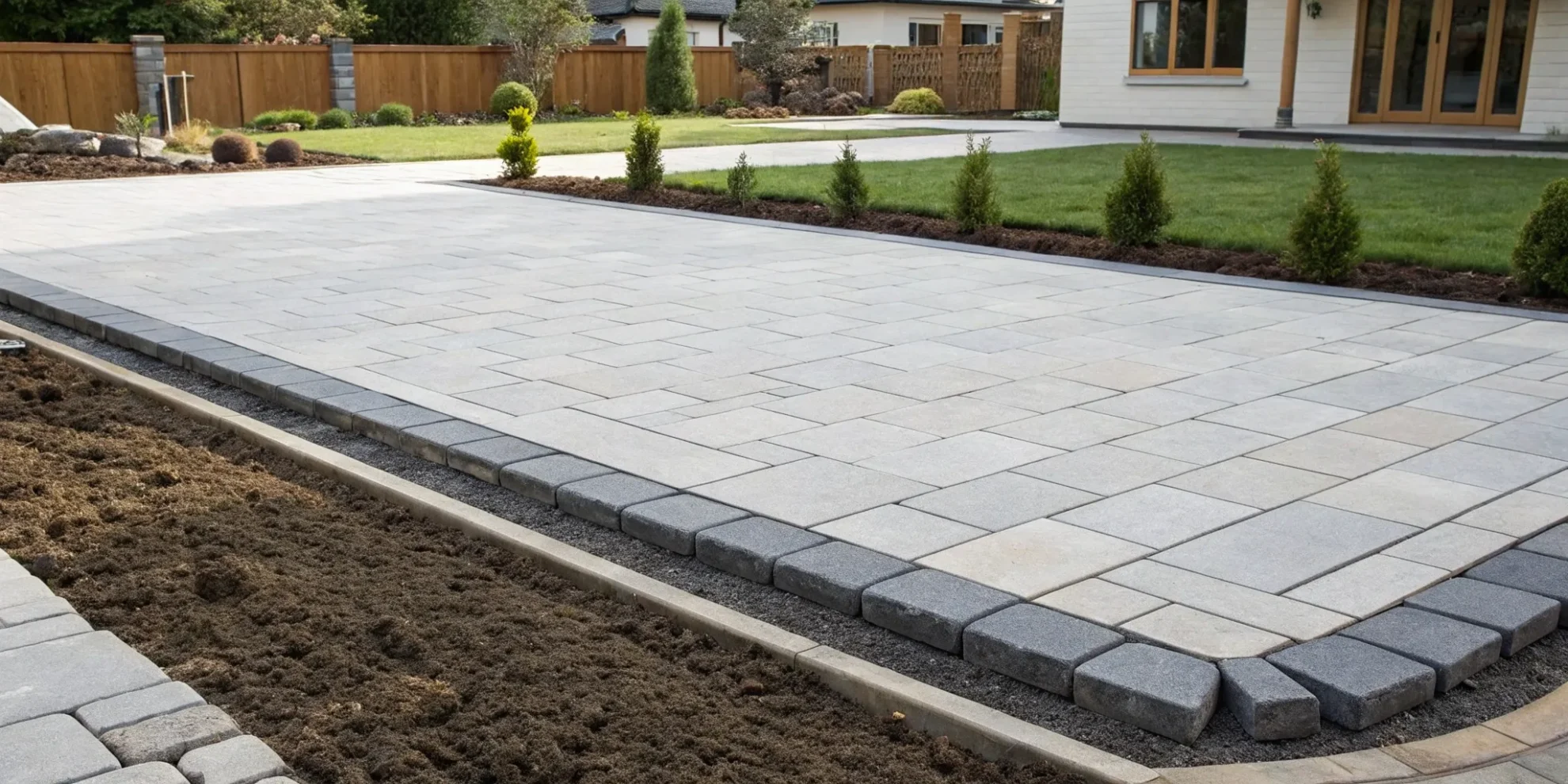
How to Lay Pavers Without Digging (The Right Way)
You have the perfect spot for a small patio or a winding path through your garden, but the thought of digging up your entire lawn is holding you back. Fortunately, you don’t always need to. For many smaller, decorative projects, a “no-dig” installation is the perfect solution. This approach saves you time and heavy labor, making it an ideal weekend project. To ensure your new feature looks great and stays put, you need a solid plan. This guide will teach you how to lay pavers without digging the right way, focusing on creating a firm base, preventing weeds, and ensuring your new surface drains correctly for a beautiful, low-maintenance result.
Key Takeaways
- Choose the right method for your space: Reserve the no-dig approach for small, decorative projects that won’t see much foot traffic. For main patios or high-use walkways, a traditional excavated base is the best way to ensure long-lasting stability.
- “No-dig” doesn’t mean “no-prep”: A successful project still requires a solid foundation. Always prepare a level, compacted base, install edge restraints to prevent spreading, and use polymeric sand to lock pavers together and block weeds.
- Recognize when you need an expert: Don’t risk a failed project on tricky terrain. If your property has drainage problems, a noticeable slope, or large tree roots, calling a professional ensures the job is done correctly and built to last.
What Does “No-Dig” Paver Installation Mean?
If you’ve been researching how to lay pavers, you’ve likely come across the term “no-dig.” It sounds appealing, especially if you’re hoping to avoid a major excavation project. But what does it actually involve, and is it the right choice for your Central Florida property? Let’s break down the differences between the traditional and no-dig methods so you can make an informed decision.
The Traditional Method vs. The No-Dig Approach
When you picture professional hardscaping services, you’re probably thinking of the traditional method. This approach involves some serious digging, typically excavating about six to eight inches of soil. Crews then lay down a thick base of gravel and sand before placing a single paver. It’s a lot of work, but that solid foundation is what gives traditional patios and walkways their long-lasting stability.
The “no-dig” method, on the other hand, is exactly what it sounds like. It lets you lay pavers directly onto an existing surface, like grass or soil, without all that heavy excavation. It’s a much faster and less labor-intensive way to create a path or small patio. While it’s a popular DIY shortcut, it’s important to know that the two methods produce very different results in terms of durability and function.
Is This Method Right for Your Project?
So, how do you know if a no-dig paver project is a good fit for your yard? This method can work well for small, decorative projects that won’t see a lot of action, like a simple garden path or a small spot for a bench. If you’re looking for a quick and temporary solution, it can be a great option.
However, it’s crucial to understand the trade-offs. Without a proper foundation, you run a higher risk of poor drainage, which can lead to shifting pavers and an uneven surface. Weeds are also more likely to find their way through the cracks. If your planned area is near large trees, the roots can push the pavers up over time, creating a tripping hazard. This is where professional arborist services can help assess root systems. For high-traffic areas like a main patio or driveway, the no-dig method just won’t provide the durability you need.
The Pros and Cons of Laying Pavers Without Digging
The idea of creating a beautiful paver patio or walkway without heavy digging sounds pretty appealing, right? It promises a quicker, less labor-intensive project, and for some smaller-scale applications, it can be a great option. While this “no-dig” method can work, it’s not a one-size-fits-all solution for creating lasting hardscaping services. The success of your project really hinges on understanding when it’s a smart shortcut and when it could lead to headaches down the road. Before you decide to skip the excavation step, it’s important to weigh the benefits against the potential risks.
Think about what you’re building, how much foot traffic it will get, and the current state of the ground you’re working with. A simple decorative path through a garden has very different requirements than a patio that needs to support heavy furniture and frequent use. A solid foundation is the key to any paver installation that stands the test of time, and skipping that crucial prep work can compromise the stability and longevity of your project. It’s the difference between a feature you enjoy for a season and one you enjoy for years. Let’s break down the good and the not-so-good so you can decide if this approach is the right fit for your outdoor space.
Why You Might Skip Excavation
So, when is it okay to lay pavers without digging? This method is best suited for projects that are more decorative than structural. Think of a simple stepping stone path across your lawn or a small, temporary patio in a low-traffic corner of your yard. If you’re placing pavers directly over an existing, level concrete slab, you can also often skip the major digging. The main advantage here is simplicity. It reduces the amount of heavy labor and materials needed, making it a more approachable weekend project for creating charming garden features or walkways that won’t see a ton of wear and tear.
Potential Downsides to Keep in Mind
Now for the reality check. Skipping a proper base can lead to some significant problems. Without excavation, you’re at risk of poor landscape drainage, which can cause water to pool on or under your pavers, leading to shifting and sinking. The ground naturally settles and moves, and without a compacted base, your pavers will likely become uneven and wobbly over time. This is especially true in areas with tree roots, which can easily push up a shallowly laid paver surface. For any high-traffic area or a patio meant to last for years, proper excavation is essential for ensuring durability and a smooth, stable finish.
What Tools and Materials Will You Need?
Gathering the right supplies before you start is the best way to ensure your paver project goes smoothly. Having everything on hand means you can work efficiently without making extra trips to the store. Think of it like prepping ingredients before you cook a meal; it just makes the whole process easier. From the pavers themselves to the base that supports them, each component plays a vital role in creating a beautiful and durable surface. Let’s walk through exactly what you’ll need to get the job done right.
Choosing the Right Pavers
The pavers you select will define the look and feel of your new patio or walkway. Concrete pavers are a fantastic choice because they offer incredible design flexibility. You can find them in a wide range of colors, shapes, and textures, making it easy to match your home’s aesthetic. You can even use contrasting paver colors to create borders or unique patterns for extra visual appeal. When making your choice, consider the overall style you’re aiming for and how the pavers will complement your existing landscape. Our professional hardscaping services can help you explore different options to find the perfect fit for your space.
Selecting Your Base Materials
A solid foundation is non-negotiable, even for a no-dig project. The best base material for pavers is a mix of crushed stone and sand, often sold as “paver base.” This combination creates a stable layer that prevents shifting and settling over time. While the goal is to avoid major digging, scraping away just a few inches of sod and soil to create a packed layer of this base material will make your patio last much longer and drain more effectively. This small amount of ground preparation is a crucial step for a professional-looking result.
Your Essential Tool Checklist
You don’t need a massive workshop, but a few key tools will make this project much more manageable. First, a mechanical compactor is essential for packing the ground and the paver base until it’s firm and even. You can typically rent one from a local hardware store. You’ll also want a rubber mallet to gently tap the pavers into place, ensuring they are level and snug against each other. Other helpful items include a level, landscape fabric to suppress weeds, edge restraints to hold the perimeter pavers in place, and polymeric sand to fill the joints once you’re finished.
How to Install Pavers Without Digging: Step-by-Step
Plan and Mark Your Area
First things first, let’s map out your vision. Decide exactly where you want your new paver path or patio to go. A simple garden hose or a length of rope is perfect for this. Lay it on the ground to create the outline of your project. This lets you play with the shape and size until it feels just right. You can easily adjust the curves and corners to fit your landscape perfectly. Once you’re happy with the layout, you can use marking paint or even just a shovel to trace the outline on the grass, giving you a clear guide for the next step.
Prepare the Ground Surface
While this is a “no-dig” method, you will need to remove a shallow layer of grass and soil. Carefully cut along the outline you just marked. Your goal is to dig down just enough for the paver to sit level with the surrounding lawn, which is usually about two to three inches deep, depending on the thickness of your pavers. This shallow excavation ensures the pavers don’t stick up and create a tripping hazard. It also provides a clean, flat surface to build upon, which is essential for a stable and professional-looking finish. This is a key part of any quality hardscaping project.
Build a Stable Base Layer
With your shallow area cleared, it’s time to create a solid foundation. This is a critical step for drainage and stability. Pour a thin, even layer of paver sand or crushed stone into the space you prepared. A layer about one inch deep is usually sufficient. Use a hand tamper or a flat piece of wood to compact this base material, making it firm and level. This base prevents your pavers from shifting or rocking over time and allows water to drain away, which is especially important for our Florida weather. Don’t skip this step; a solid base is the secret to a long-lasting paver surface.
Set and Level Your Pavers
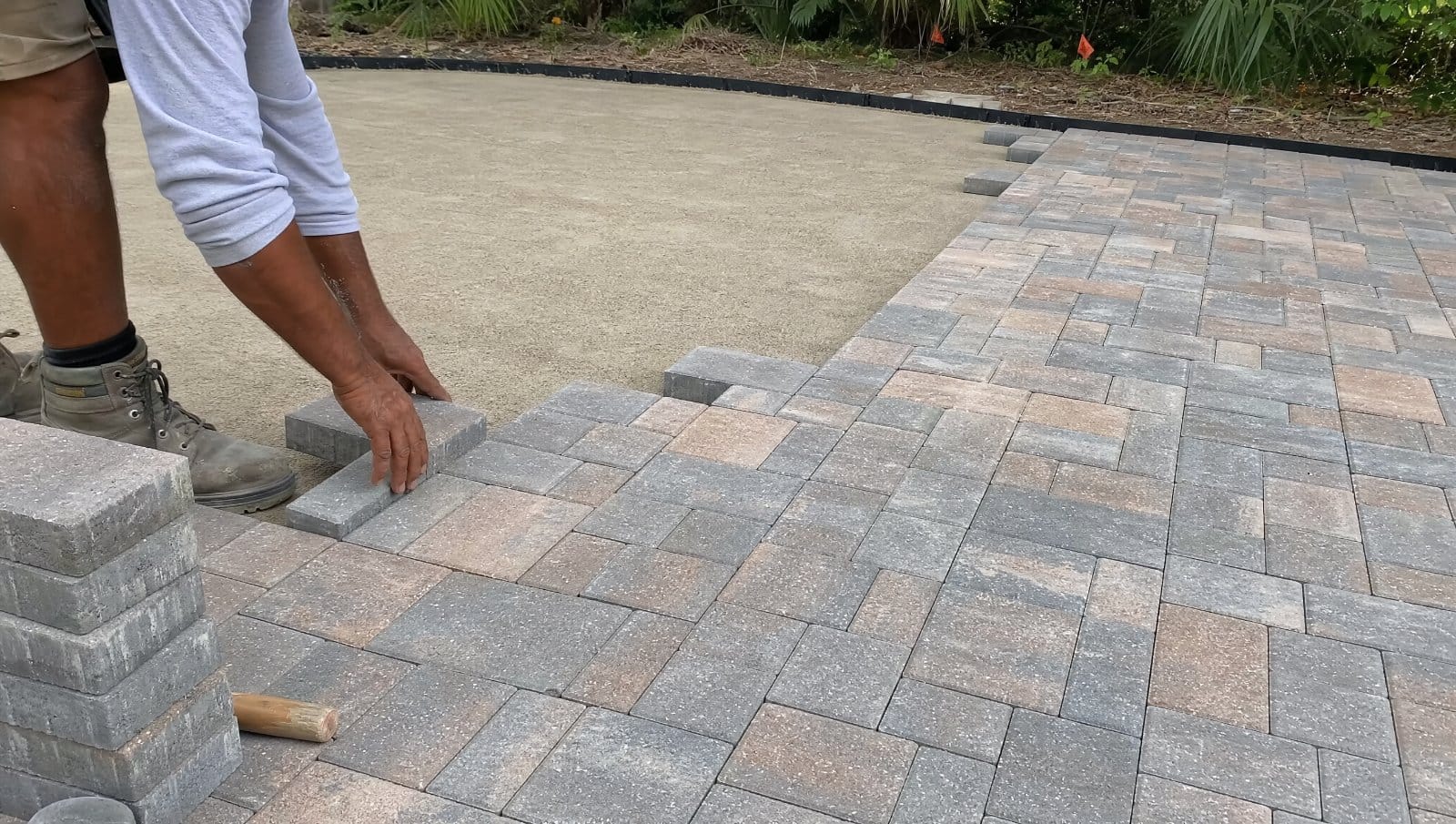
Now for the fun part: placing the pavers. Set each paver firmly onto the sand base, wiggling it slightly to settle it in. Keep a small gap between each one for jointing sand later. After placing a paver, use a level to check that it’s even with the ground and its neighbors. If a paver is too high or low, you can add or remove a little sand underneath to adjust it. A rubber mallet is great for gently tapping the pavers into their final position without causing any damage. Take your time here to ensure a smooth, even surface.
Add the Finishing Touches
Once all your pavers are perfectly placed and level, it’s time to lock them in. Sweep polymeric sand or fine sand over the entire surface, working it into the joints between the pavers. This step is key to preventing weeds and keeping the pavers from shifting. Lightly mist the area with water to activate the polymeric sand, which will harden and secure everything. For any small gaps around the edges of your project, you can fill them with topsoil and grass seed to create a seamless transition back to your lawn. This final step gives your project a polished, integrated look.
How to Ensure Your Pavers Are Stable and Drain Properly
A beautiful paver patio is only as good as its foundation. Even with a no-dig method, ensuring stability and proper drainage is the secret to a project that lasts. Without a solid base and a plan for water, you risk dealing with shifting, sinking, and pooling water. Focusing on these key areas during installation will save you headaches and keep your hardscape looking its best. This preparation is what separates a DIY project that looks professional from one that quickly falls apart.
Creating Proper Water Runoff
Water is the biggest enemy of a paver installation. If it has nowhere to go, it will pool on the surface or seep underneath, weakening the base and causing pavers to shift. To prevent this, build a gentle slope into your design. A good rule of thumb is a grade that drops one inch for every six feet of paver surface. This slight angle is usually unnoticeable but guides rainwater away from your home’s foundation. Planning for this slope is a critical step for effective drainage solutions.
Compacting for a Long-Lasting Patio
A firm, solid base is non-negotiable for a stable paver surface. After laying your base material, it needs to be thoroughly compacted to remove air pockets and create a dense foundation. While a hand tamper can work for small areas, a mechanical plate compactor is a much better approach. A compactor provides consistent pressure, ensuring the entire base is uniformly packed. This step is vital for preventing pavers from settling or becoming uneven. A well-compacted base provides the support your pavers need to withstand foot traffic and the elements without shifting.
Using Edging to Lock Pavers in Place
Once your pavers are set, they need something to hold them together and prevent them from spreading. This is where edge restraints come in. Edging, typically made of plastic, metal, or concrete, is installed along the perimeter to act as a permanent border. It locks the entire system in place, keeping the pavers from moving outward. Without strong edging, the outside rows will eventually drift, creating unsightly gaps and compromising the entire surface. It’s a finishing touch that provides essential structural support for all professional hardscaping services.
Common Mistakes to Avoid with No-Dig Pavers
Even a seemingly straightforward project like a no-dig paver patio can run into trouble if you’re not careful. While you’re saving time on excavation, a few small missteps can lead to a wobbly, uneven surface that won’t last. Taking the time to get the details right from the start will save you a lot of headaches later. Let’s walk through some of the most common mistakes so you can steer clear of them and create a beautiful, durable paver surface you can be proud of.
Improper Ground Prep
The most critical mistake you can make is skimping on ground preparation. Even though you aren’t digging deep, the surface still needs to be perfectly level and compacted. Many DIY projects fail because of a poorly prepared base, leading to pavers sinking, borders shifting, and uneven surfaces that create tripping hazards. Water drainage issues are another major problem that stems from improper prep. A slight, consistent slope away from your home’s foundation is essential to prevent water from pooling. Getting this foundation right is where professional hardscaping services can make all the difference.
Using the Wrong Type of Paver
Not all pavers are created equal, and your choice impacts both the look and longevity of your project. It’s easy to get excited and just pick the first style you like, but you need to consider the paver’s thickness, material, and intended use. For example, a thin decorative stone might not hold up to foot traffic as well as a sturdy concrete paver. Concrete pavers often provide the most design flexibility, with a wide range of colors, shapes, and textures. Make sure the paver you choose is suitable for a no-dig installation and can handle the wear and tear of its intended purpose.
Forgetting About Weed Prevention
Nothing ruins the look of a new patio faster than weeds sprouting up between the pavers. A common mistake is laying pavers too close together, thinking it will block weeds. In reality, you need to leave small, consistent gaps between them. This space is crucial for the next step: filling the joints with sand. This jointing sand is what locks the pavers together and forms a barrier against weeds. Without proper spacing, you can’t get enough sand into the joints to create a tight, weed-resistant seal, leaving your beautiful new patio vulnerable to unwanted growth.
Incorrect Joint Spacing and Sanding
Once your pavers are in place, the job isn’t finished. The final step of adding jointing sand is what locks everything together. Using regular sand is a mistake; you need to use polymeric sand, which is a special type that hardens when wet. This creates a firm, durable joint that locks pavers together, prevents them from shifting, and is highly effective at stopping weeds and ants from making a home in the cracks. Applying it correctly is just as important. You need to sweep it carefully into every joint, ensuring they are completely full before lightly misting the surface with water to activate the hardening agent.
How to Keep Weeds from Growing Between Pavers
A beautiful new paver patio or walkway can completely transform your outdoor space, but nothing ruins the look faster than pesky weeds sprouting up between the stones. Even with a no-dig installation, weeds can find a way to take root. The good news is that you can take a few key steps during the installation process to prevent them from ever becoming a problem. A little extra effort now will save you hours of pulling weeds later, keeping your hardscape looking clean and pristine for years to come.
These preventative measures are the secret to a low-maintenance and long-lasting paver surface. By creating an environment where it’s difficult for weeds to grow, you ensure your project’s success from the ground up. It’s all about building a solid defense right from the start. We’ll walk through the three most effective methods: installing a physical barrier, using the right joint sand, and following a simple upkeep routine. Each step plays a vital role in creating a weed-resistant surface that lets you spend more time enjoying your patio and less time maintaining it. Getting this right is a core part of any quality hardscape installation, ensuring your investment looks great season after season.
Installing a Weed Barrier
One of the most effective ways to stop weeds before they start is by laying down a weed barrier. This is typically a sheet of landscape fabric that you place on the prepared ground before adding your base layer of sand. This fabric creates a physical shield that blocks weeds from pushing up from the soil below, yet it’s permeable enough to allow water to drain through properly. This simple step is a crucial part of professional hardscaping services because it tackles the problem at its source. Taking the time to install a quality weed barrier is a small investment that pays off big in the long run.
Applying Polymeric Sand Correctly
Once your pavers are set, what you use to fill the joints makes a huge difference. Instead of regular sand, opt for polymeric sand. This special sand is mixed with a binding agent that activates with water. After you sweep it into the gaps and lightly mist it, the sand hardens to form a solid, durable joint. This not only locks your pavers securely in place but also creates a tough barrier that weeds can’t penetrate. It’s a fantastic two-in-one solution for stability and weed prevention. For a flawless finish, be sure to follow the manufacturer’s application instructions carefully.
Long-Term Weed Control Tips
Even with a weed barrier and polymeric sand, you might occasionally spot a weed. These are usually the result of seeds that have been blown in by the wind and have settled in the tiny bit of dust or debris in the paver joints. The best way to handle this is with simple, regular upkeep. Sweeping your patio often can help remove seeds before they have a chance to sprout. If you see a weed pop up, pull it immediately before its roots can get established. Consistent care is the final piece of the puzzle for any successful landscape design and will keep your paver surface looking its best.
How to Maintain Your No-Dig Paver Surface
One of the best things about a no-dig paver installation is how easy it is to care for. You’ve already done the hard work of creating a beautiful new patio or walkway, and now you get to enjoy it. While this method is definitely low-maintenance, a little bit of attention will keep your pavers looking great and performing well for years to come.
Regular upkeep mainly involves simple cleaning, keeping an eye out for any pavers that might have shifted, and making sure the joints between them stay filled. Think of it as a quick check-up every now and then. By staying on top of these small tasks, you can prevent minor issues from turning into bigger headaches. A well-maintained paver surface not only looks better but also remains a stable and safe area for you and your family to enjoy. Proper care ensures your hardscaping investment continues to add value and beauty to your property.
Simple Cleaning and Upkeep
Keeping your no-dig paver surface clean is refreshingly simple. For the most part, you’ll just need to sweep away leaves, dirt, and other debris regularly with a stiff-bristled broom. This prevents stains and stops organic matter from breaking down in the joints, which can encourage weed growth. For a deeper clean, you can rinse the area with a garden hose.
Because this method is so low-maintenance, your main tasks will be trimming the grass around the edges and occasionally checking that the pavers are still level. Keeping the surrounding grass or garden beds tidy creates a clean, defined look and prevents roots from creeping under your pavers. A quick visual inspection every few weeks is all it takes to stay ahead of any potential issues.
How to Fix Settling or Weeds
Over time, you might notice a paver has sunk a little or shifted out of place. Don’t worry, this is a common and easy fix. If a paver sinks or shifts, it’s simple to lift it, adjust the base, and put it back in place. Just use a flathead screwdriver or a paver puller to gently pry the paver up. Then, add a small amount of your base material, like sand or fine gravel, to the empty spot and level it out before setting the paver back down.
If you spot a few weeds popping up between the pavers, you can usually pull them by hand. For more persistent weeds, a targeted weed killer designed for patios can work well. Addressing these small adjustments as they appear is the key to maintaining a smooth, uniform surface.
Knowing When to Re-Sand and Compact
The sand between your pavers, especially polymeric sand, is crucial for stability and weed prevention. This special sand hardens when wet, which locks the pavers in place and helps stop weeds from growing. However, rain and general use can cause this sand to wash out or settle over time. It’s a good idea to inspect the joints at least once a year.
If you see the sand level has dropped, it’s time to re-sand. Simply sweep new polymeric sand into the joints until they are full, then lightly mist the area with water to activate the hardening agent. This simple step reinforces the entire structure, keeping your pavers secure and your walkway or patio looking sharp and well-maintained.
When Is It Time to Call a Hardscaping Pro?
While the no-dig method is a fantastic approach for many straightforward paver projects, some situations call for a professional touch. Knowing when to trade your DIY hat for a phone call can save you time, effort, and future headaches. If your project involves tricky terrain, significant water issues, or you simply want a flawless, long-lasting result without the guesswork, bringing in an expert is a smart move. A professional can assess your property’s unique challenges and ensure the job is done right from the start.
If You Have Complex Drainage Issues
Water is the number one enemy of a stable paver patio. If your yard already has areas where water pools after a rainstorm or if you’re working on a slope, a simple no-dig installation might lead to trouble. Without a proper base, water can collect under the pavers, causing them to shift, sink, or become uneven. A professional team can design and install effective drainage solutions that channel water away from your hardscape and your home’s foundation. They have the expertise to properly grade the area, ensuring your new patio stays dry and level for years to come.
Signs Your Project Really Needs Excavation
The no-dig method is ideal for ground that is already fairly level and stable. However, if the area is on a noticeable slope, is very lumpy, or has large tree roots, you’ll likely need more than a rake and a tamper. Proper excavation creates a solid, uniform foundation, which is critical for the longevity of your pavers. Without it, the ground can shift and settle unevenly, leading to wobbly pavers that become a tripping hazard. For larger projects or high-traffic areas like walkways, professional site preparation is key to building a surface that can handle the pressure.
The Advantages of a Professional Install
A successful paver project depends on careful planning and attention to detail. When you hire a professional, you’re getting more than just an extra set of hands; you’re getting experience. A seasoned crew understands local soil conditions and how to build a structure that will withstand Florida’s weather. They have the right equipment to do the job efficiently and correctly the first time. Opting for a professional hardscaping installation means you can be confident that your new patio or walkway will not only look great but will also be a durable, lasting addition to your property.
Related Articles
Frequently Asked Questions
Is a “no-dig” paver patio a permanent solution? Think of a no-dig paver installation as a great choice for temporary or decorative features, like a simple garden path or a small spot for a bench. Because it lacks a deep, excavated foundation, it’s more susceptible to shifting and settling over time. For a patio or walkway that you want to last for many years, a traditional installation with a proper base is always the better long-term investment.
Can I use the no-dig method for a driveway or a main patio? This method is definitely not suitable for areas that will see a lot of action, like a main patio that holds heavy furniture or a driveway that supports vehicles. These high-traffic surfaces require a deep, compacted base to prevent cracking, shifting, and sinking. The no-dig approach simply doesn’t provide the structural support needed for that kind of heavy, consistent use.
If it’s “no-dig,” do I still have to remove the grass? Yes, you absolutely do. The term “no-dig” can be a little misleading. It means you get to skip the heavy excavation of six to eight inches of soil, but you still need to remove the top layer of sod and a little bit of dirt. This step is crucial for creating a level surface and ensuring your pavers sit flush with the surrounding lawn instead of creating a tripping hazard.
What’s the biggest mistake people make with this method? The most common mistake is skimping on ground preparation. Even though you aren’t digging deep, the ground you lay your pavers on must be completely level and firmly compacted. Many people rush this step, which results in a wobbly, uneven surface that shifts after the first few rainstorms. Taking the time to create a solid, flat base is the most important thing you can do for a successful project.
What if my yard has a slight slope or drainage issues? If your yard isn’t perfectly flat or you’ve noticed water pooling in the area, it’s wise to be cautious. Managing water runoff is critical for any paver installation, and a slope can make that tricky without proper grading. In these situations, it’s best to consult a professional who can assess the site and ensure your project has the correct slope and drainage to prevent future problems.