Land Grading and Leveling 101: A Complete Guide
That soggy patch in your yard that never seems to dry out? Or the gentle but persistent slope that sends rainwater right toward your home’s foundation? These common frustrations are more than just an inconvenience; they’re signs that your property isn’t working as it should. The solution often lies beneath the surface, starting with the shape of the land itself. Professional land grading and leveling is the foundational process of sculpting your property to manage water, create stable surfaces, and prevent long-term damage. It’s the essential first step to solving drainage issues and preparing your yard for any project you have in mind.
Key Takeaways
- Grading directs water, while leveling creates a flat canvas: Grading is all about creating specific slopes to manage drainage and protect your home’s foundation. Leveling focuses on making a perfectly even surface for projects like patios, gardens, or play areas.
- A successful project requires a plan, not just power: Professional grading isn’t just about heavy machinery. It’s a careful process that includes a site survey, strategic earth moving, and proper soil compaction to ensure a stable and lasting result.
- Your contractor choice determines your project’s success: To avoid future issues like poor drainage or an unstable foundation, partner with an experienced professional. Be sure to ask about their past projects, equipment, and planning process to find the right fit.
What Are Land Grading and Leveling?
When you’re planning a new construction project or landscape overhaul, you’ll often hear the terms “grading” and “leveling.” They might sound interchangeable, but they refer to two distinct processes, each with a specific goal for preparing your land. Understanding the difference is the first step to making sure your project starts on solid ground. Both are crucial for creating a stable, functional property, but they solve different problems. Let’s break down what each term means and how they compare.
What Is Land Grading?
Think of land grading as sculpting your yard with a purpose. The main goal is to reshape the ground to create an intentional slope. This isn’t about making things perfectly flat; it’s about controlling the flow of water. Proper grading ensures rainwater moves away from your home’s foundation, preventing pooling and other water-related issues. It’s also essential for creating a stable base for driveways and walkways. By carefully shaping the land, we can ensure your property has the right contours for both function and appearance, often working with professional excavation services.
What Is Land Leveling?
Land leveling, on the other hand, is exactly what it sounds like: making a piece of ground uniformly flat or creating a very gentle, consistent slope. The objective is to create a perfectly even surface by removing bumps and filling in low spots. This process is the go-to when you need a uniform base for a new shed, patio, garden, or play area. A level surface is also essential before laying new turf, as it ensures your lawn will be smooth and easy to care for. It’s a key first step to a beautiful, even sod installation.
Grading vs. Leveling: What’s the Difference?
So, what’s the bottom line? The main difference is the final shape of the land. Land grading creates specific slopes to manage water and support structures, while land leveling creates a flat, even plane for a specific purpose. You would grade the land around your house to guide water away, but you would level the spot where you plan to build a new deck. Grading is about drainage and stability; leveling is about creating a usable, flat canvas. Both are essential parts of site preparation, often following a thorough land clearing to get your property ready.
Why Grade and Level Your Land?
Thinking about a new construction project or trying to solve a soggy yard problem? The solution often starts with the ground itself. Land grading and leveling are foundational steps that shape your property for success. It’s about more than just moving dirt around; it’s a precise process of sculpting the land to ensure it’s stable, drains correctly, and is ready for whatever you have planned, from a new patio to a full-scale building. Getting the grade right from the start prevents a host of future headaches, protecting your investment and making your property more functional and beautiful.
Manage Water and Improve Drainage
Water is essential for your landscape, but it can be a huge problem when it collects in the wrong places. If your yard has low spots or slopes toward your home’s foundation, you’re likely familiar with pooling water, muddy patches, and even potential basement leaks. Proper grading reshapes the land to create a gentle, controlled slope that directs rainwater away from structures and into appropriate drainage areas. This process is key to preventing water damage, soil saturation, and foundation issues. By establishing the correct slope, you can implement effective drainage solutions that keep your property dry and healthy.
Prepare a Solid Foundation for Building
Every successful construction project begins with a solid base. Whether you’re building a home, adding a shed, or installing a retaining wall, the ground beneath it must be perfectly level and stable. Grading contractors ensure that your site’s foundation is prepared correctly for your project. This involves creating a flat, compacted surface that can evenly support the weight of the structure. Without this crucial step, you risk uneven settling, which can lead to cracked foundations, warped frames, and other serious structural problems over time. Proper site excavation and grading are non-negotiable for long-term stability.
Create Usable, Functional Space
Is a hilly or uneven yard keeping you from enjoying your outdoor space? Land grading can transform a lumpy, sloped property into a flat, functional area perfect for your needs. It helps customize a basic plot of land into one that’s perfectly suited for a new garden, a play area for the kids, or an outdoor entertainment space. Leveling out difficult terrain opens up a world of possibilities, turning previously unusable land into a valuable part of your property. It’s the first step toward installing patios, walkways, and other hardscaping services that allow you to make the most of your yard.
Prevent Long-Term Soil Erosion
Heavy rains can be tough on a landscape, especially one with steep slopes. Uncontrolled water runoff washes away valuable topsoil, damages plant roots, and can destabilize the entire area. Grading is one of the most effective ways to prevent this. The process reshapes your property’s surface to create specific slopes that manage water movement and prevent soil erosion. Instead of letting water carve its own destructive path, grading directs it gently and safely. After a land clearing project, establishing the right grade is essential to protect your soil and ensure your landscape remains healthy and intact for years to come.
What Tools Get the Job Done?
Properly grading a piece of land requires more than just a shovel and a strong back. It’s a precise science that relies on powerful, specialized equipment to move earth efficiently and accurately. Professionals use a combination of heavy machinery and modern technology to ensure every slope is perfect and every surface is stable. Understanding the tools of the trade can give you a better appreciation for what it takes to prepare your property for its next chapter.
The Heavy Machinery Behind Grading
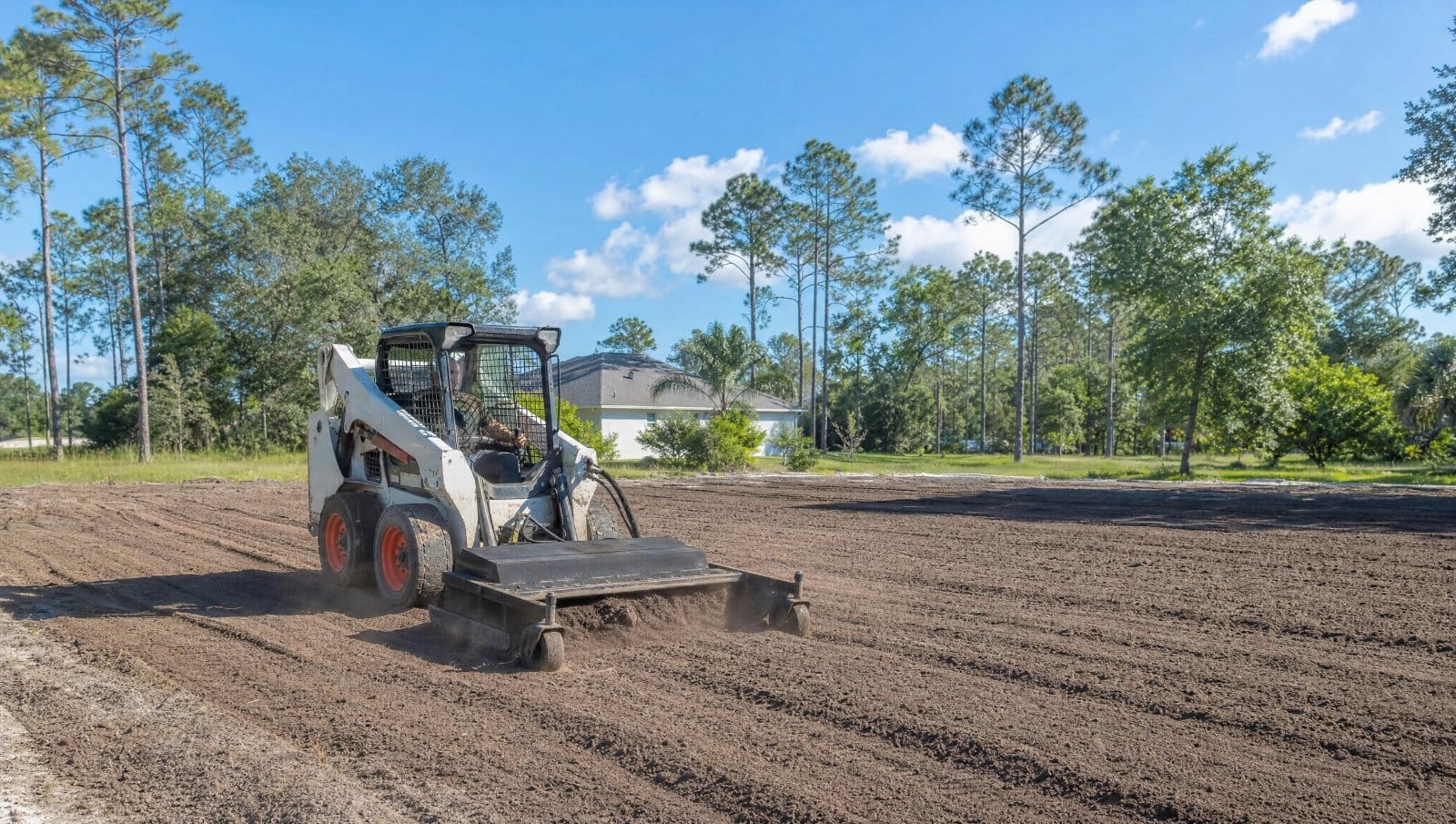
To reshape the land, you need equipment that can handle the heavy lifting. The specific machinery used depends on the size of your property and the project’s goals. You’ll often see bulldozers and scrapers moving large volumes of soil, while excavators are perfect for digging and relocating dirt. For creating a smooth, finished surface, motor graders are the go-to tool. Smaller machines like skid steer loaders are also incredibly versatile, especially for residential projects where maneuverability is key. Each piece of equipment plays a specific role in the larger process of professional excavation and grading.
Precision Tools for Perfect Leveling
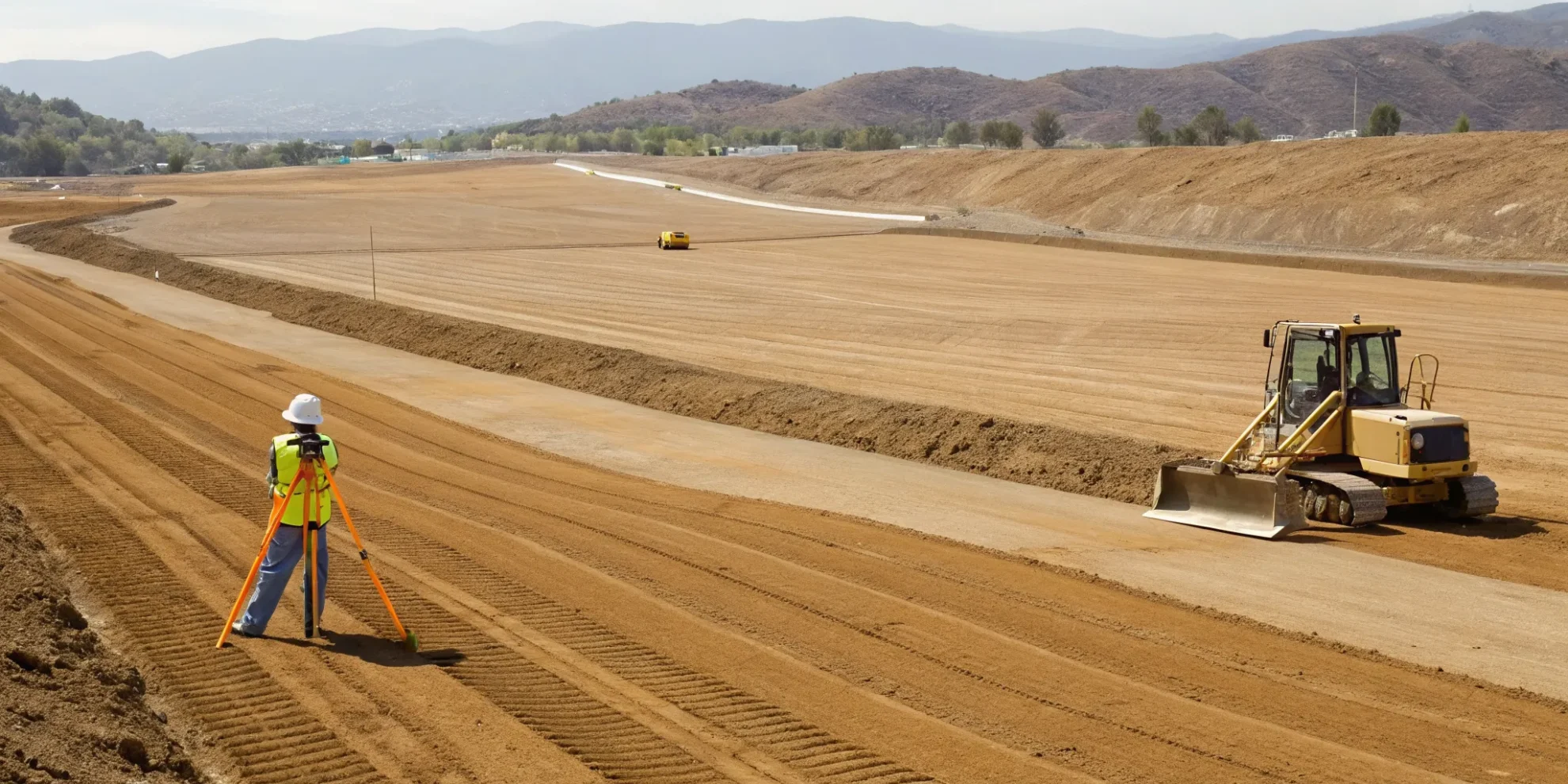
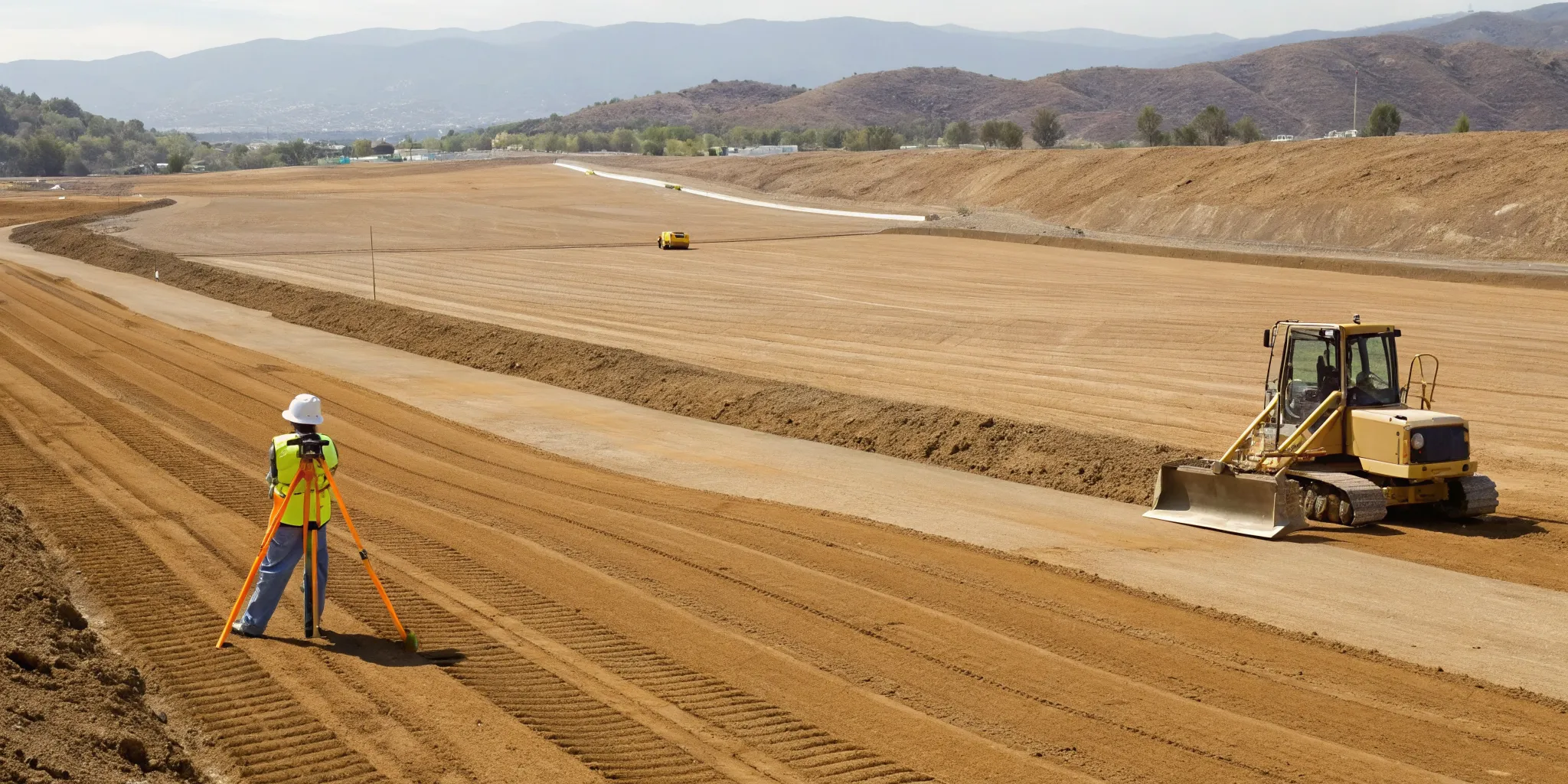
Moving dirt is only half the battle; moving it to the right spot is what truly matters. This is where precision tools come in. To achieve the exact slope needed for proper drainage or a solid foundation, professionals rely on advanced surveying equipment. Laser leveling systems and GPS technology are standard on modern job sites. These tools provide real-time data, allowing equipment operators to grade the land with incredible accuracy. This precision is what separates a professional job from a DIY attempt and ensures the final result is both functional and lasting.
How Modern Tech Ensures Accuracy
Modern technology has transformed land grading from a simple task into a highly technical process. Today’s heavy machinery is often equipped with sophisticated guidance systems. For instance, laser-guided graders can automatically adjust their blades to maintain a consistent, pre-determined slope, eliminating guesswork and human error. This integration of power and precision ensures that every inch of your property is graded according to the plan. Using this technology is essential for complex projects like preparing a site for a new building or installing effective drainage solutions.
A Step-by-Step Look at the Grading Process
Grading isn’t just about pushing dirt around; it’s a careful, multi-step process that transforms your property. Understanding how it works can help you appreciate the skill involved and see why each stage is so important for the final result. From the initial assessment to the final touches, every step builds on the last to create a stable, well-drained, and usable piece of land. Here’s a breakdown of what you can expect when professionals grade your property.
Step 1: Surveying and Planning the Site
Before a single shovel hits the ground, a thorough site survey and plan are essential. This first step is all about strategy. A professional team will assess your land’s topography, soil composition, and natural drainage patterns. This detailed evaluation helps create a precise plan to achieve the right slope and stability for your project, whether you’re building a new home or designing an outdoor living space. Proper planning at this stage is the foundation for the entire project, ensuring that water will flow away from structures and prevent future issues.
Step 2: Preparing the Soil and Clearing the Area
Once a solid plan is in place, the physical work begins with site preparation. This involves clearing the area of any obstacles like trees, stumps, rocks, and other vegetation. Think of it as creating a clean canvas. Professional land clearing is crucial for a smooth grading process, as it removes anything that could interfere with creating a uniform surface. This step ensures that water can run off efficiently and helps prevent soil erosion once the grading is complete, setting the stage for a successful and lasting outcome.
Step 3: Moving and Shaping the Earth
With the site cleared and prepped, it’s time to start moving and shaping the earth. This is where the real transformation happens. Using specialized heavy machinery, operators will cut into high spots and fill in low spots, carefully sculpting the land to match the specifications of the grading plan. This process, often part of professional excavation services, creates the desired contours and slopes. Whether the goal is a perfectly level pad for a foundation or a gentle slope for a backyard, this step ensures the land can support its intended use without problems.
Step 4: Compacting and Finalizing the Surface
The final, critical step is compaction. After the earth has been moved and shaped, the soil is loose and needs to be compacted to create a dense, stable surface. This prevents the ground from settling over time, which could otherwise lead to an unstable foundation, cracks in concrete, or other structural issues. Professionals use compaction equipment to ensure the ground is solid and secure. This finishing touch is vital for the longevity of any project, from a simple patio to a large commercial building, providing a reliable base for whatever comes next.
Do You Need Grading or Leveling?
Deciding whether your property needs grading or leveling can feel like a big question, but it often comes down to a few key factors. Before you can move forward with building a new structure, installing a patio, or solving that annoying water pooling issue, you need a stable, properly sloped foundation. Answering this question isn’t just about aesthetics; it’s about ensuring the long-term health and safety of your property.
To figure out what your land needs, you’ll want to look at it from a few different angles. Think about the current state of your yard, what you hope to achieve with your project, the way water behaves on your property, and any local rules you need to follow. By walking through these considerations, you can get a much clearer picture of whether professional grading is the right next step for you. It helps you move from simply having a problem, like a soggy lawn, to understanding the solution that will prepare your land for years of enjoyment and use.
Assess Your Property’s Slope and Condition
First, take a good look at your land. Do you notice obvious hills and valleys where you want a flat, usable space? After a rainstorm, do you see large puddles of standing water that take days to disappear? These are classic signs that your property’s slope isn’t working for you. Proper grading ensures your land has the right slope to guide water away from your home’s foundation and prevent soggy spots. If you’re dealing with persistent wet areas, you may need professional drainage solutions to correct the flow of water. An uneven surface can also make it difficult to build, plant, or even just enjoy your yard.
Define Your Project Goals
What is your ultimate vision for the space? Getting clear on your goals is essential because it determines the scope of work required. Are you planning to install a new driveway, build a retaining wall, or lay the foundation for a home addition? Each of these projects requires a perfectly prepared, stable base. For example, creating a beautiful outdoor living area with pavers requires a level surface that won’t shift over time. Defining your goals helps a professional team understand exactly what kind of hardscaping services and site preparation you’ll need to bring your vision to life and ensure the final result is both beautiful and durable.
Understand Your Soil and Water Flow
Every property is unique, especially when it comes to soil composition and how water moves across it. The type of soil you have can affect how well it drains and how it should be compacted. A professional assessment is key here. Experts conduct thorough site surveys to create a precise grading plan that accounts for your specific landscape. They design slopes that allow water to run off efficiently while preventing soil erosion. This detailed planning is a critical part of any major excavation project, as it ensures the final grade will be stable and effective for the long haul, protecting your property from water-related issues.
Check Local Regulations
Before starting any major earth-moving project, it’s important to understand your local laws. Many municipalities in Lake Mary and across Central Florida have specific zoning and land use regulations that you must follow. These rules can dictate how much you can alter your property’s slope or where you can build. Trying to handle this on your own can be complicated, but an experienced local contractor will be familiar with the permitting process and regional requirements. They can help ensure your project complies with all necessary codes, preventing potential fines and delays down the road. This is a crucial step in planning any successful land clearing or grading job.
The Benefits of a Professional Job
While land grading might seem like just moving dirt around, it’s a precise science with long-term consequences for your property. Tackling it yourself can lead to bigger problems down the road. Hiring a professional team means you get the right expertise and equipment to do the job correctly the first time. It’s an investment in your property’s health, safety, and future potential. From preventing water damage to creating a solid base for new projects, a professional touch ensures the work is done right, giving you peace of mind and a solid foundation for whatever you have planned next.
Protect Your Property from Water Damage
One of the most critical roles of land grading is managing water flow. Without a proper slope, rainwater can pool near your home’s foundation, seep into your basement, or create swampy, unusable areas in your yard. Proper grading creates a gentle, intentional slope that directs water away from structures and toward appropriate drainage points. A professional assessment identifies the ideal grade to prevent flooding and standing water. By investing in expert drainage solutions, you protect your home from costly water damage and keep your landscape healthy and functional, even during Florida’s heavy rains.
Increase Your Land’s Value and Functionality
An uneven, sloped, or bumpy yard can be difficult to use and enjoy. Professional grading transforms challenging terrain into a beautiful, functional space. It helps customize a basic plot of land into one that’s perfectly suited for your vision, whether that includes a new patio, a garden, or a safe play area for your kids. By creating a level and stable surface, you open up a world of possibilities for landscape design and outdoor living. This not only makes your property more enjoyable for you and your family but also significantly enhances its curb appeal and overall market value.
Ensure a Stable Foundation for Structures
If you’re planning any type of construction, from a new home addition to a simple shed or retaining wall, the ground it sits on must be perfectly prepared. A professional grading contractor ensures your site’s foundation is stable, level, and properly compacted for your project. This step is non-negotiable for structural integrity. An improperly prepared base can lead to settling, shifting, and cracking over time, compromising the entire structure. Expert excavation and grading create a solid foundation for success, ensuring your new addition is built to last for years to come.
Stop Erosion in Its Tracks
Water runoff can be a destructive force, washing away valuable topsoil and carving out unsightly gullies in your landscape. This process, known as erosion, can destabilize slopes and damage your property over time. Professional land grading is one of the most effective ways to stop erosion. Experts design slopes that allow water to run off efficiently while keeping the soil in place. This careful management of water flow protects your landscape and prevents the loss of topsoil. It creates a stable environment that’s ready for new tree planting or sod, ensuring your greenery has a secure base to thrive.
Common Grading Mistakes to Avoid
Land grading looks straightforward, but it’s a science. A few common missteps can lead to drainage nightmares, unstable ground, and project delays. Understanding these mistakes is the first step to making sure your project starts on solid ground and stays that way for years to come. When you know what to watch for, you can ensure your land development project succeeds from the ground up.
Underestimating the Project’s Complexity
It’s easy to think of grading as just moving dirt around until it looks flat, but it’s far more technical. A successful project requires a deep understanding of topography, soil mechanics, and water flow. Simply leveling an area without considering the bigger picture can accidentally create new problems, like sending water runoff toward your home’s foundation. Professionals approach grading with a detailed plan that accounts for the entire property, ensuring every slope and contour serves a specific purpose. This careful excavation and shaping prevents future issues and sets the stage for a stable, functional landscape.
Ignoring Your Property’s Unique Soil and Drainage
Every property in Central Florida has a unique combination of soil type and natural water flow. Ignoring these factors is a recipe for trouble. Sandy soil drains differently than clay-heavy soil, and the existing slope dictates where rainwater will go during a heavy storm. A professional site assessment identifies these characteristics first. This allows for a precise grading plan that directs water away from structures and prevents erosion. Proper landscape drainage isn’t an afterthought; it’s a core component of a well-graded property that protects your investment.
Skipping Permits and Proper Planning
In the rush to get a project started, the planning phase can sometimes get cut short. But this is where the foundation for success is laid. Proper grading requires a clear goal, whether you’re preparing for a new patio, a building extension, or a lush garden. This initial planning ensures the final grade supports your vision. It also involves checking local regulations and securing any necessary permits before the first scoop of dirt is moved. A professional team handles this entire process, making sure your project is compliant and aligned with your specific goals from day one.
Forgetting Proper Compaction and Finishing
Once the earth is moved and shaped, the job isn’t done. The final, crucial step is compaction. Skipping this or doing it improperly leaves the soil loose and unstable. This can cause the ground to settle unevenly over time, leading to cracks in your patio, a lumpy lawn, or even a compromised building foundation. Professional contractors use specialized equipment to compact the soil to the correct density, creating a solid and stable base. This finishing touch is essential for the longevity of any hardscaping or construction project that follows.
How to Choose the Right Grading Contractor
Choosing the right grading contractor is one of the most important decisions you’ll make for your property. This is the team responsible for shaping your land, ensuring water flows away from your home, and creating a stable base for everything that comes next, whether it’s a new patio, a driveway, or a home extension. The right partner will have the technical skill to get the job done correctly and the professionalism to make the process smooth and straightforward.
A great contractor doesn’t just move dirt around; they understand the science behind it. They know how to read the land, work with Central Florida’s unique soil composition, and create a finished grade that is both functional and beautiful. Taking the time to find a qualified professional will save you from potential headaches like foundation issues or drainage problems down the road. Think of it as an investment in your property’s long-term health and stability.
Look for Proven Experience and Expertise
When it comes to grading, there’s no substitute for hands-on experience. An experienced contractor has seen it all, from tricky slopes to unexpected soil conditions. They can anticipate challenges before they become problems and have the knowledge to execute the job correctly the first time. Look for a company with a strong portfolio of completed projects in the Lake Mary area and a solid reputation in the community.
A seasoned professional understands that their work is the literal foundation for your project. They know that proper excavation and grading are essential for preventing water damage and ensuring structural integrity. Don’t hesitate to ask about their background and how long they’ve been providing land services. A confident, experienced team will be happy to share their history with you.
Ask About Their Equipment and Capabilities
The quality of a contractor’s equipment often reflects the quality of their work. A professional grading company will own and maintain a fleet of modern, reliable machinery. Using the right tools, from bulldozers and excavators to precision lasers, allows the team to work efficiently and accurately, keeping your project on track. Outdated or poorly maintained equipment can lead to delays and subpar results.
When you speak with a potential contractor, ask what kind of machinery they plan to use for your specific project. A well-equipped team can handle jobs of any scale, from clearing a small residential lot to preparing a large commercial site. Their investment in quality equipment shows a commitment to delivering top-notch land clearing and grading services.
Key Questions to Ask Before You Hire
Making an informed decision starts with asking the right questions. A reputable contractor will welcome your inquiries and provide clear, direct answers. This conversation helps you gauge their professionalism and ensures you’re both on the same page before any work begins.
Here are a few key questions to get you started:
- Can you provide references or show me examples of similar projects you’ve completed?
- What is your process for creating a grading plan for my property?
- How do you handle unexpected site conditions, like buried rocks or poor soil?
- What is the estimated timeline for my project?
Getting answers to these questions will help you find a partner who can deliver the hardscaping services and site preparation you need with confidence and skill.
Red Flags to Watch Out For
Just as important as knowing what to look for is knowing what to avoid. A few warning signs can help you steer clear of unqualified or unprofessional contractors. Be cautious if a contractor is evasive when answering questions, can’t provide references, or pressures you to make a decision immediately. A true professional will give you the time and information you need to feel comfortable.
Poorly executed grading can lead to serious issues, including foundation damage and chronic water problems. If a contractor seems to lack a clear plan or dismisses your concerns about drainage, it’s a major red flag. Your property is a significant investment, so it’s worth finding a team that prioritizes quality and understands the importance of proper drainage solutions.
Related Articles
Frequently Asked Questions
What’s the simplest way to tell if I need grading or leveling? Think about your main goal. If you’re trying to solve a water problem, like puddles forming near your house or a constantly soggy yard, you most likely need grading to create a proper slope. If you need a perfectly flat, stable surface for something specific like a new patio, a shed, or a play set, then leveling is what you’re looking for. Grading is about directing water, while leveling is about creating a usable, even foundation.
Is grading only necessary for big construction projects? Not at all. While grading is a critical first step for any new building, it’s also the solution for many smaller-scale landscape issues. You might need grading to fix persistent drainage problems in your backyard, prepare the ground for a new driveway, or even create a more functional slope for a garden. Any project that requires stable ground and proper water management can benefit from professional grading.
Can I do my own land grading to save money? It might seem like a straightforward job, but grading is surprisingly technical. Getting the slope wrong, even by a tiny fraction, can accidentally send water flowing directly toward your home’s foundation, leading to serious and expensive problems. Professionals use specialized surveying tools and heavy equipment to ensure the grade is precise, the soil is properly compacted, and the final result is stable and effective.
Will the grading process damage my property or existing landscape? A professional team works carefully to minimize the impact on your property. The process always starts with a detailed plan that clearly defines the work area. While moving earth will naturally cause some disruption within that specific zone, the goal is to protect the surrounding trees, plants, and structures. A reputable contractor will treat your property with respect and leave the site ready for your project’s next phase.
How long does a typical grading project take? The timeline for a grading project can vary quite a bit. It really depends on the size of the area and the complexity of the work involved. Leveling a small section of your yard for a new garden will be much quicker than grading an entire lot for a new home. A professional assessment will give you a clear idea of the project’s scope and a realistic schedule from start to finish.