What Are Lot Clearing Services? A Complete Guide
An overgrown property can be more than just an eyesore; it can be an unusable space that feels overwhelming to tackle. You might have big plans for that land, but the dense vegetation and hidden obstacles stand in your way. The solution is a comprehensive clearing that transforms the area into a safe, clean, and functional space. Professional lot clearing services do more than just remove surface-level problems; they address underground stumps and grade the land for proper drainage. This article is your roadmap to understanding the entire process, helping you move from a cluttered lot to a clear beginning for your next project.
Key Takeaways
- Lot clearing is more than just tree removal: A thorough job includes grinding stumps, clearing all debris, and grading the land to create a stable, properly drained site ready for your next project.
- Choose an experienced contractor for a safe and successful project: A professional team brings the right equipment, technical expertise, and understanding of local permits to get the job done correctly and without dangerous mistakes.
- Prepare your property for a smoother process: Before work begins, create a clear plan by marking property lines, identifying trees to save, and calling 811 to locate utility lines. This simple prep work helps prevent delays and ensures the crew brings your vision to life.
What is Lot Clearing?
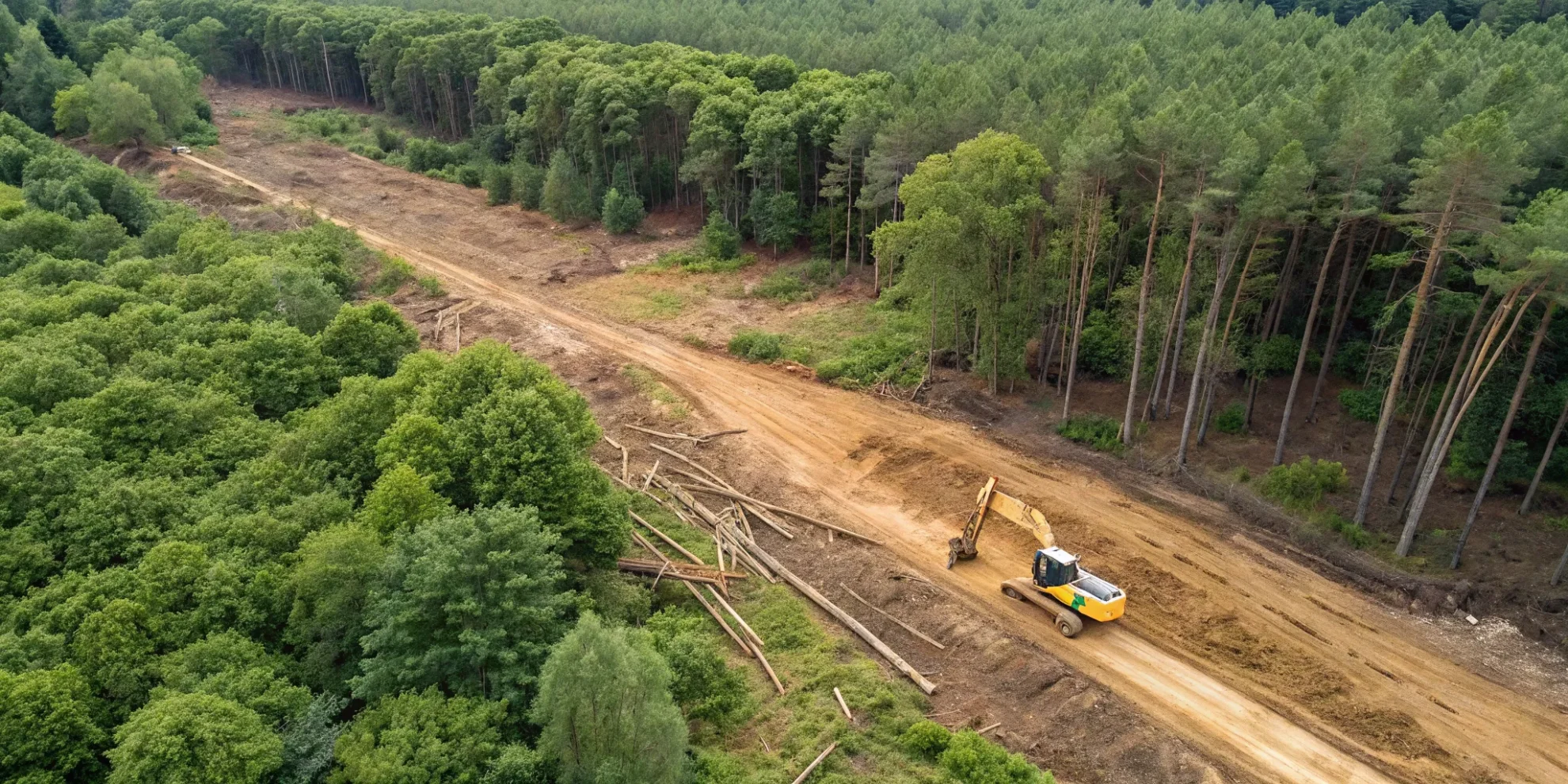
When you look at an overgrown piece of property, it can be tough to see its potential. That’s where lot clearing comes in. It’s the process of transforming a wild, unusable plot of land into a clean slate, ready for your next project. Think of it as more than just cutting down a few trees; it’s a comprehensive site preparation service. The goal is to remove all obstacles, from trees and brush to stumps and debris, creating a safe and stable foundation for whatever you have planned, whether it’s a new home, a commercial building, or a beautiful garden.
A professional land clearing project involves several key steps. It starts with removing all the surface-level vegetation. Then, it goes deeper to take care of stubborn stumps and root systems hidden below the ground. After everything is cleared, the debris is hauled away, and the land is often graded to ensure it’s perfectly prepped. Each step is essential for making sure your property is truly ready for development, preventing future problems like uneven ground or poor water drainage.
Removing Trees and Brush
The first and most visible step in clearing a lot is removing the existing vegetation. This means taking out everything from large, mature trees to dense undergrowth, shrubs, and weeds. The goal is to strip the land back to its bare soil, giving you a completely open space to work with. This process requires careful planning, especially when dealing with large trees that could be close to property lines or other structures. Professional tree removal ensures that this is done safely and efficiently, clearing the way without causing damage to the surrounding area. It’s the foundational step that makes all the subsequent work possible.
Grinding Stumps and Roots
Once the trees are gone, you’re left with stumps. Simply cutting a tree at its base isn’t enough for true land clearing. Stumps can get in the way of construction, rot over time and attract pests, and even sprout new growth. Stump grinding is the standard method for dealing with them. A powerful machine grinds the stump and its major roots into small wood chips, typically going well below the ground’s surface. This not only removes the visible obstacle but also allows the ground to be leveled smoothly, creating a stable and clear area for building, paving, or planting new trees.
Clearing Away Debris
After all the trees, brush, and stumps have been taken care of, you’re left with a lot of organic material. A crucial part of the lot clearing process is the complete removal of all this debris. This includes hauling away logs, branches, wood chips from stump grinding, and any other accumulated trash or obstacles on the property. A professional team ensures that your site is left completely clean and tidy. This step is essential for safety and prepares the land for the final grading and prep work. Proper storm damage cleanup follows the same principle: leaving the property clear and safe.
Grading and Prepping the Land
The final step is to shape and prepare the earth itself. Grading involves using heavy equipment to sculpt the land, creating a smooth, even surface. More importantly, it establishes the proper slope to direct water away from future foundations or landscaped areas. This is a critical step in preventing pooling water and potential flooding. Proper landscape drainage starts with a well-graded lot. Whether you’re planning to build a house, install a patio, or lay sod, grading ensures your land is stable, functional, and ready for the next phase of your project.
How to Choose a Lot Clearing Company
Choosing the right partner for your lot clearing project is the most important step you’ll take. The company you hire will be responsible for transforming your property safely and effectively, setting the stage for whatever you have planned next. A great team brings not just the right tools, but also the right experience and professionalism to get the job done correctly. To make sure you find a reliable contractor, focus on a few key areas: their credentials, experience, equipment, and reputation. Taking the time to vet your options will give you peace of mind and ensure your project is a success from the ground up.
Check for Proper Credentials
Before you hire anyone, make sure they are a legitimate and professional business. A reputable company will be fully licensed to perform land clearing work in Florida and will follow all local and state regulations. This is non-negotiable, as it protects you, your property, and the workers on site. Ask for proof of their credentials upfront. A professional contractor will be happy to provide this information. This simple step ensures you’re working with a team that operates legally and takes its responsibilities seriously, which is the foundation of a successful and stress-free project.
Look for Relevant Experience
Lot clearing is more complex than it looks, and experience matters. Look for a company with a proven track record of successfully clearing properties similar to yours in the Central Florida area. An experienced team understands the local landscape, from the types of trees and soil to potential challenges that might arise. They can anticipate issues before they become problems and complete the work more efficiently. Don’t hesitate to ask about their past projects or look through their portfolio. A company with deep roots in the community has demonstrated its ability to deliver quality results time and time again.
Ensure They Have Professional Equipment
The right tools are essential for a safe and effective land clearing project. A professional company will have a fleet of well-maintained, heavy-duty equipment, including excavators, bulldozers, and stump grinders. Having the right machinery means the job can be handled efficiently, no matter the scale or complexity. Companies that own their equipment can stick to a timeline without waiting on third-party rentals. This professional-grade equipment is also key to performing precise work, like grading the land properly after clearing, which is crucial for your future construction or landscaping plans.
Read Customer Reviews
One of the best ways to gauge a company’s quality of work and customer service is to see what past clients have to say. Check online reviews on sites like Google to get a sense of their reputation. Look for comments that speak to their professionalism, communication, and ability to stay on schedule. While a single negative review might not be a dealbreaker, a pattern of similar complaints should be a red flag. Conversely, consistently positive feedback is a strong indicator that you’re dealing with a reliable and trustworthy company that values its customers and delivers on its promises.
Professional Lot Clearing vs. DIY: Which is Right for You?
Tackling a home project yourself can be incredibly rewarding, but when it comes to clearing a lot, the scale is completely different. This isn’t just a weekend gardening project; it’s a major undertaking that involves heavy machinery, potential hazards, and local regulations. Deciding whether to hire a professional or do it yourself comes down to weighing your skills, timeline, and tolerance for risk.
While the DIY route might seem appealing, it’s important to have a clear picture of what the job entails. Professional land clearing is more than just removing trees. It involves a strategic approach to transform an overgrown plot into a clean, usable space ready for your next project. Let’s break down the key differences to help you make the right choice for your property.
Managing Safety and Risks
Clearing land is one of the more dangerous property improvement jobs you can attempt. It often involves felling large trees, operating powerful equipment, and dealing with unpredictable terrain. A single miscalculation can lead to serious injury or property damage. Professionals are trained to assess a site for hidden dangers, like unstable trees or underground utility lines, and follow strict safety protocols. They have the experience to manage the complexities of the job, ensuring everything is handled correctly and without incident.
Having the Right Tools and Expertise
Lot clearing requires more than a chainsaw and a strong back. The job typically calls for specialized heavy equipment like excavators, bulldozers, and industrial-grade wood chippers. While you can rent this machinery, operating it safely and effectively requires a steep learning curve. A professional crew not only has access to the right tools but also possesses the expertise to use them efficiently. Their experience means they can perform complex tasks, like excavation and grading, to prepare your land perfectly for its next use.
Saving Time and Getting it Done Efficiently
What might take a professional crew a few days to complete could take you weeks or even months of weekends. A DIY project often involves a lot of trial and error, not to mention the time spent sourcing and learning to use equipment. Professional services are built on efficiency. An experienced team works together seamlessly to clear the land, remove debris, and prep the site, keeping your project on schedule. This is especially valuable if your lot clearing is the first step in a larger construction or landscaping plan where delays can cause a domino effect.
Following Environmental and Disposal Rules
Did you know that you might need a permit to remove certain trees or clear a piece of land? Many municipalities in Central Florida have specific regulations about land clearing, tree preservation, and debris disposal. Working through these local rules can be confusing, and failing to comply can result in fines or project delays. A reputable lot clearing company is familiar with local ordinances and will handle the permitting process for you. They also know how to dispose of green waste responsibly, ensuring your project is compliant from start to finish.
Understanding Environmental Rules for Lot Clearing
When you’re ready to start a new project on your property, clearing the land is often the first big step. But it’s more than just taking down trees and hauling away brush. Responsible land clearing involves working in harmony with the environment and following local rules. Understanding these guidelines not only keeps your project on track but also protects the natural beauty of our Central Florida communities. From securing the right permits to preserving local wildlife, a thoughtful approach makes all the difference.
Local Permit Requirements
Before breaking ground, it’s essential to check with your local city or county about permits. Most land clearing projects need official approval, and the rules can vary significantly depending on where you are in Central Florida. This process helps ensure that the work is done safely and in accordance with local zoning and environmental laws. Skipping this step can cause project delays and unnecessary headaches. A professional land clearing team can help you determine exactly what paperwork is needed for your property. Getting your permits in order from the start ensures a smooth process, so you can focus on the exciting parts of your project.
Protecting Wildlife and Natural Habitats
Your property is part of a larger ecosystem, and thoughtful clearing helps protect it. Before work begins, it’s a good practice to walk the land and look for signs of wildlife, like animal nests, burrows, or even protected plant species. Whenever possible, leaving a few natural areas or a buffer of trees intact can provide a sanctuary for local critters and preserve biodiversity. This approach shows respect for the environment and often aligns with local conservation regulations. Our certified arborist services can help identify significant trees and offer expert guidance on how to best manage your land while respecting its natural inhabitants.
Using Sustainable Clearing Methods
What happens to all the trees, stumps, and brush after they’re removed? Sustainable clearing focuses on recycling this organic material right on-site. Instead of sending everything to a landfill, methods like brush chipping and mastication turn waste into valuable resources. This material can be processed into a decorative ground cover that enriches your soil, prevents weed growth, and protects your new landscape. Opting for these eco-friendly techniques minimizes your project’s environmental footprint and contributes to the long-term health of your property. It’s a smart, responsible way to handle debris and prepare your land for what’s next.
Preventing Soil Erosion
Once your lot is cleared, the bare soil is vulnerable to wind and rain, which can lead to erosion. Preventing this is key to maintaining the integrity of your land and preventing runoff into nearby waterways. A few effective strategies include leaving some existing ground cover in place or strategically placing erosion control fabrics. It’s also wise to avoid using heavy machinery on saturated ground, as this can compact the soil and worsen runoff. After clearing, laying down fresh sod or mulch is an excellent way to stabilize the soil, prevent erosion, and get a head start on your new landscape.
Common Lot Clearing Challenges to Anticipate
Embarking on a land clearing project is exciting, but it’s smart to go in with a clear understanding of what to expect. Even the most straightforward-looking properties can present a few surprises. From unexpected items buried just below the surface to sudden changes in Florida weather, several factors can complicate the process. Knowing these potential hurdles ahead of time helps you prepare and ensures your project stays on track. A professional team has seen it all before and knows exactly how to handle these common challenges efficiently and safely, turning potential problems into minor bumps in the road.
This foresight comes from years of experience working on diverse properties across the region. They understand the local soil conditions, common underground obstacles, and how to work with the weather, not against it. This expertise is what separates a smooth, successful project from one filled with frustration and unexpected stops. By partnering with experts, you can feel confident that every stage, from initial assessment to final debris removal, is managed with precision and care. They bring not just the heavy machinery but also the strategic planning needed to address issues before they escalate, ensuring a seamless transition from overgrown lot to build-ready site.
Hidden Underground Obstacles
You never truly know what lies beneath the surface until you start digging. It’s common to find old tree stumps, large buried rocks, or forgotten construction debris hidden underground. These obstacles can be more than just a nuisance; they can cause significant delays or even damage heavy equipment if not handled correctly. Professional crews use their experience and specialized tools to manage these surprises. They can effectively perform the necessary excavation to remove underground obstructions, ensuring the clearing process continues smoothly without putting your timeline or the equipment at risk. This expertise is key to preparing a truly clean slate for your property.
Potential Weather Delays
Here in Central Florida, the weather can be unpredictable. A sudden downpour can turn a worksite into a muddy mess, making it difficult and unsafe for heavy machinery to operate. Strong winds, especially during storm season, can also bring work to a halt or create new hazards with falling branches. Experienced land clearing professionals constantly monitor weather forecasts and plan their work accordingly. They know how to adapt to changing conditions to keep the project moving forward safely. In the event of severe weather, they also have the skills for effective storm damage cleanup to get things back on track quickly.
Permit and Regulatory Hurdles
Clearing your land isn’t always as simple as just starting the work. Many local municipalities in Lake Mary and across Central Florida have specific regulations and require permits for activities like tree removal or hauling away large amounts of debris. Trying to figure out these rules on your own can be confusing and time-consuming. Failing to get the right permits can lead to fines and stop your project in its tracks. A reputable company will be familiar with local requirements and can guide you through the process, ensuring all work is done in full compliance with the law.
Safe Debris Disposal
Once the trees, brush, and stumps are cleared, you’re left with a large amount of organic debris. What do you do with it all? Proper disposal is a critical final step in any land clearing project. Simply leaving piles of debris on your property isn’t an option, and there are often local rules about burning or dumping. A professional service includes a plan for the safe and responsible removal of all materials from your site. They have the right equipment to haul everything away, leaving your property clean, clear, and ready for whatever you have planned next.
4 Common Myths About Lot Clearing, Debunked
When it comes to preparing a piece of land for a new project, a lot of misconceptions float around. Let’s clear the air and look at what professional lot clearing is really about.
Myth: It’s Just Random Tree Cutting
Many people think lot clearing is just about taking a chainsaw to every tree in sight. In reality, it’s a careful and strategic process. Professional land clearing is a foundational step that sets the stage for whatever you’re planning, whether it’s a new home, a commercial building, or a landscape overhaul. It involves assessing the land, deciding which trees should stay for aesthetic or environmental reasons, and planning the removal process to ensure safety and efficiency. It’s about creating a clean, stable, and usable slate for your project, not just making a mess. A thoughtful approach ensures the long-term stability and success of your construction or landscaping plans.
Myth: DIY is Always the Better Option
Tackling a big project yourself can be tempting, but lot clearing is rarely a good weekend warrior task. While you might be able to handle a few small shrubs, clearing an entire lot requires heavy machinery, specialized knowledge, and a deep understanding of safety protocols. Professionals are faster, safer, and more efficient because they have the right equipment and experience. Trying to do it yourself can lead to serious injuries, equipment damage, or incomplete work that ends up needing a professional to fix anyway. Hiring an experienced team for tree removal and clearing saves you time, prevents dangerous mistakes, and ensures the job is done right from the start.
Myth: All Clearing Services Are the Same
It’s easy to assume that any company with a truck and a chainsaw can clear a lot, but that’s far from the truth. The difference between an amateur and an experienced contractor is huge. A professional team understands local regulations, knows how to handle unexpected challenges like hidden stumps or difficult terrain, and prioritizes safety above all else. Choosing a responsible contractor means you’re working with someone who can protect the environment, manage the project efficiently, and deliver a properly prepared site. They bring a level of expertise to services like excavation and grading that ensures your land is truly ready for the next phase.
Myth: The Environmental Impact is Minimal
Clearing land definitely has an environmental impact, but a professional approach can manage it responsibly. It’s not just about removing vegetation; it’s about doing so in a way that respects the local ecosystem. An environmentally conscious contractor will work to prevent soil erosion by using proper techniques, protect surrounding wildlife habitats, and ensure all green waste is recycled or disposed of correctly. They can also help you select and preserve healthy, mature trees that can be incorporated into your new landscape design. Responsible storm damage cleanup and clearing practices show that preparing your property and caring for the environment can go hand in hand.
What Factors Influence Your Lot Clearing Project?
No two pieces of land are exactly alike, which means every lot clearing project is unique. The approach, timeline, and equipment needed all depend on a specific set of variables tied to your property and your goals. Understanding these factors will help you set clear expectations and ensure your project runs smoothly from start to finish. From the size of your lot to the type of vegetation growing on it, each detail plays a role in shaping the scope of the work.
Key Project Scope Factors
The specific characteristics of your property are the biggest influence on any clearing project. A small, flat lot with only light brush is a much different undertaking than a large, sloped property covered in dense, mature trees. Key factors include the overall acreage, the type and density of vegetation, and the land’s topography. A professional team will assess whether the job requires simple brush removal or more intensive tree removal and stump grinding. The accessibility of your property also matters, as it determines what kind of heavy equipment can be brought on-site to get the job done efficiently.
How Project Type Affects the Work
What you plan to do with the land after it’s cleared will guide the entire process. Clearing a lot for new home construction is a foundational step that requires a thorough approach. This often involves removing all trees, stumps, and roots to create a stable, clean slate for builders. In contrast, preparing a site for a new garden or landscaping feature might be more selective. You may want to preserve certain healthy trees for shade or aesthetic appeal while clearing specific areas. The end goal defines the scope, making professional land clearing a tailored service, not a one-size-fits-all solution.
Getting a Clear Project Assessment
The best way to understand the full scope of your project is through a professional on-site consultation. A walk-through allows an expert to see the property firsthand, identify potential challenges, and listen to your vision for the space. This is your opportunity to ask questions and clarify your goals. Following the visit, a reputable company will provide a detailed project plan outlining the proposed work and timeline. This assessment, often performed by certified professionals with deep knowledge of arborist services, ensures that you and your contractor are perfectly aligned before the first tree is ever touched.
How to Prepare Your Property for Lot Clearing
Once you’ve decided to move forward with a land clearing project, a little preparation can make a world of difference. Taking a few key steps beforehand helps the process run smoothly and ensures the final result matches your vision. Think of it as setting the stage for a successful transformation of your property.
Start with a Site Plan
Before any equipment arrives, walk your property with a clear goal. Identify any trees or features you want to keep, and note potential challenges like old structures or soggy areas. Most importantly, be certain about your property lines to prevent confusion or neighborly disputes. Use stakes or brightly colored flags to mark boundaries and highlight anything you’d like to preserve. This simple step ensures everyone is on the same page from the start.
Identify and Mark Utility Lines
Safety is the top priority. Before any digging begins, you need to know what’s underground, as hidden utility lines pose a serious risk. The best first step is to call 811, the national “call before you dig” hotline, to have public utilities marked. You should also check with your local Central Florida city or county offices for any special permits. Getting this sorted out early prevents unexpected delays.
Coordinate Your Timeline
Good timing is essential. The permit process can take a few weeks, so it’s wise to apply well in advance. You should also consider the season; here in Florida, heavy rains can make the ground soft and difficult to work on. Communicating with your excavation team will help you set a realistic schedule that accounts for permits, weather, and the scope of your project.
Plan for What Comes Next
Lot clearing is often the first step toward a bigger goal. Are you planning to build a home or install a patio? Thinking about the next phase helps ensure the land is prepped correctly. For example, if you’re building, the land may need grading to direct water away from the future foundation. Proper landscape drainage is key to preventing future water issues. Knowing your next steps allows the clearing team to leave your property perfectly prepared for what’s next.
Related Articles
Frequently Asked Questions
How long does a typical lot clearing project take? The timeline for clearing a lot really depends on the property itself. A smaller, relatively flat lot with light brush might only take a day or two, while a large, sloped property with dense, mature trees could take a week or more. Factors like the size of the land, the type of vegetation, and even the weather can influence the schedule. A professional team can give you a much clearer timeline after assessing your specific property.
Can I choose to keep some of the trees on my lot? Absolutely. Professional lot clearing is a strategic process, not just a clear-cutting operation. During an initial consultation, you can walk the property with an expert and point out any healthy, mature trees you’d like to preserve for shade, privacy, or aesthetics. A good contractor will work with you to create a plan that clears the way for your project while incorporating the natural elements you want to keep.
What’s the difference between land clearing and simple tree removal? Think of tree removal as a single task, while land clearing is a comprehensive site preparation service. Tree removal focuses on taking down one or more specific trees. Land clearing, on the other hand, transforms an entire plot of land by removing all obstacles, including trees, brush, stumps, and roots. It often finishes with grading the land to ensure it’s a stable and properly drained foundation for whatever you plan to build or plant next.
What happens to all the wood chips and debris after the job is done? A professional service includes the complete removal and responsible disposal of all organic material from your property. This means all logs, branches, and other green waste are hauled away, leaving you with a clean and tidy site. In many cases, the wood can be chipped into mulch, which is an excellent, sustainable option for recycling the material and preparing it for future landscaping use.
Do I need to get the permits for lot clearing myself? Navigating local regulations can be one of the most confusing parts of the process. While the property owner is ultimately responsible, an experienced lot clearing company will guide you through every step. They are familiar with the specific permit requirements in Central Florida and can handle the paperwork to ensure your project is fully compliant with all local rules, saving you time and preventing potential headaches.