Land Clearing and Grading: A Step-by-Step Guide
That overgrown section of your property or the part of your yard that floods after every storm doesn’t have to be a permanent problem. Many property owners feel stuck with unusable or challenging land, but there is a clear solution. Professional land clearing and grading is the key to reclaiming your space and turning it into a valuable, functional asset. This process addresses core issues by removing unwanted vegetation, stumps, and debris, then carefully sculpting the earth to solve drainage problems and create a stable foundation. It’s the most effective way to prepare for new construction, landscaping, or simply to make your property safer and more enjoyable.
Key Takeaways
- Understand the difference between clearing and grading: Land clearing removes obstacles like trees and brush to create usable space, while grading shapes the land itself to manage water flow and establish a solid, stable base.
- A successful project starts with a solid plan: Before work begins, it’s essential to have a professional site assessment, secure any necessary local permits, and follow safety protocols like identifying underground utilities.
- Quality site prep prevents future problems: Investing in proper grading and soil compaction is crucial for long-term stability, helping you avoid serious issues like water damage, soil erosion, and shifting foundations down the road.
What is Land Clearing and Why Do You Need It?
If you’re planning a new construction project, a landscape redesign, or simply want to reclaim an overgrown part of your property, you’ll likely start with land clearing. At its core, land clearing is the process of removing trees, stumps, brush, rocks, and other debris from a piece of land. Think of it as creating a clean slate, preparing the site for whatever you have planned next. This is an essential first step for a wide range of projects, from building a new home or commercial building to installing a pool, planting a garden, or creating a pasture.
However, land clearing is about more than just making space. It’s a foundational process that impacts the long-term health and stability of your property. Proper clearing improves soil health, promotes the growth of desirable vegetation, and can even reduce the risk of pests and wildfires. By removing unwanted growth and obstacles, you create a safe, usable, and valuable area. Whether your goal is to build something new or simply make your property more functional, starting with professional land clearing ensures your project is built on solid ground from the very beginning.
How the Land Clearing Process Works
A successful land clearing project is built on a thoughtful and strategic plan. It’s not just about removing everything in sight; it’s a multi-step process that ensures the job is done correctly and efficiently. It typically begins with a thorough site evaluation, where professionals assess the terrain, soil type, and existing vegetation to identify any potential challenges.
From there, a detailed plan is created to outline the best methods and equipment for the job. This planning stage is crucial for aligning the work with your long-term goals. Once the plan is set, the physical work of removing trees, brush, and debris begins. After the major obstacles are gone, the land is prepared for its next use, which often involves services like excavation or grading to ensure a level and stable surface.
The Benefits of Professional Land Clearing
Hiring a professional team for your land clearing project offers significant advantages that protect your investment for years to come. Professionals bring the right equipment and expertise to handle the job safely and efficiently, preventing damage to your property. Their experience helps avoid common pitfalls that can lead to major problems later, such as soil erosion or drainage issues.
A key benefit is the expert assessment of your property’s unique needs. Professional arborist services can identify which trees are healthy and worth keeping, preserving the natural beauty and value of your land. Ultimately, professional clearing ensures a solid foundation for any construction or landscaping project, preventing costly issues like unstable soil or water damage. It’s a smart first step that sets your project up for a smooth and successful outcome.
Land Grading vs. Land Clearing: What’s the Difference?
When you’re preparing a piece of property for a new project, you’ll often hear the terms “land clearing” and “land grading” used. While they sound similar and are often done together, they are two distinct and equally important processes. Think of it like getting a room ready to paint. First, you clear out all the old furniture and take down the pictures. Then, you patch the holes and sand the walls to create a smooth surface.
Land clearing is the first part: removing obstacles. This involves taking out trees, stumps, large rocks, thick brush, and even old, unwanted structures. The goal is to create a clean slate, giving you an open, workable space. Land grading, on the other hand, is the process of sculpting the earth itself to create a level base or a specific slope. It’s a crucial step for ensuring your project has a stable foundation and proper drainage.
A Look at the Land Grading Process
Grading is all about shaping the land to meet the needs of your project. It’s a precise process that involves moving soil from higher areas to lower ones to create a specific contour. The primary goal is to control the flow of water. A proper grade ensures that rainwater flows away from your home’s foundation, preventing pooling and potential water damage. This is especially important for creating effective landscape drainage solutions that protect your property.
Beyond drainage, grading establishes a solid, level foundation for new construction, whether you’re building a house, installing a patio, or paving a driveway. Farmers even grade their fields to improve irrigation and prevent soil erosion, which shows just how essential proper shaping is for land management.
Key Distinctions Between Clearing and Grading
The easiest way to remember the difference is that clearing is about subtraction, while grading is about reshaping. Land clearing removes unwanted elements from the surface, while grading manipulates the ground itself to achieve a desired level or slope. They are two different phases of site preparation, and one almost always follows the other. You can’t properly grade a site that’s still covered in trees and boulders.
Both steps are foundational to the success of any construction or major landscaping project. Starting with a properly cleared and graded site prevents countless future problems, from shifting foundations to serious drainage issues. Professional excavation services handle this work to ensure the ground is perfectly prepared for whatever you have planned next.
Common Methods and Tools for Clearing and Grading
When it comes to transforming a piece of land, having the right approach and equipment is everything. The methods used for clearing and grading depend entirely on the specifics of your property, including its size, terrain, and what you plan to do with it afterward. For a large, overgrown lot destined for a new building, heavy machinery is often the go-to solution. But for a smaller area that needs a more delicate touch, a different set of tools might be required.
Professionals have a wide range of techniques at their disposal to handle any scenario. These methods ensure the job is done efficiently, safely, and with the best possible results for your future plans. From powerful earth-movers that reshape the land to eco-friendly options that recycle vegetation on-site, understanding these common practices can help you appreciate what goes into creating a clean, stable, and usable property. Let’s look at some of the key tools and techniques used in the field.
Using Bulldozers and Excavators
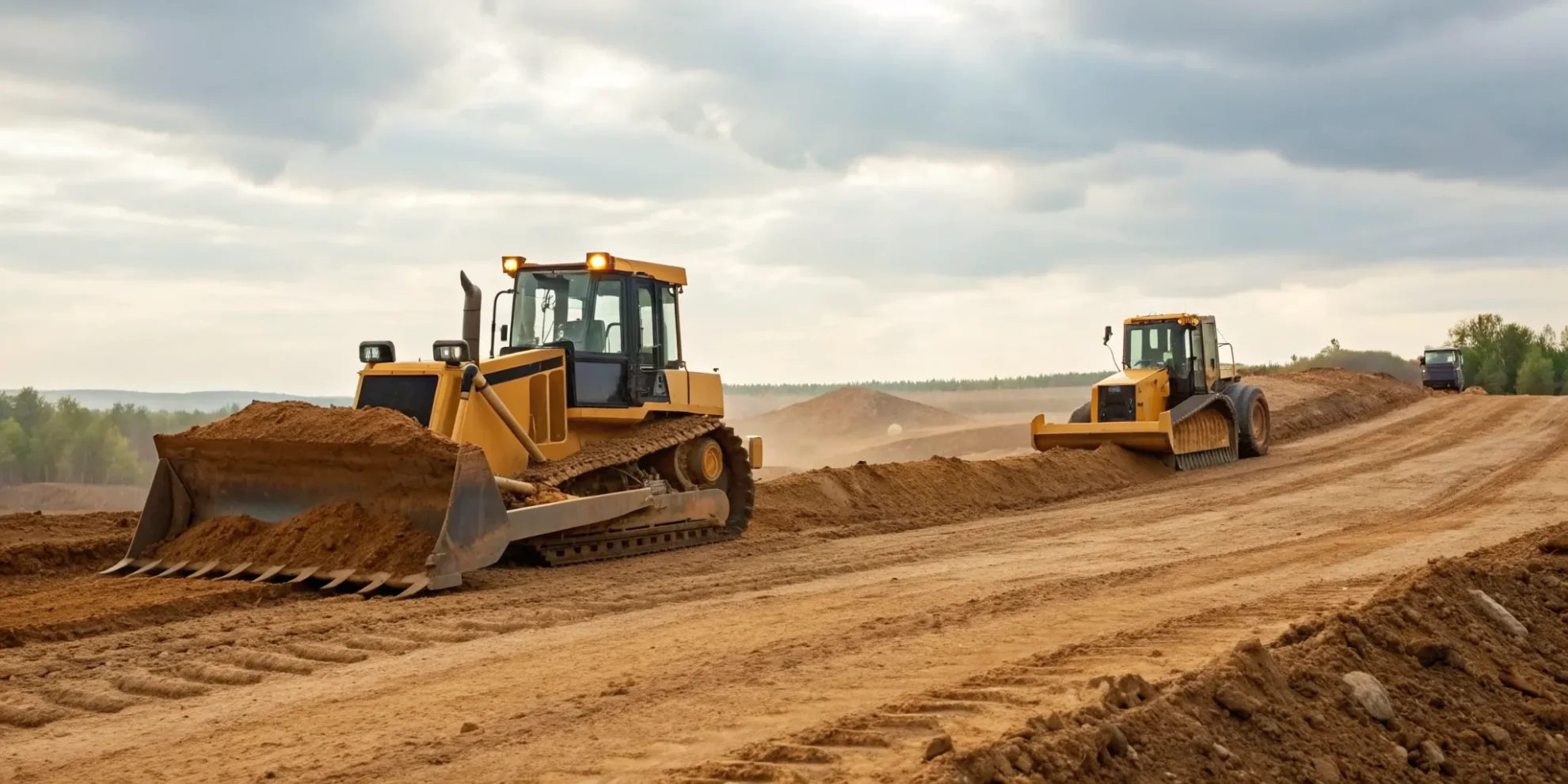
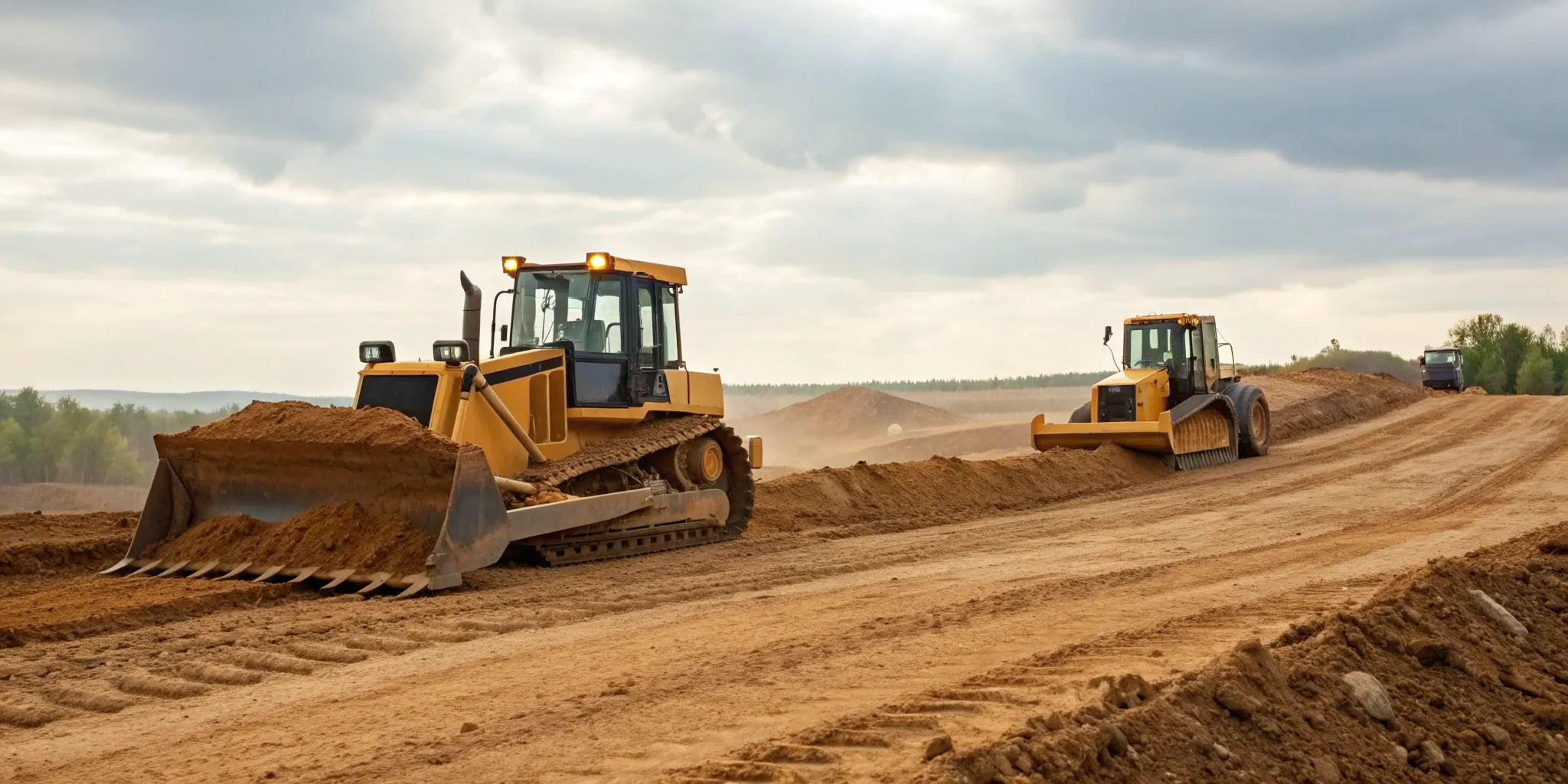
For big jobs, you need big tools. Bulldozers and excavators are the workhorses of any significant land clearing or grading project. These powerful machines are essential for moving large amounts of earth, removing stubborn stumps, and leveling the ground. An excavator can dig, scrape, and prepare the land, while a bulldozer is perfect for pushing soil, filling in low spots, and compacting the ground to create a firm, stable base. This type of heavy excavation is fundamental for preparing a site for construction, landscaping, or a new lawn, ensuring the foundation of your project is solid from the start.
Forestry Mulching and Manual Clearing
Not every project calls for heavy machinery. Forestry mulching is a fantastic, eco-friendly method where a single machine grinds trees, brush, and other vegetation directly into mulch. This material is then spread over the soil, helping to prevent erosion and enrich the ground with organic matter. For smaller or more sensitive areas, manual clearing is the best approach. This hands-on technique allows for precise removal of specific plants or debris without disturbing the surrounding landscape. It’s ideal for projects that require a careful touch, ensuring that your land clearing goals are met with precision and care for the environment.
The Specialized Equipment Pros Use
Professional land service teams bring more than just heavy equipment to a project; they also use advanced technology to achieve precise results. Modern grading often involves GPS-guided systems attached to machinery. This technology allows operators to grade a property with incredible accuracy, ensuring slopes are perfect for proper drainage and surfaces are perfectly level according to the project plan. Using this specialized equipment minimizes errors and improves efficiency, leading to a higher-quality outcome. It’s this combination of powerful tools and smart technology that allows professionals to tackle complex projects and deliver a perfectly prepared site every time.
What Factors Influence a Land Clearing and Grading Project?
Every piece of land is unique, so no two clearing and grading projects are the same. Several key factors shape the process, from the soil composition to local regulations. Understanding these elements helps you set clear goals and ensures the project runs smoothly. A professional land clearing plan considers your property’s specific traits and your vision for the space. These details are crucial for creating a stable and usable foundation for a new building, a beautiful landscape, or an open recreational area.
Your Property’s Soil and Terrain
The ground itself is one of the biggest factors in any land project. Central Florida’s soil can range from sandy to clay-heavy, and each type behaves differently when cleared and graded. The natural slope, or terrain, of your property also dictates the approach. Proper grading is essential for directing rainwater away from buildings and preventing pooling. A professional assessment will determine the best way to shape the land to improve irrigation and reduce runoff. Creating the right slope is key to effective landscape drainage solutions that protect your property from water damage.
Environmental Rules and Considerations
Local regulations are another critical piece of the puzzle. Depending on your location in Central Florida, your project might require specific permits or inspections. Environmental protections are often in place, especially if your lot is near wetlands or contains protected tree species. Following these rules is essential for keeping your project compliant and avoiding delays. Working with experienced arborist services ensures that protected trees are identified and handled correctly, preserving the area’s natural beauty while achieving your goals. A knowledgeable team can help you meet all local requirements.
The Size and Accessibility of Your Lot
The physical dimensions and layout of your property significantly influence the project’s logistics. A large, open acreage presents different challenges than a small, enclosed lot in a residential neighborhood. Accessibility is a major consideration, as it determines what kind of equipment can be brought onto the site. Tight spaces or steep slopes might require specialized machinery or techniques. Careful planning ensures that the excavation and clearing process aligns with the long-term purpose of your property, leading to a more efficient and successful outcome.
How to Keep Your Project Safe
Land clearing and grading involve powerful machinery and significant changes to your property. That’s why safety should always be the top priority. A successful project isn’t just about the final result; it’s about ensuring everyone and everything remains safe from start to finish. Following established safety protocols is essential for protecting your property and the people working on it. This means taking a comprehensive approach that covers everything from the crew’s personal protective equipment to understanding what lies beneath the ground you’re about to transform.
A safe worksite begins with a professional team that doesn’t cut corners. This includes using well-maintained equipment, having operators with extensive training, and creating a clear plan before the first machine starts. It also involves crucial pre-project steps, like identifying and marking all underground utilities to prevent dangerous and disruptive accidents. When you work with a team that prioritizes these measures, you can feel confident that your project will proceed smoothly and without incident. The goal is to transform your land effectively while maintaining a secure environment for everyone involved.
Essential Safety Gear
Working with heavy equipment on uneven ground comes with inherent risks. That’s why professional crews always use the right safety gear. This includes personal protective equipment (PPE) like hard hats, steel-toed boots, high-visibility vests, and safety glasses. This gear protects workers from falling debris, uneven terrain, and other common job site hazards. Beyond personal gear, the machinery itself is part of the safety equation. Reputable companies use well-maintained equipment with all safety features intact. Following these strict safety rules is a hallmark of a professional land clearing operation and is non-negotiable for a secure work environment.
Identifying Underground Utilities Before Digging
Before any digging or grading begins, you absolutely must know what’s buried beneath the surface. Hitting an underground utility line can be dangerous and disruptive. The best way to prevent this is to call 811 before you dig. This free service connects you with your local utility companies, who will send someone to mark the approximate location of any underground power lines, water pipes, or gas lines on your property. This simple phone call is a critical first step for any excavation project. It protects the crew, your property, and your neighborhood from potential harm. Never skip this step.
The Importance of Professional Training
Operating a bulldozer or an excavator is much more complex than it looks. It requires extensive training and skill to handle these powerful machines safely and effectively, especially on varied Florida terrain. Professional operators are trained to understand soil types, manage slopes, and follow strict safety protocols. This expertise ensures the project is completed correctly and without incident. Proper training also means the job aligns with the long-term goals for your property, from ensuring correct drainage to preparing a stable foundation for future construction. Investing in skilled equipment operation is a critical part of a successful and safe project.
Common Myths About Land Clearing and Grading
When you’re planning a new project for your property, it’s easy to run into some common misunderstandings about land clearing and grading. These tasks are often seen as simple first steps, but there’s a lot more to them than meets the eye. Getting the facts straight can help you avoid future headaches and ensure your project starts on solid ground. Let’s clear up a few of the most common myths so you can move forward with confidence.
It’s More Than Just Removing Trees
One of the biggest misconceptions is that land clearing is just about tearing down every tree and plant in sight. In reality, professional land clearing is a much more thoughtful process. It involves a careful assessment of your property to decide which vegetation should be removed and which should be preserved. The goal is to prepare your land for its intended use while being mindful of the local ecosystem. It’s about creating a clean, usable slate by selectively removing underbrush, stumps, and specific trees, not just leveling everything to the ground. This strategic approach ensures your property is ready for what’s next without causing unnecessary environmental disruption.
Why Proper Slopes for Drainage Matter
Many people think land grading is simply about making the ground perfectly flat. While creating a level surface is part of it, the primary goal is actually to establish proper drainage. Grading involves sculpting the land to create subtle, precise slopes that direct water away from your home’s foundation, driveways, and future structures. Without correct grading, you could end up with pooling water, soil erosion, and even serious structural damage over time. Effective drainage solutions are built on a foundation of smart grading, making it a critical step for the long-term health and stability of your property.
Professional vs. DIY: What to Consider
It can be tempting to think you can handle clearing and grading your land yourself. However, this is rarely a good idea. These jobs require heavy machinery, technical expertise, and a deep understanding of soil types and local regulations. Professionals bring the right equipment and experience to handle the job safely and efficiently. They can identify potential issues like underground utilities or unstable soil before they become major problems. Tackling an excavation project without proper training can lead to mistakes, property damage, or personal injury. Hiring a professional team ensures the work is done right the first time.
How to Prepare for a Successful Project
A successful land clearing and grading project doesn’t just happen; it starts with careful preparation. Taking the right steps before the heavy equipment arrives ensures your project runs smoothly, stays on track, and achieves the exact results you envision for your property. A little planning upfront goes a long way in preventing headaches down the road. By focusing on a clear plan, understanding local rules, and considering the environment, you set the stage for a seamless transformation of your land.
This initial phase is all about asking the right questions and getting clear answers. What is the ultimate goal for this piece of land? Are you clearing space for a new home, a commercial building, or an outdoor living area? What potential obstacles, like protected trees, steep slopes, or underground utilities, need to be addressed? How can the work be done with respect for the surrounding ecosystem and your neighbors? Answering these questions beforehand helps create a clear, actionable strategy that guides every step of the process. This detailed approach ensures a professional and responsible outcome, turning your vision into a reality without the stress of unforeseen complications. It’s the difference between a project that just gets done and a project that’s done right, setting a solid foundation for whatever comes next on your property.
Start with a Site Assessment and Plan
Every great project begins with a solid plan. Before breaking ground, it’s essential to conduct a thorough site assessment to understand your property’s unique characteristics. Think about your long-term goals. Are you preparing a lot for a new home, creating space for a garden, or improving drainage? Defining your purpose helps create a clear roadmap. A professional land clearing plan outlines which trees to keep, how to manage the terrain, and how to handle debris. This initial investment of time ensures the final outcome aligns perfectly with your vision.
Check for Necessary Permits
Navigating local regulations is a critical step you don’t want to overlook. Depending on your property’s location in Central Florida, you may need specific permits for land clearing, especially if your lot is near wetlands or contains protected trees. Forgetting to secure the right permits can lead to project delays and potential fines. An experienced team can help identify what’s required in your area and ensure all paperwork is in order. If you’re unsure about the status of certain trees, consulting with certified arborist services can provide clarity and keep your project compliant.
Consider the Environmental Impact
Responsible land clearing is about more than just removing vegetation; it’s about respecting the local ecosystem. While clearing land does change the environment, a professional approach minimizes the disruption. This includes using selective clearing methods to preserve healthy, mature trees and protect wildlife habitats whenever possible. It also involves managing debris responsibly and implementing strategies to prevent soil erosion. By working with a team that prioritizes environmental stewardship, you can be confident that your project is handled with care for the surrounding landscape and its future health.
Best Practices for Great Results
Getting your land ready for a new project is about more than just clearing away trees and debris. To truly set your property up for success, you need to follow a few key best practices that ensure the land is stable, healthy, and prepared for whatever you have planned. When done correctly, professional land clearing and grading create a solid foundation that prevents future headaches.
These practices focus on managing water, controlling erosion, and creating a stable ground surface. By paying attention to these details, you can protect your investment and ensure the long-term health of your property. It’s about thinking ahead and creating a landscape that is not only beautiful but also functional and resilient, especially with Florida’s unique weather patterns.
Managing Water with Proper Drainage
One of the most critical aspects of land grading is controlling how water behaves on your property. The goal is to create a gentle slope that encourages water to flow away from your home or building foundations, preventing it from pooling in unwanted areas. When water sits, it can lead to a soggy yard, create a breeding ground for pests, and even cause serious damage to structures over time.
Proper grading is the first line of defense. By shaping the land correctly, we can establish effective drainage solutions that channel rainwater exactly where it needs to go. This thoughtful approach to water management protects your foundation and ensures your landscape remains healthy and usable, even after a heavy downpour.
Implementing Erosion Control Measures
After clearing land, the exposed soil is vulnerable to being washed away by rain or blown away by wind. This process, known as erosion, can strip your property of valuable topsoil and create uneven, unstable ground. Implementing erosion control measures is essential to keep your soil in place and protect your landscape.
Simple techniques like installing silt fences or planting new ground cover can make a huge difference. For properties with significant slopes, a professionally installed retaining wall can provide the necessary support to prevent soil loss. These steps not only preserve the integrity of your land but also help protect nearby waterways from sediment runoff, laying a safe and secure foundation for any future construction or landscaping projects.
Ensuring Stable, Well-Compacted Soil
Once your land is graded to the correct slope, the final step is to ensure the soil is properly compacted. This process creates a firm, stable base that won’t shift or settle over time. Without proper compaction, the ground can become unstable, leading to problems for anything built on top of it, from a patio to a new home addition.
Professionals use specialized equipment to compact soil to the ideal density, which is crucial for stability. This step is fundamental for the success of any future excavation or construction work. A well-compacted base prevents water from seeping in and weakening foundations, ensuring that your new driveway, garden, or building rests on solid ground for years to come.
How to Handle Common Project Challenges
Even the best-planned land clearing projects can run into a few bumps. The key is knowing what to look for and how to address challenges head-on, ensuring your project stays on track from start to finish. By anticipating common issues, you can prepare for a smooth and successful outcome.
Solving Drainage and Water Pooling Issues
One of the most frequent issues property owners face is improper water flow. If your land isn’t graded correctly, you can end up with standing water, which can damage foundations, kill plants, and create a muddy mess. The goal of grading is twofold: to create a stable base for any future structures and to manage water effectively. Proper grading establishes a gentle slope that directs rainwater away from your home or buildings and off your property. By shaping the land correctly, you can prevent pooling and ensure your property has effective drainage solutions that protect your investment for years to come.
Staying Compliant with Local Regulations
Following local rules can feel complicated, but it’s a critical step. Depending on where you are in Central Florida, your project might require specific permits or inspections. This is especially true if your property has protected tree species or is located near sensitive areas like wetlands. Attempting to clear land without the proper approvals can lead to delays and other complications. Working with a team that understands local ordinances is essential. Professionals who offer land clearing services are familiar with the requirements in areas like Lake Mary and Orlando, ensuring every step of your project is done by the book.
Ensuring Quality for Long-Term Success
The quality of your land clearing and grading work sets the stage for everything that follows. A rushed or poorly planned job can lead to problems like soil erosion or an unstable foundation later on. True quality comes from a comprehensive approach that includes a thorough site evaluation, careful equipment operation, and proper soil compaction. Investing in a well-executed project from the beginning ensures the land is truly ready for its long-term purpose, whether that’s a new building, a beautiful landscape, or a functional outdoor space. Professional excavation and grading provide the solid groundwork needed for a successful outcome, saving you from future headaches.
How to Maintain Your Cleared and Graded Land
Once your land clearing and grading project is complete, the work isn’t quite over. Maintaining your property ensures it stays safe, functional, and beautiful for years to come. A little proactive care goes a long way in preventing future problems, from unwanted vegetation to drainage issues. Here’s how you can keep your newly prepared land in top shape.
Managing Future Vegetation Growth
After your land is cleared, you have a clean slate. But nature works fast, and unwanted weeds or invasive plants will try to move in. To keep your property looking its best, it’s smart to have a plan for what comes next. This is your chance to establish the kind of ground cover you actually want. You might consider laying down fresh sod for a lush lawn or spreading mulch to suppress weeds and retain soil moisture. For a more natural look, you could begin a tree planting project to add shade and beauty. Taking these steps soon after clearing helps ensure that the right kind of vegetation thrives, making long-term care much simpler.
Keeping Your Drainage System Working
Proper grading is designed to guide water away from your home and other structures, preventing pooling and potential water damage. To keep this system effective, it needs a little attention. Regularly check any drainage channels, swales, or culverts on your property. You’ll want to clear out any leaves, branches, or sediment that can build up and cause blockages, especially after a big storm. A clear path for water is essential for preventing erosion and protecting your foundation. If you notice water starting to stand in areas where it didn’t before, it might be a sign that your drainage solutions need a professional tune-up to keep everything flowing smoothly.
Preparing Your Property for Storms
In Central Florida, storm readiness is a year-round activity. A well-maintained, properly graded property is your first line of defense against heavy rains and high winds. Before storm season, walk your property and look for any potential issues. Secure loose items and clear away any debris that could become a projectile. It’s also a good idea to inspect your graded slopes for early signs of erosion, like small channels being carved out by water. Addressing these minor issues early can prevent them from becoming major problems during a hurricane. A stable, clear property not only weathers storms better but also simplifies any necessary storm damage cleanup afterward.
Related Articles
- Excavation Services Lake Mary, FL | 10% Veteran Discount!
- Trusted Landscape Drainage Contractors in Lake Mary, FL
- Land Clearing Services & Tree Service in New Smyrna, FL
- Pro Land Clearing in New Smyrna Beach | Get a Free Bid
Frequently Asked Questions
What’s the real difference between land clearing and land grading? Think of it this way: land clearing is like cleaning out a room, while land grading is like preparing the walls for paint. Clearing is the first step, where we remove all the obstacles like trees, stumps, brush, and rocks from the surface. Grading comes next, and it’s the more precise work of sculpting the earth itself to create a level base or a specific slope for proper drainage. You can’t grade a property until it’s been cleared first.
Do I need professional land clearing for a small landscaping project? It really depends on the scope of your project and the current state of your property. If you’re just planting a few flowers in an existing garden bed, you likely don’t need it. However, if your project involves installing a new patio, a retaining wall, or a large sod lawn on an area that’s currently overgrown or uneven, professional clearing and grading are essential. It creates the stable, properly drained foundation needed for your new landscape features to last.
Why is it so important to hire a professional instead of renting equipment myself? Operating heavy machinery requires a great deal of skill and training, and there’s a lot more to it than just moving dirt around. Professionals are trained to work safely and efficiently, and they know how to read the land to identify potential issues like unstable soil or drainage problems. Hiring an expert team prevents dangerous accidents, protects your property from damage, and ensures the job is done correctly, saving you from much bigger headaches down the road.
What happens to all the trees and debris after the land is cleared? A professional team handles all the debris so you aren’t left with a mess. Depending on the project, materials can be hauled away from your property. In many cases, an eco-friendly method like forestry mulching is used, where trees and brush are ground up on-site and spread over the soil. This mulch layer helps prevent erosion and enriches the ground, leaving your property clean and ready for the next phase.
How can I tell if my property needs grading? The most obvious signs relate to water. If you notice standing water in your yard after it rains, have persistently soggy areas, or see water flowing toward your home’s foundation, your property likely has drainage issues. Proper grading can solve these problems by reshaping the land to create gentle slopes that guide water away from your home and off your property, protecting both your foundation and your landscape.