
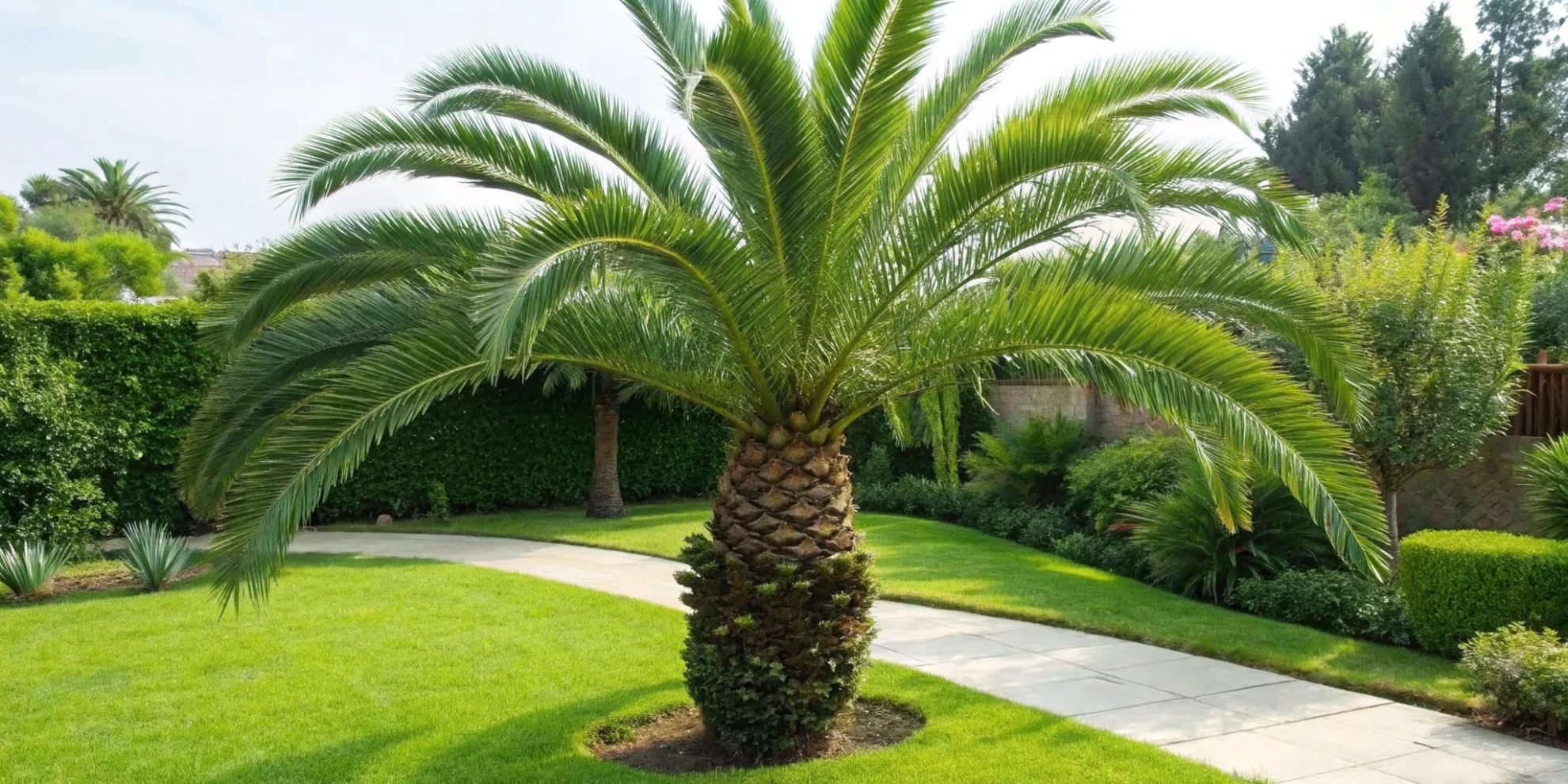
How to Trim Palm Tree Leaves for a Healthy Tree
You’ve probably seen those over-pruned palms that look like sad feather dusters and wondered if that’s really the right way to do it. Spoiler alert: it’s not. Many common trimming practices actually harm the very trees we’re trying to help. The goal of a good trim is to remove dead weight, improve the tree’s health, and keep it from becoming a hazard, not to strip it bare. Learning how to trim palm tree leaves properly means working with the tree’s natural growth cycle. This guide will show you how to identify which fronds to remove, the best techniques for clean cuts, and how to avoid the critical mistakes that can weaken your palm.
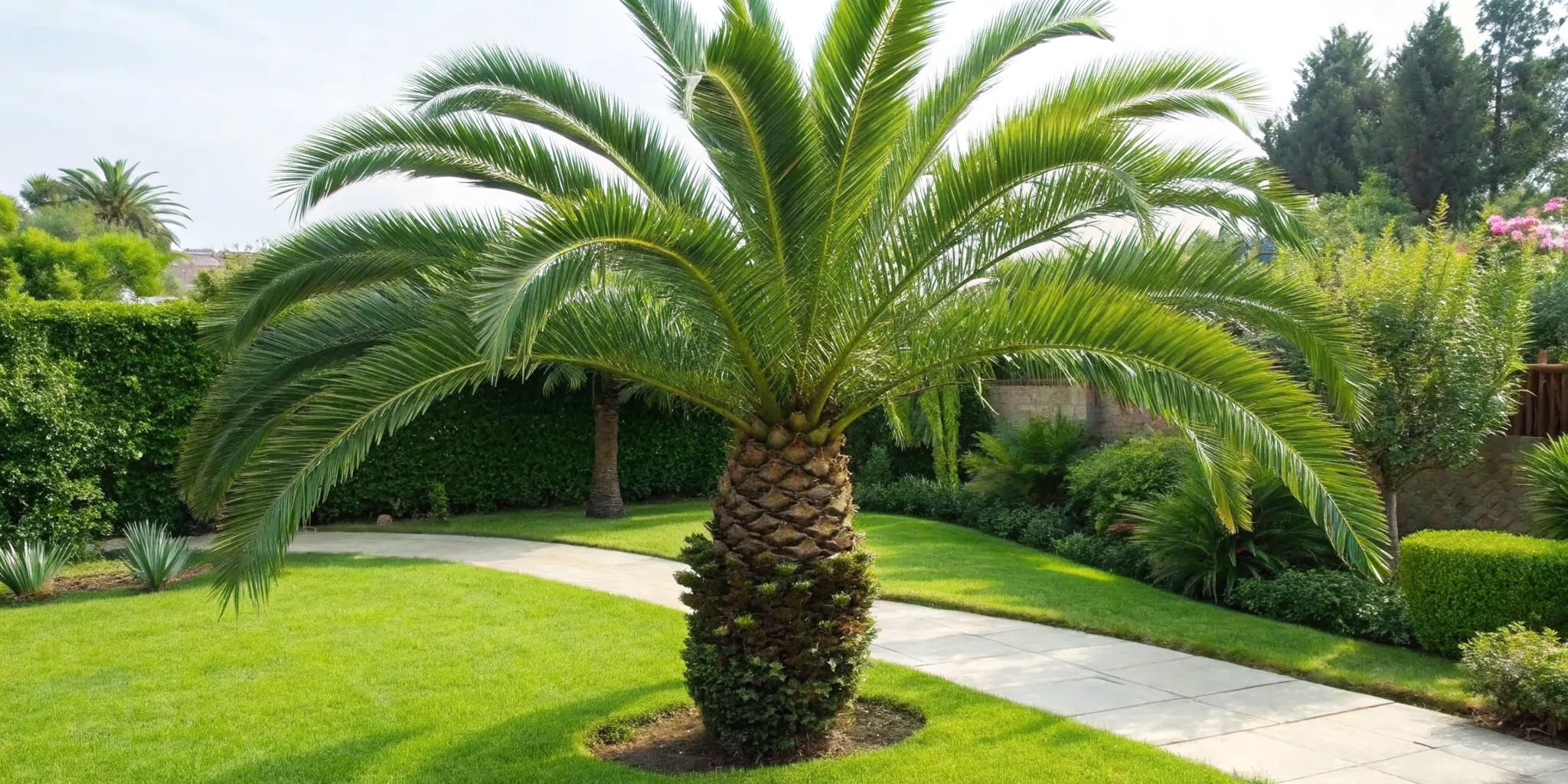
Key Takeaways
- Timing is crucial for a healthy trim: Prune your palms in late spring or early summer when they are actively growing. Focus only on removing brown, dead, or broken fronds to avoid stressing the tree and to encourage a quick recovery.
- Proper technique protects your palm: Make clean cuts with sharp, sanitized tools and leave a small portion of the frond base on the trunk. This simple step helps prevent wounds that can lead to disease and pest problems.
- Safety comes first, especially with tall trees: Always wear protective gear and be mindful of your surroundings, particularly power lines. For palms that are too tall to reach from the ground or show signs of disease, calling a professional is the safest choice.
When Should You Trim Your Palm Tree?
Timing is everything when it comes to palm tree care. Just like any other plant, palms have specific times when they are most receptive to pruning. Trimming at the wrong time can stress the tree, making it more vulnerable to pests, diseases, and even storm damage. The goal is to work with the tree’s natural growth cycle, not against it. For those of us in Central Florida, this means paying close attention to both the season and the ever-important weather forecast. The right timing ensures your palm can heal quickly from the pruning cuts and direct its energy toward producing lush, healthy new growth instead of supporting old, dying fronds.
Think of it as giving your palm a haircut at the most opportune moment. You wouldn’t want a major trim right before a stressful event, and neither does your tree. By understanding the best seasons for trimming and how to prepare for Florida’s unpredictable weather, you can keep your palms looking their best and standing strong. Proper tree trimming is less about aesthetics and more about promoting long-term health and resilience. It helps the tree conserve resources and fortifies it against the elements. Getting the timing right is the first and most critical step in a successful trim.
The Best Seasons for Trimming
The ideal time to trim your palm trees is during the warmer months, typically in late spring or early summer. This is when the tree is in its active growing phase. Pruning during this period allows the tree to recover quickly and push out new, healthy fronds. Trimming in the cooler, dormant months can leave the tree with open wounds that are slow to heal, creating an entry point for pests and disease. By waiting for the growing season, you’re helping your palm use its energy efficiently for regeneration. It’s a simple switch that makes a huge difference in the tree’s overall health and appearance.
Weather to Watch Out For
Here in Florida, it’s tempting to give palms a hard prune before hurricane season, but this common practice, often called “hurricane cutting,” can do more harm than good. Stripping a palm of most of its fronds actually weakens its structure and makes it more susceptible to snapping in high winds. The fronds act as a protective buffer for the palm’s central bud. Instead, a light trim to remove any dead, broken, or loose fronds before the storm season is the best approach. This reduces the risk of fronds becoming dangerous projectiles without compromising the tree’s integrity. After a major storm passes, it’s always a good idea to assess the damage and schedule a professional storm damage cleanup if needed.
Get the Right Tools for Palm Trimming
Before you make the first cut, it’s important to gather the right equipment. Using the proper tools for palm trimming doesn’t just make the job easier; it’s essential for the health of your tree and your own safety. The wrong tool can damage the trunk, leave messy cuts that invite pests, or put you in a dangerous situation. Think of it like cooking a meal, you need the right utensils to get the best results. A dull knife will crush your ingredients, and the wrong saw will tear at your palm’s fronds, leaving it vulnerable.
For successful palm trimming, you’ll need three categories of gear. First are the cutting tools themselves, which vary depending on the size of your palm and the fronds you’re removing. Second is your personal safety equipment, which is non-negotiable for any trimming project. Finally, you’ll need supplies to keep your tools clean. This last step is one that many people overlook, but it’s critical for preventing the spread of disease between your beautiful palms. Having everything ready before you start ensures a smooth, safe, and effective process that keeps your trees looking their best.
Essential Cutting Tools
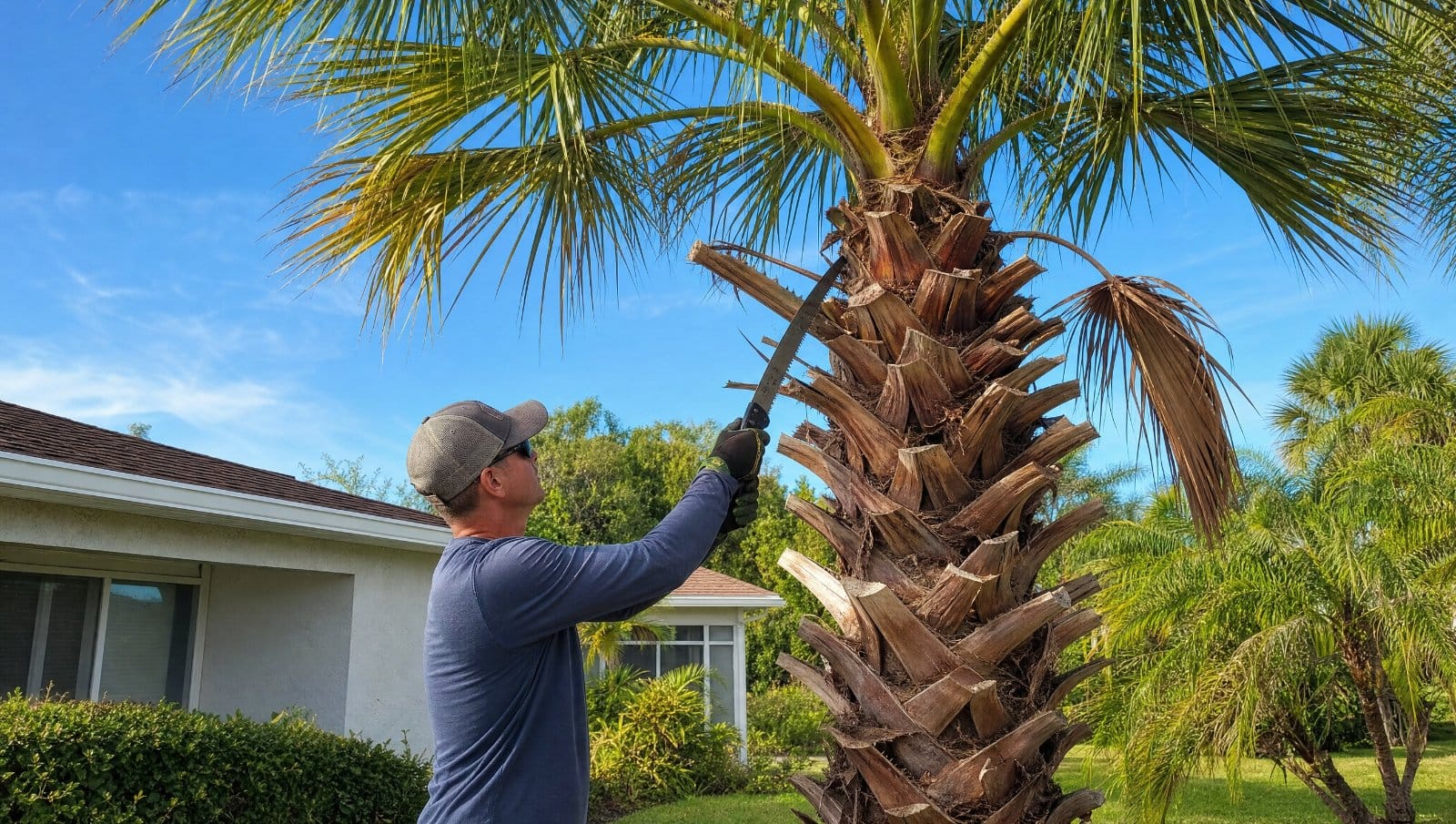
You don’t need a massive arsenal of tools for this job, just the right ones. For fronds that are within easy reach, a simple curved pruning saw will work perfectly. If you need a bit more height, a pole saw is your best friend, allowing you to stay safely on the ground while reaching higher fronds. For smaller palms with thinner fronds, like a Pygmy Date Palm, a sturdy pair of hand clippers is often all you need. The goal is to make a clean cut, so be sure your blades are sharp. Dull tools can tear the fronds, leaving the palm vulnerable to disease and pests. Proper tree trimming always starts with a sharp, appropriate tool.
Must-Have Safety Gear
Your safety should always come first. Palm trees might look harmless, but many species have sharp spines or thorns that can cause painful injuries. Before you begin, put on a pair of thick gardening gloves to protect your hands. Eye protection, like safety glasses or goggles, is also a must to shield your eyes from falling debris and dust. A long-sleeved shirt and pants will help prevent scrapes and scratches from the fronds and trunk. Taking these simple precautions is a key part of any responsible tree care. For jobs that feel too big or risky, professional arborist services are always the safest option.
Keeping Your Tools Clean
Did you know that you can spread diseases from one tree to another with dirty tools? It’s a common mistake that can have serious consequences for your palms. Fungal diseases like Ganoderma and fatal conditions like lethal bronzing can be transferred on contaminated blades. To prevent this, always disinfect your tools before you start and after you finish with each tree. You can do this easily by wiping the blades with rubbing alcohol or dipping them in a solution of one part bleach to ten parts water. This simple step takes only a minute but is one of the most effective ways to help, rather than harm, your landscape.
How to Identify Which Fronds to Trim
Knowing which palm fronds to remove is just as important as the cutting technique itself. The goal is to clean up your palm tree’s appearance without harming its health. A proper trim removes only what the tree no longer needs, allowing it to direct energy toward new, healthy growth. By learning to spot the difference between a frond that needs to go and one that should stay, you can keep your palm looking tidy and vibrant. If you’re ever unsure, a professional can provide expert tree trimming services to ensure the job is done right. Making the right cuts protects your tree from stress, pests, and disease, so it’s worth taking a moment to identify your targets before you start.
Spotting Dead or Dying Fronds
The most obvious candidates for trimming are the fronds that are completely dead or clearly on their way out. Look for fronds that are entirely brown, yellow, or withered. These leaves no longer provide nutrients to the tree and can detract from its appearance. More importantly, dead fronds can become a breeding ground for pests or a potential fire hazard. Removing them is a simple way to keep your palm healthy and your property safe. Start at the bottom of the canopy and work your way up, identifying any fronds that are discolored, drooping, or broken. These are the ones you can confidently remove without causing any harm to the tree.
Follow the 9-to-3 Rule
A great guideline for beginners is the “9-to-3 rule.” Picture a clock face laid over the head of your palm tree. Any fronds growing at an angle below the 9 and 3 positions (the horizontal midline) are generally safe to trim. Fronds growing at or above this line are often still green and actively producing food for the tree through photosynthesis. This simple rule helps prevent over-pruning by giving you a clear visual boundary. Sticking to the fronds that hang down below this imaginary line ensures you are only removing the oldest, least productive leaves, which is exactly what a healthy trim should accomplish.
Healthy vs. Unhealthy Fronds
It’s crucial to leave healthy, green fronds alone. Cutting green leaves essentially robs the palm of its food source, which can weaken the tree and make it more vulnerable to pests, diseases, and storm damage. While you might be tempted to create a perfectly rounded canopy, removing too many green fronds can cause significant stress. A healthy palm tree should have a full, 360-degree canopy of green leaves. If you notice fronds that are yellowing only at the tips but are otherwise green, it might be a sign of a nutrient deficiency, not a reason to prune. When in doubt, it’s always best to consult with professional arborist services to diagnose any potential issues.
Trim Palm Fronds the Right Way
Once you’ve identified the fronds that need to go, it’s time to make your cuts. The technique you use is crucial for your palm’s health. A sloppy trim can leave the tree vulnerable to pests and diseases, while a careful, clean cut helps it heal quickly and thrive. Think of it less like a simple haircut and more like a precise procedure for your tree. Proper technique ensures you’re only removing what’s necessary and protecting the palm from unneeded stress or damage.
Getting this part right not only keeps your palm looking its best but also supports its long-term health and structural integrity. With the right approach, you can confidently trim your palm, knowing you’re helping it stay strong and beautiful. Let’s walk through the exact steps to get a perfect, healthy trim every time.
A Step-by-Step Guide to Cutting
First, make sure your tools are sharp and sanitized. Wiping the blades with rubbing alcohol before you start prevents the spread of any potential diseases between trees. When you’re ready to cut, focus only on the fronds that are completely brown and dead. You should also remove any flower or fruit stalks, as they can drain energy from the tree. Using sharp shears or a pruning saw, make clean cuts to remove each targeted frond. This careful removal is a key part of professional tree trimming services because it helps the palm direct its resources toward healthy new growth instead of supporting dying parts.
Find the Right Angle and Distance
To maintain your palm’s natural shape, imagine its canopy is a clock face. A good rule of thumb is to only remove fronds hanging below the 9 and 3 o’clock positions. Anything growing at that level or higher is likely still providing nutrients to the tree and should be left alone. When you make the cut, don’t go flush against the trunk. Instead, leave about two inches of the frond base. Cutting too close can wound the trunk, creating an entry point for pests and disease. This precision is something our arborist services focus on to protect the tree’s core health and structure.
Make Clean Cuts to Protect Your Tree
Every cut you make is a wound that the tree needs to heal, so making it as clean as possible is essential. For larger, heavier fronds, you might need to use lopping shears or a pole saw to get enough leverage for a single, clean slice. Avoid hacking or tearing at the frond, as this creates a jagged wound that heals slowly and is more susceptible to infection. Remember to clean your tools after you finish, especially if you plan to work on another tree. This simple step is one of the most effective ways to keep your palms healthy and prevent the accidental spread of disease throughout your landscape.
How to Trim Your Palm Tree Safely
Trimming your palm tree can be a satisfying DIY project, but it’s one where safety absolutely has to come first. Before you even pick up a saw, taking a few key precautions will protect you from sharp fronds, falls, and other hazards. A successful trim isn’t just about making your tree look good; it’s about getting the job done without any injuries. Many homeowners are eager to care for their own landscape, but palm trimming carries unique risks compared to other garden tasks. The height, the weight of the fronds, and the sharp edges all demand respect and careful planning.
Thinking through your safety plan is just as important as knowing which fronds to cut. This means having the right personal protective equipment, understanding the risks of working at a height, and being acutely aware of your surroundings, especially power lines. These simple checks can make all the difference between a job well done and a trip to the emergency room. It’s about assessing the situation honestly. Is the tree small enough to manage from the ground? Do you have a sturdy, reliable ladder and a spotter? Are you comfortable using the tools required? If you hesitate on any of these questions, it’s a sign that the job might be bigger than it looks. If you ever feel a task is beyond your skill level or equipment, remember that professional tree trimming services are always an option to ensure the work is done correctly and safely.
Gear Up with Protective Equipment
Never underestimate the palm tree itself. While beautiful, many palms have sharp spines or rough frond edges that can cause nasty cuts. Before you start, make sure you’re properly geared up. At a minimum, you should wear thick gardening gloves to protect your hands, safety glasses or goggles to shield your eyes from falling debris, and long sleeves and pants to cover your skin. This simple step prevents most common injuries and makes the entire process more comfortable. Think of it as your uniform for the job, one that keeps you safe while you work.
Be Careful When Working Up High
If your palm tree has grown tall, trimming it becomes a much more dangerous task. Working on a ladder with cutting tools requires balance and experience, and a fall can be serious. For very large or tall palms, it’s always best to hire a professional. Trimming tall palms requires special equipment and training to do safely. If you feel at all unsteady or don’t have a proper, stable ladder, it’s a clear sign to call for help. Expert arborist services have the right gear and expertise to handle tall trees without risk to you or your property.
Watch Out for Power Lines
Before you begin any trimming, take a moment to look up and around the tree. Are there any power lines nearby? Electricity can arc from a power line to your tools or even to a palm frond, creating a life-threatening hazard. Tree trimming is already a dangerous job, and palms near power lines present unique risks. Always maintain a safe distance and never attempt to trim any part of a tree that is close to or touching a power line. For these high-risk situations, you should always contact a professional emergency tree removal team trained to work safely in these conditions.
Common Palm Trimming Mistakes to Avoid
When it comes to palm trees, a little trim can go a long way toward keeping them looking their best. But sometimes, our best intentions can lead to mistakes that harm the very tree we’re trying to help. Knowing what not to do is just as important as knowing the right way to trim. Many common practices actually weaken palms, leaving them vulnerable to pests, diseases, and Florida’s strong winds. By avoiding a few key errors, you can ensure your trimming efforts contribute to a long, healthy life for your tree.
Proper tree trimming is about precision and understanding what the tree needs to thrive. It’s easy to get carried away and remove too much, or to use tools that cause more harm than good. Unfortunately, some of these harmful techniques have become so common that people assume they’re correct. We’ll walk through the most frequent mistakes homeowners make, from the infamous “hurricane cut” to using damaging climbing spikes. Understanding these pitfalls is the first step toward protecting your beautiful palms and helping them flourish for years to come. This knowledge will empower you to make better decisions, whether you’re doing a light trim yourself or hiring a professional to handle the job.
Avoid Over-Pruning (or “Hurricane Cutting”)
You’ve probably seen palms that look like feather dusters after a trim, with only a few fronds left at the top. This is often called “hurricane cutting,” and it’s based on the myth that removing most of the leaves will help the tree survive strong winds. The opposite is true. Over-pruning severely weakens a palm, stripping it of the fronds it needs for nourishment. This stress makes the tree more likely to be damaged by wind and susceptible to pests and diseases. A healthy palm needs a full, rounded canopy to stay strong and resilient, especially during storm season.
Don’t Cut Healthy Green Fronds
It can be tempting to trim green fronds to achieve a perfectly manicured look, but please resist the urge. Those green leaves are the tree’s power source, creating food through photosynthesis. Removing them takes away vital nutrients the palm needs to grow and defend itself. Furthermore, every cut creates an open wound. These wounds can attract harmful insects and allow diseases to enter, putting the tree’s health at risk. A good rule of thumb is to only remove fronds that are completely brown, dry, and drooping. Leave the healthy green ones to do their job.
Steer Clear of Spikes and the Wrong Tools
How a person climbs your palm tree matters. Never allow anyone to use climbing spikes on a palm they are only trimming. Spikes dig into the trunk, creating deep, permanent wounds that become entry points for fatal diseases. Professional arborist services use non-invasive methods, like ladders or bucket trucks, to access the canopy without harming the trunk. It’s also crucial to use clean tools. Saws and shears can easily transfer diseases from one plant to another, so they should be sanitized before trimming each tree. This simple step is key to preventing the spread of infection in your landscape.
Care for Your Palm Tree After Trimming
Trimming your palm tree is a great step, but the job isn’t quite finished once the tools are put away. Proper aftercare helps your palm recover quickly and stay healthy. Think of it like post-op care for your tree. Giving it a little extra attention in the weeks following a trim ensures it heals well and continues to be a beautiful feature in your yard. Here’s what to focus on after you’ve trimmed your palm.
Check for Pests and Disease
Every cut you make on a palm frond creates a small, open wound. Just like a cut on your skin, these spots can be vulnerable and may attract pests or allow diseases to enter the tree. For the next few weeks, make it a habit to inspect your palm. Look closely at the trunk and remaining fronds for anything unusual, like insects, strange spots, or fungus. If you notice leaves are wilting or discolored, it could be a sign of trouble. Catching these issues early makes a huge difference. If you see something that doesn’t look right, professional arborist services can help diagnose the problem.
Water and Fertilize Correctly
After a trim, your palm tree can use some support. Consistent watering is key, especially during dry spells, as it helps the tree manage the stress of pruning. When it comes to feeding your palm, timing and type are everything. If your tree needs a nutrient kick, a slow-release 8-2-12 palm fertilizer is usually the best choice. However, hold off on fertilizing during the winter. When the soil is cold, the palm’s roots can’t properly absorb the nutrients, so it’s best to wait for warmer weather. Proper nutrition helps the palm heal and produce strong, new growth.
Look for Signs of a Healthy Recovery
You’ll know your palm is recovering well when you see new, vibrant green fronds emerging from the center of the tree. The remaining fronds should look healthy and maintain their color. Remember, green fronds are the tree’s food source. It’s normal for the oldest, lowest fronds to eventually turn brown and droop as they transfer their final nutrients back to the tree. If you notice the remaining fronds starting to yellow or the crown looks weak, it might be a sign of stress. Proper tree trimming that avoids removing healthy fronds is the best way to ensure a smooth recovery.
How to Clean Up After Trimming
Once the trimming is done, your work isn’t quite finished. Proper cleanup is the final step to ensuring your palm tree stays healthy and your yard looks tidy. It’s about more than just appearances; how you handle the debris can impact the health of your palm and even the local ecosystem. From preventing the spread of disease to creating a welcoming habitat for wildlife, a thoughtful cleanup process makes all the difference. Let’s walk through the best ways to handle the aftermath of your palm trimming project.
Safely Remove and Clean Up Debris
Your first cleanup task should actually happen before you even put your tools away. It’s critical to clean your pruners, saws, and shears with rubbing alcohol or a bleach solution after you finish. This simple step prevents the spread of diseases like lethal bronzing and Ganoderma wilt from one tree to another. Once your tools are clean, you can gather the fallen fronds and debris. Be careful, as palm fronds can be surprisingly heavy and sharp. A thorough cleanup, much like what’s needed for storm damage cleanup, leaves your property safe and looking its best.
Your Composting and Disposal Options
Before you haul everything away, consider leaving a few of the brown, dead fronds on the ground. They can provide a great habitat for small lizards and insects, which in turn can attract birds to your yard. For the fronds you do remove, you have a few options. You can cut them into smaller pieces for your compost pile, though they take a long time to break down. Alternatively, check your local waste management guidelines for yard debris disposal. For extensive projects that generate a lot of green waste, professional land clearing services can handle the removal and disposal for you, saving you time and effort.
Know When to Call a Professional
While trimming your own palm tree can be a rewarding weekend project, it’s important to know when to put down the tools and pick up the phone. Some jobs are simply too big, too complex, or too dangerous to handle without professional training and equipment. Attempting a difficult trim can put you, your property, and the tree itself at risk. A professional not only has the right gear but also the expertise to assess your palm’s health and prune it in a way that encourages healthy growth for years to come. Recognizing your limits is the smartest thing you can do for your landscape.
When the Tree Is Too Tall or Hard to Reach
If you need a ladder to reach the fronds, it’s a good sign that the job is best left to a professional. Trimming tall palms, like the Mexican Fan Palms we see across Florida, can be very dangerous and requires special equipment. Working at height on an unstable ladder with sharp tools is a recipe for a serious accident. Our professional crews use industry-standard safety gear and equipment to perform tree trimming safely and efficiently, no matter how tall the palm. We can reach the highest fronds without risking damage to your property or the tree.
For Tricky or Complicated Trims
Sometimes, a trim isn’t as straightforward as just cutting off a few brown fronds. If your palm is growing near power lines, touching your roof, or leaning over a neighbor’s fence, you need an expert’s touch. Trying to handle these situations yourself can lead to property damage or injury. If you’re not sure how to approach a trim or suspect the tree might have a disease, it’s always best to consult with a professional. Our certified arborist services can help you understand your tree’s specific needs and create a plan to keep it healthy and beautiful.
Signs Your Palm Needs an Expert’s Touch
An improperly pruned palm tree can cause a host of problems, from attracting pests to creating a serious safety hazard. Palm tree trimming comes with unique risks, and using the wrong climbing techniques or equipment can lead to devastating accidents. If you notice large, heavy fronds hanging precariously or signs of pest infestations, it’s time to call for help. A professional can identify potential dangers you might miss and address them before they become urgent issues. Don’t wait for a storm to find out your palm tree is a liability; proactive care is always the safer choice.
Related Articles
Frequently Asked Questions
Why is “hurricane cutting” so bad for my palm tree? Hurricane cutting, or over-pruning, is a common mistake that actually weakens your palm. By removing most of the fronds, you’re stripping the tree of its main food source and exposing its central bud to high winds. A full canopy of fronds acts as a natural buffer, protecting the tree’s core and helping it sway without snapping. A severely trimmed palm is stressed and far more likely to fail during a storm.
How often should I trim my palm trees? There isn’t a strict schedule for palm trimming; it’s more about observation. Most palms only need to be trimmed once or twice a year, but the real signal is when you see a noticeable amount of dead, brown fronds hanging from the canopy. Trimming too frequently, especially when there are no dead fronds to remove, can cause unnecessary stress to the tree.
My palm fronds are yellow, not brown. Should I trim them? It’s best to leave yellowing fronds alone for a little while. Yellow leaves can often be a sign of a nutrient deficiency, not an indication that the frond is dead. The tree can still pull valuable nutrients from a yellowing frond. Instead of cutting it, consider addressing the tree’s nutritional needs with a proper palm fertilizer. If the problem persists, it’s a good idea to get a professional opinion.
Is it safe to use climbing spikes to trim a tall palm? Absolutely not. Climbing spikes should never be used to trim a healthy palm tree. Each spike mark creates a deep, permanent wound in the trunk. These wounds don’t heal and become open doors for fatal diseases and pests to enter. Professional arborists use non-invasive methods, like bucket trucks, to access tall palms without causing any harm to the trunk.
What should I do if I think my palm tree has a disease? If you notice unusual spots, wilting, or other signs of sickness, it’s best to call a professional arborist right away. Palm tree diseases can be difficult to diagnose correctly, and they can progress quickly. Attempting to treat it yourself without a proper diagnosis can often make the problem worse. An expert can identify the issue and recommend the most effective course of action to save your tree.