Palm Tree Trimming: A Step-by-Step Guide
As a Florida property owner, you know that preparing for storm season is a year-round consideration. While we often focus on windows and roofs, our trees are a major part of that equation. Dead, heavy palm fronds can become dangerous projectiles in high winds, posing a serious risk to your home, vehicles, and family. Proactive palm tree trimming is a critical safety measure that removes these hazards before a storm hits. It’s a simple step that provides immense peace of mind. We’ll show you how to identify potential risks and explain why calling for emergency tree services after a storm is the safest choice.
Key Takeaways
- Less is more for a healthy palm: Resist the urge to over-trim. Only remove fronds that are completely brown and dead to conserve the tree’s energy, prevent disease, and keep your property safe from falling debris.
- Get the timing and technique right: Aim to trim during late spring or early summer when your palm can recover quickly. Use sharp, clean tools and cut fronds at least two inches from the trunk to protect it from infection and pests.
- Put safety first with tall or damaged trees: Don’t risk injury on a job that’s out of reach. For tall palms, difficult species, or post-storm cleanup, calling a professional arborist is the safest and most effective choice.
Why Trim Your Palm Trees?
Living in Florida, it’s easy to take our beautiful palm trees for granted. But just like any other part of your landscape, they need a little care to look and feel their best. Trimming your palms isn’t just about keeping up appearances; it’s a crucial task for the tree’s health, your family’s safety, and your property’s overall value. A well-maintained palm is a happy palm, and it contributes to that classic Central Florida charm we all love.
Proper tree trimming removes the parts of the tree that are draining its energy or posing a risk. Think of it as a regular check-up that prevents bigger problems down the road. By understanding the key reasons behind this simple task, you can ensure your palms stay healthy and beautiful for years to come.
Improve Your Palm’s Health
Trimming is one of the best things you can do for your palm’s long-term health. When you see brown, drooping fronds, they aren’t just an eyesore—they’re dead weight. These dying fronds can trap moisture, creating a breeding ground for pests and fungi. By removing them, you allow for better air circulation and help prevent diseases from taking hold.
This process also allows the palm to redirect its precious energy toward new, healthy growth instead of trying to support fronds that are already on their way out. Regular, careful trimming is a proactive step that keeps your tree vigorous and resilient, ensuring it has the resources to thrive in our unique climate.
Keep Your Property Safe
Those heavy palm fronds can become serious hazards, especially during a storm. A dead or weakened frond can easily break off in high winds, potentially damaging your roof, car, or fence—or even causing injury. Proactively removing these risks is a smart move for any property owner.
Beyond falling fronds, untrimmed palms can attract unwanted guests like rodents and insects, who see the dense, dead foliage as a perfect place to build a nest. A clean palm is far less inviting to pests. Regular arborist services can identify and remove these potential dangers before they become urgent problems, giving you peace of mind every time the wind picks up.
Enhance Curb Appeal and Property Value
Let’s be honest: a well-manicured landscape makes a great first impression. Neatly trimmed palm trees look clean, intentional, and healthy, which instantly improves your property’s curb appeal. Removing the shaggy, brown fronds reveals the palm’s smooth trunk and creates a tidier, more polished look that complements your home and garden.
This visual upgrade doesn’t just look good; it can also add to your property value. A beautiful, well-maintained landscape is a major selling point for potential buyers. Investing in your palms is part of a larger landscape design strategy that makes your property more attractive and valuable in the long run.
When Is the Best Time to Trim Palm Trees?
Timing is everything, especially when it comes to caring for your palm trees. Pruning at the wrong moment can stress the tree and leave it vulnerable to pests or cold weather. But getting it right helps your palms look their best and stay healthy for years to come. So, how do you know when it’s the right time to break out the shears? It’s less about marking a date on the calendar and more about paying attention to the season and the signals your tree is giving you. Let’s walk through the best times to trim and what to look for.
The Ideal Seasons for Trimming
For palms here in Florida, the best time for a trim is during their active growing season, which is typically late spring through early summer. Think of it this way: when the tree is busy producing new growth, it can quickly recover from pruning. Trimming during this period directs the tree’s energy toward creating healthy new fronds instead of sustaining old, dying ones. It’s best to avoid trimming in the fall or winter. A fresh cut can make your palm more susceptible to damage from a rare Florida cold snap, so it’s better to let it keep its older fronds for extra insulation until warmer weather returns.
Signs Your Palm Needs a Trim
Your palm tree will tell you when it’s ready for a trim. The most obvious signs are brown, withered, or completely dead fronds. These are not only an eyesore but can also become a falling hazard during a storm. You should also look for any broken fronds that are hanging precariously. Another clear signal is the presence of flower or fruit stalks, which can be removed once they start to die back. The goal of proper tree trimming is to remove only what is dead or poses a risk. A healthy, green frond is a working frond, providing vital nutrients to the tree, so it’s best to leave those alone.
How Often Should You Trim?
There’s no magic number for how often to trim your palm, but a good rule of thumb is about once or twice a year. For many palms, an annual trim in late spring is sufficient to keep them healthy and looking tidy. Regular pruning helps prevent pest infestations and diseases that can take hold in decaying fronds. However, you should always let the tree’s condition be your guide. If you notice a sudden increase in dead fronds after a storm or during a dry spell, it might need attention sooner. If you’re ever unsure about the right schedule for your specific trees, getting a professional arborist assessment can give you a clear, long-term care plan.
What Tools Do You Need for Palm Trimming?
Before you make the first cut, it’s essential to have the right tools on hand. Using the proper equipment not only makes the job easier but also keeps you and your palm tree safe. Think of it like cooking a great meal—you need the right ingredients and utensils for the best results. Gathering everything you need beforehand will help you work efficiently and avoid any mid-trimming scrambles to find what you need. Let’s walk through the must-have items for your palm trimming toolkit.
Gather the Right Cutting Equipment
The tools you’ll need depend on the size of your palm and its fronds. For smaller, thinner fronds, a sturdy pair of hand pruners or loppers will work perfectly. For thicker, woodier fronds, you’ll want a sharp handsaw or a pole saw to get a clean cut without struggling. If you’re working on a taller palm, a secure ladder is a must, and it’s always a good idea to have a spotter. Tackling tall trees can be risky, so if you feel unsure, it’s always safest to call for professional tree trimming. The right tool for the job ensures you won’t damage the trunk or leave messy cuts.
Don’t Forget Your Safety Gear
This step is non-negotiable. Protecting yourself should always be your top priority. At a minimum, you’ll need a good pair of gardening gloves to protect your hands from sharp fronds and potential pests. Safety glasses or goggles are also essential to shield your eyes from falling debris, dust, and small plant fibers. If you’re using a saw or dealing with larger fronds, consider wearing a long-sleeved shirt and sturdy boots for extra protection. Taking a few moments to put on the right gear can prevent painful cuts, scrapes, and eye injuries, making the entire process much smoother and safer for you.
Clean and Maintain Your Tools
Healthy palms start with clean tools. Before you begin trimming, and especially when moving from one tree to another, it’s critical to disinfect your equipment. This simple step helps prevent the spread of diseases that can harm or even kill your trees. Start by washing your pruners and saws with warm, soapy water to remove any dirt and sap. Then, wipe them down with rubbing alcohol to kill any lingering pathogens. It’s a quick habit that makes a huge difference in the long-term health of your landscape. This level of care is a standard for professional arborist services and a great practice for any homeowner.
How to Properly Trim a Palm Tree
A Step-by-Step Guide
Trimming a palm tree isn’t just about hacking away at old leaves. It’s a process that, when done correctly, keeps your tree healthy and your yard looking sharp. The approach is straightforward: first, you need to identify exactly which fronds to remove and, just as importantly, which ones to leave behind. Next, you’ll use a specific cutting technique to avoid harming the trunk. Finally, a little post-trim care and cleanup will ensure your palm stays in great shape. Following these key steps will help you avoid common mistakes that can stress or damage your tree. Think of it as a simple health check-up that keeps your palms standing tall and beautiful.
Know What to Cut (and What to Leave Alone)
The golden rule of palm trimming is to only remove fronds that are completely brown, dry, and dead. These are easy to spot as they’ll be hanging down limply against the trunk. You should also remove any loose frond bases, called petioles, that you can pull off by hand. It’s tempting to cut off yellowing or drooping fronds, but resist the urge. These fronds are still providing vital nutrients to the tree. Removing them prematurely can create nutrient deficiencies and weaken the palm. And whatever you do, never cut green fronds. This practice, sometimes called “hurricane cutting,” severely stresses the tree and makes it more vulnerable to pests and disease. Proper tree trimming is always about promoting health, not just aesthetics.
Master the Correct Cutting Technique
Once you’ve identified the dead fronds, the way you cut them matters. Always use a sharp, sterilized tool to make a clean cut. For the health of the tree, cut the frond at least two to three inches away from the trunk. Cutting too close can create a wound on the trunk, leaving it susceptible to fungal infections and pests. While a perfectly smooth trunk might seem ideal, those old frond bases actually provide a layer of protection. Avoid using climbing spikes or spurs, as they puncture the trunk and cause permanent damage. For palms that are too tall to reach safely from the ground, it’s always best to rely on professional arborist services to handle the job without risking injury to you or your tree.
Care for Your Palm After Trimming
Your work isn’t quite done once the fronds are on the ground. Proper cleanup is essential for keeping your property tidy and preventing pests from making a home in the debris pile. Promptly remove all trimmed fronds and other plant matter from your yard. This is also a great time to inspect the palm’s trunk and crown for any signs of disease or insect infestation that may have been hidden by the dead leaves. Regular, careful trimming is one of the best things you can do for your palm’s long-term health. It removes potential homes for pests and allows for better air circulation. If you’ve dealt with a lot of debris, our storm damage cleanup team knows exactly how to leave a property looking pristine.
Common Palm Trimming Mistakes to Avoid
Trimming a palm tree might seem like a simple weekend task, but a few common missteps can seriously damage your beautiful trees. Knowing what not to do is just as important as knowing the right techniques. When you avoid these mistakes, you help ensure your palms stay healthy, strong, and beautiful for years to come. It’s all about working with the tree’s natural growth cycle, not against it.
From cutting too much to using the wrong equipment, these errors can stress your palm, invite disease, and leave it vulnerable. Let’s walk through the most frequent mistakes so you can trim with confidence or know when it’s time to call for professional help.
The Dangers of Over-Trimming
It can be tempting to give your palm a dramatic haircut, but over-trimming is one of the worst things you can do. This practice, sometimes called “hurricane cutting,” involves removing too many fronds, including healthy green ones. Those green fronds are the tree’s power source; they create food through photosynthesis. When you cut them off, you’re essentially starving the tree. This can lead to a nutrient deficiency, weaken its trunk, and make it more susceptible to pests and diseases. A properly trimmed palm should have a full, round canopy, not a few fronds sticking straight up. For a professional approach that prioritizes your tree’s health, consider our expert tree trimming services.
Cutting Healthy Fronds Too Soon
Patience is key when it comes to palm trimming. While yellowing or drooping fronds might look messy, they are often still transferring valuable nutrients back to the tree. It’s best to wait until a frond is completely brown and dead before you remove it. Cutting green fronds puts a huge amount of stress on the palm, forcing it to use its energy reserves to heal instead of grow. A good rule of thumb is to never remove fronds growing horizontally or upward. Only the fronds hanging downward, that are brown and dry, are ready to go. An experienced arborist can easily identify which fronds are safe to remove without harming the tree.
Using Dirty or Improper Tools
Using dirty or dull tools is a fast track to spreading disease from one plant to another. Fungal spores and bacteria can easily cling to pruning saws and shears, infecting the fresh cuts on your palm tree. Before you start, and between each tree, you should always clean your tools. A quick wash with soapy water followed by a wipe-down with rubbing alcohol is a great way to disinfect them. Additionally, using dull blades can tear the palm’s fibers, creating ragged wounds that heal slowly and can attract pests. Sharp, clean tools make precise cuts that help the tree recover quickly and stay healthy.
Trimming at the Wrong Time of Year
Timing is everything. The best time to trim palm trees in Florida is during the late spring or early summer when they are in their active growing phase. Trimming in the fall or winter can cause problems. For one, the lower fronds help protect the palm’s sensitive heart from cold snaps. Removing them too early leaves the tree exposed. While many people trim before hurricane season, aggressive trimming can actually weaken the tree’s crown, making it less resilient to high winds. If a storm does cause damage, it’s better to deal with it then. Our team is always ready to help with storm damage cleanup to safely handle any broken or hazardous limbs.
Know When to Call a Professional
While trimming your own palm trees can be a satisfying project, it’s important to recognize when a job is beyond your reach—literally. Safety should always be your top priority, both for yourself and for the health of your tree. Certain situations, like dealing with extreme heights, difficult tree types, or storm damage, are best handled by trained experts. Knowing your limits is the smartest thing you can do to protect your property and ensure your palms get the care they need to thrive.
When the Job Is Too High or Risky
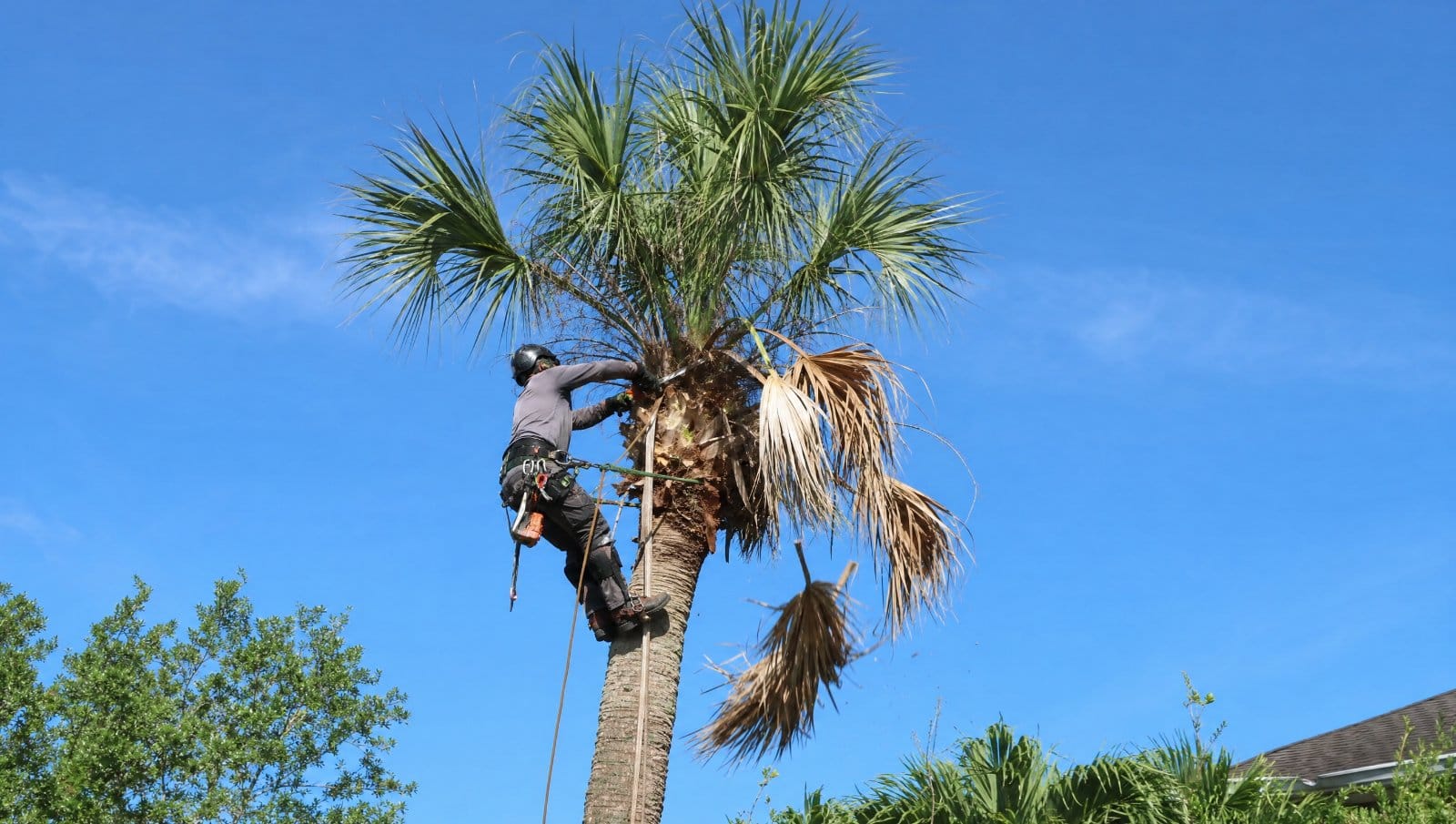
If you can’t trim your palm tree with both feet firmly on the ground or a short, stable ladder, it’s time to call for backup. Tall palms present a serious safety risk, and attempting to climb them or use long, unwieldy tools without proper training can lead to accidents. A professional tree trimming service has the right equipment, including safety harnesses and specialized saws, to get the job done correctly and without risk. They are trained to handle heights and heavy fronds, ensuring the job is completed safely and efficiently, protecting both you and your property from potential harm.
For Difficult Palm Species
Not all palm trees are created equal. Some species, like tall Mexican Fan Palms or those with thick, stubborn fronds, can be particularly challenging to trim. These trees often require specific techniques and heavy-duty equipment that most homeowners don’t have on hand. An experienced arborist understands the unique needs of different palm species found throughout Central Florida. They know precisely which fronds to remove and how to make the cuts without damaging the tree’s sensitive trunk or heart, ensuring your palm stays healthy and beautiful for years to come.
After a Storm or for Emergency Help
Florida weather can be unpredictable, and storms can turn your beautiful palms into a serious hazard. It’s a great idea to have dead or dying fronds removed before hurricane season to prevent them from becoming dangerous projectiles. If a storm has already hit, you might be left with broken fronds hanging precariously overhead. This is when you need immediate, professional help. Our team offers emergency tree removal to quickly and safely address storm-damaged trees, securing your property and giving you peace of mind.
Related Articles
- Hurricane‑Proof Your Florida Property: Proactive Tree Care & Land‑Management Tips
- Tree Trimming Services Lake Mary, FL | 10% Veteran Discount!
- FAQ
- Hedge Trimming Services Lake Mary, FL | 10% Veteran Discount!
- Tree Services New Smyrna Beach, FL | 10% Veteran Discount
Frequently Asked Questions
Is it really that bad to trim green palm fronds? I’ve heard it helps for hurricane season. Yes, it’s one of the most damaging things you can do to your palm. This practice, often called “hurricane cutting,” actually weakens the tree by removing its primary source of food—the green fronds. This stresses the palm, slows its growth, and can make it more vulnerable to pests and disease. A healthy, full crown is much better equipped to handle high winds than a sparse, over-trimmed one. It’s always best to only remove fronds that are completely brown and dead.
How can I tell if a frond is ready to be trimmed? The clearest sign is the color. A frond that is ready for removal will be completely brown, dry, and withered. Even fronds that are yellow or drooping are often still providing essential nutrients to the tree, so it’s best to leave them alone until they die off completely. A good rule of thumb is to only remove fronds that are hanging down below a horizontal line. If it’s pointing up or out, it’s still doing its job.
What’s the most important safety tip for trimming my own palms? Your personal safety is always the top priority. Beyond wearing gloves and eye protection, the most important rule is to know your limits. If you can’t reach the fronds while standing safely on the ground or a very short, stable ladder, the job is too risky to do yourself. Tall trees require professional equipment and training to handle safely, so never hesitate to call an expert for a tree that’s out of your reach.
Do I need to trim my palms every single year? Not necessarily. While once or twice a year is a common guideline, the best approach is to let the tree tell you what it needs. Some palms grow faster and may need an annual trim to look tidy, while others might be fine for longer. The key is to inspect your palms in the late spring and see how many dead fronds have accumulated. If there are only a few, you can probably wait. The goal is to remove significant dead growth, not to stick to a rigid schedule.
My palm tree looks sick. Will trimming it help? Trimming can help, but it isn’t a cure-all. Removing dead fronds can improve air circulation and eliminate hiding spots for pests, which is beneficial for the tree’s overall health. However, if you see signs of disease, unusual discoloration, or pest infestations on the trunk or in the crown, trimming alone won’t solve the underlying issue. In that case, it’s best to get a professional arborist assessment to diagnose the problem and create a proper treatment plan.