Hurricane‑Proof Your Florida Property: Proactive Tree Care & Land‑Management Tips
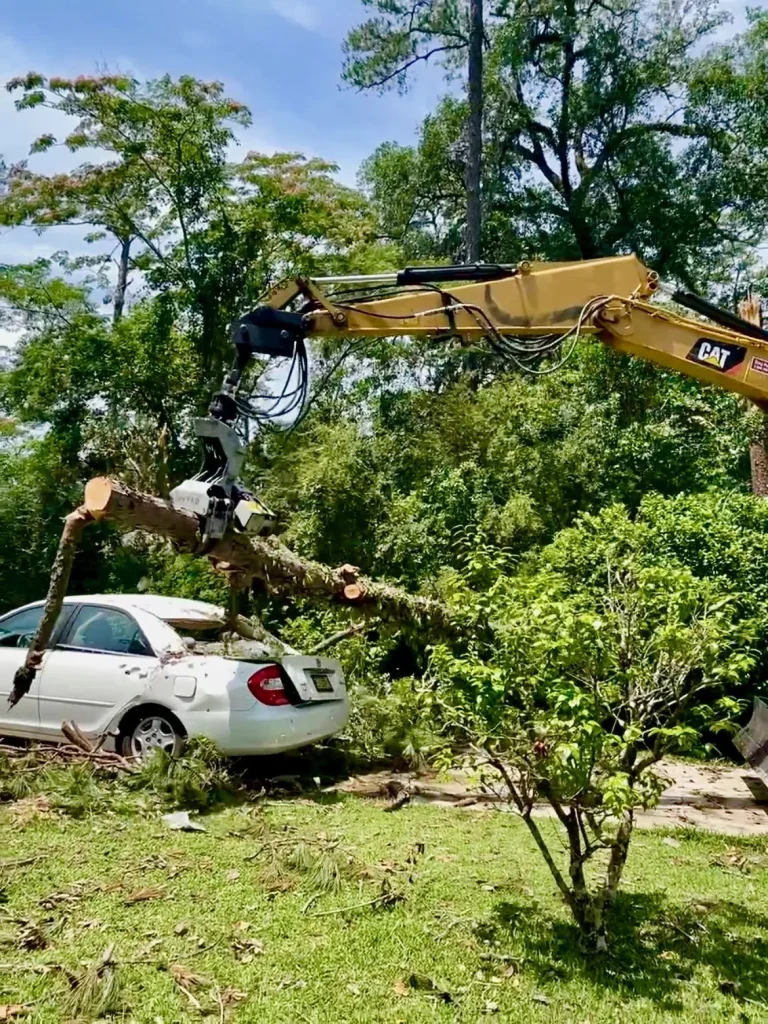
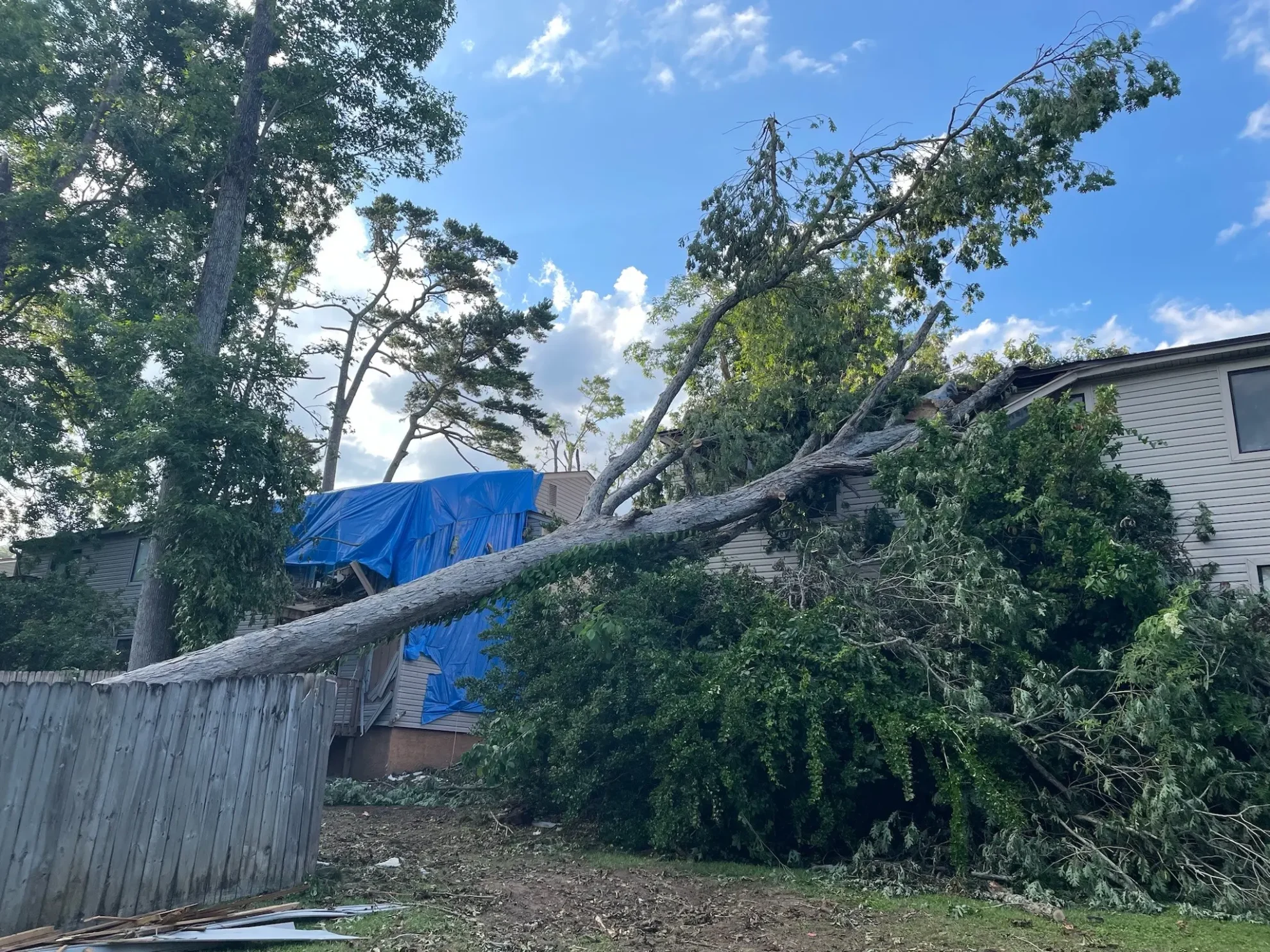
Florida’s sunshine is wonderful, until September rolls around and the Atlantic decides to throw a tantrum. When hurricanes roar ashore, loose limbs become missiles, overgrown brush turns into tinder and poorly rooted trees topple faster than your Wi‑Fi during a thunderstorm. The good news? A little proactive tree and land care now can mean a lot less cleanup later.
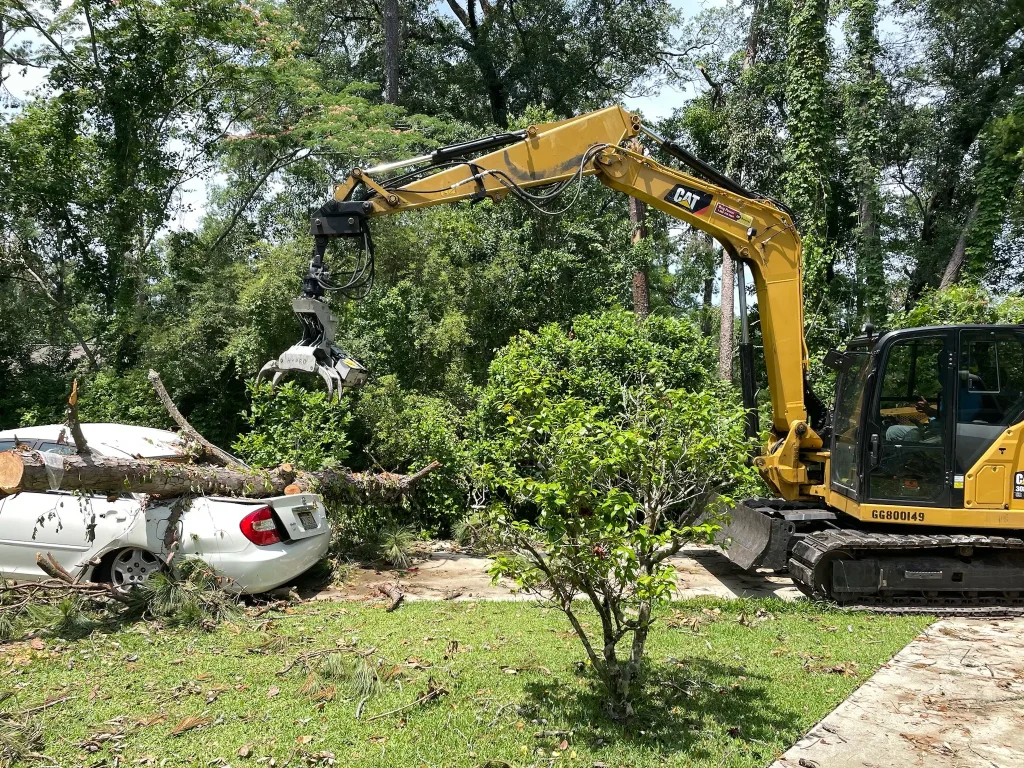
Why proactive tree care matters
Wildfires and hurricanes might seem like opposite extremes, but they’re both fueled by one thing: unmanaged vegetation. Florida’s wildland‑urban interface, where forests meet neighborhoods, is growing, and even a small brush fire can turn into a life‑threatening disaster.
Overgrown pine needles, dead branches and dry grasses become highly combustible , and more than 1 300 wildfires burned 57 000 acres in 2025 alone. Those same materials also become airborne during hurricane‑force winds.
By thinning and cleaning up your property before storms hit, you reduce the fuel available to fires and decrease the odds that a branch will end up in your living room.
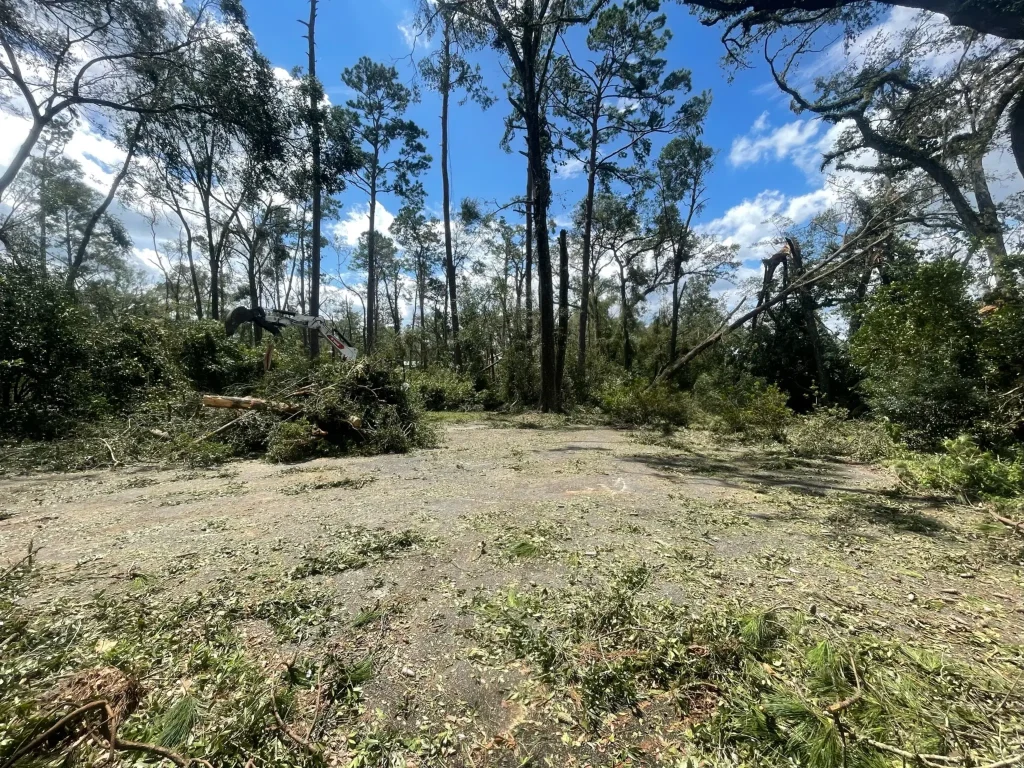
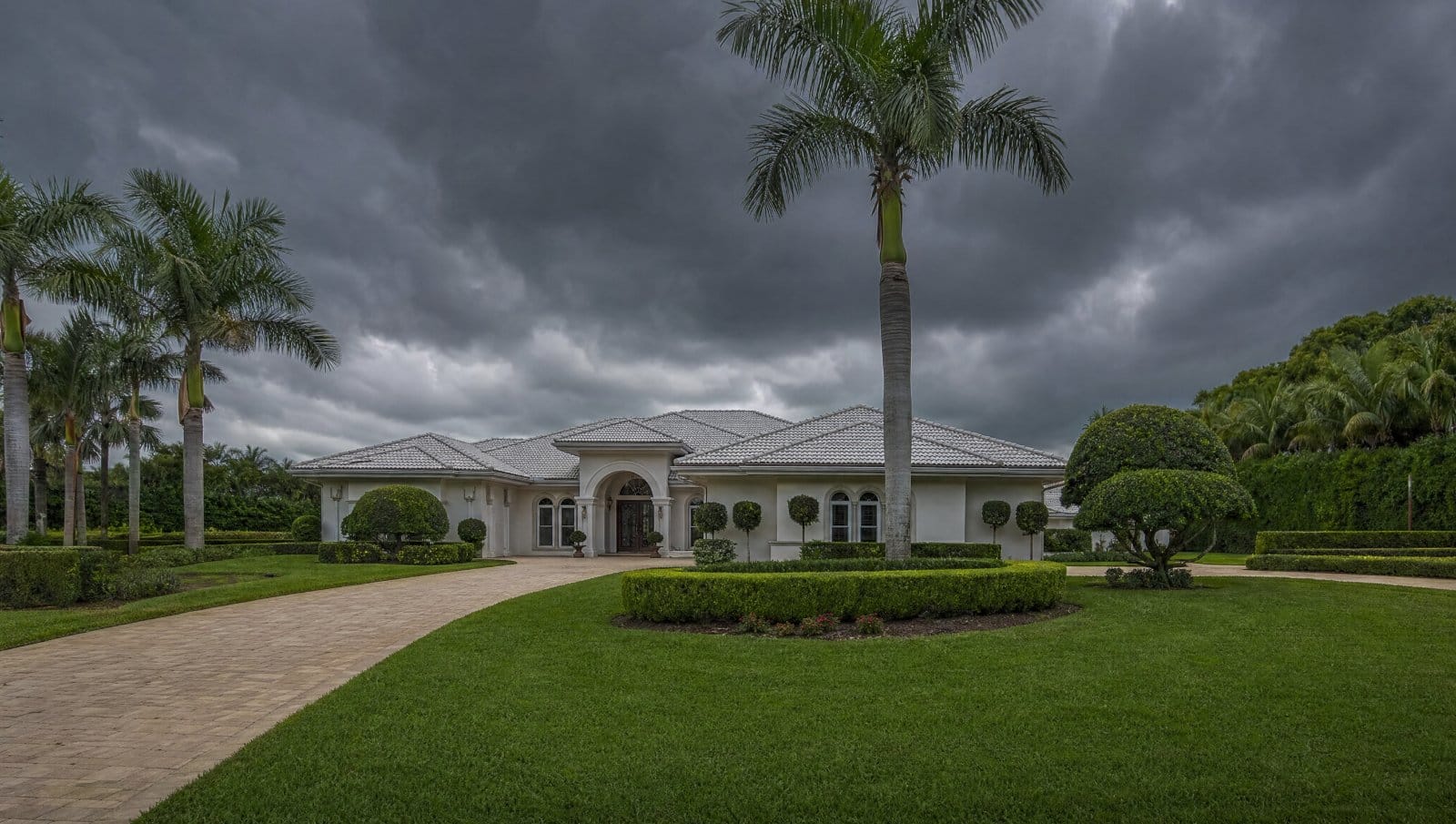
Storm‑smart pruning (no more “hurricane haircuts”)
Proper pruning is like a good haircut: it’s about shaping and strengthening, not shearing everything off the top. Removing dead limbs, reducing co‑dominant stems and thinning the canopy improves wind flow and reduces the chance of breakage.
The Florida Forest Service recommends thinning tree crowns so that branches are spaced 10–15 feet apart and pruning lower limbs 6–10 feet from the ground . It’s also wise to remove flammable plants such as saw palmetto and wax myrtle near your home.
Avoid “topping” trees (cutting off the upper crown) or radical “hurricane pruning”, these practices stress trees, encourage weak regrowth and can actually make them more prone to failure. When in doubt, hire a certified arborist; they know the difference between a strategic trim and a tree travesty.
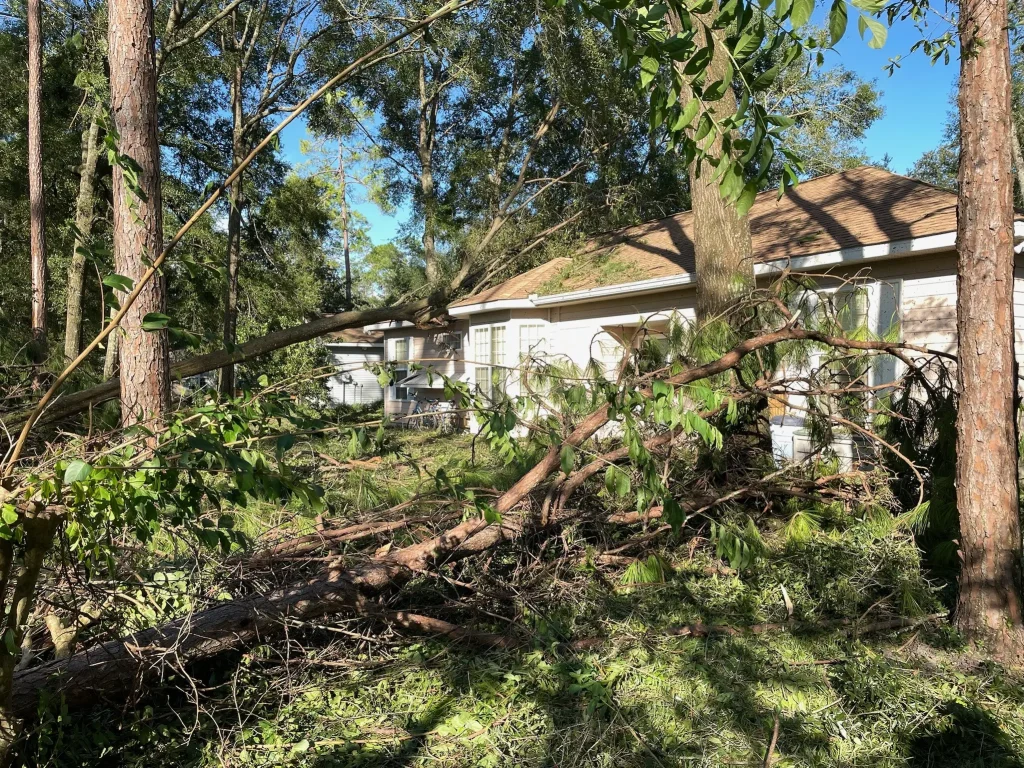
Land clearing and fuel reduction: a two‑for‑one safety boost
Wildfire experts recommend creating 30‑ to 200‑foot buffers around homes . DeAngelos Land Services specializes in mechanical fuel reduction and defensible space creation, which includes:
- Mowing overgrown lots and clearing underbrush.
- Removing dead limbs, pine needles and brush, reducing the amount of fuel available to fires.
- Thinning trees and trimming overhanging limbs to improve wind flow and reduce stress on trunks.
- Creating fuel breaks and safety zones around structures, driveways and equipment yards.
Mechanical clearing is especially important when prescribed burning isn’t possible, such as near homes or roadways . Clearing out “ladder fuels” like vines and shrubs that can carry a ground fire into tree canopies also reduces the risk of both fire and wind damage.
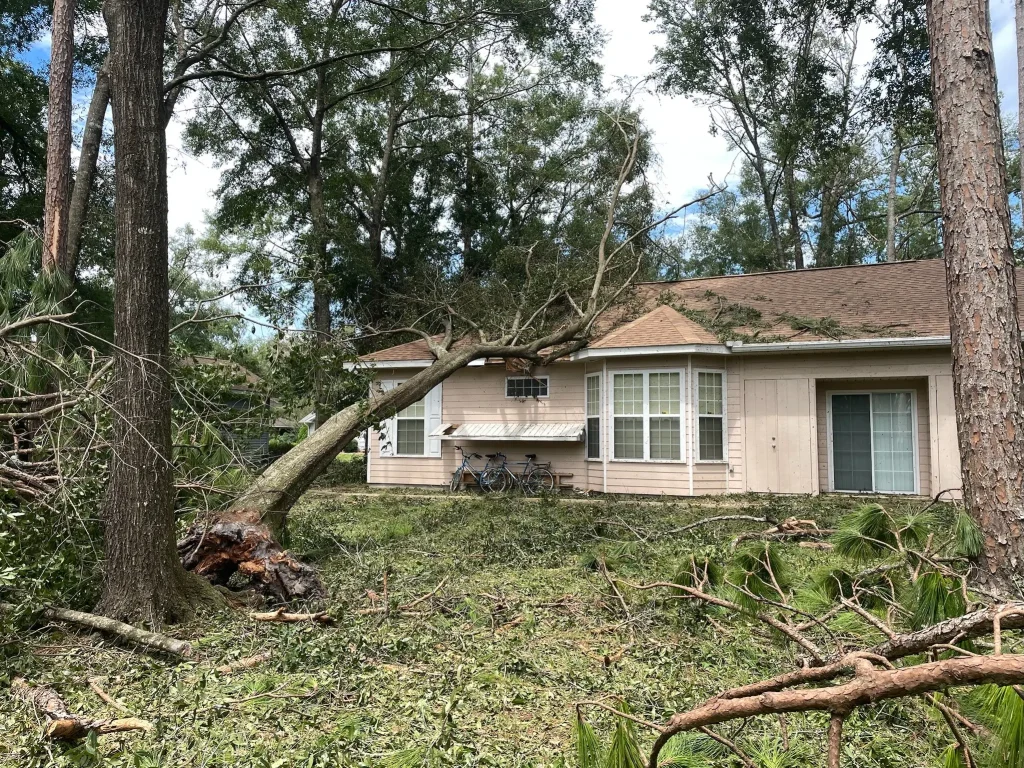
Plant wisely: resilient species and flammable foes
If you’re planting or replanting after a storm, choose species that hold up against wind and resist burning. The Florida Forest Service lists trees like Crape Myrtle, Dogwood, Loquat, Oaks, Jacaranda, Magnolia and Sycamore as fire‑resistant.
Shrubs such as agave, aloe, viburnum and beautyberry also offer color without adding fuel . Avoid pines, wax myrtle, Italian cypress and other resinous species near structures, as they ignite easily .
Remember: diversity matters. A mix of species with varying heights and leaf textures creates a more resilient landscape and helps break up wind.
Forward‑thinking land management
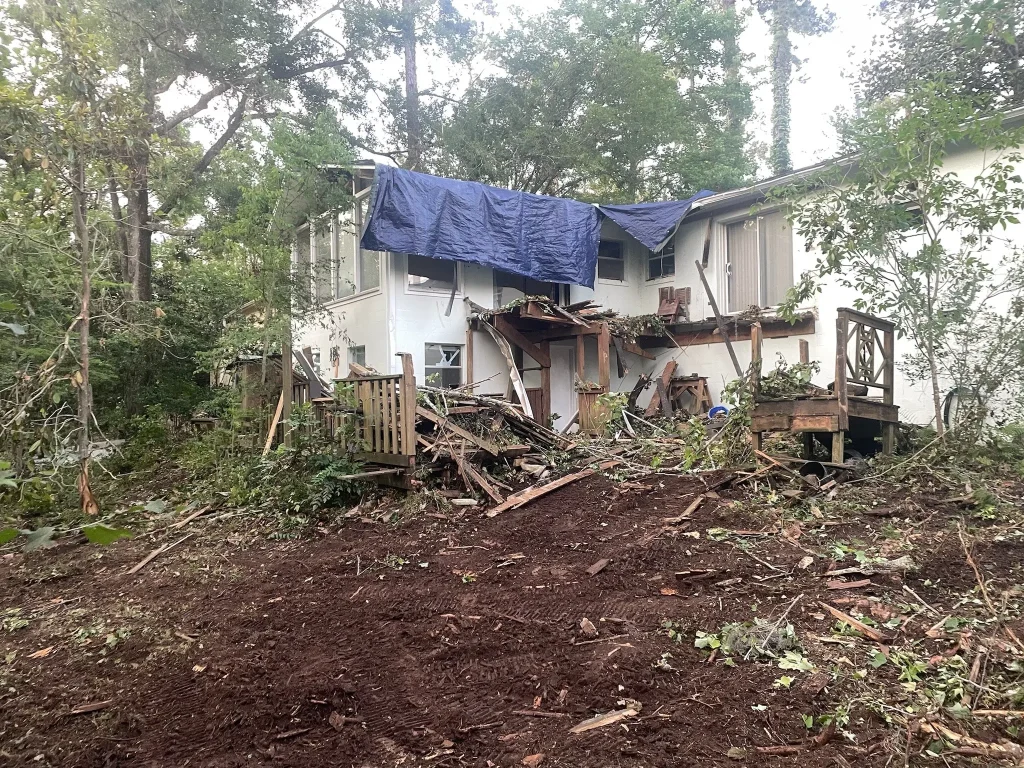
Hurricane season may run from June 1 through November 30, but the best defense starts months earlier. A proactive approach, pruning, clearing and selecting the right plants, safeguards your property, protects firefighters and reduces the likelihood of catastrophic losses .
Need help? DeAngelos Land Services has decades of experience in heavy equipment operation, excavation and land services, as our recent Vero Beach Trap Bag seawall project demonstrates . We can assess your property, identify hazards and develop a custom storm‑proofing plan. Plus, we promise not to give your trees an embarrassing “bowl cut.”
Call us today at (386) 675-2303 for a free tree‑risk and land‑management assessment. Don’t wait for the next named storm to test your property’s resilience, let us help you hurricane‑proof your slice of paradise.