
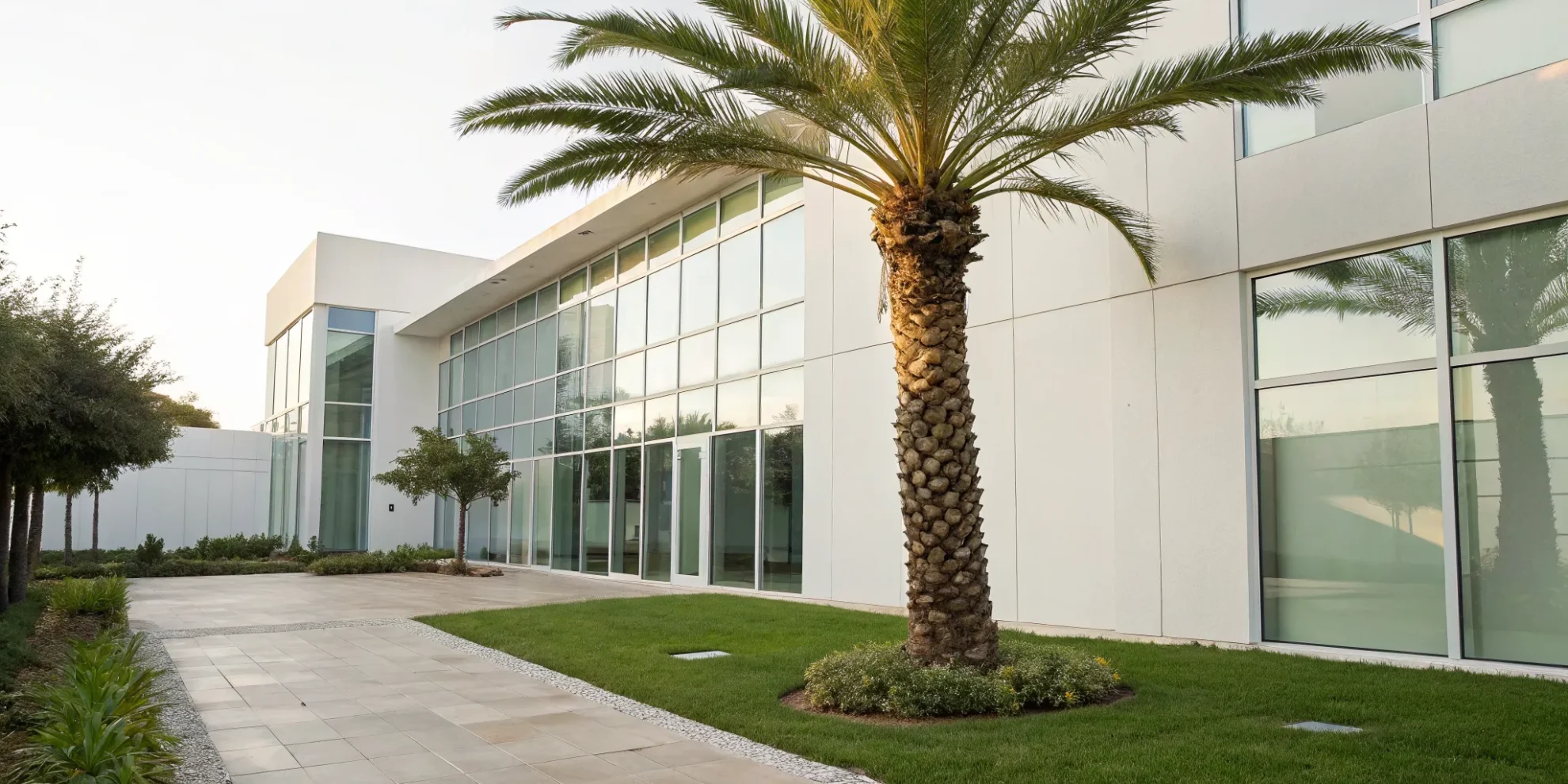
Proper Palm Tree Trimming: 7 Essential Tips
In Florida, seeing a palm with a severe “hurricane cut” is all too common. While the intention might be to prepare for a storm, this aggressive approach actually weakens the tree, stripping it of the green fronds it needs to create energy. This is just one of several common mistakes that can turn a well-meaning trim into a long-term problem for your palm. True tree care is about working with the palm’s natural cycle, not against it. Understanding the fundamentals of proper palm tree trimming ensures you avoid harming your trees. This article will show you how to identify which fronds to cut and which to leave, helping you maintain your palms’ health and structural integrity.
Key Takeaways
- Time your trim for palm health: The best time to trim is late spring or early summer, giving your palm plenty of time to recover before storm season. Only remove fronds that are completely brown and hanging below a horizontal line (the 9 and 3 o’clock positions).
- Use proper techniques to prevent damage: Always use sharp, sterilized tools to make clean cuts. To protect the trunk from injury and disease, leave a small one to two-inch base of the frond instead of cutting it flush against the tree.
- Prioritize safety above all else: Always wear protective gear like heavy-duty gloves and safety glasses. If a palm is too tall to reach from the ground, the safest and most effective option is to call a professional service.
Why Proper Palm Tree Trimming is Essential
Think of palm tree trimming as more than just a quick haircut for your landscape. It’s a vital part of keeping your palms healthy, beautiful, and safe. When you remove old, dead, or dying fronds, you’re doing your tree a huge favor. It allows the palm to redirect its energy toward producing new, vibrant growth instead of wasting resources on fronds that are past their prime. This simple act helps prevent pests and diseases from taking hold in the decaying foliage, supporting the tree’s overall vitality.
This isn’t just about looks, though a well-manicured palm certainly adds a touch of classic Florida elegance to any property. Proper trimming is also a matter of safety. Those heavy, brown fronds can become a hazard, especially during a storm, posing a risk to your home, car, or anyone passing by. By clearing away this dead weight, you not only make your yard safer but also help the palm flourish without the extra burden.
Ultimately, regular and correct trimming is an investment in the long-term health of your trees. A professional tree trimming service can help you maintain the health and beauty of your palms, ensuring the job is done right so your trees remain a resilient and beautiful feature of your landscape for years to come.
The Best Time to Trim Your Palm Trees
When it comes to palm trees, timing your trim is just as important as how you trim. Cutting at the wrong time can stress the tree, making it vulnerable to pests, diseases, and even Florida’s unpredictable weather. The goal is to work with the tree’s natural growth cycle, not against it. Think of it like this: a well-timed trim is a helpful haircut that encourages healthy growth, while a poorly timed one can leave the tree exposed and struggling to recover.
The ideal time to prune depends on two key factors: the palm’s own biological clock and our unique Central Florida climate. By understanding when your palm is actively growing and preparing for seasonal challenges like hurricane season or the occasional cold snap, you can make sure your trimming efforts keep it healthy, strong, and looking its best year-round. Let’s get into the specifics of how to find that perfect window.
How Palm Trees Grow
Palm trees follow a distinct growth pattern that influences when they should be trimmed. They do most of their growing during the warmer months, from late spring through summer. During this active period, the tree is pushing out new fronds and has plenty of energy to heal from pruning cuts quickly. Trimming old, yellowing, or brown fronds at this time allows the palm to redirect its resources toward new, healthy growth instead of wasting energy on dying parts. Proper tree trimming during this phase supports the tree’s natural cycle, helping it thrive and maintain its classic, tidy appearance without causing unnecessary stress.
Timing it Right for Florida’s Climate
Here in Florida, our climate adds another layer to the trimming schedule. The best window is typically late spring or early summer. Pruning then gives your palm plenty of time to recover before the peak of hurricane season. Removing dead fronds reduces the tree’s weight and wind resistance, making it more stable during strong storms. It’s best to avoid trimming in the fall or winter, as this can leave the tree vulnerable to damage from a sudden cold snap. A professional can help you prepare your property for severe weather and handle any necessary storm damage cleanup afterward, but a well-timed trim is your first line of defense.
The Right Tools for Safe Palm Tree Trimming
Before you make a single cut, it’s essential to gather the right equipment. This isn’t just about getting the job done; it’s about protecting yourself and ensuring the long-term health of your palm tree. Using dull or improper tools can lead to personal injury and create ragged cuts on the trunk that leave the palm vulnerable to pests and disease. A successful trim always starts with good preparation, and that means having the right gear ready to go. Think of it like cooking a meal; you wouldn’t try to chop vegetables with a butter knife. The same principle applies here. The right tool makes the job easier, safer, and yields a much better result for your palm. It prevents you from struggling with a cut, which is often when accidents happen. For any significant tree trimming, especially on taller palms that are out of easy reach, having a professional assess the situation is the safest approach. Professionals arrive with specialized equipment designed for efficiency and safety, handling the job correctly from start to finish and removing any guesswork.
Must-Have Cutting Tools
The right cutting tool depends entirely on the size of the fronds and the height of your palm. For smaller fronds that are easy to reach, a simple pair of hand pruners or loppers will work perfectly. If you’re dealing with thicker, woodier fronds, you’ll need something with more power, like a curved pruning saw or a handsaw. These give you the leverage to make a clean cut without struggling. For those fronds that are just a bit too high to reach from the ground, a pole saw is your best friend. It extends your reach, allowing you to safely trim from a stable position without needing a ladder.
Essential Safety Gear
Never underestimate the importance of safety gear. Palm fronds can have surprisingly sharp edges, so a pair of heavy-duty gloves is non-negotiable to protect your hands from cuts and scrapes. You’ll also want to wear safety glasses or goggles to shield your eyes from falling dust and debris. A hard hat is another smart addition to your gear, protecting your head from any larger fronds that might fall unexpectedly. Before you make the first cut, take a moment to clear the area below the tree. This simple step is a key part of what our professional arborist services include on every job to ensure a safe environment.
Keeping Your Tools Clean and Sharp
Healthy trees start with clean tools. It’s a simple step that many people overlook, but it’s critical for preventing the spread of diseases from one plant to another. Before you start trimming, and especially when moving between different trees, take a moment to clean your tools. You can wash them with warm, soapy water and then disinfect them with a solution of 70% rubbing alcohol or diluted bleach. Just as important is keeping your tools sharp. A dull blade can crush and tear the palm’s fibers, creating a ragged wound that heals slowly and invites pests. Sharp tools make clean, precise cuts that help the tree recover quickly.
How to Know Which Fronds to Cut
Knowing which palm fronds to remove is just as important as how you cut them. Being too aggressive can harm your tree, while not trimming enough can leave it looking messy and vulnerable to pests. The key is to be selective and focus only on the fronds that are no longer helping the tree. Here are a few simple guidelines to help you identify exactly which fronds should go.
Use the “Clock Face” Method
Here’s a simple trick to guide your cuts: imagine a clock face laid over the head of the palm tree. The fronds growing upwards and outwards, in the area from 9 o’clock to 3 o’clock, are the healthy, productive ones. These fronds are the tree’s engine, soaking up sunlight and creating food. You should only trim the fronds that are hanging below this horizontal line. Anything drooping below the 9 and 3 positions is typically older and a good candidate for removal. This visual guide is a fantastic way to prevent over-trimming and ensure you leave a healthy, full canopy that can support the palm’s growth.
Spotting Dead vs. Healthy Fronds
Color is your best indicator of a frond’s health. Your goal is to remove fronds that are completely brown, dry, and dead. If a frond is yellow or has any green left on it, leave it alone. Even a yellowing frond is still providing valuable nutrients, like magnesium and potassium, to the tree. As it dies, the palm pulls these last remaining nutrients from the old frond to support new growth. Cutting it off too soon essentially robs the tree of a final meal and can cause nutrient deficiencies. Proper tree trimming is about working with the tree’s natural cycle, not against it.
Warning Signs Your Palm Needs a Trim
Besides looking untidy, dead fronds hanging from your palm can cause a few problems. They are a clear sign your tree is ready for a trim. Removing this dead weight helps the palm direct its energy and water toward healthy new growth at the top. Dead fronds can also become a haven for pests, mold, and mildew, especially in Florida’s humid climate. These issues can easily spread to the healthy parts of the tree if left unchecked. If you notice a buildup of brown fronds, or if you see any signs of pests or fungus, it’s time to clean things up. A professional assessment from our arborist services can also help determine your palm’s overall health.
How to Trim a Palm Tree the Right Way
Once you’ve identified which fronds need to go, it’s time to make the cuts. The technique you use is just as important as the timing and tool selection. Proper cutting helps protect the palm from pests and disease while encouraging healthy growth. Following a few simple guidelines ensures the job is done correctly, leaving you with a beautiful, thriving tree. For anyone new to this, taking a methodical approach is the best way to get great results and avoid common mistakes that could harm your palm.
A Step-by-Step Guide to Cutting
The best way to approach trimming is to work from the bottom up. Start by removing any loose, dead fronds that are hanging down. A great rule of thumb is to only cut fronds that are completely brown, dead, or broken. Visualize the palm’s canopy as a clock face; you should only remove fronds hanging below the 9 and 3 o’clock positions. This method ensures you don’t remove healthy fronds that the tree still needs for photosynthesis. Proper tree trimming is about maintenance, not a complete makeover, so a conservative approach is always best.
Keep the Right Distance from the Trunk
When you make your cut, avoid cutting flush against the trunk. It’s tempting to get as close as possible for a smooth look, but this can damage the palm’s sensitive trunk and create an entry point for diseases. Instead, leave about one to two inches of the frond base attached to the tree. These leftover bases are sometimes called “boots.” This small buffer protects the trunk from accidental nicks from your saw or shears. Over time, these boots will dry up and may fall off on their own, or you can remove them later once they are no longer green.
Make Clean, Angled Cuts
Every cut should be as clean and smooth as possible. A jagged cut can invite pests and slow the healing process. Using a sharp, sterilized blade, make a decisive cut through the frond stem. Angling the cut slightly downward helps rainwater run off instead of pooling, which can lead to rot. This attention to detail is what separates a quick trim from professional arborist services that prioritize the long-term health of the tree. A clean cut not only looks more polished but is also much healthier for your palm.
Key Safety Tips for Palm Trimming
Trimming a palm tree might seem straightforward, but it comes with real risks, especially when dealing with tall trees or heavy fronds. Before you even pick up a saw, your first priority should always be safety. A few simple precautions can make the difference between a job well done and a trip to the emergency room. Thinking through your personal protective gear, the height of the tree, and your immediate surroundings will help you get the job done safely and efficiently. These steps aren’t just suggestions; they are essential for protecting yourself and your property from harm.
Wear Protective Gear
Your first line of defense is what you wear. Palm fronds have surprisingly sharp edges and spines that can cause deep, painful cuts, so always wear a pair of heavy-duty gloves. Eye protection is also non-negotiable. A good pair of safety glasses will shield your eyes from falling dust, debris, and small bits of fronds. For taller palms, a hard hat is a smart choice to protect your head from heavier falling branches. It’s also a good idea to wear sturdy, closed-toe shoes for stable footing and long sleeves to protect your arms from scratches.
Watch for Heights and Power Lines
Always assess the situation before you start. If you can’t comfortably reach the fronds from the ground or with a sturdy stepladder, it’s time to pause. Working on a wobbly, overextended ladder is incredibly dangerous. For tall palms, the safest approach is to call in professional arborist services. They have the right equipment and training to handle heights safely. Also, take a careful look for power lines. Never attempt to trim any part of a tree that is near or touching electrical wires. It’s a serious hazard that requires a professional to manage.
Check the Weather and Your Surroundings
Pick a calm, clear day for your trimming project. Wind can make fronds fall in unpredictable ways, and rain can make your tools and ladder dangerously slick. Before you make the first cut, clear the area directly underneath the palm. Move any patio furniture, potted plants, or vehicles out of the drop zone. Make sure children and pets stay safely indoors while you work. If you’re using electric tools, always be aware of where the cord is to avoid tripping or accidentally cutting it. A clear space prevents property damage and ensures no one gets hurt by falling debris.
Common Palm Trimming Mistakes to Avoid
Palm tree trimming might seem simple, but a few common missteps can cause serious, long-term damage to your beautiful trees. Knowing what to avoid is just as important as knowing the right techniques. When you sidestep these frequent errors, you help ensure your palms stay healthy, strong, and beautiful for years to come.
Over-Trimming and “Hurricane Cuts”
One of the most damaging mistakes is removing too many fronds at once. It’s tempting to trim aggressively for a super clean look, but those green fronds are the tree’s powerhouse. They create the food and energy the palm needs to survive and grow. A so-called “hurricane cut,” which strips the palm down to just a few fronds pointing straight up, is especially harmful. This practice doesn’t make the tree safer in a storm; it actually weakens it by starving it of nutrients and exposing its core to the elements. Proper arborist services focus on health, not just aesthetics.
Cutting Green or Yellow Fronds
Here’s a simple rule to follow: if a frond isn’t completely brown, leave it be. Fronds that are yellow or have some green left are still working for the tree. They are in the process of transferring their remaining nutrients back to the palm’s core. Cutting them off prematurely is like taking a plate of food away before the tree has finished eating. By waiting until the fronds are fully brown and dried out, you allow your palm to absorb all the valuable resources it needs to thrive. This patience is a key part of responsible tree trimming services.
Using Dirty or Dull Tools
Using dirty or dull equipment is a recipe for disaster. Unsanitized tools can easily spread fungal spores and diseases from one tree to another, turning a simple trim into a serious health problem for your entire landscape. Dull blades are just as bad, as they tear and crush the plant tissue instead of making a clean slice. These ragged wounds heal much slower and create an open invitation for pests and infections to move in. Always make sure your tools are sharp and sterilized with rubbing alcohol before you start.
Making Bad Cuts that Damage the Trunk
Precision is key when removing fronds. While you want to cut the frond close to its base, you must be careful not to slice into the trunk itself. The trunk of a palm is like its skin; any gash or wound creates a permanent weak spot. These injuries don’t heal the way other trees do and can become entry points for insects and disease, which can compromise the entire tree’s structure. A clean cut a short distance from the trunk allows the frond base to dry and fall off naturally, protecting the palm from harm.
Know When to Call a Professional
While tackling your own yard work can be incredibly satisfying, palm tree trimming is one of those tasks where it’s crucial to know your limits. If you’re working with a small, young palm that’s easy to reach from the ground, you can likely handle it yourself. However, when height, heavy fronds, and sharp tools are involved, the situation can become dangerous fast.
The biggest factor to consider is safety. Climbing a tall ladder while holding a saw is a significant risk for even the most confident DIYer. For any palm tree that you can’t comfortably reach from the ground, it’s always the smartest and safest choice to call for professional tree trimming. Experts have the proper safety equipment, training, and tools to manage tall trees without putting themselves, you, or your property in harm’s way.
Beyond safety, a professional brings a level of expertise that protects the health of your trees. An expert can accurately identify which fronds need to go and which should stay to promote vigorous growth. They can also spot early warning signs of disease or pest infestations that a homeowner might overlook. Think of it as an investment in the long-term health and beauty of your landscape. If you have any concerns about your palm’s condition, professional arborist services can provide a thorough assessment and a clear plan to keep your trees thriving.
Related Articles
Frequently Asked Questions
Is trimming my palm tree just for looks, or are there other benefits? While a neatly trimmed palm definitely looks great, the benefits go much deeper. Regular trimming removes dead fronds that can attract pests or become hazardous during a storm. It also allows the tree to focus its energy on new, healthy growth, which supports its overall vitality for the long run.
My palm has some yellowing fronds. Should I cut them off to clean it up? It’s best to wait. Even when a frond is yellow, the palm is still drawing valuable nutrients from it to feed new growth. Cutting it off too early can lead to nutrient deficiencies. The best practice is to only remove fronds that are completely brown, dry, and dead.
I heard a “hurricane cut” makes a palm safer in a storm. Is that true? That’s a common myth, but it’s actually harmful to the tree. A “hurricane cut,” which removes most of the green fronds, severely weakens the palm by starving it of its ability to create food. A healthy, full canopy is much more resilient. The best storm preparation is simply removing the dead, brown fronds in late spring or early summer.
Can I trim my palm tree in the fall or winter? It’s not recommended. Trimming during the cooler months can leave the palm vulnerable to damage from a sudden cold snap. The ideal time to trim is in the late spring or early summer, which gives the tree plenty of warm weather to heal and recover before hurricane season arrives.
My palm tree is really tall. Is it safe for me to trim it myself? Safety should always be your top priority. If you can’t easily reach the fronds from the ground or with a small, stable stepladder, the job becomes much riskier. Working at heights with saws requires specialized equipment and training. For any tall palms, calling a professional is the safest and most effective way to get the job done right.