
A Pro’s Guide to Commercial Irrigation System Installation
Technology has made managing commercial properties smarter and more efficient, and your watering strategy should be no exception. Outdated irrigation timers that run on a fixed schedule, rain or shine, are a thing of the past. Modern systems use smart controllers, weather data, and soil sensors to deliver water with incredible precision, ensuring not a drop is wasted. This approach not only supports a healthier, more resilient outdoor environment but also removes the daily guesswork from your plate. A professional commercial irrigation system installation is the first step to leveraging this technology. This guide covers the latest advancements and how they can benefit your property.
Key Takeaways
- Start with a tailored design: A successful irrigation system is built on a plan that accounts for your property’s specific layout, soil, and plant needs, ensuring every drop of water is used effectively.
- Use the right system for each zone: Your lawn, garden beds, and trees have different watering requirements, so a well-planned system uses a mix of tools—like sprinklers for open turf and drip lines for plants—to give each area the precise hydration it needs.
- Embrace smart technology for long-term health: Integrating features like weather-based controllers and soil sensors automates your watering schedule, which conserves water and promotes stronger, more resilient plants by adapting to real-time conditions.
What Is a Commercial Irrigation System?
Keeping a large commercial property looking its best is a big job, and proper watering is a huge piece of that puzzle. While a simple hose might work for a small backyard, sprawling business parks, apartment complexes, or sports fields need a more strategic approach. That’s where a commercial irrigation system comes in. It’s a powerful tool designed to keep your landscape healthy and vibrant without the guesswork.
Defining the Basics
A commercial irrigation system is a network of pipes, sprinklers, and controllers designed to water large properties automatically and efficiently. Think of it as the circulatory system for your landscape, delivering water exactly where and when it’s needed. These systems are built for properties like business campuses, parks, HOAs, and athletic fields. Unlike a standard residential setup, a commercial system is engineered to handle greater demands, cover more ground, and conserve water on a larger scale. The goal is to maintain a beautiful, thriving landscape while being as resourceful as possible. It’s a smart, strategic solution for any property manager who wants to ensure their grounds always look professional and well-cared-for.
Who Benefits from a Professional System?
Any property manager or business owner responsible for a large landscape can benefit from a professionally installed irrigation system. If you’re tired of dragging hoses around or worrying about inconsistent watering, this is for you. A well-designed system saves an incredible amount of time and removes the daily hassle of manual watering. More importantly, it promotes healthier, more resilient plant life by delivering consistent moisture. This is crucial for protecting your investment in things like new sod installation or ornamental trees. A professional system also conserves water by minimizing runoff and evaporation. Ultimately, it helps you maintain a polished, attractive property that adds to its overall value and appeal.
Exploring Types of Commercial Irrigation Systems
Choosing the right irrigation system is a lot like picking the right tool for a job—what works for a massive commercial lawn won’t be the best fit for delicate flower beds. The goal is always the same: to deliver water efficiently and effectively to keep your landscape healthy. The best system for your property depends on factors like your landscape design, plant types, soil conditions, and property size. A sprawling corporate campus will have different needs than a retail center with intricate garden displays. Understanding the main types of commercial irrigation systems is the first step in making a smart investment for your property. Each one offers unique benefits, from precision water delivery to broad, even coverage. Exploring these options will help you identify which technology aligns with your landscape’s specific requirements and your water conservation goals. A well-planned system is a critical part of any successful landscape design and installation, ensuring your plants get the hydration they need to thrive.
Drip Irrigation
Drip irrigation is a highly efficient method that delivers water slowly and directly to the roots of your plants. Think of it as a targeted hydration system. Instead of spraying water into the air, a network of tubes with small emitters releases water right at the soil surface. This approach is fantastic for garden beds, trees, and shrubs because it minimizes water loss from evaporation and wind. Because the water goes exactly where it’s needed, you also see less weed growth between plants. This system is a great choice for conserving water while ensuring your landscape’s most valuable plants receive the precise amount of moisture they need to flourish.
Sprinkler Systems
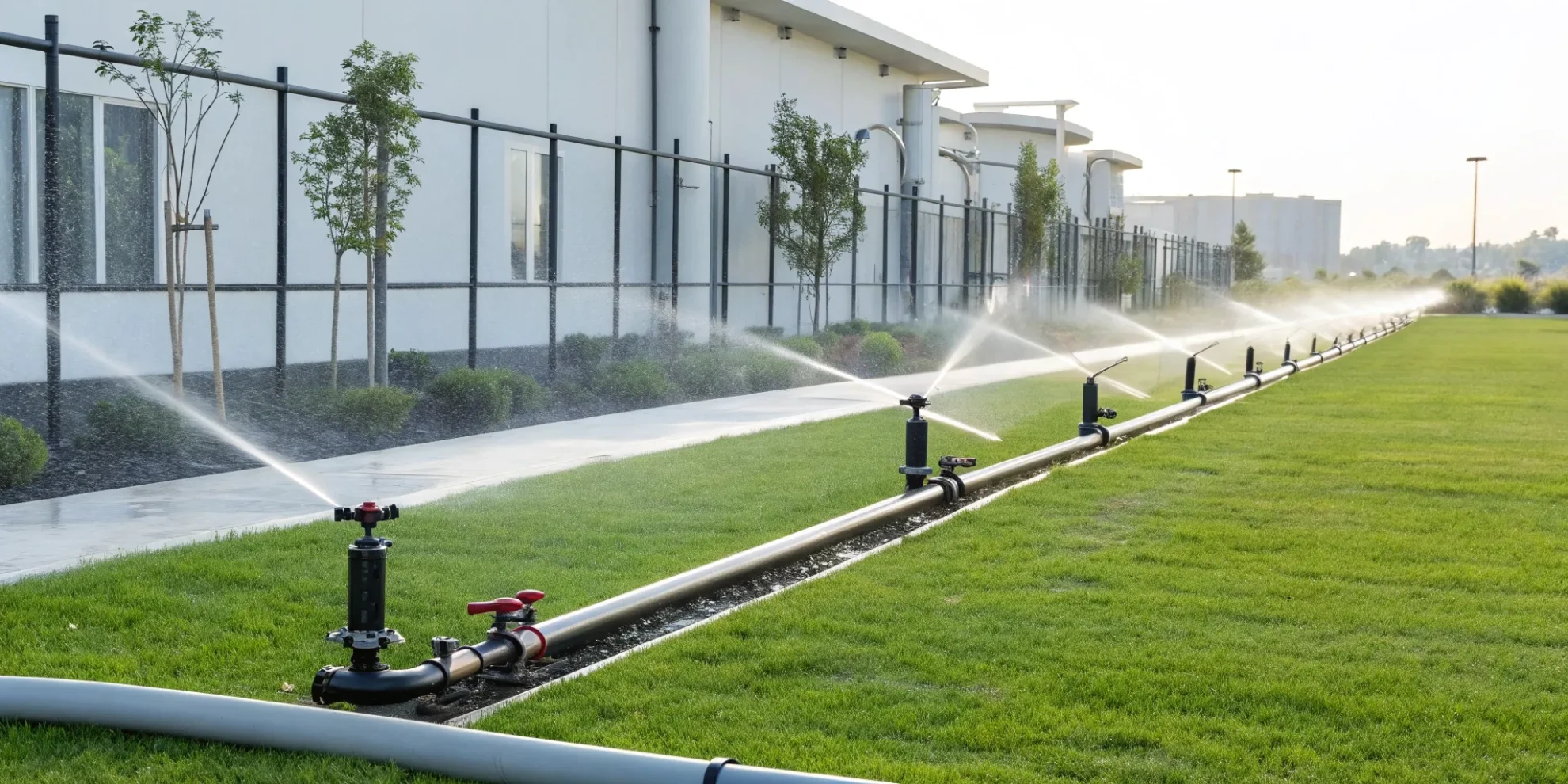
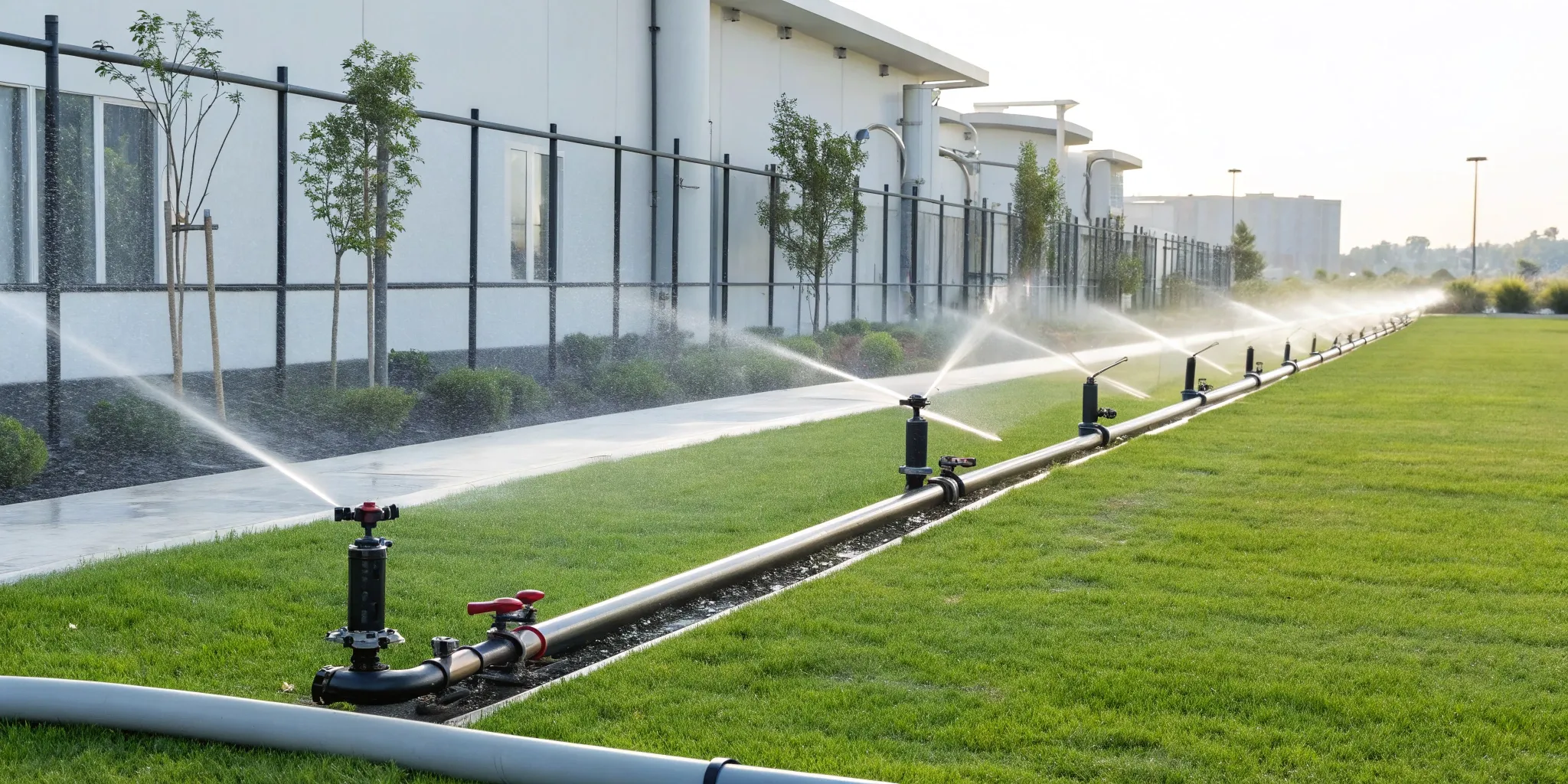
When you need to cover large, open areas like lawns and turf, sprinkler systems are often the go-to solution. These systems spray water over a designated area, mimicking rainfall. However, their effectiveness hinges entirely on proper design and installation. One of the most common mistakes in setting up an irrigation system is poor sprinkler placement, which can lead to dry spots or waterlogged patches. Strategic positioning is essential to guarantee uniform coverage and prevent wasteful runoff onto sidewalks or buildings. With careful planning, a sprinkler system can keep expansive green spaces looking their best.
Smart and Automated Technology
Modern irrigation has gone high-tech, and for good reason. Smart and automated systems use technology to make watering more precise and hands-off. These systems are built around smart controllers that connect to Wi-Fi, pulling local weather data to adjust watering schedules automatically. If rain is in the forecast, the system will skip a cycle. Many also use soil moisture sensors to water only when the ground is actually dry. The growing demand for automated irrigation systems is driven by their ability to enhance precision and significantly reduce water waste, making them an excellent choice for any forward-thinking property owner.
Micro-Spray Systems
Micro-spray systems, sometimes called micro-sprinklers, offer a middle ground between drip irrigation and traditional sprinklers. These systems deliver water in a fine, gentle mist over a smaller area, making them perfect for groundcover, dense plantings, and delicate flower beds. Because the water droplets are smaller, this method can be more efficient than conventional sprinklers, as it reduces water loss from evaporation. Micro-sprays are particularly beneficial for plants that need wider coverage than a drip emitter can provide but would be damaged by the high-pressure output of a large sprinkler head.
How to Choose the Right Irrigation System
Picking the right irrigation system is about more than just watering your plants; it’s about creating a sustainable, efficient, and healthy landscape. The best system for your property depends on several unique factors, from its size to the type of soil you have. Thinking through these elements beforehand ensures you get a solution that works for your specific needs, saving you water and headaches down the road. Let’s walk through the key considerations to help you make a smart choice for your commercial property.
Consider Your Property’s Size and Layout
The scale and shape of your landscape are the first things to evaluate. A sprawling corporate campus with wide-open turf and scattered garden beds will require a much different approach than a compact storefront with a few planters. Larger properties naturally need more extensive systems to ensure every corner receives adequate water without waste. The layout also matters—irregular shapes, slopes, and hardscaped areas all influence where pipes can be laid and what kind of sprinkler heads are most effective. A professional landscape design plan can map out these zones to guarantee efficient and complete coverage.
Assess Your Water Source
Where your water comes from plays a big role in your irrigation system’s design and long-term performance. Whether you’re using city water, a private well, or a reclaimed water system, each source has different pressure levels, quality, and requirements. For example, well water might contain sediment that requires special filters to prevent clogs in your sprinkler heads or drip lines. Understanding your water source from the start helps your contractor select the right components, like backflow preventers and pressure regulators, to keep your system running smoothly and in compliance with local regulations.
Factor in Local Climate Patterns
Here in Central Florida, we know the weather can be unpredictable. From intense summer sun and humidity to sudden afternoon thunderstorms and occasional dry spells, our climate puts unique demands on an irrigation system. A modern system should be able to adapt. Smart irrigation technology uses local weather data to automatically adjust watering schedules, so you aren’t watering the lawn during a downpour. This adaptability not only conserves water but also promotes healthier, more resilient plants by giving them exactly the amount of moisture they need to thrive in our specific climate.
Match the System to Your Landscape
Your irrigation system should be tailored to the plants it supports. Different areas of your property have different needs; the water requirements for a sunny patch of turf are not the same as for a shaded bed of native perennials. A well-designed system accounts for this by creating distinct zones. This allows you to deliver the right amount of water to your lawn, flowerbeds, shrubs, and trees. This is especially important if you plan on future tree planting, as a flexible system can be adjusted to support new additions to your landscape.
Analyze Soil and Drainage Conditions
The type of soil on your property directly impacts how water is absorbed and distributed. Central Florida’s sandy soil, for instance, drains quickly, which might mean more frequent, shorter watering cycles are needed. In contrast, denser clay soil retains moisture longer. It’s also crucial to assess your property’s natural drainage. Poor drainage can lead to waterlogged roots and plant disease. A properly installed irrigation system should work with your landscape’s topography, and in some cases, may need to be paired with drainage solutions to prevent runoff and standing water.
The Advantages of a Professional Irrigation System
Deciding to install a professional irrigation system is a significant step for any property owner. It’s about more than just convenience; it’s a strategic move that supports your landscape’s health and your property’s overall appeal. A well-planned system does more than just water your plants—it becomes the foundation of a thriving, beautiful outdoor space that stands out. When you automate your watering schedule with a professionally installed system, you’re not just checking a task off your list. You’re implementing a precise, efficient solution tailored to the unique needs of your property. Let’s look at the key advantages that make this upgrade a smart choice for your commercial space, from conserving resources to protecting your landscaping investment for years to come.
Use Water More Efficiently
One of the most compelling reasons to install a professional irrigation system is its efficiency. Forget about the guesswork of watering with a hose. A modern system delivers the right amount of water directly where it’s needed, minimizing waste from runoff and evaporation. With features like drip lines, targeted sprinkler heads, and smart controllers that adjust to weather conditions, you can ensure every drop is used effectively. This precision prevents both overwatering, which can lead to root rot and fungus, and underwatering, which stresses plants. This approach to water conservation is not only responsible but also essential for maintaining a healthy landscape in the Florida climate.
Support Healthier Plant Growth
Consistency is key to a vibrant landscape. An automated irrigation system provides your turf, trees, and garden beds with a reliable water supply, promoting deeper root growth and stronger, more resilient plants. When plants receive consistent moisture, they can better withstand heat, drought, and disease. A professionally designed system accounts for the different needs of various plants, creating specific zones for sun-loving flowers, shady shrubs, and sprawling lawns. This tailored approach is a core part of a successful landscape design, ensuring every part of your property gets the exact care it needs to flourish and look its best year-round.
Reduce Manual Labor
Managing the watering needs of a large commercial property is a time-consuming job. A professional irrigation system automates this entire process, freeing up you or your staff to focus on other important tasks. There’s no need to drag hoses across the property or remember to turn sprinklers on and off. The system runs on a pre-set schedule, operating independently day in and day out. This automation not only saves countless hours of manual labor but also guarantees that your landscape is never neglected. Entrusting this work to a reliable system and professional arborist services ensures your property receives consistent, expert care without the daily effort.
Invest in Your Landscape’s Future
Your landscape is a valuable asset that contributes significantly to your property’s curb appeal and overall value. A professional irrigation system is an investment in protecting and enhancing that asset. By ensuring your plants, trees, and lawn receive optimal hydration, the system helps maintain the beauty and health of your entire outdoor space. A lush, well-maintained landscape makes a powerful first impression on clients, tenants, and visitors. It’s a long-term solution that supports the vitality of everything from new sod installation to mature trees, securing the beauty of your property for years to come.
Your Guide to the Installation Process
A professional irrigation system installation isn’t a one-day affair. It’s a carefully orchestrated process that transforms a property’s landscape into a self-sustaining, efficiently watered environment. From the initial walkthrough to the final system test, each step is designed to ensure your system is effective, durable, and perfectly suited to your landscape’s specific needs. Understanding this process helps you appreciate the detail and expertise that goes into creating a system that will support your property for years.
A well-thought-out plan is the foundation of a successful irrigation system. Skipping this crucial phase is one of the biggest mistakes you can make, often leading to inefficient watering and future headaches. A professional team will approach the installation methodically, ensuring every component works together seamlessly. This involves assessing your property, designing a custom layout, carefully installing the hardware, and testing everything to guarantee performance. Let’s walk through what you can expect from a professional installation, step by step.
Site Assessment and System Planning
The first step is always a detailed site assessment. A professional team will walk your property to understand its unique characteristics, including soil type, sun and shade patterns, slope, and the specific needs of your existing plants. They’ll identify your water source and measure water pressure to ensure the system will operate correctly. This initial evaluation is the bedrock of your entire project. A thoughtful landscape design and irrigation plan are created from this data, mapping out a system that delivers the right amount of water exactly where it’s needed, without waste.
Custom Design and Zoning
With the site assessment complete, the next phase is creating a custom design. This isn’t a one-size-fits-all solution. The design process involves strategically mapping out “zones”—separate areas that can be watered independently. For example, a sunny patch of turf has very different watering needs than a shaded garden bed. By creating distinct zones, the system can provide tailored hydration, preventing over- or under-watering. This careful planning helps avoid common issues like incorrect sprinkler placement and inadequate coverage. It also integrates proper drainage solutions to prevent water from pooling and damaging your landscape.
Trenching and Pipe Installation
Once the design is finalized, the physical work begins. This stage involves trenching to lay the network of pipes that will carry water throughout your property. Professionals use specialized equipment to create clean, precise trenches at the correct depth, which protects the pipes from damage from aeration or other activities. The pipes and fittings are then carefully laid out according to the design plan. Proper excavation is key to ensuring the system’s longevity and performance, as it sets the groundwork for all the components that will be installed next.
Component Setup and Testing
With the underground network in place, it’s time to install the above-ground components. This includes sprinkler heads, drip lines, valves, and the central controller. Each sprinkler head is precisely placed and adjusted to ensure it provides the intended coverage without spraying onto buildings or hardscapes. After everything is connected, the system undergoes rigorous testing. The team will run each zone, checking for leaks, monitoring water pressure, and fine-tuning sprinkler adjustments. This critical step confirms that the system operates exactly as designed, delivering efficient and uniform irrigation across your entire landscape.
Finalizing with Safety Measures
The final step is all about finishing touches and future care. Trenches are carefully backfilled, and the landscape is restored to its original condition, leaving minimal trace of the installation work. Your contractor will walk you through the controller, showing you how to operate your new system and make adjustments if needed. They’ll also discuss a schedule for routine inspections and maintenance. Just like any other important feature of your property, regular tree and plant care and system check-ups will keep your irrigation system running smoothly, protecting your investment and keeping your landscape healthy.
What to Expect During Installation
Once the planning is done, it’s time for the installation. This phase is where a professional team truly shines, turning a detailed design into a fully functional irrigation system. A well-managed
The process involves much more than just digging trenches. It’s about carefully mapping out zones, correctly placing components, and ensuring every part of the system works together flawlessly. From respecting your property’s unique landscape to integrating the latest technology, a professional installation is designed to be efficient and effective. The goal is to get your new system up and running smoothly, setting your landscape up for long-term health and success. A skilled landscape contractor handles this entire process, ensuring the final result meets your property’s specific needs.
Working with Your Property’s Unique Terrain
No two properties are exactly alike. Your landscape has its own unique slopes, soil composition, and mix of sun and shade. A successful irrigation installation works with these features, not against them. A one-size-fits-all system often leads to problems like uneven watering, where some areas are flooded while others remain dry.
Our approach starts with a thorough assessment of your property’s terrain. We map out the high and low points, identify different soil types, and consider the specific needs of your plant life. This allows us to design a system that delivers the right amount of water exactly where it’s needed, ensuring efficient use and healthy growth. Proper drainage solutions are also a key part of this assessment, preventing water from pooling and causing damage.
Meeting Local Regulations and Permits
For any large-scale property improvement, there’s usually some paperwork involved, and commercial irrigation is no exception. Depending on your location in Central Florida, your project may require specific permits to ensure it complies with local water usage regulations and building codes. Navigating these requirements can feel overwhelming, but it’s a standard part of the process for an experienced contractor.
A professional team will handle the permitting process for you. A well-thought-out plan is essential, and that includes making sure all paperwork is filed correctly and on time. This ensures your installation is fully compliant from day one, giving you peace of mind and preventing any potential issues down the road. We manage the details so you can focus on your property.
Integrating New Technology Seamlessly
Modern irrigation systems are incredibly smart. Gone are the days of simple timers that run rain or shine. Today, we can integrate advanced technology that makes your system more efficient, responsive, and easier to manage. From weather sensors that automatically adjust watering schedules to controllers you can manage from your smartphone, the options are designed to conserve water and save you time.
During installation, we can seamlessly incorporate these features into your system. IoT technologies allow for automated structures that manage water resources with incredible precision. This means your landscape gets exactly what it needs to thrive without wasting a drop. We’ll make sure you understand how to use any new technology so you can get the most out of your investment.
Minimizing Disruption to Your Operations
We understand that your property is a place of business or a home you take pride in, and the last thing you want is a lengthy, disruptive project. A key part of a professional installation is a commitment to minimizing the impact on your daily routine. This starts with a clear and efficient work plan that is communicated to you from the beginning.
Our team works methodically to complete the installation with as little disturbance as possible. We use specialized equipment to keep the work area tidy and take care to protect your existing landscape. By focusing on careful planning and execution, we ensure the process is smooth and straightforward. Once the job is done, we’ll leave your property looking clean and ready for you to enjoy your new, efficient irrigation system.
Common Planning Mistakes to Sidestep
Installing a commercial irrigation system is a significant step toward a healthier, more vibrant landscape. But even the best equipment can’t make up for a flawed plan. A few common missteps during the planning phase can lead to wasted water, stressed plants, and ongoing headaches. By understanding these potential pitfalls from the start, you can ensure your system is designed for efficiency and longevity, giving your property the precise care it needs to thrive. Let’s walk through some of the most frequent planning mistakes and how to avoid them.
Inadequate System Design
A successful irrigation system starts long before the first trench is dug. It begins with a detailed, thoughtful design. One of the biggest mistakes is failing to create a comprehensive plan that accounts for your property’s unique characteristics. A proper design considers everything from water pressure and flow rate to the specific needs of different plant zones, sun exposure, and soil type. Without this blueprint, you risk an inefficient system that either under-waters or over-waters your landscape. A professional landscape design integrates irrigation from the beginning, ensuring every component works together seamlessly for optimal plant health and water conservation.
Incorrect Sprinkler Placement
Where you place your sprinkler heads matters—a lot. It’s easy to assume that as long as water is spraying, the job is done, but poor placement is a classic mistake. Sprinklers positioned too far apart will create dry, brown patches, while those placed too close together will cause overlapping wet spots that can lead to fungal growth and water waste. The goal is to achieve what’s known as “head-to-head coverage,” where the spray from one sprinkler head reaches the next. This strategy guarantees uniform water distribution across your entire landscape, leaving no patch thirsty or drowned.
Overlooking Proper Drainage
What goes in must come out. An irrigation system adds a significant amount of water to your property, and if that water has nowhere to go, it can cause serious problems. Overlooking drainage can lead to pooling water that suffocates plant roots, damages hardscaping, and creates a breeding ground for pests. Especially in Central Florida’s climate, managing excess water is critical. A thorough site assessment should always evaluate the existing grading and soil composition to identify potential drainage issues. Implementing effective drainage solutions is a non-negotiable part of a well-designed irrigation project.
Using Improper Pipe Sizes
This is a more technical detail, but it has a huge impact on performance. The size of the pipes used throughout your irrigation system determines the water pressure and flow. If the pipes are too small for the system’s needs, the pressure will drop, and the sprinklers at the end of the line won’t have enough force to spray correctly. This results in weak, uneven coverage. On the other hand, using pipes that are unnecessarily large can also affect performance. Calculating the right pipe sizes requires an understanding of hydraulics and your system’s specific demands, which is why professional expertise is so important for getting it right.
A Look at Smart Irrigation Technology
Technology has completely changed how we approach landscape care, and irrigation is no exception. Smart irrigation systems use data and automation to water your property more effectively than ever before. Instead of relying on a simple timer that runs whether it’s raining or shining, these systems use real-time information about the weather and your landscape’s specific needs to deliver the right amount of water at the right time. This means your plants get exactly what they need to flourish without wasting a single drop. From controllers that check the weather forecast to sensors that measure soil moisture, smart technology offers a level of precision that was once out of reach. It’s a forward-thinking approach that helps you maintain a beautiful, healthy landscape while being incredibly efficient. These systems not only conserve water but also promote deeper root growth and reduce the risk of plant diseases caused by overwatering. They take the guesswork out of watering, giving you peace of mind and a consistently beautiful property. Let’s explore some of the key technologies that make these systems so effective.
Remote Monitoring with IoT
The Internet of Things (IoT) sounds complex, but the idea is simple: it’s about connecting devices so they can share information. In irrigation, this means sensors in your soil can communicate with your system’s controller. These sensors gather data on moisture levels, temperature, and overall soil health. This information is then used to create automated irrigation structures that can manage water resources with incredible efficiency. You can monitor and adjust your system from a smartphone or computer, giving you complete control no matter where you are. This technology allows for precise watering schedules that adapt to the actual conditions of your landscape, ensuring optimal plant health and water conservation.
Weather-Based Controllers and Sensors
Weather-based controllers are the core of most smart irrigation systems. Instead of just turning on and off at set times, these “smart controllers” pull in local weather data to make better decisions. They can automatically skip a watering cycle if it’s about to rain or increase watering during a dry, hot spell. This level of automation is a primary reason for the growing demand for automated irrigation systems that enhance precision. By reacting to the immediate environment, these controllers prevent overwatering and underwatering, which keeps your plants healthier and your landscape looking its best year-round.
Drone Technology in System Management
For larger commercial properties, drone technology is becoming a valuable tool for irrigation management. Drones can fly over your landscape to provide a detailed aerial view, helping to identify issues that might be missed from the ground. They can spot dry patches, leaks, or areas with poor drainage quickly and accurately. This technology is especially useful to monitor crop health and assess irrigation needs from above, providing critical data for optimizing water distribution. By using drones for system management, property managers can make more informed decisions, fine-tune their irrigation strategy, and address potential problems before they become serious.
The Latest in Water Conservation
Modern irrigation is all about precision, and new technologies are constantly pushing the boundaries of what’s possible. Precision irrigation technology focuses on delivering water directly to the plant’s root zone, where it’s needed most. Techniques like drip irrigation, when combined with smart controllers, allow water to slowly seep into the soil, minimizing evaporation and runoff. Some advanced systems even integrate fertilization, delivering nutrients along with water. This creates the perfect micro-environment for your plants to thrive while using the least amount of water necessary. It’s a sustainable approach that supports a lush, vibrant landscape.
How to Select the Right Irrigation Contractor
An irrigation system is only as good as the team that installs it. Choosing the right contractor is one of the most important decisions you’ll make for your property’s landscape. A true professional does more than just dig trenches and lay pipes; they act as a partner who understands the specific needs of your land and helps you protect your investment for the long haul. You want a team with a solid reputation in Central Florida, one that brings deep knowledge of our local soil, climate, and regulations to the table.
When you start your search, look for a company that demonstrates a clear commitment to quality and attention to detail in every project they handle. A great contractor will take the time to walk your property, listen to your goals, and develop a custom plan that makes sense for your landscape. They should be able to explain their process clearly and answer all your questions with confidence. Finding a skilled landscape contractor ensures your irrigation system is designed and installed correctly from day one, setting your property up for years of healthy, vibrant growth.
Verify Licensing and Credentials
Before you get into the details of system design, your first step should always be to confirm that any contractor you’re considering is properly licensed to operate in your area. This isn’t just about checking a box; it’s a crucial measure to protect your property and your investment. A licensed professional is accountable to local and state standards, ensuring that all work is performed safely and correctly. A reputable company will also handle all the necessary permits for the project, so you can have peace of mind knowing everything is compliant with local regulations. This simple check is a key indicator of a contractor’s professionalism and reliability.
Prioritize Commercial Project Experience
Installing an irrigation system for a commercial property is a different ballgame than a simple residential setup. Commercial landscapes are often larger, have more complex layouts, and need to withstand higher levels of foot traffic. That’s why it’s so important to choose a contractor with proven experience in commercial projects. Ask to see a portfolio of their work and look for examples similar in scale and scope to your own. A team that regularly handles large-scale land clearing and development projects will have the expertise to design a robust system that meets the unique demands of a commercial environment, ensuring durability and efficient performance.
Review Their Equipment and Capabilities
The quality of an irrigation installation is directly tied to the quality of the equipment used to do the job. A contractor with modern, well-maintained machinery can work more efficiently and with greater precision, minimizing disruption to your property and daily operations. Don’t hesitate to ask about the tools and technology they use. Companies that invest in their equipment are also investing in the quality of their work. Professional excavation services require the right machinery to get the job done correctly, and the same principle applies to installing a high-performance irrigation system. It’s a strong sign that they are serious about delivering top-tier results.
Ask About Service and Maintenance Support
The installation of your irrigation system is just the beginning. To keep it running at peak performance, it will need regular check-ups and maintenance. A great contractor stands by their work and offers ongoing support to protect your investment. Before making a final decision, ask about their service and maintenance plans. Do they offer routine inspections, seasonal adjustments, and prompt repairs? A proactive approach to maintenance can prevent small issues from becoming big problems, extend the life of your system, and ensure your landscape stays healthy. It’s a key part of a comprehensive water management strategy, much like having proper landscape drainage solutions.
Related Articles
- Lawn Sprinkler System Installation in Lake Mary, FL
- Sprinkler System Installation: A Step-by-Step Guide
Frequently Asked Questions
How do I know if my property needs a commercial-grade system? The main difference comes down to scale and demand. If you’re managing a large or complex landscape—like a business park, HOA, or athletic field—a commercial system is built to handle the job. These systems are engineered with more durable components to withstand higher water pressure and constant use, ensuring every part of your extensive property gets consistent and reliable coverage.
Will the installation process ruin my current lawn and garden beds? This is a common concern, but a professional team works specifically to minimize any disruption. We use specialized equipment that creates clean, narrow trenches for the pipes. The process is methodical, and once the system is installed, the trenches are carefully backfilled and the turf is restored. Our goal is to leave your landscape looking neat and tidy, with the system working discreetly in the background.
What kind of upkeep is required after the system is installed? An irrigation system is a low-maintenance feature, but it does benefit from routine check-ups to keep it running efficiently. This typically involves inspecting sprinkler heads for clogs or damage, making sure the controller’s schedule is still appropriate for the season, and checking for any leaks. A little proactive care ensures your system performs well for years and continues to protect your landscape investment.
Can a system be customized for different types of plants on my property? Absolutely. A well-designed system is never a one-size-fits-all solution. We create different “zones” to deliver the right amount of water to specific areas. For example, your open turf areas might be on a sprinkler zone, while your delicate flower beds and shrubs could be on a separate drip irrigation zone. This customization ensures every plant gets the precise hydration it needs to thrive without over- or under-watering its neighbors.
How does a smart irrigation system handle Central Florida’s unpredictable rain? This is where smart technology really shines. Modern systems use weather-based controllers that connect to local weather data or have their own rain sensors. If rain is in the forecast or if the sensor detects moisture, the system will automatically pause its scheduled watering cycle. This prevents you from watering the lawn during a classic Florida downpour, which conserves water and keeps your plants healthy.