

Sprinkler System Installation: A Homeowner’s Guide
Taking on a major home improvement project can feel daunting, but the reward is well worth the effort. A DIY sprinkler system installation is one of those projects that not only adds significant value to your property but also gives you a huge sense of accomplishment. It puts you in complete control of your landscape’s health and your home’s water usage. We’ve created this comprehensive guide to demystify the process and provide clear, actionable steps. From making a materials list to connecting the final valve, we’ll walk you through everything you need to know to build a reliable, professional-quality system you can be proud of.

Key Takeaways
- Map Your System Before You Dig: A successful installation starts with a smart plan. Measure your water pressure and flow rate, then draw a to-scale map of your property to create efficient watering zones based on sun exposure and plant types.
- Install with Safety and Foresight: Always call 811 to locate underground utility lines before breaking ground. To prevent clogs and ensure good performance from the start, flush the pipes with water to clear out debris before you attach the sprinkler heads.
- Perform Regular Check-ups and Know Your Limits: Keep your system running efficiently by cleaning nozzles and adjusting your watering schedule with the seasons. For complex yard layouts or any work involving main water lines, hiring a professional is the safest and most effective choice.
What Makes Up a Sprinkler System?
Getting to know the anatomy of a sprinkler system makes the whole installation process feel much more manageable. Think of it as a network designed to deliver water efficiently right where your landscape needs it, with a brain, a heart, and a circulatory system all working together. The main components you’ll be working with are the controller that sets the schedule, the valves that direct the water, the pipes that carry it, and the sprinkler heads that distribute it. Understanding how these parts function together is the first step toward a successful DIY installation and a healthy, beautiful yard. Let’s break down what each piece does.
Control Valves and Timers
The control valves and timer are the brains of your entire operation. The timer, or controller, is where you’ll program your watering schedule, giving you complete control over when and for how long your lawn gets watered. This automation is what makes a sprinkler system so convenient. The control valves act like gates, opening and closing based on the timer’s signals to send water to specific areas, or “zones,” of your yard. Following the manufacturer’s instructions to connect the valves to your timer is a critical step. Once they’re hooked up, you can test each zone individually to make sure everything is working correctly and the water is going exactly where you planned.
Sprinkler Heads and Coverage Types
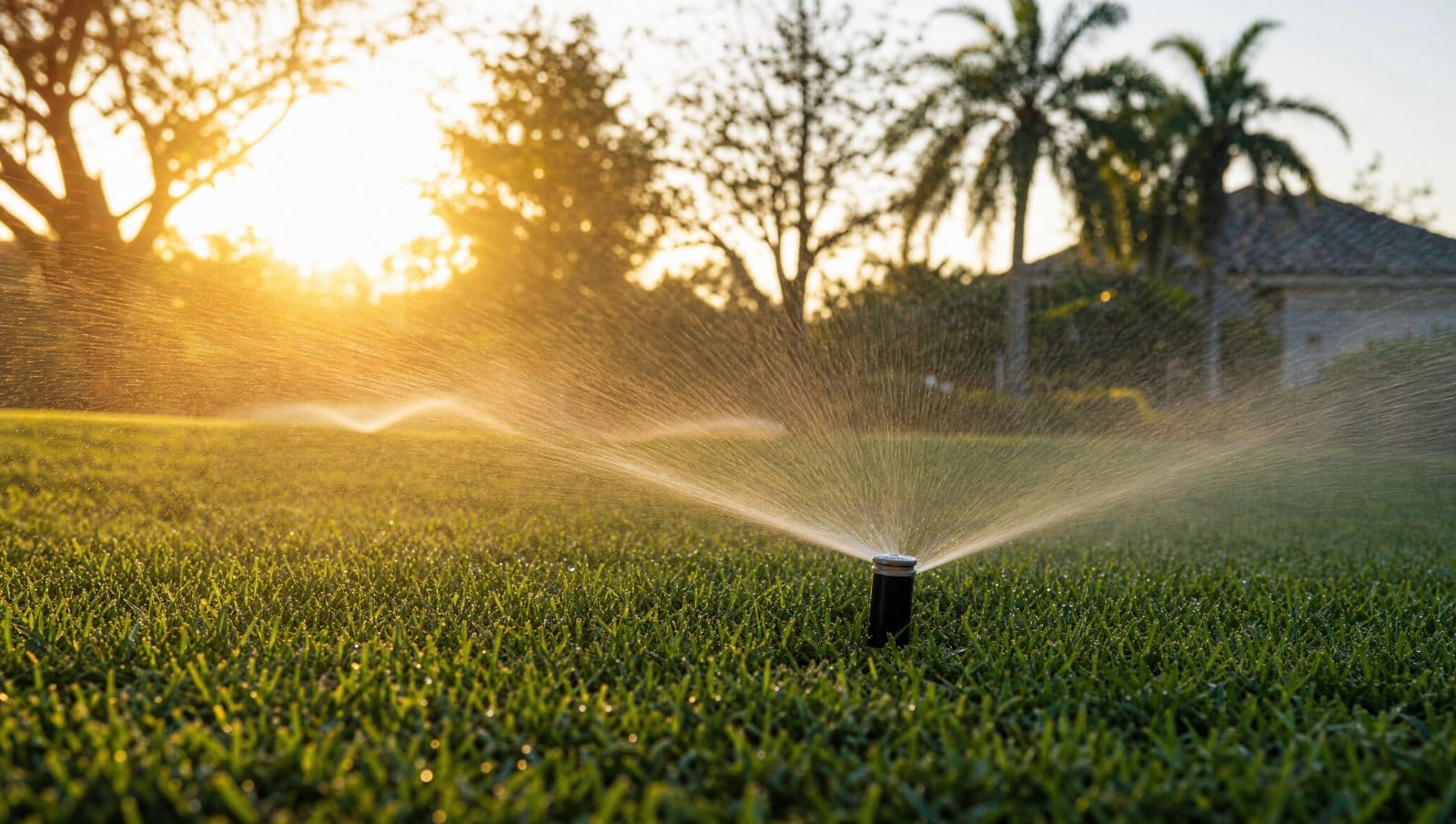
Sprinkler heads are the final stop for the water and what you’ll actually see when the system is running. There isn’t a one-size-fits-all solution here; the right choice depends on the size and shape of your lawn, as well as your soil type. Pop-up spray heads are great for smaller, more intricate areas like flower beds, while rotors are better for covering large, open spaces. It’s a good idea to choose the right sprinkler head and nozzle to match your soil’s absorption rate, which helps prevent runoff and wasted water. Getting the placement and type right is key to achieving that even, head-to-head coverage that keeps every patch of grass green.
Pipes, Fittings, and Backflow Prevention
The underground network of pipes and fittings is the circulatory system that carries water from its source to the sprinkler heads. For a durable, long-lasting system, it’s best to use thicker ‘schedule 40’ PVC pipe. You’ll connect these pipes with various fittings and a special PVC cement to create watertight seals. Just as important is the backflow preventer. This crucial safety device stops irrigation water from flowing back into your home’s clean drinking water supply. Most local codes require a backflow prevention assembly, so be sure to check your area’s regulations before you start digging. This isn’t a step you want to skip.
How to Plan Your Sprinkler Layout
A successful sprinkler system installation starts long before you ever pick up a shovel. Creating a solid plan is the single most important thing you can do to save yourself time, money, and frustration down the road. Think of this as creating the blueprint for your future lawn. A thoughtful layout ensures every part of your yard gets the right amount of water without waste, leading to a healthier, greener landscape. This planning phase involves understanding your property’s specific needs, from water pressure to sun exposure. Taking the time to map everything out on paper first helps you visualize the final system, work out any potential issues, and gather all the necessary materials before you begin. It’s much easier to move a line on a piece of paper than to re-dig a trench.
Check Your Water Pressure and Flow Rate
Before you can plan your sprinkler zones, you need to know what your water source can handle. This starts with two key measurements: water pressure, measured in pounds per square inch (PSI), and flow rate, measured in gallons per minute (GPM). You can find your flow rate easily with a five-gallon bucket and a stopwatch—just time how long it takes to fill it. For water pressure, you can get an inexpensive pressure gauge that screws onto an outdoor spigot. It’s a good idea to test the pressure at different times of the day to find an accurate average, as it can fluctuate. These numbers will determine how many sprinkler heads you can run at once on a single line, or “zone.”
Map Your Watering Zones
Now it’s time to become a cartographer for your yard. Draw a to-scale map of your property, including the house, driveway, sidewalks, and any existing garden beds or trees. This is where you’ll plan your watering zones. A “zone” is an area controlled by a single valve. It’s smart to create different zones for areas with different watering needs. For example, a sunny patch of lawn will need more water than a shady spot under a large oak tree. Grouping areas with similar needs helps prevent overwatering and keeps your entire landscape healthy. This is a critical part of any effective landscape design, ensuring your plants and lawn get exactly what they need to thrive.
Check Local Permits and Regulations
Before you start digging, you need to do a little homework on local rules. Many municipalities in Central Florida have specific codes for irrigation systems, especially concerning backflow prevention devices, which stop irrigation water from contaminating your home’s drinking water. You may need to pull a permit before you can begin the installation. A quick call to your local city or county building department can clarify what’s required in your area. Getting this sorted out upfront prevents potential fines and ensures your system is safe and compliant from day one. It’s a simple step that protects you and your property.
What Tools and Materials Will You Need?
With your layout planned, it’s time to gather your supplies. Getting everything organized before you break ground will make the installation process much smoother and help you avoid last-minute trips to the hardware store. Think of it as creating a complete toolkit for your project, from the big equipment down to the smallest fittings. This preparation ensures that once you start, you can keep the momentum going. A successful DIY project is as much about preparation as it is about execution. Having the right tools and materials on hand is the first step toward a professional-quality system.
The Right Tools for the Job
You don’t need a professional-grade workshop, but a few specific tools will make this job much easier. The most important is a trenching shovel or a trencher, which you can rent, to dig the narrow channels for your pipes. You’ll also need a pipe cutter for clean cuts on PVC pipes, a wire cutter/stripper for the electrical connections to your timer and valves, and a set of wrenches for tightening fittings. Having these essential sprinkler tools ready will save you a lot of time and frustration.
A Checklist of Materials and Parts
Creating a detailed shopping list is crucial. Your system will be built from several key components, so double-check your plan and list the exact quantities you need. This includes PVC pipes for your main and lateral lines, various fittings like elbows and tees, the sprinkler heads themselves (spray, rotor, or a mix), a valve manifold, and the electronic controller. Following a detailed installation guide can help you create a comprehensive checklist so you don’t forget anything important, like pipe glue or thread seal tape.
Safety Gear and Calling 811
Before you dig a single hole, you must prioritize safety. Your first and most important call should be to 811. This free service sends local utility companies to your property to mark the approximate location of underground lines for gas, electricity, and internet. Hitting one of these can be dangerous and expensive. This step is a non-negotiable part of how to install a sprinkler system correctly and safely. Also, be sure to have personal safety gear on hand, like sturdy gloves and safety glasses.
Your Step-by-Step Installation Guide
With your plan in hand and your materials ready, it’s time to bring your sprinkler system to life. This is where you’ll see all that preparation pay off. Breaking the installation down into manageable steps makes the process much smoother. We’ll walk through digging the trenches, laying the pipes, connecting the heads, and getting your timer set up. Take your time with each stage, and remember that a little extra care now will save you from headaches later. Let’s get started.
Mark Utilities and Dig Your Trenches
Before you break ground, the most important first step is safety. You must call 811 to have a professional come out and mark the location of any buried utility lines, like gas, power, and internet cables. This is a free service and a non-negotiable step to prevent dangerous and costly accidents.
Once the lines are clearly marked, you can start digging your trenches along the paths you mapped out. Aim for a depth of 6 to 12 inches to protect the pipes. Digging by hand is an option, but for a faster and less strenuous job, consider renting a power trencher from a local hardware store. It will make quick work of the task and ensure your trenches are uniform.
Lay the Main Lines and Zone Valves
Now it’s time to lay the groundwork—literally. Start by placing your PVC pipes in the trenches. For main lines, it’s smart to use a thicker, more durable pipe, like a 3/4″ or 1″ “schedule 40” PVC. Connect the pipe sections and fittings using PVC primer and cement for a permanent, watertight seal.
When you assemble your valve manifold, give yourself a little extra room between each valve. This simple bit of foresight makes future maintenance or replacements much easier. A well-designed pipe system is essential for even water distribution and is a core principle of effective landscape drainage solutions.
Connect Sprinkler Heads and Test for Coverage
Hold off on attaching the sprinkler heads for just a moment. Before you do, you need to flush the entire system of any dirt, rocks, or PVC shavings that may have gotten into the pipes during assembly. To do this, turn on the water supply and manually open one valve at a time, letting water gush through the pipes and out the openings.
After you’ve flushed every zone, you can screw on the sprinkler heads. Now, run a test for each zone to check the spray patterns and coverage. You’ll likely need to make some adjustments to the nozzles to ensure water is hitting your lawn and garden beds, not your driveway or fence.
Program the Timer and Run a Final Test
You’re on the home stretch! The final step is to connect the wires from each zone valve to the corresponding terminal on your controller or timer. Follow the manufacturer’s instructions carefully, as each model can be slightly different.
Once everything is wired up, program your watering schedule. Then, run one last test of the entire system using the timer to make sure each zone turns on and off as it should. Make any final tweaks to the sprinkler heads for optimal coverage. A properly installed system is a huge step toward the healthy, beautiful property you envision for your landscaping.
How to Handle Common Installation Issues
Even with careful planning, you might run into a few hiccups during your sprinkler installation. Don’t worry—most common issues are straightforward to fix. The key is to identify the problem early and make small adjustments. From uneven watering to a leaky connection, a little troubleshooting can get your project back on track and ensure your system works efficiently from day one. Tackling these challenges as they appear will save you from bigger headaches later and help you create a system that keeps your lawn healthy and green.
Fixing Uneven Coverage and Pressure Problems
If you notice some spots are getting soaked while others are bone dry, you likely have an uneven coverage or pressure problem. This can happen for a few reasons, like incorrect sprinkler head placement or pressure issues within a specific zone. Start by watching a full cycle run. Are the sprinkler heads spraying where you intended? Sometimes, a simple adjustment to the spray pattern or angle is all you need. If that doesn’t work, check the water pressure in the problem zone. Low pressure can prevent heads from popping up fully or spraying their intended distance, which might point to a leak or a valve that isn’t opening all the way. Getting the coverage right is essential for a beautiful landscape.
Troubleshooting Clogged Nozzles and Leaks
Clogged nozzles are one of the most frequent sprinkler issues, especially right after installation when dirt and debris can easily get into the lines. If a sprinkler head isn’t spraying correctly or at all, the nozzle is the first place to check. Unscrew it and clean out any grit or mineral buildup. It’s a good habit to inspect and clean them regularly. You should also check for leaks throughout the system, paying close attention to the valves and connections. Even a small drip can waste a surprising amount of water and reduce your system’s efficiency. Proper drainage solutions are also key to preventing water from pooling around leaky fittings.
Ensuring Proper Pipe Depth and Slope
The depth of your trenches is more important than you might think. Sprinkler lines should be buried deep enough for the sprinkler heads to sit flush with the ground, which is typically between 8 and 12 inches. If they’re too shallow, you risk running them over with a lawnmower; too deep, and they may not pop up correctly. Proper slope in your trenches also matters, as it helps water drain out of the lines correctly after the system shuts off. This prevents pooling and potential damage. Careful excavation ensures your pipes are protected and your system functions as it should for years to come.
Keeping Your Sprinkler System Running Smoothly
Once your sprinkler system is installed, a little regular attention will keep it working efficiently for years. Think of it like any other important component of your home—a quick check-up now and then prevents bigger headaches later. Performing these checks helps conserve water, keeps your landscape healthy, and ensures you’re getting the most out of your investment. By staying on top of simple maintenance tasks, you can catch small issues like clogs or leaks before they turn into costly repairs or lead to dry, patchy spots on your property.
Your Seasonal Maintenance Checklist
In Florida, our “seasons” are more about wet and dry periods than snow and ice, so your maintenance schedule should reflect that. A few times a year, walk through your property while the system is running. Regularly inspect and clean sprinkler heads, pipes, and backflow preventers to make sure they aren’t blocked by dirt or damaged by a stray mower. It’s also smart to adjust your watering schedule based on the season. Your yard needs about one inch of water per week for optimal health, so you can scale back during the rainy summer months. Finally, routinely check the water pressure at the sprinkler heads to ensure they’re spraying effectively and not just misting or dribbling out.
How to Winterize and Start Up Your System
While we don’t face the harsh winters of northern states, a Central Florida cold snap can still damage your irrigation system. “Winterizing” here is a simpler process. Before a predicted freeze, you should shut off the water to your system and drain any water from the pipes, valves, and heads to prevent freeze damage. When warmer weather returns for good, you can start the system back up. Do this carefully: turn the main water supply on slowly to prevent a surge that could damage components. Then, run each zone one by one, checking for leaks or damaged heads. This spring start-up is the perfect time to make sure everything is ready for the growing season.
Solving Low Pressure and Making Adjustments
Is one part of your yard looking a little dry? Low water pressure could be the culprit. Often, this is caused by simple issues you can fix yourself, like clogged nozzles or dirt blocking the filter screens inside the sprinkler heads. A broken head or a leak in the line can also cause a pressure drop. If you notice uneven watering, you might need to adjust the spray pattern on your sprinkler heads or even reposition them to ensure all areas get proper coverage. For persistent pressure problems or design flaws, it might be time to call in a professional. Sometimes, poor water distribution is linked to bigger property issues that require expert drainage solutions.
When Should You Call a Professional?
Tackling a DIY sprinkler installation is a big accomplishment, but there are times when calling in a professional is the smartest move you can make. Knowing when to hand over the reins can save you from major headaches, costly repairs, and a system that just doesn’t work right. If you find yourself in any of the following situations, it’s probably time to call for backup.
Think about hiring an expert if the project feels too complex. A simple, flat, rectangular yard is one thing, but properties with slopes, multiple garden beds, and irregular shapes require a much more intricate design. A professional landscape contractor has the experience to map out zones perfectly, ensuring every corner of your yard gets the right amount of water without over-saturating other areas. They can also handle challenges like low water pressure or the need for specialized sprinkler heads.
You should also step back if the job involves connecting to main utility lines. Tapping into your home’s main water line or wiring an automatic timer requires specific skills and, in many cases, a license. A mistake here isn’t just a simple leak; it can lead to major water damage or electrical hazards. For these critical connections, it’s always best to hire a qualified plumber or electrician to ensure everything is safe and up to code.
Hiring a pro can also be more cost-effective than you might think. While you save on labor with a DIY project, mistakes can be expensive. Buying the wrong parts, digging in the wrong place, or creating a system that wastes water will cost you more in the long run. Professionals get the job done efficiently and correctly the first time. They have the right tools and knowledge to avoid common pitfalls, which protects your investment and gives you peace of mind.
Finally, if you’re working with an established yard, a professional is your best bet. Installing a sprinkler system around mature trees, existing patios, or carefully planned hardscaping is a delicate process. A skilled team knows how to dig trenches and lay pipes with minimal disruption to your existing landscape, protecting your plants and property from damage. They can integrate the system seamlessly, so it works with your yard, not against it.
Related Articles
- Lawn Sprinkler System Installation in Lake Mary, FL
- Sod Installation Lake Mary, FL | 10% Veteran Discount
- Garden Bed Installation Lake Mary, FL | 10% Veteran Discount!
Frequently Asked Questions
How much can I really save by installing a sprinkler system myself? The savings can be significant, often cutting the total cost by about half since you’re not paying for labor. However, it’s important to factor in the cost of renting tools like a trencher and the value of your own time. A DIY project is a great way to save money if you’re confident in your plan, but remember that mistakes, like buying the wrong parts or needing to re-dig trenches, can quickly add up and eat into those savings.
Realistically, how long does a DIY sprinkler installation take? For an average-sized yard, you should set aside a full weekend. The planning phase, including mapping your zones and creating a materials list, can take a few hours on its own. The physical work—digging trenches, laying pipe, and connecting everything—will likely take one to two full days, depending on the size of your property and whether you rent a trencher.
What’s the single biggest mistake people make when installing their own system? The most common pitfall is poor planning, specifically when it comes to head-to-head coverage. This means placing sprinkler heads so that the spray from one head reaches the next. People often try to stretch the distance between heads to save money, but this results in dry, brown patches in between. Taking the time to map your layout correctly is the best way to ensure your entire lawn gets the water it needs.
Where do I connect the sprinkler system to my home’s water supply? Typically, you’ll tap into the main water line somewhere after the water meter but before the line enters your house. This often involves installing a tee fitting into the existing pipe. This is one of the most technical parts of the installation and often requires some plumbing knowledge. If you’re not completely comfortable cutting into your main water line, this is a perfect time to call a professional.
Should I use different types of sprinkler heads for my lawn versus my flower beds? Absolutely. Using a mix of sprinkler heads is key to an efficient system. For large, open areas of grass, rotor heads that shoot a single stream of water over a long distance are ideal. For smaller, more delicate areas like garden beds or irregularly shaped patches of lawn, pop-up spray heads are a better choice because they provide a gentle, fan-like spray over a shorter distance. Matching the head to the area is a core part of a smart landscape design.