
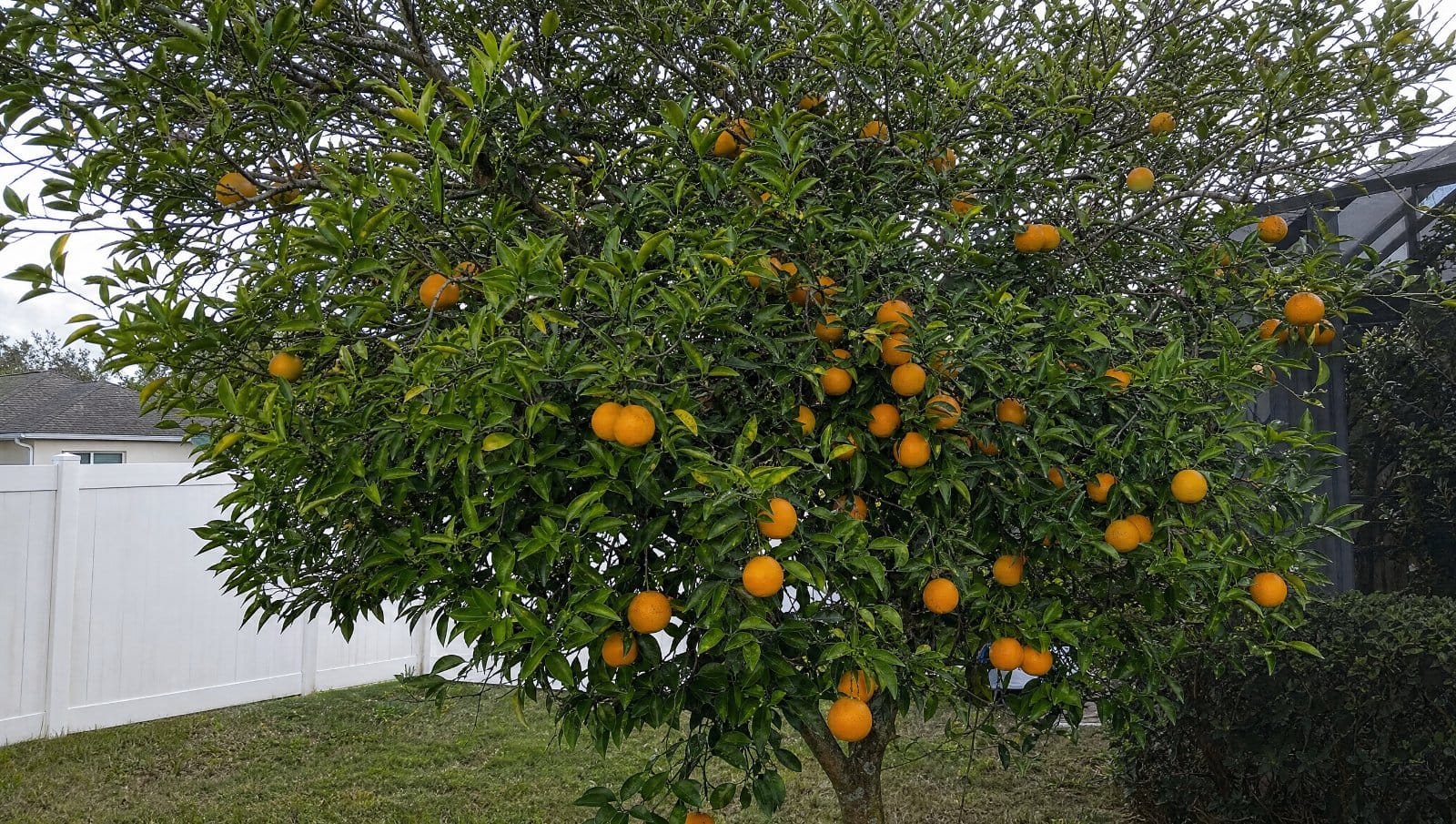
Backyard citrus needs the right feeding and a greening watch.
Backyard Citrus Tree Care in Florida: Greening, Pruning and Harvest
There’s nothing quite like walking into your own backyard and picking a sun-warm orange off the tree. Here in Central Florida, citrus is practically a birthright. But anyone who has kept a tree alive for more than a few seasons knows it takes a little know-how. Good citrus tree care in Florida means working with our zone 9b climate, our sandy soil, and the realities of a disease that has changed backyard citrus forever. This guide walks you through the honest version of greening, pruning, and harvest, the way a local grower actually does it.
Understanding Citrus Tree Care in Florida’s Zone 9b
From Orange City to Lake Mary, Sanford to Apopka, most of the greater Orlando metro sits in USDA hardiness zone 9b. That’s about as good as citrus gets in the continental U.S. Our winters rarely dip cold enough to harm an established, healthy tree, and our long warm season gives fruit plenty of time to ripen. Successful citrus tree care Florida homeowners rely on starts with understanding this local climate rather than copying advice written for cooler regions.
The flip side is our soil. Central Florida’s sandy ground drains fast and holds very little nutrition. In the yards we work, the soil often runs slightly acidic to near-neutral, roughly in the 6.0 to 7.0 pH range, which citrus is generally happy with, but the sand that keeps the roots from sitting in water also lets fertilizer and minerals wash straight through. Citrus is a heavy feeder, so successful backyard citrus comes down to feeding consistently, watering smartly during the dry spring, and keeping an eye out for trouble.
Picking the Right Tree
If you’re planting new, the variety matters. Some reliable performers for our area include:
- Hamlin and Valencia oranges — Hamlin ripens early (fall to early winter), Valencia comes in later for a long harvest window.
- Satsuma mandarins — cold-hardy, easy to peel, and a favorite for first-time growers.
- Meyer lemons and key limes — productive and well-suited to dooryard growing.
- Ruby Red grapefruit — a true Florida classic, though it needs space and patience.
Buy from a reputable Florida nursery that sells certified, disease-free stock. It costs a little more and it’s worth every penny.
Citrus Greening: The Honest Truth for Florida Growers
We won’t sugarcoat it, because good citrus tree care in Florida starts with understanding citrus greening, also called Huanglongbing or HLB. It’s a bacterial disease spread by a tiny insect called the Asian citrus psyllid, and it has affected groves across the state. It’s the single biggest reason backyard citrus is harder to keep thriving than it was a generation ago.
Here’s what we want you to know without any drama: a greening-affected tree can still live and produce for years, especially with attentive care. Plenty of Central Florida families enjoy fruit from older trees that aren’t perfect. Knowing the signs simply helps you make good decisions.
Signs to Watch For
- Blotchy, asymmetrical yellowing on leaves — uneven patches rather than the mirror-image yellowing of a simple nutrient shortage.
- Yellow shoots on one branch while the rest of the tree looks green.
- Lopsided, small, or bitter fruit that often stays green at the bottom even when ripe.
- Premature fruit drop and general thinning of the canopy.
If you see these, don’t panic and don’t yank the tree out on day one. Many backyard trees coexist with greening for a long time. What helps most is keeping the tree as healthy as possible: steady nutrition, good watering, and managing the psyllid population.
Practical Steps to Support an Affected Tree
- Feed it well — a vigorous tree tolerates the disease far better than a starved one.
- Watch for psyllids on new flush (the tender new growth they love) and treat with an approved product if needed.
- Keep nearby weeds and stress factors down so the tree spends its energy on growth and fruit.
For current, science-backed guidance specific to your situation, your local UF/IFAS Extension office for Seminole, Volusia, or Orange County is a free and excellent resource.
Pruning Citrus the Florida Way
Citrus doesn’t need the heavy annual pruning that peaches or apples do. In fact, over-pruning a Florida citrus tree can do more harm than good by removing the leafy canopy that shades the fruit and protects the bark from our intense sun.
When and How to Prune
- Best timing: late winter into early spring, after the last real chance of cold and before the spring flush. February to March is the sweet spot in Central Florida.
- Remove the three D’s: dead, damaged, and diseased wood, any time of year.
- Cut suckers and water sprouts that shoot up from below the graft union or straight up through the canopy.
- Open the center lightly for airflow, which helps reduce fungal issues during our humid, rainy summers.
- Don’t paint the cuts. Clean cuts on a healthy tree seal themselves.
One important note: avoid heavy pruning right before hurricane season if you can help it, since fresh wounds and a stressed tree are a bad combination going into storm weather. A balanced, well-shaped canopy actually handles wind better than a top-heavy one.
Feeding and Watering in Sandy Soil
Because our sand holds so little, light and frequent feeding beats one big dose. Use a quality citrus-specific fertilizer that includes micronutrients like manganese, zinc, and iron, which our soils are often short on. Spread it under the canopy out to the drip line, three times across the growing season, roughly spring, early summer, and late summer.
Young trees need regular water their first couple of years. Established trees mostly fend for themselves during our wet June-through-September season, but appreciate a deep soak during the dry stretch of March through May. Mulch helps hold moisture, just keep it a few inches off the trunk.
Harvest Time in Central Florida
Citrus doesn’t ripen further once picked, so timing matters. The good news is the tree is a great storage container, you can leave fruit on the branch and pick as you need it over several weeks.
- Early oranges (Hamlin), Satsumas: late fall into winter.
- Navels and grapefruit: winter, December through February.
- Valencia oranges: late winter into spring, the latest of the bunch.
- Lemons and limes: often year-round in flushes.
Don’t judge ripeness by color alone, our warm nights can leave perfectly sweet fruit looking a little green. The best test is simple: pick one and taste it. Twist and pull gently rather than yanking, to avoid tearing the rind.
Frequently Asked Questions
My citrus leaves are yellow. Is it greening?
Not necessarily. Uniform, mirror-image yellowing usually points to a nutrient shortage common in sandy soil, often nitrogen, magnesium, or iron, and feeding fixes it. Blotchy, lopsided yellowing is more characteristic of greening. When in doubt, have it looked at.
Should I remove a tree that has greening?
Often not right away. Many backyard trees keep producing usable fruit for years with good care. We’d rather help you keep a tree healthy than rush to remove it.
Can I plant a new citrus tree in my Florida yard?
Absolutely. Start with certified disease-free stock, choose a sunny spot with good drainage, and commit to consistent feeding. Plenty of Central Florida yards still grow beautiful fruit.
Let LandTree Take a Look
Whether your tree is thriving or you’re worried about yellowing leaves, a second set of expert eyes goes a long way. As a veteran-owned company rooted right here in Central Florida, we know exactly what our zone 9b yards and sandy soils throw at a citrus tree. If you’d like an honest assessment of your backyard citrus, from feeding and pruning to managing greening, reach out to LandTree for a free, no-pressure consultation. We’re happy to help you get more fruit off your own tree.