
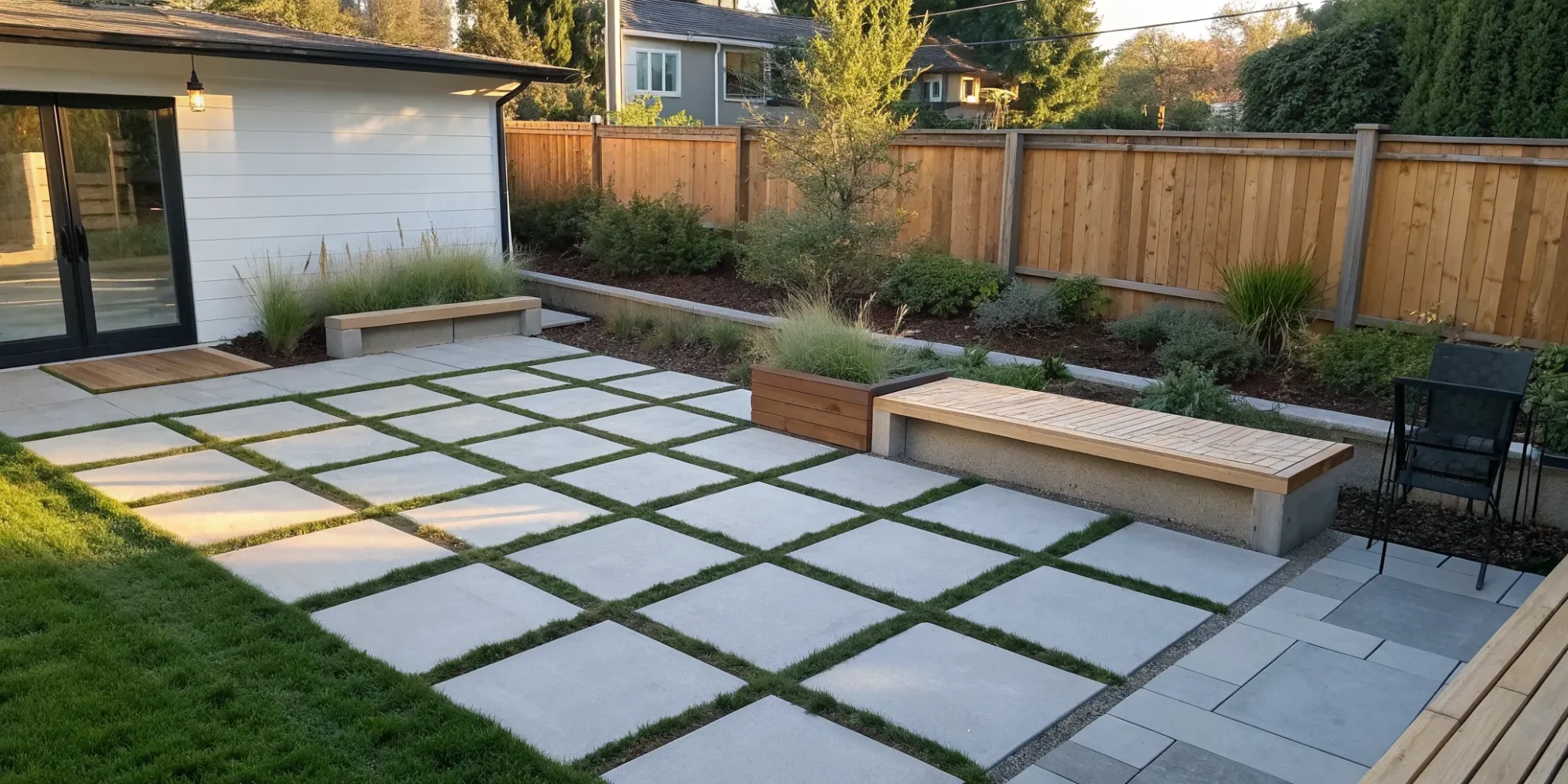
Stunning Landscape Design Ideas on a Budget
Looking at a blank canvas of a yard can feel overwhelming, especially when you’re trying to stick to a budget. Where do you even begin? The good news is that creating a beautiful, inviting outdoor space doesn’t require a huge investment or a professional crew for every step. It’s about breaking the project down into manageable pieces and focusing your efforts where they’ll have the most impact. This article is your roadmap. We’ll walk you through a collection of landscape design ideas on a budget that are perfect for transforming your property one step at a time, from planning your vision to choosing plants that thrive in Central Florida.
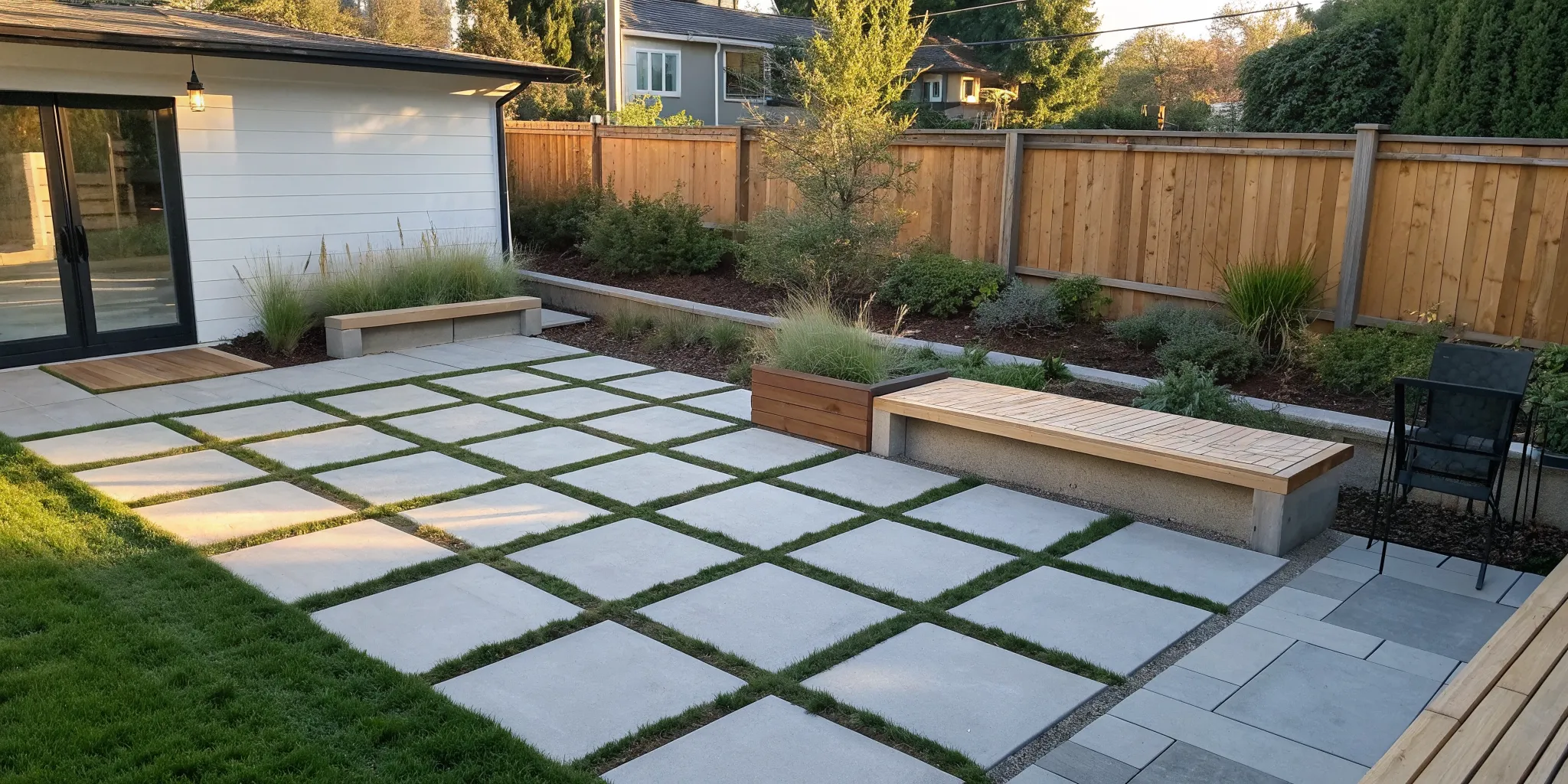
Key Takeaways
- Start with a smart plan: A clear vision and the right plants are your foundation. Choose species native to Central Florida to create a beautiful landscape that requires less work and thrives naturally.
- Focus on high-impact projects: You don’t need to overhaul your entire yard at once. Make a big difference by improving key areas like your entryway, grouping plants for a fuller look, and tackling simple DIY hardscaping.
- Embrace low-maintenance habits: Keep your landscape looking great with simple routines. Use mulch to control weeds and conserve water, choose drought-tolerant plants, and follow a seasonal care schedule for healthy, resilient growth.
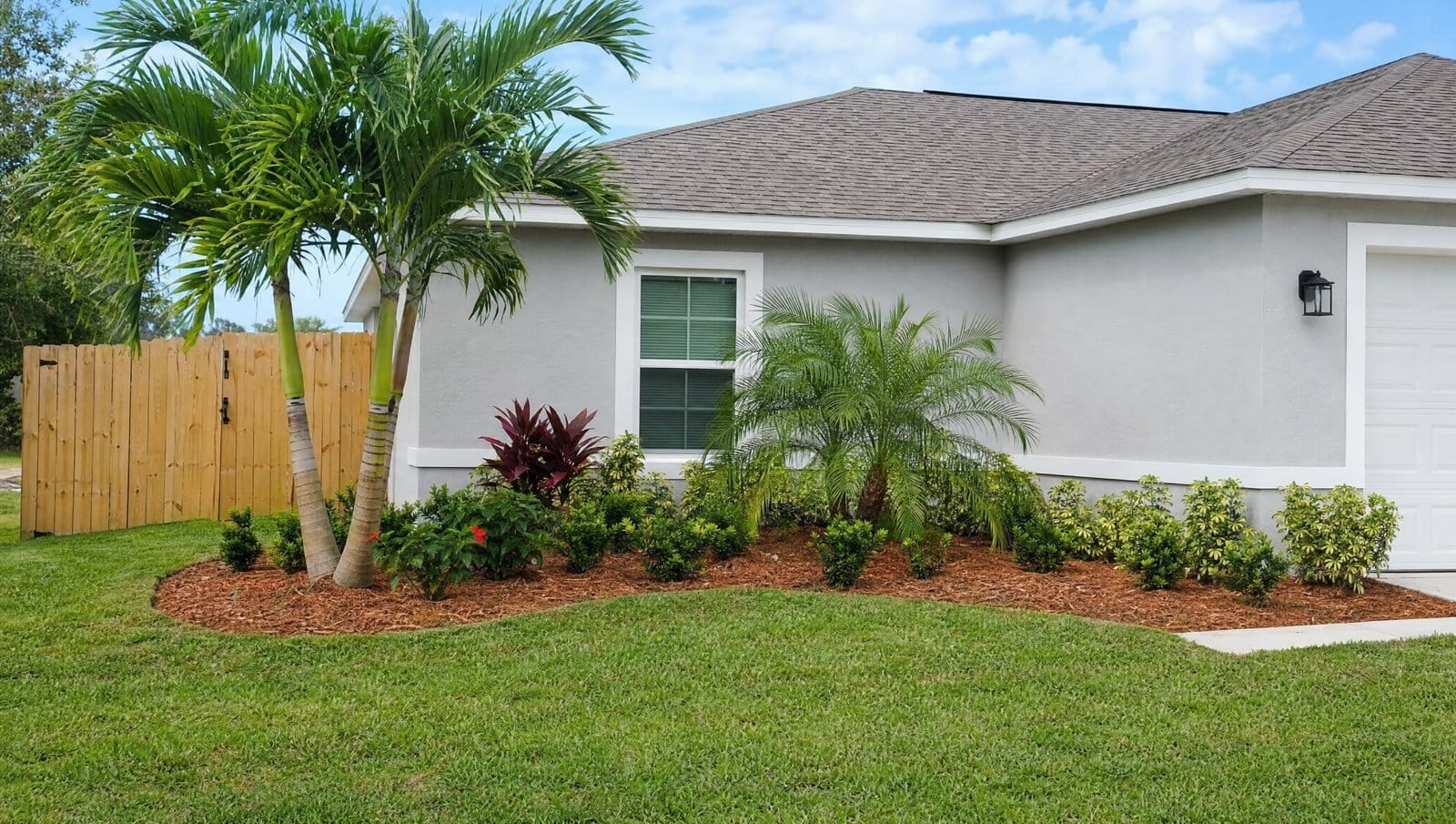
What’s the Secret to a Beautiful Landscape That Lasts?
Everyone wants a gorgeous yard, but the thought of constant upkeep can be overwhelming. The secret to a stunning landscape isn’t about spending all your weekends gardening; it’s about making smart, upfront decisions that pay off for years. A truly beautiful landscape is one that thrives in its environment, blending thoughtful design with the natural strengths of your property. It’s about creating an outdoor space that works for you, not the other way around. This means focusing on a sustainable foundation that looks great season after season with minimal intervention.
The cornerstone of any lasting landscape is choosing the right plants. This is where many people go wrong, picking what looks good at the store without considering Central Florida’s unique climate. The best approach is to choose plants that naturally grow in our area. Native species are already adapted to our soil and weather, meaning they require less water and are more resistant to local pests. Pairing them with perennials, which return year after year, reduces the need for constant replanting. This simple strategy is a game-changer for creating a vibrant yard that doesn’t demand all your time.
A durable landscape also comes from a solid plan. Instead of trying to tackle everything at once, it’s often better to start small. Focus on one key area, like the entrance to your home or a corner of the yard, and perfect it before moving on. This phased approach allows you to build your dream yard over time without feeling overwhelmed. A professional landscape design also considers things like sun exposure, water flow, and soil type to ensure every element is set up for long-term success. By working with nature, you create a self-sustaining ecosystem that allows you to spend more time simply enjoying your beautiful outdoor space.
How Do You Plan a Smart Landscape Design?
A stunning landscape doesn’t just happen by chance; it starts with a thoughtful plan. Before you pick up a single shovel or buy a single plant, taking the time to map out your project will make all the difference. A smart plan helps you work with your yard’s natural features, not against them, ensuring your outdoor space is both beautiful and functional for years to come. It’s about creating a clear roadmap that guides your decisions, from the big picture down to the smallest details. This approach helps you focus your efforts and resources where they matter most. By thinking through your design upfront, you can create a cohesive look that reflects your personal style and meets your family’s needs. Let’s walk through how to build that plan, one step at a time.
Start With a Clear Vision
Every great design begins with a clear idea of what you want to achieve. Take a walk around your property and really look at it. Notice where the sun hits throughout the day and which areas stay in the shade. Pay attention to how water flows when it rains. Thinking about these practical elements first will help you choose the right plants for the right spots. Then, dream a little. How do you want to use this space? Are you picturing a vibrant garden for entertaining, a peaceful retreat for relaxing, or a durable play area for kids? A professional landscape design can help you bring these ideas to life by sketching out a plan that balances beauty with your yard’s unique conditions.
Prioritize High-Impact Areas
You don’t have to transform your entire yard all at once to see a major improvement. Instead, focus your energy on a few key areas that will give you the most visual impact. Think about the spots you see every day, like the walkway to your front door, the view from your kitchen window, or the area around your patio. Adding a pop of color with a small flower bed or creating a neatly mulched area around a statement tree can instantly make your whole yard feel more put-together. By concentrating on these high-impact zones first, you can make noticeable progress quickly, which is a great way to stay motivated for the rest of your project.
Create a Phased Plan
A beautiful landscape can be a long-term project, and that’s perfectly okay. Breaking your vision down into manageable phases makes the process feel less overwhelming. Think of it as a multi-stage journey. Your first phase might be all about preparation: clearing out old vegetation and improving the soil. The next phase could focus on installing the “bones” of your landscape, like planting trees and shrubs that will provide structure for years to come. Later phases can involve adding layers of perennials, ground cover, and decorative elements. This step-by-step approach allows your garden to grow and evolve with you, giving you the flexibility to build your dream yard over time.
How Do You Choose the Right Plants and Materials?
Selecting the right plants and materials is the foundation of a successful landscape design. It’s about more than just picking what looks pretty at the nursery; it’s about making smart choices that will thrive in our Central Florida climate. When you work with nature, you create a beautiful outdoor space that requires less work and fewer resources to maintain. By choosing plants adapted to our sun, soil, and rain patterns, you set your garden up for long-term success. This thoughtful approach ensures your landscape not only looks great on day one but continues to flourish for years to come.
Native Plants: Your Secret to Low-Maintenance Beauty
One of the best things you can do for your garden is to choose plants that naturally grow in our area. Native plants are perfectly adapted to Florida’s environment, meaning they generally need less water and fertilizer once established. This saves you time and effort in the long run. Plus, they play a vital role in our local ecosystem by providing food and shelter for helpful insects like bees and butterflies. Incorporating native species is a wonderful way to create a vibrant, living garden that feels right at home. Our tree planting services can help you select and install beautiful native trees that will anchor your landscape.
Perennials vs. Annuals: Making a Smart Choice
When you’re at the garden center, you’ll see plants labeled as either perennials or annuals. What’s the difference? Annuals live for one season, providing a big splash of color, but you have to replant them every year. Perennials, on the other hand, return year after year. By building your garden around perennials like Daisies, Lavender, or Hostas, you create a strong foundation that doesn’t need constant replacing. You can still tuck in a few annuals for seasonal variety, but a perennial backbone gives your garden structure and consistency. It’s a strategic way to ensure your garden gets better with each passing year.
Thriving Plant Choices for Central Florida’s Climate
Living in Central Florida means we have a unique climate, and choosing plants that love our sun and humidity is key. Look for species that are known to be drought-tolerant and can handle our sandy soil. A fantastic example is the Coontie palm (Zamia integrifolia), a tough native plant that thrives in both sun and partial shade with very little fuss. Other great options include Firebush, Muhly grass, and Simpson’s Stopper. Selecting the right plants is a core part of any successful landscape design and installation, ensuring your yard looks lush and healthy without constant intervention.
Savvy Ground Cover and Mulching Ideas
A beautiful landscape isn’t just about flowers and shrubs; what’s on the ground matters, too. Instead of grass everywhere, consider using groundcover plants. They are a fantastic low-maintenance option that can add interesting textures and colors to your yard while suppressing weeds. Another essential material is mulch. A fresh layer of mulch makes your garden beds look neat and tidy, helps the soil retain moisture, and keeps weeds from sprouting. You can use wood chips, pine straw, or even fallen leaves. Thoughtful mulching is one of the simplest ways to keep your landscape looking polished and healthy.
What DIY Projects Can Transform Your Outdoor Space?
Ready to get your hands dirty? Some of the most impactful landscape changes come from projects you can tackle yourself. Putting in a little sweat equity not only feels rewarding but also allows you to add a personal touch to your yard. You don’t need to be a master builder to create something beautiful. From simple pathways to creative garden features, a weekend project can completely reshape how you see and use your outdoor space. Let’s walk through a few ideas that deliver big results without requiring a massive toolkit.
Simple Hardscaping Projects to Tackle Yourself
You can create stunning and functional walkways or patios without ever touching a cement mixer. Think about using accessible materials like pea gravel, bark, or decorative rocks to define a path from your back door to a garden shed. For a more structured look, you can build a simple patio with bricks or pavers set in a bed of sand. This method is much more forgiving than working with concrete and creates a classic, charming look. When you’re ready to expand on these ideas with more complex designs, professional hardscaping services can help bring your vision to life.
Create Focal Points with Homemade Garden Features
A great landscape design often has a focal point, a spot that naturally draws the eye and anchors the space. You can easily create one yourself. Consider adding a simple decorative trellis for a climbing vine or installing a DIY arbor kit to frame an entryway. Even a single, strategically placed feature can make a huge difference. Look for unique, free items like large, interesting boulders or pieces of driftwood to add natural character. Or, make a statement by planting a beautiful tree with unique bark or seasonal color to serve as a living centerpiece in your yard for years to come.
Build Raised Beds and Container Gardens
Raised garden beds are fantastic for growing vegetables, herbs, or flowers, and you don’t need expensive kits to make them. One clever, low-effort method is to simply dig out your pathways and mound the excavated soil to create elevated beds on either side. This defines the space and improves drainage without any building materials. Container gardening is another excellent option, especially for patios or small yards. You can grow almost anything in a pot, giving you total control over the soil and placement while adding pops of color and life to any corner.
Repurpose Everyday Items for Your Garden
Before you throw something out, ask yourself if it could have a second life in your garden. Upcycling is a fun, creative, and sustainable way to add personality to your landscape. Old tires can be painted and stacked to create playful planters. A wooden pallet can be stood on its end and turned into a vertical herb garden. Even old watering cans, barrels, or wheelbarrows can be filled with soil and flowers for a touch of rustic charm. This approach allows you to create a truly one-of-a-kind space that reflects your style.
How Can You Get Creative with Hardscaping?
Hardscaping elements like patios, walkways, and walls are the backbone of your landscape design. They add structure, define spaces, and create functional living areas for you to enjoy. While some projects are best left to the pros, you can get creative with materials and smaller DIY projects to add personality to your yard without a huge undertaking. Thinking outside the box with your hardscape features can transform your outdoor space from ordinary to extraordinary. Here are a few ideas to get you started.
Fresh Ideas for Pathways and Patios
Instead of traditional pavers, consider creating charming pathways with materials like gravel or pea stone. These options offer a softer, more natural look that complements gardens and green spaces beautifully. A winding gravel path can guide visitors through your yard, creating a sense of discovery and flow. For patios, combining different materials can add visual interest. Think about a border of bricks around a gravel seating area. While these materials are great for DIY projects, professional hardscaping services can ensure your patios and walkways have a proper foundation, are level, and will last for years to come.
DIY Fire Pits and Outdoor Gathering Spaces
A fire pit is a fantastic way to create a cozy gathering spot for friends and family. You can build a simple, rustic fire pit using concrete blocks or repurposed stones found on your property. This not only adds a personal touch but also becomes an instant focal point for your backyard. Arrange some comfortable seating around it, and you have the perfect setting for evening conversations. For a more integrated look, consider designing a full patio with a built-in fire feature. A professional team can help you create stunning hardscaping services that turn your backyard into a true outdoor living room.
Smart Options for Retaining Walls
Retaining walls don’t always have to be massive, engineered structures. For garden edging or creating small, tiered plant beds, you can get creative with materials. Old bricks, reclaimed wood, or natural stones can be used to build low walls that add dimension and character to your landscape. This is a wonderful way to repurpose materials and add a unique, rustic charm. For larger slopes or walls that need to hold back significant amounts of soil, it’s crucial to ensure they are built correctly for safety and longevity. That’s when calling for professional retaining wall installation is the smartest move.
Use Gravel and Mulch to Define Your Spaces
One of the simplest yet most effective hardscaping tricks is using materials to define different zones in your yard. Create clean, crisp edges for your garden beds with a fresh layer of mulch. This not only looks tidy but also helps your plants by retaining moisture and keeping weeds at bay. You can also use decorative gravel or river rocks to create a dry creek bed or a low-maintenance area around a feature like a bench or statue. Thoughtful mulching and decorative ground cover can instantly make your entire landscape look more polished and intentionally designed.
What Are the Best Low-Maintenance Design Strategies?
A beautiful landscape doesn’t have to be a demanding one. The secret to a yard that looks great year-round with minimal effort is smart planning. Low-maintenance design is all about working with our Central Florida environment, not against it. By making strategic choices with plants, water, and ground cover, you can create a stunning outdoor space that gives you more time to relax and enjoy it. This approach focuses on building a resilient, self-sufficient garden that thrives naturally. It’s about creating a landscape that is not only beautiful but also sustainable and perfectly suited to its surroundings. Let’s explore a few key strategies to get you started.
Design for Minimal Water Use
One of the smartest ways to create a low-maintenance yard is to design for minimal water use, a practice often called xeriscaping. This doesn’t mean your yard has to be rocks and cacti; it simply means choosing plants that are naturally drought-tolerant and won’t wilt during Florida’s drier spells. Grouping plants with similar water needs together also makes irrigation much more efficient. Another key component is applying a healthy layer of mulch. A good mulching application helps the soil retain moisture, reduces evaporation under the hot sun, and keeps weeds from sprouting, saving you time and water.
Choose Plants That Thrive With Little Care
The “right plant, right place” mantra is your best friend for low-maintenance landscaping. Instead of fighting to keep fussy plants alive, select species that are native to Central Florida. These plants are already adapted to our sandy soil, humidity, and rainfall patterns, so they require far less attention. Native plants also provide vital food and shelter for local pollinators like bees and butterflies. For example, the Coontie palm is a tough, drought-tolerant native that thrives in our area with very little care. Choosing the right tree and plant species from the start is the foundation of an easy-to-manage garden.
Create a Self-Sustaining Garden
Imagine a garden that practically takes care of itself. You can achieve this by using native groundcovers to create a living carpet of green. These low-growing plants spread to cover bare soil, effectively choking out weeds and reducing the need for endless mowing. Unlike a traditional lawn, a native groundcover requires little to no supplemental watering or fertilizer once established. This approach not only saves you work but also creates a healthier ecosystem in your yard, supporting birds and other wildlife. A thoughtful landscape design that incorporates these elements can transform your property into a beautiful, self-sustaining oasis.
How Do You Maximize Impact with Plant Placement?
A beautiful landscape is more than just a collection of pretty plants. The real magic happens when you place them thoughtfully. Strategic placement can draw the eye to your home’s best features, create a sense of depth, and make your yard feel like a cohesive, intentional space. It’s the difference between a random assortment of flowers and a professionally designed garden. By thinking like a designer, you can use placement to create visual interest, make your garden look fuller, and even add greenery to the smallest of spaces. This is where your creativity can really pay off, turning a simple yard into a personal retreat.
The best part? This is all about working smarter, not harder. You don’t need a massive garden to make a big statement. A few well-placed plants can have more impact than a hundred scattered ones. Whether you’re working with a sprawling lawn or a tiny patio, understanding how to arrange your plants will help you create a stunning outdoor area that feels both personal and polished. We can help you with professional landscape design and installation to bring your vision to life, ensuring every plant has the perfect spot to shine and thrive in the Central Florida climate.
Use Height and Texture for Visual Interest
To keep your landscape from looking flat, play with different heights and textures. Think of it like arranging furniture in a room. You want a mix of tall, medium, and short elements to create balance and guide the eye. Use tall plants like arborvitae or certain palm varieties to add height and structure, especially along property lines or against a bare wall. These taller plants can also offer a bit of privacy.
Then, layer in medium-sized shrubs and finish with low-growing ground cover or flowers in the front. Mixing textures, like the soft plumes of pampas grass with the broad leaves of a philodendron, adds another layer of depth. This variety makes your garden more engaging and dynamic throughout the year. Our tree planting services can help you select and install the perfect taller specimens to anchor your design.
Group Plants for a Fuller Look
One of the biggest mistakes in DIY landscaping is spacing plants too far apart, which can make a garden bed look sparse. Instead, group plants together in clusters of three, five, or seven. Planting in odd numbers creates a more natural, less rigid appearance. This technique makes your garden beds look lush and full from the start.
Focus on creating small garden moments in key spots, like near your entryway or patio, rather than trying to fill your entire yard at once. By clustering perennials (flowers that return every year), you can create a vibrant, high-impact look that’s also easy to manage. This approach gives you a gorgeous, dense garden without needing to buy out the entire nursery.
Try Vertical Gardening in Small Spaces
Don’t forget to look up! If you’re short on ground space, vertical gardening is a fantastic solution. Use bare walls or fences as a canvas for climbing plants like bougainvillea, jasmine, or creeping fig. This technique adds a stunning layer of greenery and color without taking up valuable square footage in your yard or on your patio.
You can install a simple trellis or wire system to guide the plants as they grow. Vertical gardens are perfect for adding a living wall effect, hiding an unattractive fence, or simply bringing more plant life into a compact area. It’s a creative way to maximize your planting area and add a unique architectural element to your outdoor space, often complementing your hardscaping features beautifully.
What Smart Maintenance Keeps Your Landscape Beautiful?
A stunning landscape design is just the beginning. The real secret to a yard that looks incredible year after year is smart, consistent maintenance. But don’t worry, this doesn’t mean you have to spend every weekend working in the garden. It’s about establishing simple, effective routines that keep your plants healthy, your weeds under control, and your outdoor space looking its best. By focusing on a few key tasks, you can maintain a beautiful landscape without a huge time commitment. Think of maintenance as a way to protect the investment you’ve made in your property’s curb appeal. Simple actions like applying a fresh layer of mulch, watering wisely, and following a seasonal care schedule can make all the difference. These strategies not only keep your yard looking polished but also promote stronger, more resilient plants that are better equipped to handle Florida’s unique climate. From using mulch effectively to creating your own nutrient-rich compost, these maintenance tips are designed to give you the best results with the least amount of effort, letting you enjoy your beautiful yard more.
Use Mulch to Control Weeds
Think of mulch as your garden’s best friend. It does so much more than just make your flower beds look tidy. A good layer of mulch is one of the most effective ways to suppress weeds, which means less time spent pulling them out. It also helps the soil retain moisture, a huge plus in the Florida sun, so you won’t have to water as often. As organic mulch breaks down, it enriches the soil with valuable nutrients, creating a healthier environment for your plants to thrive. Whether you choose pine bark, cypress, or another decorative ground cover, mulching is a simple step that delivers major benefits for the health and appearance of your landscape.
Implement Water-Wise Irrigation
Watering your landscape smartly is key to keeping it lush and healthy, especially in Central Florida. This means giving your plants the water they need without being wasteful. One great approach is to group plants with similar water requirements together. This way, you can water each section of your garden according to its specific needs. Choosing drought-tolerant and native plants is another fantastic strategy, as they are naturally adapted to our climate and require less water to thrive. When paired with effective drainage solutions, a water-wise irrigation plan ensures your plants get just the right amount of moisture, helping them flourish while conserving a precious resource.
Try Composting and Natural Fertilization
Why buy fertilizer when you can make your own for free? Starting a compost pile is an incredibly rewarding project that turns kitchen scraps and yard waste into “black gold” for your garden. Things like fruit and vegetable peels, coffee grounds, and grass clippings can all be transformed into a rich, natural fertilizer. This homemade compost will feed your plants the nutrients they need to grow strong and vibrant. It’s a wonderful way to reduce household waste and build a healthier garden ecosystem from the ground up. Plus, you’ll know exactly what’s going into your soil, avoiding harsh chemicals and promoting a more sustainable garden.
Follow a Seasonal Care Routine
Keeping your landscape beautiful throughout the year is all about timing. A simple seasonal care routine ensures your plants get what they need when they need it. This includes simple tasks like deadheading spent flowers to encourage new blooms on your annuals and perennials. It also means knowing the right time for bigger jobs. For example, seasonal tree trimming not only keeps your trees looking great but also promotes their long-term health and structural integrity. By staying on top of these small, seasonal tasks, you can prevent bigger issues from developing and keep your entire landscape looking vibrant and well-cared-for, no matter the season.
How Can You Add Water Features and Lighting Creatively?
The right finishing touches can completely transform your yard, turning it from a simple outdoor area into a true extension of your home. Water and light are two of the most effective elements for creating atmosphere and adding a touch of magic to your landscape. The gentle sound of moving water can make your garden feel like a peaceful retreat, while thoughtful lighting allows you to enjoy the space long after the sun goes down. These features don’t have to be complicated or require a massive overhaul. With a little creativity, you can incorporate them into your design to highlight your favorite spots, guide guests along a path, or create a relaxing ambiance for evening get-togethers. It’s all about adding layers of sensory experience that make your outdoor space feel special and inviting.
DIY Water Features Using Simple Materials
Adding the soothing sound of water to your garden is easier than you might think. You can create a beautiful water feature yourself using just a few basic materials. A simple pump, a waterproof liner, and a decorative container are often all you need to build a small fountain or a bubbling rock feature. This kind of project not only adds visual appeal but also introduces a calming sound that can mask neighborhood noise. Consider placing your DIY fountain near a patio or seating area where you can fully enjoy its tranquil effect. It’s a rewarding project that can become a stunning focal point in your overall landscape design.
Use Solar-Powered Lighting for Pathways and Accents
Lighting is one of the most impactful ways to enhance your landscape, and solar-powered options make it incredibly simple. Because they don’t require any wiring, you can place them anywhere the sun shines. Use solar lights to line your walkways for safe and easy movement at night. You can also use them to draw attention to specific features in your yard. A few well-placed uplights can showcase the beautiful structure of a favorite tree or highlight the texture of a retaining wall. It’s an easy and flexible way to add drama and dimension to your garden after dark.
When Should You Call in a Professional?
DIY projects are incredibly rewarding, and many of the ideas we’ve covered are perfect for a weekend warrior. But sometimes, the smartest move in the long run is to call for backup. Knowing your limits is key to avoiding the kind of significant mistakes that can turn a dream project into a headache. If you find yourself short on time or the specific expertise needed, bringing in a professional can save you a lot of frustration.
Consider a professional for projects that involve major changes to your property or require specialized equipment. If your vision includes complex elements like structural retaining walls to manage a slope, sophisticated drainage solutions to protect your home’s foundation, or large-scale land clearing, an expert is your best bet. They have the knowledge to handle soil composition, grading, and local regulations, ensuring the work is done safely and built to last.
Safety is another major reason to hire a professional. Tasks like removing large trees, excavating near utility lines, or cleaning up after a major storm carry serious risks. A trained team not only has the right tools but also the experience to manage these situations without endangering your property or family. A professional landscape designer can also help you create a comprehensive, long-term plan for your property, giving you a roadmap to follow as you continue to build out your beautiful outdoor space over time.
Related Articles
- 10 Essential Backyard Landscape Design Ideas
- Top 10 Florida Landscaping Flowers
- Property Management Landscaping Services 101
Frequently Asked Questions
I’m feeling overwhelmed by my yard. What’s the best first step to take? The best thing you can do is start small. Instead of trying to tackle the entire yard at once, pick one high-impact area, like the walkway to your front door or the view from your kitchen window. Focusing your energy on perfecting that single spot will give you a huge sense of accomplishment and make the whole process feel much more manageable. A clear plan for that one area is your best first step.
What are some of the most durable, low-effort plants for Central Florida? Your best bet is to focus on plants that are native to our area because they are already adapted to our sun, humidity, and sandy soil. Plants like the Coontie palm, Firebush, and Muhly grass are fantastic choices because they are naturally drought-tolerant and require very little attention once they’re established. Building your garden around these tough, local species is the secret to a beautiful yard that doesn’t demand all your time.
How can I make my garden look full and lush without buying tons of plants? The trick is in the placement. Instead of spacing individual plants far apart, group them together in small clusters of three or five. This simple technique makes your garden beds look dense and intentional right from the start. Also, layering plants with different heights and textures, like placing taller shrubs behind shorter flowers, creates a sense of depth that makes the space feel much fuller than it actually is.
What’s the most impactful DIY project for a beginner? Applying a fresh layer of mulch is one of the easiest and most transformative things you can do. It instantly makes your garden beds look clean and polished, helps keep weeds down, and holds moisture in the soil. Another great beginner project is creating a simple gravel or stone pathway. It helps define the space and adds a touch of professional-looking structure without requiring any complex skills.
When does it make sense to hire a professional instead of doing it myself? You should call a professional for any project that involves safety risks or requires specialized knowledge and equipment. This includes tasks like removing large trees, major excavation work, or installing a structural retaining wall to manage a steep slope. A professional ensures the job is done correctly and safely, protecting your property and giving you a result that is built to last.