
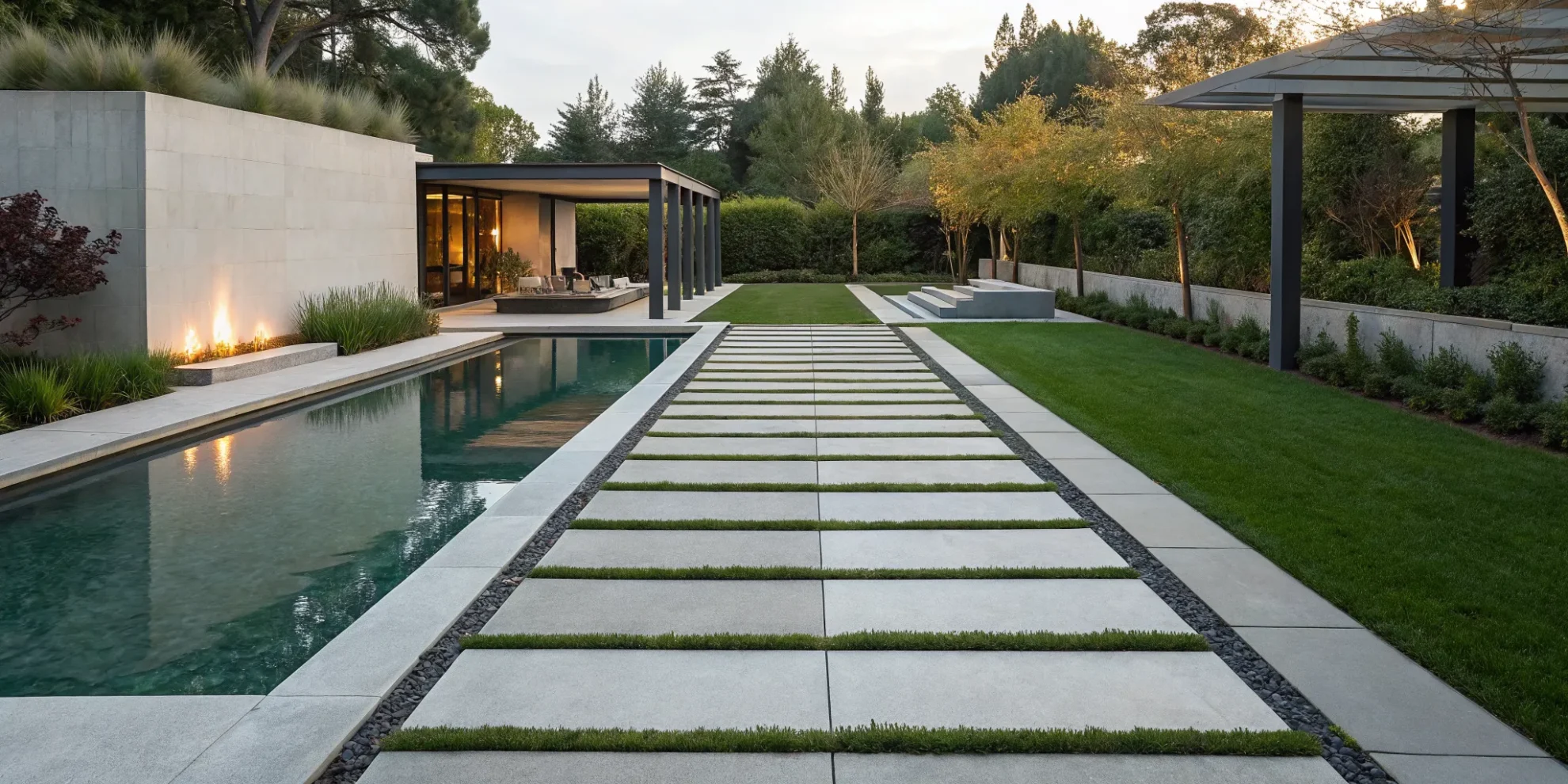
35 Backyard Landscape Design Pictures to Inspire You
Your backyard should be a true reflection of your personal style, a place that feels uniquely yours. The first step in any great design is discovering the aesthetic that speaks to you. Do you prefer the clean, uncluttered lines of a modern retreat, the romantic abundance of a cottage garden, or the lush, resort-like feel of a tropical oasis? Browsing through landscape design pictures backyard is the perfect way to start gathering ideas and identifying the themes you’re drawn to. This guide will help you move from inspiration to implementation, showing you how to define your style and select the right plants, materials, and features to create a cohesive and personalized outdoor sanctuary.
Key Takeaways
- Plan before you plant: A successful backyard starts with a solid plan, not a shopping trip. Measure your space, observe the sun and shade patterns, and sketch a layout to ensure every feature has a clear purpose.
- Create functional outdoor rooms: Treat your backyard like an extension of your home by designing distinct zones. Creating specific areas for dining, relaxing, and gathering makes your entire yard more useful and enjoyable.
- Choose the right elements for your climate: For a landscape that lasts, select plants that thrive in Central Florida and hardscape materials that fit your style. Smart choices from the start lead to a beautiful, lower-maintenance space you can appreciate for years.
What Are the Key Elements of Backyard Design?
A truly great backyard doesn’t happen by accident. It’s a thoughtful blend of different elements working together to create a space that’s both beautiful and functional. Think of it like decorating a room in your house, but with soil, plants, and open sky. When you break it down, any stunning landscape design focuses on four key areas: the overall layout, the plant life, the structural features, and the lighting. Getting these right is the secret to creating an outdoor space you’ll love spending time in for years to come.
Plan Your Layout and Flow
Before you buy a single plant or paver, take a step back and think about how you want to use your space. How will people move through it? Where will you relax, and where will you entertain? Start by measuring your yard and taking note of its unique characteristics, like any slopes or low spots that might need drainage solutions. Pay attention to where the sun hits throughout the day, as this will influence everything from plant placement to where you put your seating area. A solid plan is the foundation of a successful landscape design, ensuring every element has a purpose and a place.
Choose the Right Plants and Placement
Plants bring your backyard to life, adding color, texture, and even privacy. The key is to choose plants that will thrive in Central Florida’s climate and in the specific conditions of your yard. Consider trees and large shrubs to create shade and screen unwanted views. Use flowers and ornamental grasses to add pops of color and movement. Incorporating native plants is also a fantastic way to support local wildlife and often means less maintenance for you. For expert advice on selecting and placing the perfect trees, you can always consult with a professional arborist.
Incorporate Hardscaping Features
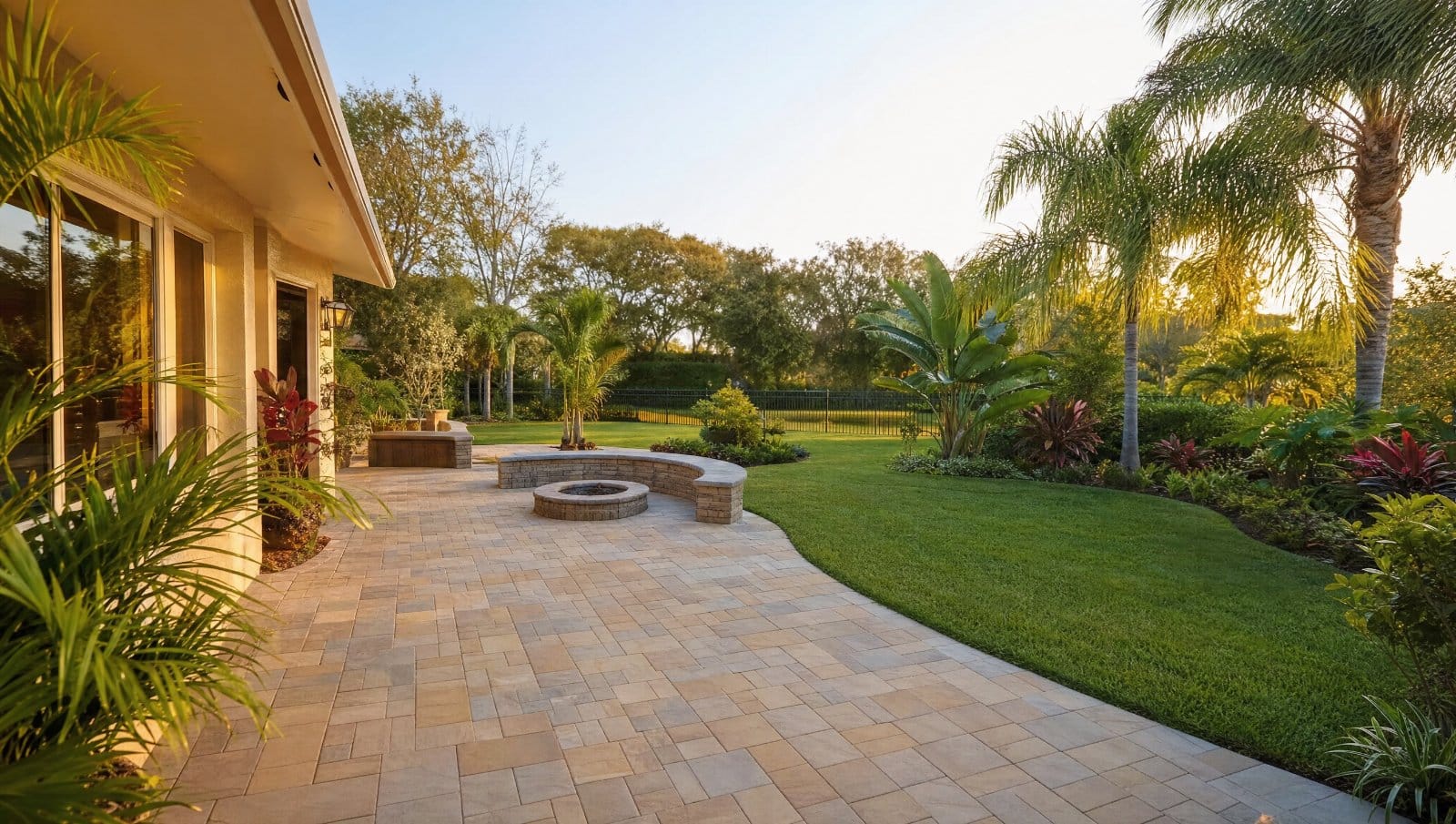
Hardscaping refers to all the non-living elements in your landscape design, like patios, walkways, and walls. These features provide structure and define the different “rooms” in your outdoor living area. A well-placed patio can become your go-to spot for dining, while a winding stone path invites you to explore the garden. Features like fire pits create natural gathering spots for friends and family. If your yard has a slope, a professionally installed retaining wall can add usable, level space while also preventing erosion. These structural elements are the backbone of your backyard.
Set the Mood with Lighting
Don’t let the sunset put an end to your time outdoors. Landscape lighting is essential for both safety and ambiance, allowing you to enjoy your backyard well into the evening. Use path lights to safely illuminate walkways and steps. Uplighting can turn a beautiful tree into a dramatic focal point after dark, while soft string lights can create a cozy, inviting atmosphere over a patio or seating area. Thoughtful lighting highlights the best features of your landscape and transforms the entire mood of the space once the sun goes down, making it feel like a true extension of your home.
Find Your Backyard Landscaping Style
Your backyard is more than just a patch of grass; it’s an extension of your home and a reflection of your personality. The first step in creating an outdoor space you truly love is to find a style that speaks to you. A cohesive theme helps guide your choices for plants, materials, and layout, ensuring every element works together beautifully. Whether you dream of a sleek, modern retreat or a lush, tropical paradise, there’s a design style that can turn your vision into a reality. Thinking about your ideal aesthetic from the start makes the entire landscape design process smoother and more enjoyable. Let’s explore a few popular approaches to get your ideas flowing.
Modern and Minimalist
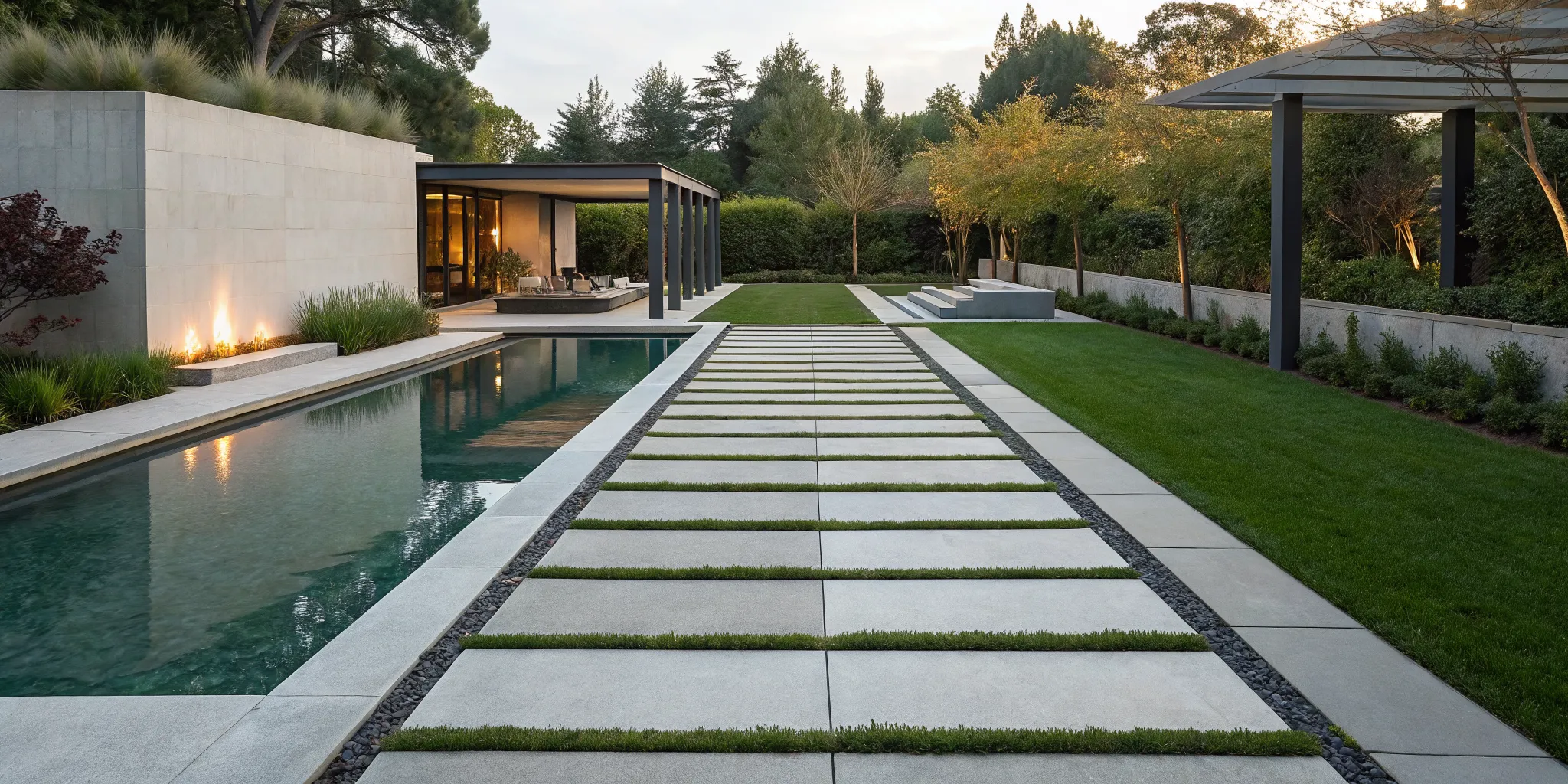
If you love clean lines and uncluttered spaces, a modern landscape might be perfect for you. This style focuses on strong geometric shapes, a simple color palette, and the beauty of well-chosen materials. Think of open patios, sleek planters, and carefully placed greenery that makes a statement without overwhelming the senses. The goal is to create a calm, serene environment that feels both sophisticated and functional. You can achieve this look with strategic hardscaping services that use materials like smooth concrete, dark wood, and metal to define different areas and create a polished, intentional flow throughout your yard.
Classic and Traditional
For a look that never goes out of style, consider a classic and traditional design. This approach is all about symmetry, order, and timeless elegance. Picture formal gardens with neatly trimmed hedges, brick pathways that guide the eye, and a central focal point like a fountain or a beautiful specimen tree. This style creates a sense of grace and establishment, perfect for homes with traditional architecture. You can build this structured look with elements like a professionally installed retaining wall to create elegant terraces or by planting trees in symmetrical patterns to frame a view or entryway.
Charming Cottage Garden
A cottage garden is the perfect choice if you want a space that feels relaxed, romantic, and full of life. This style embraces a more informal and abundant look, with dense plantings of colorful flowers, herbs, and climbing vines all mingling together. Winding paths made of natural stone, rustic wooden trellises, and a picket fence add to the whimsical charm. It’s a style that invites you to wander and discover something new at every turn. To keep this delightful chaos looking its best, a good layer of quality mulch can help suppress weeds and keep your vibrant plants healthy and happy.
Mediterranean Escape
Create your own sunny getaway with a Mediterranean-inspired landscape. This style is all about capturing the warm, rustic, and inviting atmosphere of places like Italy or Greece. It features drought-tolerant plants like lavender and olive trees, gravel pathways, and plenty of terracotta pots. Outdoor living is central to this design, so think about creating shaded seating areas with pergolas for dining and relaxing. The use of natural stone and warm earth tones in your hardscape features helps complete the look, making your backyard feel like a permanent vacation spot that’s perfectly suited for the Florida climate.
Tropical Oasis
Living in Central Florida makes it easy to create a lush, tropical oasis right in your own backyard. This style uses bold, large-leafed plants, vibrant flowers like hibiscus and birds of paradise, and of course, palm trees to create a resort-like feel. A water feature, such as a small pond or fountain, can add the soothing sound of moving water and complete the exotic atmosphere. The key is to layer different textures and shades of green to create a sense of depth and privacy. Choosing the right trees is essential, and professional tree planting services can help you select and place the perfect palms and other tropical species to thrive in your space.
How Do I Choose the Right Plants for My Backyard?
Choosing the right plants is like casting the perfect characters for your backyard story. The right selections will bring your space to life, creating a lush, vibrant environment that thrives with minimal fuss. On the other hand, picking plants that aren’t suited for your yard can lead to a constant struggle. Thinking through a few key factors before you start planting will help you create a beautiful landscape that you can enjoy for years to come, rather than one you have to constantly work on. Let’s walk through what you need to consider to make sure your green additions flourish.
Consider Your Climate and Zone
Before you fall in love with a plant at the nursery, it’s important to know if it can handle the Florida climate. We live in a specific USDA Hardiness Zone, which tells us which plants can survive our local temperatures. Here in Central Florida, that means choosing plants that love the sun, can handle the humidity, and won’t wilt during our long, hot summers. When you’re thinking about adding shade or structure, selecting the right species is key. A professional can help with tree planting to ensure you choose a tree that will thrive and complement your landscape for decades.
Assess Your Soil and Drainage
Getting to know your soil is a fundamental step in creating a healthy garden. Most of Central Florida has sandy soil, which drains quickly and doesn’t hold onto nutrients very well. This means you might need to amend it with compost or choose plants that are adapted to these conditions. Proper drainage is also critical, especially with our heavy summer rains. If water tends to pool in your yard, it can lead to root rot and other issues. Addressing these spots with effective landscape drainage solutions will protect your plants and prevent water-related problems down the road.
Explore the Benefits of Native Plants
There’s a lot to love about using Florida native plants in your backyard. Since they evolved here, they are perfectly adapted to our soil, rainfall patterns, and climate. This means they generally require less water, fertilizer, and overall attention once they’re established. Native plants also play a vital role in supporting local wildlife, providing food and shelter for birds, butterflies, and bees. Incorporating native species is a fantastic way to create a beautiful, sustainable garden that gives back to the local ecosystem. A thoughtful landscape design can seamlessly blend these hardworking plants into your overall vision.
Decide on Your Desired Maintenance Level
Be honest with yourself about how much time you want to spend gardening. Do you enjoy spending weekends tending to your plants, or would you prefer a more hands-off approach? Your answer will guide your plant choices. If you want a low-maintenance yard, look for hardy, drought-tolerant shrubs and perennials that don’t require constant pruning or care. If you love the process of gardening, you might opt for more delicate flowers or a vegetable patch. A well-planned landscape can be designed to match your lifestyle, giving you a beautiful outdoor space without demanding more time than you’re willing to give.
What Materials Work Best for Backyard Landscapes?
The materials you choose for your backyard are more than just functional; they set the entire tone for your outdoor space. Think of them as the textures and colors on an artist’s palette. They form the foundation of your design, influencing everything from the style and mood to the long-term upkeep. The right combination of stone, wood, mulch, and plants can create a cohesive look that feels both intentional and effortlessly natural.
When selecting materials, consider how they will work together and how they fit into the Central Florida environment. A smooth, dark paver might create a sleek, modern patio, while a rustic flagstone path can lead to a charming cottage garden. It’s also important to think about practicality. Some materials offer better durability, while others might help with landscape drainage, a key consideration in our climate. By carefully choosing your materials, you can build a beautiful, functional, and lasting backyard retreat that reflects your personal style.
Using Natural Stone and Rocks
Natural stone is a timeless choice that brings texture, character, and a sense of permanence to any landscape. Its versatility is one of its greatest strengths. You can use flagstone to create a charming, irregular pathway, or use uniform pavers for a more formal patio. Boulders can serve as dramatic focal points or be grouped together to create a naturalistic rock garden. Stone is also an excellent material for building sturdy and attractive retaining walls that can manage slopes and create more usable space in your yard. Its durability ensures it will withstand the elements for years to come.
Choosing Mulch and Ground Cover
Mulch is one of the hardest-working elements in a garden. A fresh layer of organic mulch in your garden beds does more than just look tidy; it helps the soil retain moisture, suppresses weed growth, and regulates soil temperature. As it breaks down, it also enriches the soil with valuable nutrients. When you need professional mulching services, our team can help you choose the right type for your plants. For larger areas, consider planting a living ground cover. Plants like creeping thyme or mondo grass can create a lush, green carpet that requires less care than a traditional lawn.
Selecting Hardscape Materials
Hardscaping provides the structure and “bones” of your backyard design, defining areas for dining, relaxing, and walking. Materials like pavers, bricks, and concrete are used to create patios, walkways, and pool decks. The material you choose will have a big impact on the overall style. For example, classic red bricks can give your space a traditional feel, while large-format concrete pavers lend a modern touch. When planning your hardscaping services, consider using permeable pavers. These allow rainwater to soak into the ground instead of running off, which is a smart and sustainable choice for Florida landscapes.
Picking Materials for Water Features
A water feature, like a fountain or a small pond, can be a tranquil focal point in your backyard. The materials you use to build and surround it are key to making it feel like a natural part of the landscape. Using natural stones and boulders of various sizes around the edges can beautifully integrate the feature into your garden. This approach helps soften the lines and makes it look as though it has always been there. When planning your overall landscape design, think about how the textures of the stone will complement the surrounding plants and other hardscape elements for a harmonious look.
Design Functional Outdoor Living Spaces
Your backyard should be more than just a lawn; it should be a true extension of your home. Thinking of your outdoor area as a collection of “rooms” is a great way to make it both beautiful and practical. By creating distinct zones for different activities, you can design a space that works for your lifestyle, whether you love hosting big family barbecues, enjoying quiet morning coffees, or watching the kids play. A thoughtful landscape design considers how you’ll move through the space and what you want to do there, ensuring every element has a purpose.
The key is to create a natural flow between these areas. You might have a patio for dining that leads to a cozy fire pit area, with a separate, quieter spot for relaxing with a book. Using elements like pathways, different ground covers, or strategically placed plants can help define these zones without making your yard feel disconnected. This approach helps you get the most out of every square foot, turning your backyard into a versatile retreat you’ll enjoy year-round. It’s about creating destinations within your own property, giving you more reasons to step outside and enjoy the fresh air.
Create an Area for Dining and Entertaining
An outdoor dining area is perfect for enjoying Florida’s beautiful weather with friends and family. Start by designating a specific spot for meals and gatherings. A well-built patio or deck provides a stable, clean foundation for a table and chairs. These hardscaping features define the space and can be customized to fit the style of your home.
When planning your layout, think about traffic flow. You’ll want enough room for guests to pull out their chairs and walk around the table comfortably. Consider proximity to your house for easy transport of food and drinks. You can further define this outdoor room with a large outdoor rug, a pergola for shade, or container plants to soften the edges and add a touch of green.
Carve Out a Nook for Relaxation
Everyone needs a quiet place to unwind, and your backyard is the perfect spot to create one. Find a corner of your yard that feels a bit more secluded to carve out a personal retreat. You don’t need a lot of space; a comfortable bench tucked under a shade tree or a hammock strung between two palms can become your go-to spot for reading or napping.
To make this nook feel like a true escape, you can create outdoor ‘rooms’ by using plants as natural screens. Strategic tree and shrub planting can add privacy and a sense of enclosure. Add a small side table for your drink, some soft outdoor cushions, and maybe even a gentle wind chime to complete your peaceful hideaway.
Add a Fire Pit for Gatherings
A fire pit is a fantastic focal point that draws people together and extends the usability of your backyard into the evening. It creates a cozy, inviting atmosphere perfect for roasting marshmallows, sharing stories, or simply relaxing on a cool night. Whether you prefer a rustic wood-burning pit or a modern gas-powered one, it’s sure to become a favorite gathering spot.
Arrange comfortable seating around the fire pit to encourage conversation. Built-in seating made from stone or wood can be a great permanent solution, while movable chairs offer more flexibility. Integrating a fire pit into your patio or as a standalone feature in your yard can transform your outdoor space into a year-round destination for making memories.
Go Vertical with Your Garden
If you have a smaller backyard or just want to add more visual interest, think vertically. Using your walls and fences for planting is a brilliant way to add lush greenery without sacrificing precious ground space. You can install a trellis for climbing vines like jasmine or bougainvillea, hang planters, or even create a living wall with herbs and succulents.
This approach not only maximizes your planting area but also adds texture and color to otherwise blank surfaces. Retaining walls are another great opportunity for vertical gardening, as you can plant cascading flowers or greenery in the tiers. By drawing the eye upward, you can make your yard feel larger and more dynamic.
What Are the Most Common Backyard Design Mistakes?
Creating a beautiful backyard is an exciting project, but it’s easy to make a few missteps along the way. To help you avoid common pitfalls, here are some of the most frequent mistakes homeowners make when landscaping their outdoor spaces. Knowing what to look out for can help you design a functional and beautiful landscape that you’ll be proud to show off for years to come.
Mistake #1: Overcrowding Your Space
It’s tempting to include every feature you’ve ever dreamed of, but one of the biggest mistakes is trying to fit too much into one area. An overcrowded yard feels cramped and chaotic, leaving little room for relaxation or movement. When planning, think about traffic flow and whether you can easily walk between key areas. It’s also important to give plants room to grow to their mature size. A well-designed landscape balances features with open space, creating a more peaceful and inviting atmosphere where you can truly unwind.
Mistake #2: Forgetting About Future Maintenance
That stunning garden looks perfect now, but have you considered the work required to keep it that way? Many people choose plants and materials without thinking about long-term upkeep. High-maintenance plants may require frequent watering and pruning, while certain hardscape materials need regular cleaning. Be realistic about how much time you want to spend on maintenance. Opting for native plants and durable materials helps create a gorgeous yard that doesn’t become a weekend chore. Professional tree trimming can also keep larger plants healthy and well-shaped.
Mistake #3: Skipping the Planning Phase
Jumping into a backyard project without a solid plan is a recipe for frustration. Many homeowners start buying plants and building features without first measuring their space or assessing conditions like sun exposure and soil type. A successful design starts with a clear plan that considers your yard’s unique characteristics. Take the time to sketch out your ideas and define a purpose for each area, whether it’s for dining or relaxing. A thoughtful landscape design ensures every element works together, saving you from making changes down the road.
Mistake #4: Ignoring Scale and Proportion
Scale and proportion are key to a visually appealing backyard. This means ensuring the size of your plants, furniture, and hardscape features are appropriate for the size of your yard and home. A tiny patio set can look lost in a large yard, while an oversized pergola might overwhelm a small space. When you incorporate hardscaping, like retaining walls or walkways, make sure they complement the surrounding landscape. A good design uses a variety of plant heights and textures to create layers, adding depth and visual interest that feels balanced and intentional.
How Can I Plan My Backyard Design Effectively?
A beautiful backyard doesn’t happen by accident. It starts with a thoughtful plan that considers your space, your lifestyle, and your vision. Taking the time to plan before you start digging ensures you create a functional and beautiful outdoor area you’ll love for years. It helps you make the most of your property, turning your initial ideas into a cohesive design. A solid plan acts as your roadmap, guiding every decision from plant selection to patio placement and helping you avoid common design mistakes. Let’s walk through the key steps to plan your backyard design effectively.
Measure Your Space and Assess Conditions
Before you get carried away with design ideas, it’s essential to understand the canvas you’re working with. Start by measuring your yard and noting its dimensions. Pay close attention to the lay of the land. Is it flat, or does it have a noticeable slope? Understanding the topography is crucial, as it can influence everything from drainage to the placement of patios and walkways. You should also observe how sunlight moves across your yard throughout the day, identifying the sunny and shady spots. This will be critical when you start choosing plants. Finally, take a look at your soil and how water behaves after it rains. Addressing any drainage issues early on will save you headaches later.
Sketch Out Your Layout
Now for the fun part: putting your ideas on paper. You don’t need to be an artist to create a useful layout sketch. A simple drawing can help you visualize how different elements will fit together. Start by marking the fixed features, like your house, existing trees you want to keep, and property lines. Then, begin blocking out the main zones you want to create. Where will the dining area go? Do you want a separate lounge space, a play area for kids, or dedicated garden beds? Playing with the layout on paper allows you to experiment with different arrangements without any heavy lifting. For more complex projects, partnering with a professional can help bring your landscape design to life.
Set Your Design Priorities
What do you want most from your backyard? Answering this question will help you focus your design. Make a list of your priorities. Is your main goal to create a space for entertaining guests, a peaceful retreat for relaxation, or an open area for kids and pets to play? Perhaps you dream of having a specific focal point, like a beautiful flowering tree. Deciding on your must-haves will guide your design choices and help you allocate your space effectively. If you’re working with a smaller yard, knowing your priorities is especially important, as it helps you make smart decisions about what to include. Thinking about tree planting early in the process ensures your new additions have plenty of room to grow.
Plan for Every Season
A truly great backyard offers something to enjoy in every season. When selecting plants, think beyond spring and summer flowers. Choose a variety of plants that offer year-round interest. Evergreens provide structure and color during the cooler months, while trees with interesting bark or colorful berries can add beauty to the winter landscape. Consider plants that bloom at different times to ensure a continuous display of color. Your hardscaping features, like stone pathways and patios, also play a key role, providing a beautiful framework for your garden even when plants are dormant. By planning for all four seasons, you create a dynamic and inviting outdoor space that you can appreciate all year long.
Explore Sustainable and Low-Maintenance Ideas
A beautiful backyard doesn’t have to mean endless work. By making sustainable choices, you can create a stunning landscape that is also kinder to the environment and requires less of your time. These ideas focus on working with Florida’s natural climate, not against it, resulting in a yard that is both resilient and relaxing. From managing our seasonal downpours to choosing plants that can handle the heat, a low-maintenance approach is all about smart planning that saves you time and effort in the long run. It’s about creating a space that thrives naturally, so you can spend more time enjoying it and less time maintaining it.
Thinking sustainably means creating a self-sufficient ecosystem in your own backyard. This can involve everything from improving your soil with organic matter to creating a welcoming space for local wildlife. The result is a vibrant, healthy garden that conserves resources, reduces waste, and supports the local environment. A professional can help you with a landscape design that incorporates these principles from the very beginning, setting you up for long-term success and a yard you’ll love for years to come. It’s a forward-thinking approach that pays off in both beauty and practicality.
Manage Water with a Rain Garden
Florida’s heavy rains can be a challenge, but a rain garden turns that potential problem into a beautiful feature. A rain garden is a shallow, depressed area planted with deep-rooted native plants and flowers. It’s designed to temporarily hold and soak in rainwater runoff from your roof or driveway. The amended soil acts like a sponge, absorbing water that your plants can use later, which means you’ll need to water less often. This is one of the most effective drainage solutions you can build into your landscape, preventing erosion and standing water while looking great.
Select Drought-Tolerant Plants
One of the easiest ways to create a low-maintenance yard is to choose plants that are naturally suited to our hot, sunny climate. Drought-tolerant plants are adapted to survive with less water once they are established. Think of beautiful, hardy species like milkweed or native grasses that add texture and color without demanding constant attention. By selecting plants that thrive in Central Florida’s conditions, you’ll spend less time watering and more time enjoying a garden that looks great all year round. Proper tree planting and selection are key to building a resilient landscape.
Invite Wildlife into Your Garden
Creating a garden that supports local wildlife adds a whole new layer of life and beauty to your backyard. Planting native, pollinator-friendly flowers and shrubs provides essential food and shelter for birds, butterflies, bees, and other beneficial creatures. A garden buzzing with activity is not only fascinating to watch but also a sign of a healthy ecosystem. These plants are already adapted to our local environment, so they typically require less care. A thoughtful landscape design can easily turn your yard into a welcoming habitat for Florida’s native species.
Improve Soil Health with Composting
Healthy soil is the foundation of any successful garden. Instead of relying on chemical fertilizers, you can enrich your soil naturally by composting. A simple compost station allows you to recycle kitchen scraps and yard waste into nutrient-rich organic matter. Adding compost to your garden beds improves soil structure, helps it retain moisture, and provides a slow release of nutrients to your plants. It’s a simple, effective way to reduce waste and grow healthier, more resilient plants. This practice pairs perfectly with applying a protective layer of mulch to further retain moisture and suppress weeds.
Big Ideas for Small Backyards
A small backyard doesn’t limit your potential for a beautiful outdoor escape. In fact, a compact space can feel even more intimate and charming with the right design. The key is to be strategic and creative with every square foot. By focusing on smart layouts, versatile features, and a few clever design tricks, you can transform a tiny patch of grass into a functional and stunning retreat. Whether you dream of a cozy dining nook, a lush garden, or a quiet spot to relax, a small yard offers plenty of opportunities to bring your vision to life. It’s all about making thoughtful choices that maximize both beauty and utility.
Maximize Your Space
Before you move a single stone, take a moment to think about what you want most from your backyard. Is it a place for grilling and dining, an open area for kids or pets to play, or a serene garden centered around a special tree? Once you have a primary goal, you can start planning the layout. Consider how you’ll move through the space and how each area will connect. A clear path from the back door to a seating area, for example, makes the yard more intuitive to use. A thoughtful landscape design ensures that every element has a purpose and that the entire space feels cohesive and uncluttered.
Incorporate Multi-Functional Features
In a small yard, every piece should work hard. Look for furniture and features that serve more than one purpose. A storage bench can provide seating and a place to hide garden tools, while a fire pit might come with a cover that turns it into a coffee table when not in use. You can also design zones that are flexible. A small, paved patio can be a dining spot one night and a quiet area for morning yoga the next. Our hardscaping services can help you build custom elements like a seating wall that doubles as a planter, giving you more function without sacrificing style.
Try Container Gardening
When ground space is limited, think vertically. Container gardening is a fantastic way to add lush greenery, color, and texture to your backyard. Use a variety of pots, hanging baskets, and window boxes to bring life to patios, decks, and fences. You can even create a living wall for a dramatic and modern touch. Choose plants that fit your overall design, whether it’s a collection of vibrant flowers, textured ornamental grasses, or a single dwarf tree as a focal point. With professional tree planting services, you can select the perfect specimen that will thrive in a container and complement your space.
Create the Illusion of More Space
You can make your backyard feel larger with a few simple design strategies. First, remove any unnecessary visual barriers. For example, replacing a bulky deck railing with a more streamlined option can open up the view and make the entire area feel more connected. Second, focus on clean lines. Crisp, well-defined edges around garden beds and pathways create a sense of order and make the yard look neater and more expansive. A professionally installed retaining wall can define a space while adding dimension and structure, making your small yard feel thoughtfully designed and more spacious.
Where to Find Inspiration for Your Backyard
Starting a backyard project is exciting, but it can also feel a little overwhelming. With so many possibilities, where do you even begin? The best first step is to gather inspiration. Finding out what you love will help you create a clear vision for a space that reflects your personality and fits your lifestyle. Think of it as creating a visual wish list for your future outdoor retreat. Whether you dream of a quiet corner for reading, a vibrant space for entertaining, or a lush garden full of native plants, your perfect backyard starts with a great idea.
The good news is that inspiration is all around you. You can find it by scrolling through your phone, walking through your neighborhood, or talking with an expert. The key is to keep an open mind and pay attention to the details that catch your eye. Notice the textures of different materials, the way plants are grouped together, and how a well-placed path can guide you through a space. By exploring different sources, you’ll start to see common themes in what you like, which will make the landscape design process much smoother.
Browse Online Galleries
One of the easiest ways to find ideas is by exploring online galleries. Websites like Houzz and Pinterest are treasure troves of visual inspiration, allowing you to see thousands of different backyard designs from all over the world. You can filter by style, feature, or location to narrow down your search. These platforms are a fantastic resource for discovering a variety of landscape designs and ideas that can spark your creativity. Create a digital mood board to save your favorite images. This will help you identify the specific elements, color palettes, and layouts you’re drawn to, giving you a solid starting point for your project.
Take a Local Garden Tour
While online photos are great, nothing beats seeing a garden in person. Taking a walk through your neighborhood or visiting local botanical gardens in Central Florida gives you a real-world feel for what works in our climate. You can see how different plants thrive, feel the texture of various hardscaping materials, and understand the scale of different features. Many communities host garden tours where you can get a behind-the-scenes look at private residences. These tours are a great way to get firsthand experience with different backyard landscaping ideas and chat with fellow garden enthusiasts.
Look Through Design Books and Magazines
Sometimes, the best inspiration comes from a more curated source. Landscape design books and magazines are filled with beautiful photography and expert advice. They often showcase innovative projects and highlight specific themes, like creating sustainable gardens or designing for small spaces. Flipping through these publications can help you envision your ideal backyard and introduce you to new concepts you might not have considered. You can find plenty of sustainable gardening ideas that are perfect for Florida’s environment, helping you create a yard that is both beautiful and eco-friendly.
Partner with a Professional Designer
If you’ve gathered your ideas but aren’t sure how to pull them all together, partnering with a professional is a great next step. A landscape designer can help you refine your vision and turn it into a functional, cohesive plan. They bring expertise in plant selection, layout, and material choices, ensuring every element works together. A professional can guide you in selecting native plants, creating effective drainage solutions, and implementing other eco-friendly practices. This collaboration ensures your final design is not only stunning but also perfectly suited to your property and lifestyle.
Related Articles
Frequently Asked Questions
What’s the most important first step in designing my backyard? Before you buy a single plant or paver, the most important step is to get to know your space and set your priorities. Take some time to observe how sunlight moves across your yard during the day and identify any problem spots, like areas where water tends to pool. Then, think honestly about how you want to use the space. Is it for hosting dinners, relaxing quietly, or playing with kids? A clear plan based on your yard’s conditions and your lifestyle is the foundation for a successful design.
My yard gets really soggy after it rains. How does this impact my design plans? That’s a very common situation here in Central Florida, and it’s something you should address right at the beginning of your planning. Poor drainage can affect the health of your plants and the stability of patios or walkways. A good landscape design will incorporate effective drainage solutions from the start, turning a potential problem into a well-managed feature that protects your entire investment.
How can I create a beautiful backyard without spending all my weekends on upkeep? A low-maintenance yard is all about making smart choices upfront. Focus on selecting native and drought-tolerant plants that are naturally suited to our climate, as they will require less water and attention once established. You can also design with durable hardscape materials and use a quality layer of mulch in garden beds to help reduce weeds and retain soil moisture. It’s entirely possible to have a stunning space that fits your lifestyle.
I have a small yard. Can I still create a functional outdoor living space? Absolutely. A small yard just requires a bit more creativity. The key is to think vertically by using container gardens, hanging baskets, or trellises to add greenery without taking up floor space. You can also choose multi-functional features, like a bench that offers both seating and storage. By clearly defining zones for different activities, even a compact backyard can become a highly functional and charming retreat.
What’s the difference between hardscaping and landscaping? It’s helpful to think of landscaping as the overall picture of your outdoor space, which includes all the living elements like trees, shrubs, flowers, and sod. Hardscaping refers to all the non-living, structural components within that landscape. This includes things like patios, retaining walls, stone pathways, and fire pits. Both elements work together to create a complete, balanced, and functional backyard design.