Land Grading Services: Everything You Need to Know
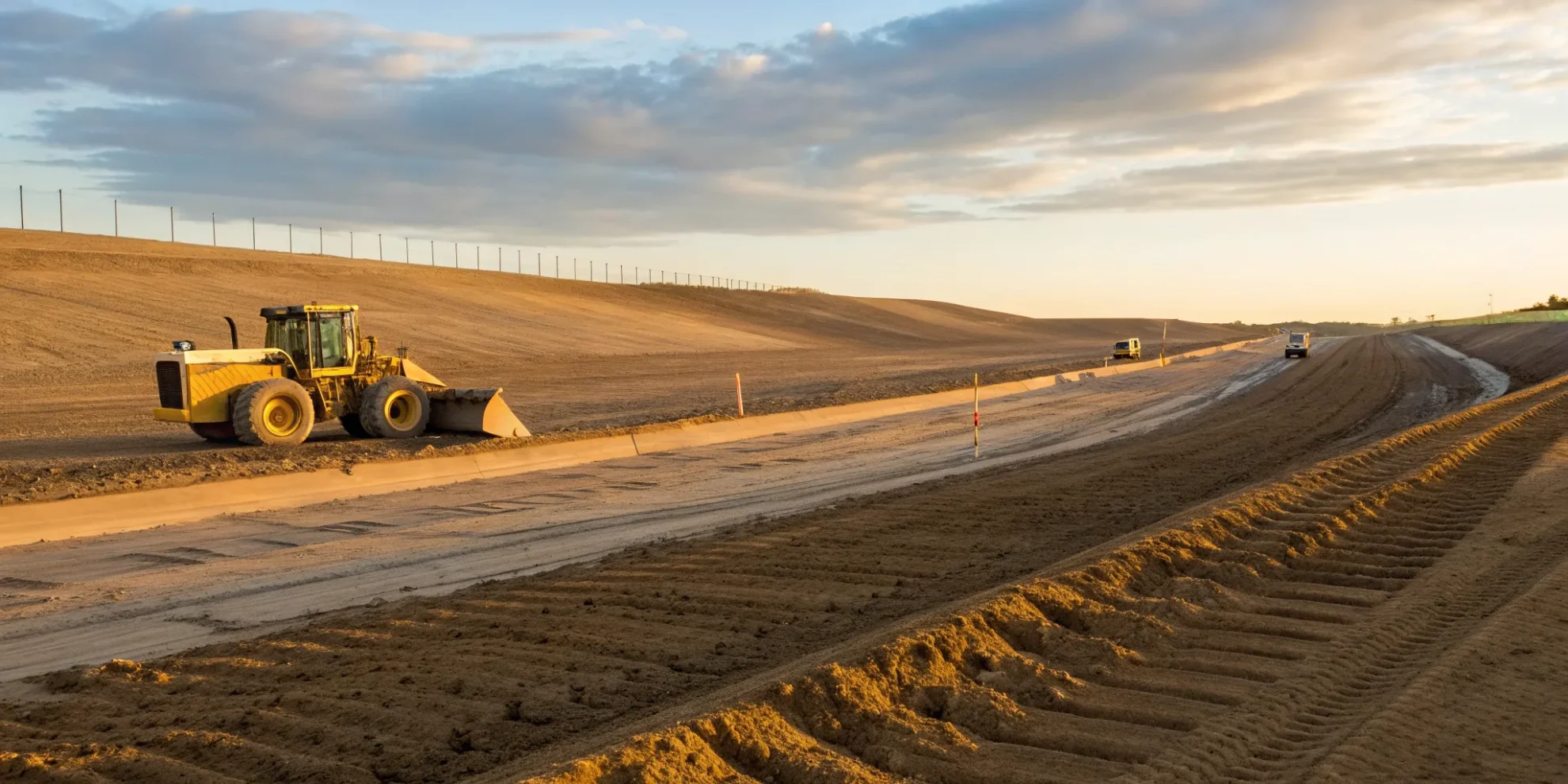
That lumpy, sloped section of your yard might feel like wasted space you can’t do much with. But what if you could transform it into a functional, beautiful area for your family to enjoy? The key to unlocking your property’s full potential is often land grading. It’s a process that goes far beyond just flattening dirt; it’s about strategically reshaping your landscape to create usable, level areas while solving drainage issues. With professional land grading services, you can carve out the perfect spot for a play set, a garden, or an outdoor entertaining space. Here, we’ll explore how grading works and why it’s a game-changer for your property.
Key Takeaways
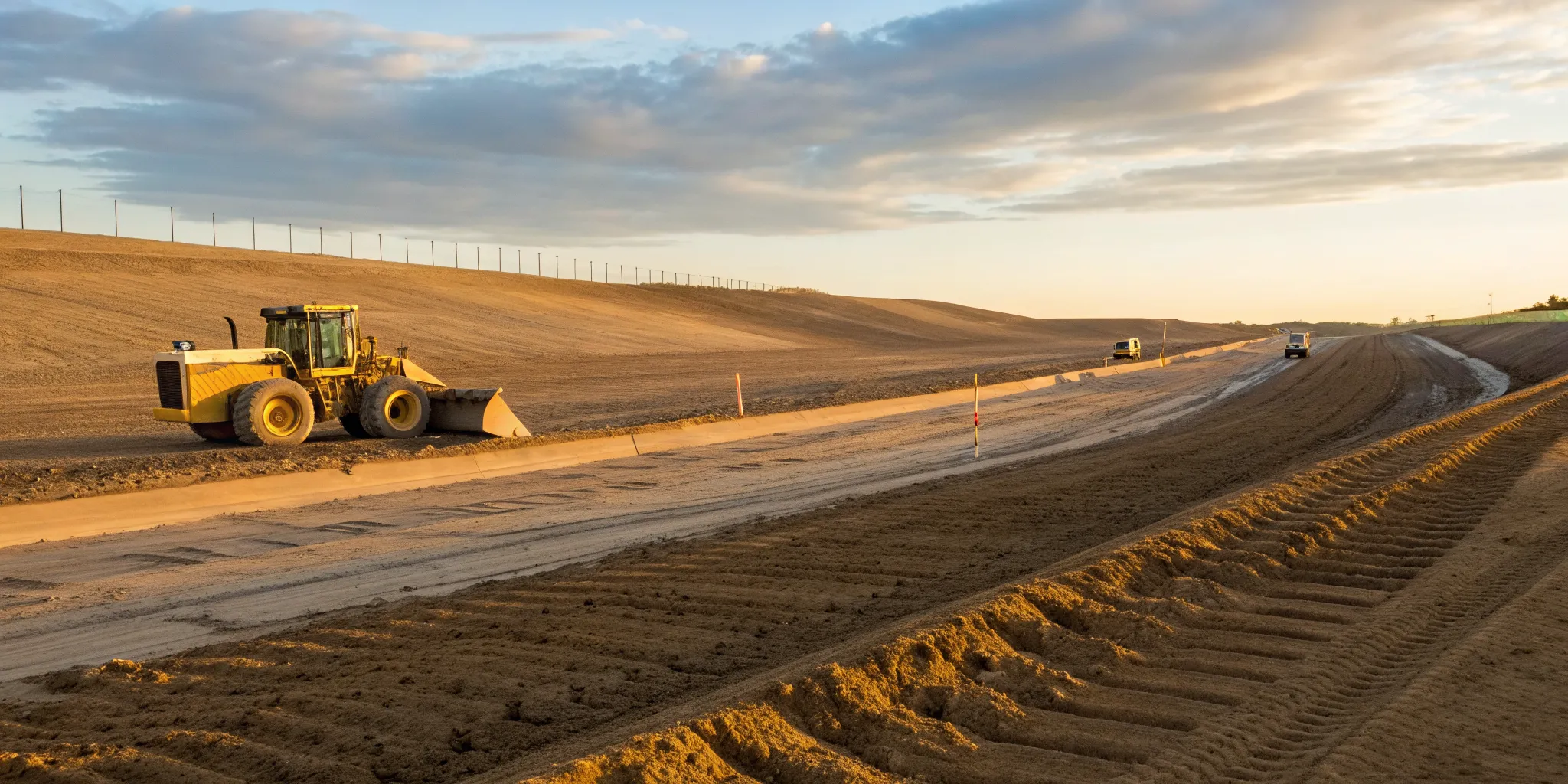
- Grading is about smart water management, not just flat ground: The main goal is to create subtle, intentional slopes that protect your home’s foundation from water damage, control soil erosion, and provide a stable base for any future landscaping or construction.
- Professional expertise prevents costly future problems: Land grading requires specialized equipment and a deep understanding of soil types and drainage principles. Hiring an expert ensures the job is done correctly, saving you from issues like pooling water or unstable structures down the road.
- Timing and planning are crucial for a successful project: For the best results, schedule your grading project during drier seasons and always before starting any new construction. A well-thought-out plan with a qualified contractor sets the stage for a successful outcome.
What is Land Grading?
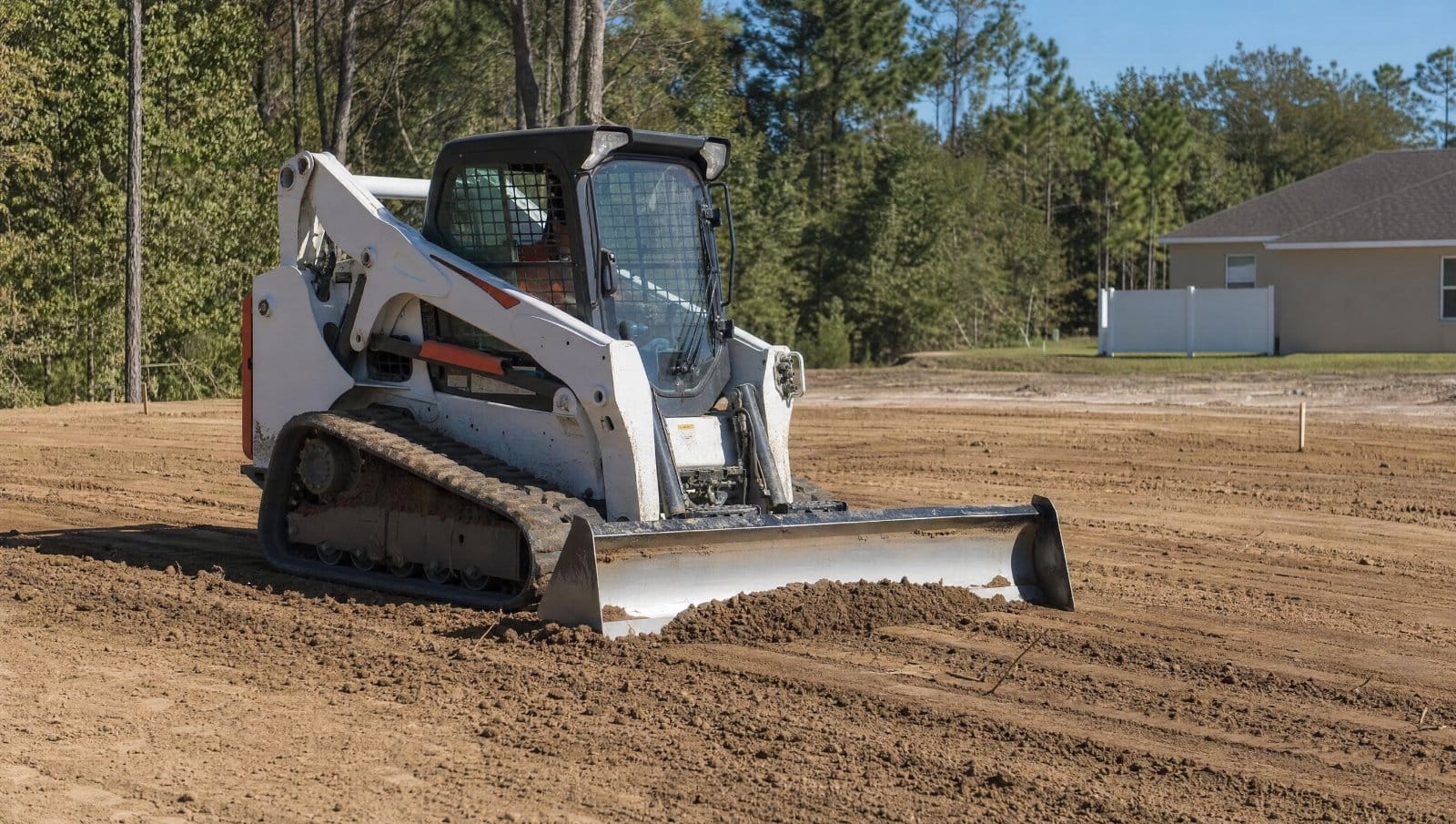
If you’ve ever wondered how a construction site transforms from a lumpy, uneven patch of dirt into a perfectly prepared foundation, the answer is land grading. At its core, land grading is the process of reshaping the ground to create a specific slope or level base. Think of it as sculpting the earth to serve a purpose. This isn’t just about making the ground flat; it’s a precise excavation technique that directs water flow, supports new structures, and prevents soil from washing away.
The main goals of grading are to manage drainage, prepare a stable foundation, and control erosion. As the experts at Earth Kingz note, “Land grading is the process of leveling or sloping land to ensure proper drainage, support structures, and prevent erosion.” Without proper grading, water can pool near your home’s foundation, leading to serious issues down the road. It also provides the solid, reliable base needed for everything from a new driveway or patio to a shed or even an entire building. By carefully contouring the land, professionals can create a landscape that is both functional and beautiful, ensuring your property is safe, stable, and ready for whatever project you have in mind.
Understanding the Types of Land Grading
When you hear the term “land grading,” you might picture a bulldozer simply flattening a piece of land. While that can be part of the process, it’s much more nuanced. Grading involves creating very specific slopes and contours tailored to the needs of your property. According to Lawn Love, the process involves “scraping off the surface, leveling the soil underneath, and then covering it with new topsoil.” This careful reshaping is essential before starting any major construction or landscaping project.
Whether you’re preparing for a new building or a garden, grading sets the stage for success. It’s a critical first step after land clearing to ensure the final result is stable and well-drained. The final shape of the land is designed to guide rainwater away from structures and prevent it from creating soggy, unusable areas in your yard.
A Look at Professional Grading Equipment
Achieving the right grade requires more than just a shovel and a wheelbarrow. Professional land grading relies on specialized heavy machinery operated by skilled technicians. Using the wrong equipment can do more harm than good. As Down To Earth Landscape & Irrigation points out, improper tools can lead to “uneven surfaces, soil compaction, or even damage to existing infrastructure.” That’s why professionals use a fleet of equipment like bulldozers, excavators, and scrapers to move large amounts of earth efficiently and precisely.
Beyond the machinery, it’s the expertise that truly makes a difference. A professional landscape contractor knows how to design slopes that effectively manage water runoff while preventing erosion. This knowledge ensures the soil stays in place and your property remains stable for years to come, protecting your investment and giving you peace of mind.
Why is Land Grading So Important?
You might think of land grading as just pushing dirt around, but it’s one of the most critical steps for a healthy, stable, and beautiful property. Think of it as creating the perfect canvas before you start any landscaping or construction project. Proper grading sets the stage for everything that follows, from preventing water damage to ensuring your new patio stays level for years to come. It addresses the natural slope and soil composition of your land, turning potential problems into well-managed features. Without it, you could face a host of issues like pooling water, soil erosion, and unstable foundations for your outdoor structures.
Ensure Proper Drainage and Manage Water
Here in Florida, we’re no strangers to heavy rain. Without proper grading, all that water can become a serious problem, pooling around your home’s foundation or turning your yard into a swamp. The primary goal of grading is to create a gentle, intentional slope that directs rainwater away from your house and other structures. This simple step is your first line of defense against water intrusion, foundation damage, and landscape washout. By establishing effective drainage solutions, you protect your biggest investment and ensure your yard remains a usable, enjoyable space, even after a downpour. It’s all about making water work with your property, not against it.
Create a Stable Foundation for Structures
Planning to add a new patio, a retaining wall, or even a small shed? The success of that project starts from the ground up. Land grading is essential for creating a level, compacted, and stable base that can properly support new structures. When the ground isn’t prepared correctly, it can shift and settle over time, leading to cracks, tilting, and eventual failure of whatever you’ve built. Professional excavation services and grading ensure the site is perfectly prepared, providing a solid foundation that will keep your hardscaping and other additions secure and looking great for the long haul. It’s a foundational step you simply can’t afford to skip.
Prevent Costly Soil Erosion
Soil erosion is a slow but powerful force that can wreak havoc on your landscape. Heavy rains can wash away valuable topsoil, expose tree roots, and carry sediment into unwanted areas, destabilizing slopes and ruining your lawn. Professional land grading is key to preventing this. By carefully shaping the land, we can design slopes that manage the flow of water, slowing it down and directing it safely without taking your soil with it. This is especially important after a land clearing project when the soil is most vulnerable. Thoughtful grading keeps your soil in place, protecting your landscape’s health and structure from the ground down.
Improve Your Property’s Function and Value
A lumpy, uneven, or steeply sloped yard can be difficult to use and enjoy. Land grading can completely transform these challenging areas into functional, attractive spaces. By leveling bumpy sections or creating terraces on a hill, you can carve out usable areas for a garden, a play set for the kids, or an outdoor entertaining space. A well-graded property not only looks more polished and professional but also maximizes your usable square footage. This work enhances your property’s curb appeal and overall function, making it a more pleasant place to live and a smarter investment. It’s a key part of any successful landscape design.
A Step-by-Step Look at the Land Grading Process
Land grading isn’t just about moving dirt around; it’s a precise, multi-stage process that transforms your property. When done correctly, it sets the stage for healthy landscapes, stable structures, and effective water management. Understanding how professionals approach a grading project can help you know what to expect and appreciate the skill involved in sculpting the land. From the initial blueprint to the final walkthrough, each step is designed to ensure your project is a success from the ground up.
Step 1: Site Assessment and Planning
Before any heavy equipment arrives, the first step is always a detailed site assessment. Think of this as creating the master plan for your property. Professionals conduct thorough site surveys to map out the existing topography, identify soil types, and understand your goals for the space. This initial planning is critical for creating a precise grading plan that addresses drainage, slope, and future use. Whether you’re preparing for a new driveway or a lush garden, this foundational step ensures every decision is made with the final outcome in mind.
Step 2: The Rough Grading Phase
Once the plan is set, the real work begins with rough grading. This is the heavy-lifting phase where large amounts of earth are moved to shape the land. The main goal is to establish the basic contours, slopes, and elevation needed for your project. It’s the first step in shaping the land to the right slope and height, creating the general form that will guide water away from buildings and establish level areas for future construction. This phase lays the essential groundwork for everything that follows, making it a crucial part of any successful land clearing and development project.
Step 3: The Finish Grading Phase
After the major earthmoving is complete, the process moves into finish grading. This is where the focus shifts to precision and detail. Finish grading is the final step to make the surface smooth for good drainage, planting grass, or building. It involves refining the slopes, smoothing out any imperfections left from the rough grading phase, and preparing the topsoil for its intended purpose. This meticulous work ensures the ground is perfectly prepped for its next chapter, whether that involves laying new sod or installing a beautiful hardscape feature.
Step 4: Final Inspection and Quality Check
The last step is a comprehensive inspection to confirm everything has been done to the highest standard. A professional team will walk the site to verify that all grading work meets the project’s specifications. They check that slopes are correct for optimal drainage, surfaces are smooth, and the land is ready for landscaping or construction. Working with a professional landscape contractor ensures your project is completed with precision and expertise. This final quality check provides peace of mind, knowing your property is properly prepared for long-term stability and beauty.
How Pros Ensure Proper Drainage and Control Erosion
Properly grading a property is about much more than just leveling the ground. It’s a careful process of shaping the land to manage water and prevent soil from washing away. When you hire a professional, you’re getting their expertise in creating a landscape that is both beautiful and functional, protecting your property from the challenges of Florida’s heavy rains. They use a combination of techniques to direct water safely away from buildings and prevent the kind of erosion that can cause serious problems down the line. This thoughtful approach ensures your land remains stable and healthy for years to come. It’s this strategic planning that truly sets a professional job apart, turning potential water issues into a well-managed, sustainable system.
Creating Strategic Slopes and Contours
One of the most important parts of professional land grading is creating subtle slopes that guide water where you want it to go. It’s not about making your yard visibly slanted; instead, it’s about establishing a gentle, precise grade that directs runoff away from your home’s foundation, patio, and other structures. Experts use specialized equipment to achieve the perfect angle, ensuring water flows efficiently toward a designated drainage area without taking your topsoil with it. This process of excavation and contouring is fundamental to preventing standing water, soggy lawns, and potential foundation damage. It’s a science that protects your property with every rainfall.
Installing Effective Drainage Systems
Sometimes, grading alone isn’t enough, especially on properties with heavy clay soil or in low-lying areas. In these cases, professionals integrate effective drainage systems to work with the newly graded landscape. This might include installing French drains, catch basins, or channel drains to capture excess water and carry it away from critical areas. A well-designed drainage solution is a key component of a comprehensive water management plan. By combining strategic grading with the right drainage hardware, experts can prevent water from pooling on your property, protecting your landscape and structures from water damage.
Using Soil Stabilization Techniques
Once the land is graded, the job isn’t finished. The newly exposed soil is vulnerable to erosion from wind and rain. Professionals use various soil stabilization techniques to hold everything in place while your new landscape takes root. This can involve laying down sod, applying mulch, or planting specific ground cover that helps bind the soil. In some cases, erosion control blankets made of biodegradable materials are used on steeper slopes. These methods are a crucial final step in any grading project, ensuring the soil stays put and your landscaping investment is protected from the elements.
Integrating Retaining Walls
For properties with significant slopes or hills, retaining walls are an essential tool for both erosion control and creating usable space. A professionally installed retaining wall can transform an unusable incline into a series of level tiers perfect for gardens, patios, or play areas. More importantly, these structures hold back soil, preventing landslides and erosion that can threaten your property. By working with the land’s natural contours, retaining walls provide critical support and stability. They are a perfect example of how functional engineering can also add significant aesthetic value to your landscape.
Common Land Grading Challenges to Avoid
Land grading might seem like a simple job of moving dirt around, but it’s a precise science that sets the stage for everything that follows on your property. Without the right expertise and equipment, a project can quickly run into problems that create bigger headaches down the road. From unexpected water issues and damaging erosion to unstable ground that can’t support a new structure, several common challenges can turn a straightforward project into a complex and frustrating one. Understanding these potential pitfalls is the first step in making sure your project is done right from the start, protecting your investment and giving you peace of mind.
Successfully grading a property means anticipating these issues before they happen. It involves more than just leveling the ground; it requires a deep understanding of soil, water flow, and the long-term goals for your property. Whether you’re preparing for a new building, a patio, or a lush garden, avoiding these common mistakes will save you time and prevent future issues. A professional team knows what to look for and how to manage these challenges, ensuring your land is perfectly prepared for whatever you have planned. They bring the right equipment and a strategic approach to handle the unique characteristics of your land, turning potential problems into well-managed solutions.
Ineffective Drainage Planning
One of the biggest mistakes in any grading project is overlooking where the water will go. Without a solid plan, you can end up with pooling water, soggy spots in your yard, or even flooding near your home’s foundation. The main goal of grading is to create a gentle, strategic slope that directs rainwater away from structures and off your property. A professional team will carefully assess your land to design effective drainage solutions that prevent water from becoming a destructive force. Proper planning ensures your property stays dry and stable for years to come.
Incorrect Slope Calculations
Getting the slope just right is crucial, and it’s a common area where things can go wrong. A slope that is too steep can cause rapid water runoff and soil erosion, washing away your topsoil and landscaping. On the other hand, a slope that is too flat won’t provide enough drainage, leading to the standing water issues we just talked about. Accurate calculations are essential to guide water safely across your property. This precision is a key part of professional land clearing and grading, ensuring a stable and functional landscape that stands the test of time.
Unpredictable Soil Conditions
The type of soil on your property plays a huge role in the success of a grading project. Sandy, clay, or loamy soils all behave differently, especially when they get wet. Without understanding your specific soil composition, you risk creating an unstable surface that can shift or settle over time, potentially damaging foundations or hardscapes. Experienced contractors are familiar with the diverse soil conditions in Central Florida and know how to handle them. Proper excavation and grading techniques ensure the ground is properly compacted and prepared to provide a solid base for any future construction.
Weather Delays and Site Access Issues
Even the best-laid plans can be affected by factors outside of our control, like weather and site accessibility. Heavy rain, especially during Florida’s storm season, can halt a project and saturate the ground, making it impossible to work. Similarly, properties with limited or difficult access points can present logistical challenges for moving heavy equipment. A professional contractor plans for these possibilities. They create realistic timelines, monitor weather forecasts, and find solutions for tricky sites to keep the project moving forward smoothly and minimize delays from events like major storms that might require storm damage cleanup.
How to Choose the Right Land Grading Contractor
Choosing the right land grading contractor is a critical decision for your property. The right team sets the stage for a successful project, ensuring proper drainage and a stable base for whatever you have planned. The wrong one, however, can lead to significant issues down the road. To help you make a confident choice, here are four key things to look for when hiring a professional.
Look for Proven Experience and Expertise
Experience is non-negotiable. A seasoned contractor does more than just move dirt; they perform detailed site assessments to create a precise plan tailored to your property. They know how to read the land, anticipate challenges, and ensure the job is done correctly the first time. Look for a company with a strong portfolio of completed projects in Central Florida. This track record shows they have the hands-on knowledge to handle the unique soil and weather conditions of our area, giving you a solid foundation for your plans.
Check Their Equipment and Technology
The right tools are essential for a successful grading project. A professional contractor will have a fleet of modern, well-maintained machinery for everything from large-scale excavation to fine-tuning the final grade. Using improper or outdated equipment can lead to uneven surfaces, soil compaction, or even damage to your property. When you speak with a potential contractor, ask about the equipment they plan to use. A team that invests in the right technology is serious about delivering high-quality, efficient results.
Verify Their Credentials
Effective land grading is a technical skill. An experienced contractor understands soil mechanics, water flow, and local building codes. They know how to create the perfect slope for proper drainage and can predict how different soil types will behave under pressure. This specialized knowledge is what separates a true professional from an amateur. Don’t hesitate to ask about their team’s qualifications and familiarity with local regulations. A credible company will be transparent about its expertise.
Read Customer Reviews and Ask for References
One of the best ways to vet a contractor is to hear directly from past clients. Look up online reviews to get a sense of their reputation, paying close attention to comments on professionalism, communication, and timeliness. For a deeper perspective, ask the contractor for references you can contact. Speaking with a previous customer allows you to ask specific questions about their experience and see the quality of the contractor’s work firsthand. This step provides valuable insight and peace of mind before you commit.
What to Expect From Your Land Grading Project
Starting a land grading project can feel like a big undertaking, but knowing what to expect makes the process much smoother. When you work with a professional team, you’re not just hiring someone to move dirt around; you’re partnering with experts who manage every detail from start to finish. A successful project hinges on careful planning, a deep understanding of your property’s unique characteristics, and the flexibility to adapt to challenges like weather.
The entire process is designed to be thorough, ensuring the final grade meets your goals, whether you’re preparing for new construction, improving drainage, or creating a more usable outdoor space. From the initial site walk-through to the final inspection, a professional contractor will guide you through each phase. They handle the technical details, like securing permits and analyzing soil, so you can focus on the exciting outcome. This structured approach ensures your excavation and grading work is done correctly and efficiently, setting your property up for long-term success.
Understanding the Project Timeline
A common question we hear is, “How long will this take?” The answer depends on your project’s specifics, but every professional grading job follows a clear timeline. It all begins with a thorough site assessment and planning phase. This is where experts walk your property, discuss your goals, and create a precise grading plan. Once the plan is set, the physical work begins, followed by a final inspection to ensure everything meets the highest standards. A well-defined timeline isn’t just about scheduling; it’s about making sure each step is completed correctly before moving on to the next, which prevents delays and ensures a quality result.
Handling Permits and Regulations
Depending on the scale of your project, you might need a permit from your local municipality. This is especially true for larger jobs that involve significant changes to the landscape or affect water runoff. Working through local regulations can be confusing, but it’s a standard part of the process for an experienced contractor. A professional team understands the local codes and will handle the entire permitting process for you. Attempting to grade without the proper approvals can lead to frustrating delays and rework. Letting an expert manage the paperwork ensures your project complies with all regulations from day one.
The Importance of Soil Testing
Before any grading begins, it’s crucial to understand what’s underneath the surface. Soil testing helps professionals identify the composition of your land, whether it’s sandy, clay-based, or a mix. This step is vital because different soil types behave differently, especially when it comes to water absorption and stability. For instance, grading sandy soil requires a different approach than grading heavy clay. An experienced contractor uses this information to determine the best techniques for your property, ensuring the final grade provides a stable base and promotes effective drainage solutions. This foresight prevents future problems like erosion and water pooling.
How Weather Can Impact the Schedule
Here in Central Florida, we know that the weather can be unpredictable. A sudden downpour can turn a worksite into mud, making it impossible to operate heavy machinery safely and effectively. Professional grading contractors always keep an eye on the forecast and build flexibility into the project schedule. While a few rainy days might cause a temporary pause, a good team will communicate with you and adjust the timeline accordingly. They know that working on saturated ground can compromise the quality of the grade, so they’ll wait for the right conditions to ensure the job is done right. This careful planning helps minimize weather-related delays and keeps your project on track.
When is the Best Time for Land Grading?
Timing is everything, and that’s especially true for land grading. Starting your project at the right moment can make a world of difference in the final outcome, ensuring the work is done efficiently and effectively. The best time to grade your property depends on a few key factors, like the local weather, your construction timeline, and any other landscaping plans you have. Thinking through these elements helps set your project up for success from the very beginning.
Finding the Ideal Season for Your Project
In Central Florida, our weather plays a big role in scheduling any outdoor project. The ideal time for land grading is during our drier seasons, typically fall, winter, and early spring. Working with dry soil is much more effective than trying to move and shape soggy earth, which can lead to compaction and poor results. Thoughtful planning is a key part of professional excavation services. This includes choosing a time when conditions allow us to work with your land’s natural flow, not against it, to create balanced drainage across your property.
Scheduling Before Construction Begins
If your grading project is part of a new build, it’s one of the very first steps to take after clearing the land. Site grading is critical for any construction, whether you’re pouring a foundation, building a shed, or installing a driveway. It creates the stable, properly sloped surface that underpins the project’s success. Getting the grading done before structures go up also ensures heavy equipment can move freely without risking damage. It’s all about preparing a perfect canvas before building begins, which is why it’s often done right after land clearing.
Coordinating with Landscaping Projects
Land grading is the foundation of a great landscape design. Before you can install beautiful flower beds, a lush lawn, or elegant hardscaping, the ground beneath needs proper preparation. A well-graded yard prevents water from pooling around your plants or against your home’s foundation. It’s essential to complete grading before installing features like patios or walkways to give them a solid base. Coordinating the grading with your landscape contractor ensures every element, from drainage systems to garden beds, works together seamlessly for a beautiful and functional outdoor space.
Common Land Grading Myths, Busted
When it comes to shaping your property, a lot of misinformation can float around. Land grading is a precise science, but it’s often misunderstood as a simple dirt-moving task. Believing these common myths can lead to significant problems down the road, from drainage issues to unstable foundations. Let’s clear the air and bust a few of the most common myths about land grading so you can approach your project with confidence.
Myth #1: “I can do it myself.”
The DIY spirit is admirable, but land grading is one of those jobs best left to the professionals. It involves much more than just renting a small tractor and pushing dirt around. Achieving the correct slope for drainage requires a deep understanding of soil types, water flow, and precision measurements. Working with a professional team ensures your project is handled with expertise, using specialized excavation services to get the job done right the first time. Without the proper knowledge and equipment, you risk creating bigger problems, like water pooling near your foundation or causing unintended erosion on your property.
Myth #2: “It’s just about making the ground flat.”
While creating a level surface can be one goal of grading, it’s rarely the only one. The primary purpose is often to create specific, subtle slopes that direct water away from buildings and prevent standing water. Proper grading is a strategic process of leveling and sloping the land to ensure effective drainage, support structures, and prevent soil erosion. A perfectly flat yard might look nice, but it can quickly turn into a swampy mess after a Central Florida downpour. Professional landscape drainage contractors understand how to shape the land to protect your property and create a healthy, functional outdoor space.
Myth #3: “Any equipment will work.”
Using the wrong tools for a land grading project can cause more harm than good. Commercial and large residential projects require heavy machinery operated by skilled professionals. Attempting to grade a large area with inadequate equipment can lead to uneven surfaces, excessive soil compaction (which harms plant growth), or even damage to underground utilities. A professional contractor has access to a fleet of specialized equipment, from bulldozers to laser-guided graders, and knows exactly which tool is right for your specific project. This ensures the work is completed efficiently and to the highest standard.
Myth #4: “It’s a one-and-done job.”
Effective land grading is not an isolated task but a foundational step in a larger plan. It requires thoughtful planning that considers the land’s natural contours and your long-term goals for the property. Proper grading works with the land’s natural flow rather than fighting against it, ensuring balanced drainage and stability for years to come. It’s a critical component that integrates with other projects, whether you’re preparing for new construction, installing a patio, or redesigning your entire yard. A professional landscape contractor will view grading as part of a holistic approach to improving your property’s function and beauty.
Key Factors That Shape Your Land Grading Project
No two land grading projects are exactly alike. Your property is unique, and so are your goals for it. A successful project depends on a plan that accounts for several critical factors, from the ground beneath your feet to the local regulations in your area. Understanding these elements will help you and your contractor create a clear roadmap for transforming your landscape. A professional assessment considers every detail to ensure the final grade is stable, functional, and perfectly suited to your needs.
Here are the four main factors that will influence the scope and approach of your land grading project.
Your Property’s Soil Type
The type of soil on your property plays a huge role in how your land grading project is planned and executed. Different soils, like sand, clay, or loam, have unique properties. They absorb and drain water differently, compact at different rates, and have varying levels of stability. For instance, Central Florida’s sandy soil drains quickly but can also be prone to erosion if not managed correctly. Experienced grading contractors understand soil behavior and how it interacts with water flow and slope. A thorough soil assessment is the first step in creating a grading plan that will stand the test of time, preventing future issues with settling or drainage.
The Size and Slope of Your Land
The current state of your property, including its size and existing slope, is the starting point for any grading work. A large, steeply sloped yard requires a much different approach than a small, nearly flat lot. The goal of site grading is to reshape the land to ensure proper drainage, create stable support for structures, and prevent erosion. Whether you need to create a level area for a new building or a gentle slope to guide water away from your home, the existing topography will determine the extent of the work. For larger properties, grading is often combined with professional land clearing to prepare the entire site for its new purpose.
How You Plan to Use the Space
What’s your vision for your property? Your answer to this question directly shapes the grading plan. If you’re preparing for a new driveway, you’ll need a solid, properly compacted base. If you dream of a lush lawn, the land will need a gentle, consistent slope for healthy growth and even watering. For more complex projects like a patio or retaining wall, the grading must create the perfect elevation for your new hardscaping services. It’s important to work with a professional to map out your plans so the grading accommodates all your future landscaping and construction needs from the very beginning.
Local Rules and Environmental Factors
Land grading isn’t just about moving dirt; it’s also about following local rules and respecting the environment. Municipal codes often dictate how water runoff must be managed to prevent it from affecting neighboring properties. There may also be regulations concerning property lines, easements, and protected natural features. A well-designed grading plan incorporates effective landscape drainage solutions that prevent water from pooling, flooding, or causing soil erosion. A reputable contractor will be familiar with local requirements, ensuring your project is fully compliant and environmentally responsible.
Related Articles
- Land Clearing and Grading: What You Need to Know
- Landscape Drainage Contractors Lake Mary, FL | 10% Veteran Discount!
- Root Barrier Service Lake Mary, FL | 10% Veteran Discount
- Trusted Landscape Drainage Contractors in Lake Mary, FL
Frequently Asked Questions
How do I know if my property actually needs grading? Some common signs include water pooling near your home’s foundation after it rains, visible soil erosion on slopes, or having a lumpy, uneven lawn that makes it difficult to mow or enjoy. If you’re planning to install a new patio, driveway, or shed, you will also need grading to create a stable, level base. The best way to know for sure is to have a professional assess your property.
What’s the difference between land clearing and land grading? Think of them as two separate but related steps. Land clearing is the first phase, where trees, stumps, brush, and rocks are removed from a piece of land to create a blank slate. Land grading is what comes next. It’s the process of sculpting the cleared earth, creating the precise slopes and level surfaces needed for proper drainage and construction.
Can land grading really fix the drainage problems in my yard? Yes, absolutely. In fact, solving drainage issues is one of the primary reasons for land grading. A professional contractor will carefully reshape your yard to create a gentle, intentional slope that guides rainwater away from your house and other structures. This prevents water from collecting in low spots and turning your lawn into a swampy mess.
Will the grading process damage my existing trees or other landscape features? A professional team works with great care to protect the parts of your landscape you want to keep. The initial planning phase involves mapping out your property and identifying any mature trees, established garden beds, or structures that need to be preserved. The project is then planned and executed around these features to minimize any disturbance.
Is land grading only necessary for big construction projects? Not at all. While grading is essential for preparing a site for a new building, it’s just as important for smaller projects. Whether you’re looking to install a small retaining wall, create a level area for a playset, or simply improve the overall slope of your lawn for better health and function, proper grading is the key to a successful and long-lasting result.