Oviedo Tree Permit Guide for Homeowners and Yards
Planning to take down a tree, clear some brush, or regrade part of your yard in Oviedo? Before you start, it is worth understanding when the city requires an Oviedo tree permit and how the process works. Oviedo’s rules are bundled into a single “Clearing, Grading, and Tree Removal Permit,” and they are a little different from how neighboring cities handle it, so a few minutes of homework can save you a stop-work headache.
We are a veteran-owned crew that works throughout Seminole County and the greater Orlando metro, and we deal with these permits regularly. Here is a straight, practical walkthrough for Oviedo homeowners, grounded in the city’s own guidance and application form.
When You Need an Oviedo Tree Permit
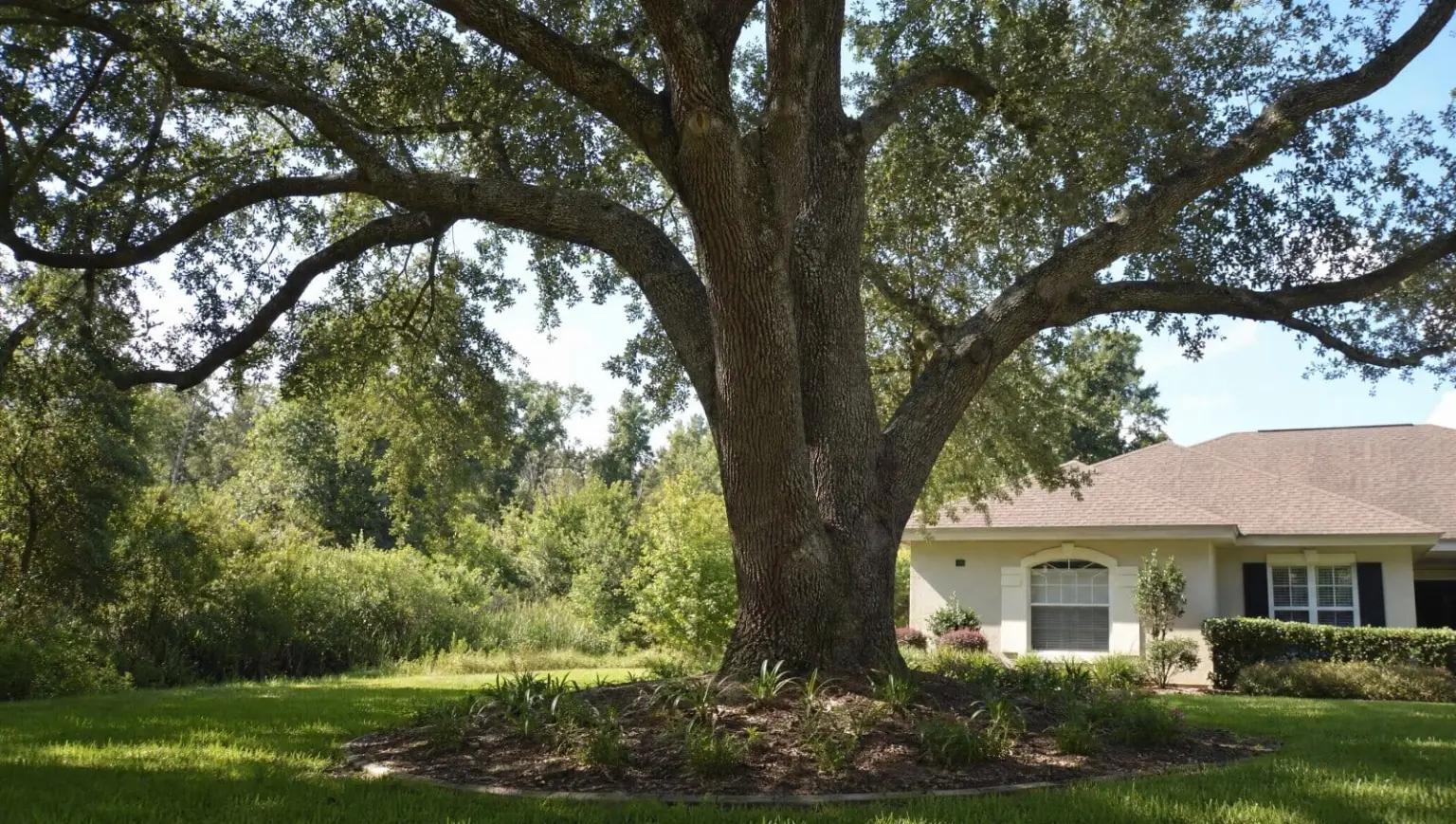
In the City of Oviedo, a permit is required to remove any canopy tree. That is the core rule to remember. Before any canopy tree comes down, the tree must be inspected and approved by the City Arborist. This inspection step is a defining feature of the Oviedo process, so build it into your timeline rather than treating the permit as a same-day online form.
Not every tree triggers a permit, though. According to the city, you do not need a permit to remove:
- Palms
- Fruit trees
- Understory species such as crape myrtle
So a homeowner clearing a few crape myrtles or removing a struggling palm generally is not in permit territory, while removing an established canopy oak or pine almost certainly is. When in doubt, the safest move is to confirm your specific tree with the city before you cut. The city’s tree removal FAQ spells out the canopy-versus-exempt distinction directly.
How the Permit Process Works
Oviedo’s process is more hands-on than a simple form-and-pay. Here is what to expect:
- City Arborist inspection. Before removal, the trees must be inspected and the removal approved by the City Arborist. Plan for this step up front.
- Arbor Contractor Registration. Any contractor you hire to clear, grade, or remove trees in Oviedo must have a valid Arbor Contractor Registration on file with the city before doing the work. Ask any company you are considering whether they are registered with Oviedo.
- Request the permit through the city. To request a permit, homeowners contact the city’s Special Contracts Inspector, who handles the clearing, grading, and tree removal process. You can find the current application here: Clearing, Grading & Tree Removal Application.
Oviedo Permit Fees
Permit fees in Oviedo are set by the city, and like most municipal fees they can change over time. Rather than quote a dollar figure that may be out of date, we will be straight with you: confirm the current amount directly with the City of Oviedo before you budget. The clearing, grading, and tree removal permit may carry a base fee plus per-acre or per-tree components, but the exact numbers are the city’s to state, so ask the Special Contracts Inspector or check the city’s tree FAQ when you apply.
Protected and Specimen Trees
Beyond the basic canopy-tree rule, Oviedo’s code identifies certain trees as protected or specimen, with their own review and replacement expectations. We will not quote a specific diameter threshold here, because the right number for your tree should come from the city, not a blog. The City Arborist inspection exists precisely to make that determination, so use it. If you are unsure whether your tree is a routine canopy removal or a protected specimen, that inspection is the step that settles it.
The Florida Hazard-Tree Exemption
There is an important statewide rule that can change the math for an Oviedo homeowner, particularly during Central Florida’s stormy June-through-September stretch and hurricane season. Under Florida Statute 163.045, a local government may not require a permit, application, fee, or mitigation to remove a tree on residential property when the owner has proper documentation that the tree is a genuine hazard.
Here is what the statute actually requires:
- The property must be a single-family, detached home actively used for single-family residential purposes.
- The owner must have documentation: an onsite risk assessment performed under the ISA’s Best Management Practices for Tree Risk Assessment, Second Edition (2017), signed by an ISA-certified arborist or a Florida licensed landscape architect.
- The tree must pose an “unacceptable risk,” meaning removal is the only practical way to lower its risk below moderate.
- When a removal qualifies, the city may not require you to replant.
This is genuinely useful for the leaning water oak or root-compromised pine that keeps you up at night during storm season. It is not a shortcut for clearing a healthy yard, since it requires a real, signed assessment. But for a true hazard, that documentation can lawfully replace the Oviedo permit.
A Note on Sandy Soil and Wet Summers
Oviedo sits in USDA zone 9b on sandy soil, and our long, heavy summer rains saturate the ground in ways that loosen root plates, especially on shallow-rooted species. (Worth noting: under the 2023 USDA hardiness map update, parts of Seminole County shifted to zone 10a, though Oviedo itself remains 9b.) That is why we encourage homeowners to have questionable trees assessed before peak storm season rather than during the scramble after a system passes. Planning ahead also gives the City Arborist inspection and any required documentation time to come together calmly.
Quick FAQ
Do I need a permit to remove a palm or a crape myrtle?
No. Palms, fruit trees, and understory species such as crape myrtle do not require a permit to remove in Oviedo. A permit is required for canopy trees.
Can my landscaper pull the permit?
Your contractor can handle the paperwork, but they must hold a valid Arbor Contractor Registration on file with the city to do clearing, grading, or tree work in Oviedo.
What if a tree comes down in a storm?
Document the damage and confirm the city’s current position before clearing a protected canopy tree, since storm-damaged trees may be handled differently than planned removals.
Talk to a Local Crew Before You Cut
Oviedo’s clearing, grading, and tree removal process is very doable once you understand the canopy-tree rule, the City Arborist inspection, the Arbor Contractor Registration requirement, and the hazard-tree exemption. As a veteran-owned company serving Oviedo and the rest of Seminole County, we are glad to help you confirm what your project needs, coordinate the City Arborist step, and arrange arborist documentation when a hazard exemption applies. Reach out to LandTree for a free, no-pressure estimate and we will give you an honest read on your trees and your permit path.