
15 Landscape Design Ideas for a Beautiful Yard
We all want a beautiful yard, but not everyone wants to spend every weekend weeding, watering, and mowing. What if you could have a stunning outdoor space that practically takes care of itself? It’s not a fantasy; it’s the result of smart, low-maintenance design. By choosing the right plants, incorporating durable hardscaping, and working with our Florida climate, you can create a landscape that thrives with minimal effort. This guide is full of landscape design ideas focused on sustainability and simplicity, so you can spend less time on chores and more time actually enjoying your beautiful, resilient yard.
Key Takeaways
- Start with a solid plan: Use core design principles like balance and unity, and pick a style that fits your home. This creates a cohesive outdoor space that looks professional and intentional.
- Design for your lifestyle: Create functional outdoor rooms for dining or relaxing and choose low-maintenance solutions like native plants and hardscaping. This approach gives you a beautiful yard with less weekend work.
- Create year-round interest: Look beyond a single season by layering plants that offer different bloom times, textures, and colors. Adding evergreens for structure and outdoor lighting ensures your yard is beautiful and inviting no matter the month.
What Are the Core Principles of Landscape Design?
Before you start picking out plants or patio furniture, it helps to understand the basic principles that guide great landscape design. Think of these not as strict rules, but as creative tools that help you build a beautiful and functional outdoor space that feels just right. When all the elements of your yard work together, the result is a cohesive, inviting environment that looks intentional and professionally designed. Understanding these core ideas will help you clarify your vision and better communicate what you want for your property.
A well-designed landscape considers balance, unity, proportion, and focus to create a harmonious whole. By applying these principles, you can transform a simple yard into a stunning retreat. Whether you’re planning a complete overhaul or just a few small updates, keeping these concepts in mind will guide your decisions. This foundation is key to creating a space you’ll love for years to come. If you’re looking for a partner to bring your vision to life, our landscape design and installation team is here to help.
Find Balance and Symmetry
Balance is all about creating a sense of visual equilibrium in your yard. It ensures that no single area feels heavier or more dominant than another. You can achieve this in two ways: symmetrically or asymmetrically. Symmetrical balance is formal and traditional, creating a mirror image on either side of a central line. Imagine a front walkway with identical garden beds and trees on both sides. Asymmetrical balance is more informal and natural. It uses different elements with similar visual weight to create equilibrium. For example, you could balance a large, established tree on one side of your yard with a cluster of smaller shrubs and a decorative boulder on the other.
Create Unity and Cohesion
Unity is the feeling that everything in your landscape belongs together. It’s what makes your yard feel like a single, harmonious space rather than a random collection of plants and features. The best way to create unity is through repetition. This can mean using a consistent color palette, repeating certain plant shapes, or using the same materials throughout the space. For instance, choosing the same type of stone for your garden borders and a patio creates a strong visual connection. Similarly, using a consistent layer of fresh mulch across all your garden beds instantly ties the landscape together, making it look clean and cohesive.
Master Proportion and Scale
Proportion and scale are about making sure everything fits together size-wise. Scale refers to how the size of one element relates to the surrounding space, while proportion relates to the size of different parts of a single element. A massive fountain, for example, would feel out of scale in a tiny courtyard. Likewise, a very tall, narrow planter might feel out of proportion on a wide, low deck. Getting the scale right is crucial for creating a comfortable and visually pleasing space. When you plant new trees, consider their mature size to ensure they won’t overwhelm your house or garden in the future.
Establish a Focal Point
A focal point is a key feature that immediately draws the eye, giving it a place to land. Without one, a landscape can feel a bit chaotic or uninteresting. Your focal point can be almost anything: a stunning specimen tree with unique bark or foliage, a bubbling water feature, a piece of outdoor art, or even a brightly painted bench. The idea is to create a point of interest that anchors the design. You can have several focal points in a larger yard, but they should guide the eye through the space rather than compete for attention. A beautifully shaped, healthy tree often makes a perfect natural focal point, and our arborist services can help keep it looking its best.
Exploring Popular Landscape Design Styles
Choosing a design style is the first step to creating an outdoor space you truly love. Think of it as a theme that guides every decision, from the plants you choose to the materials for your patio. A clear style ensures your yard looks cohesive and intentional, rather than like a random collection of plants and features. Whether you’re drawn to clean, modern lines or the charming chaos of a cottage garden, finding the right aesthetic will help you build a landscape that perfectly complements your home and your lifestyle.
Modern and Contemporary
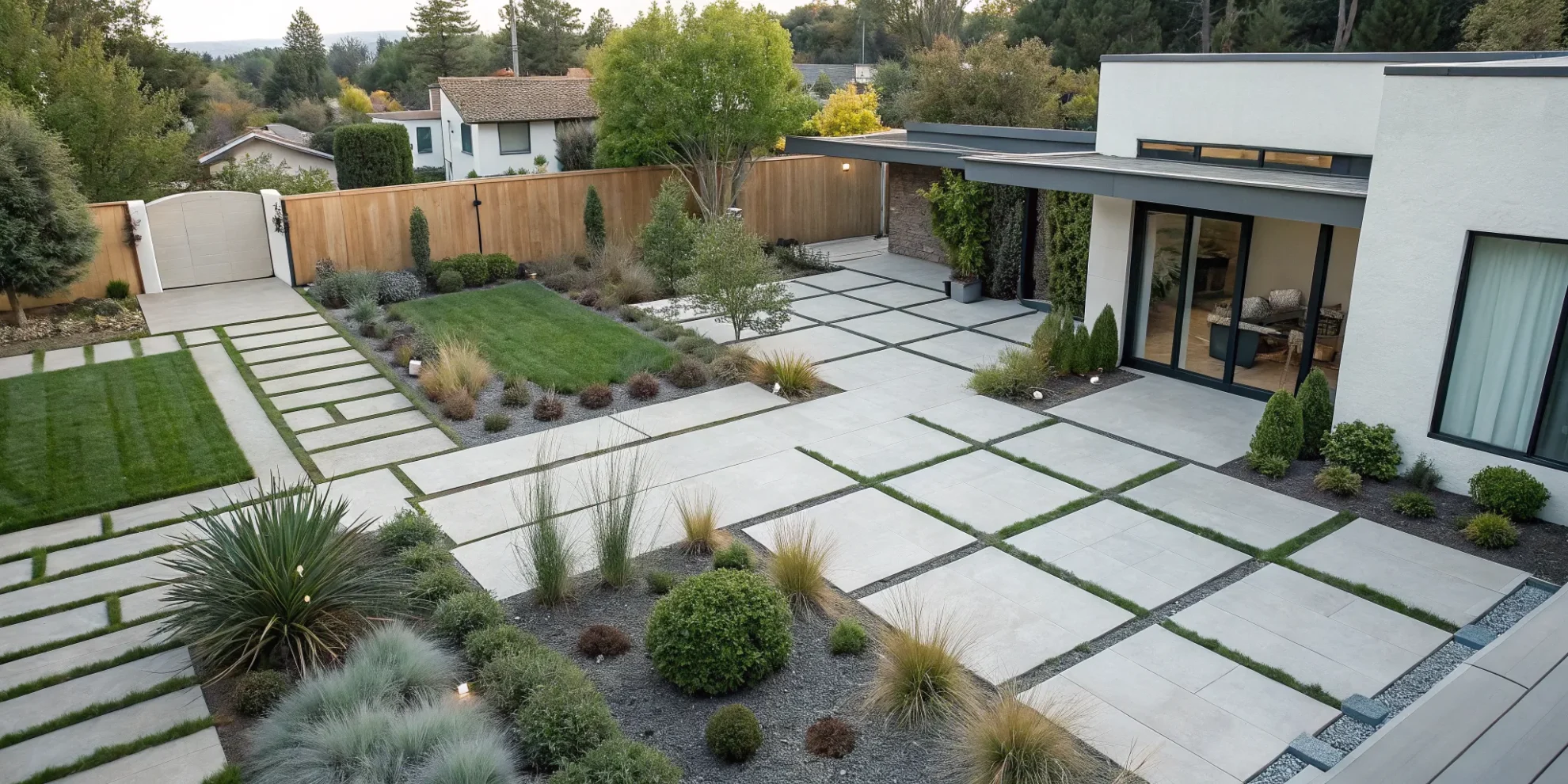
If you love clean lines and a “less is more” approach, a modern or contemporary design might be for you. This style uses strong geometric shapes and a simple color palette to create a sleek, uncluttered look. Functionality is key, with every element serving a purpose. Think of features like smooth concrete patios, metal planters, and structured garden beds. The focus is on the architecture of the space itself, using carefully chosen plants as accents rather than the main event. This design is perfect for creating a sophisticated outdoor living area that feels like a natural extension of your home’s interior. Our hardscaping services can help lay the foundation for this clean, polished aesthetic.
Traditional and Cottage Gardens
For a timeless and classic feel, traditional gardens offer structure and elegance. These designs often feature symmetrical layouts, neatly trimmed hedges, and classic flowering plants like roses and hydrangeas. It’s a style defined by order and grace. On the other end of the spectrum is the cottage garden, which embraces a more relaxed and whimsical vibe. Imagine pathways overflowing with a joyful mix of colorful perennials, annuals, and herbs. This style is all about charm, abundance, and a touch of romantic wildness. Whether you prefer formal structure or informal charm, our team can help with a landscape design and installation that brings your vision to life.
Mediterranean and Tropical
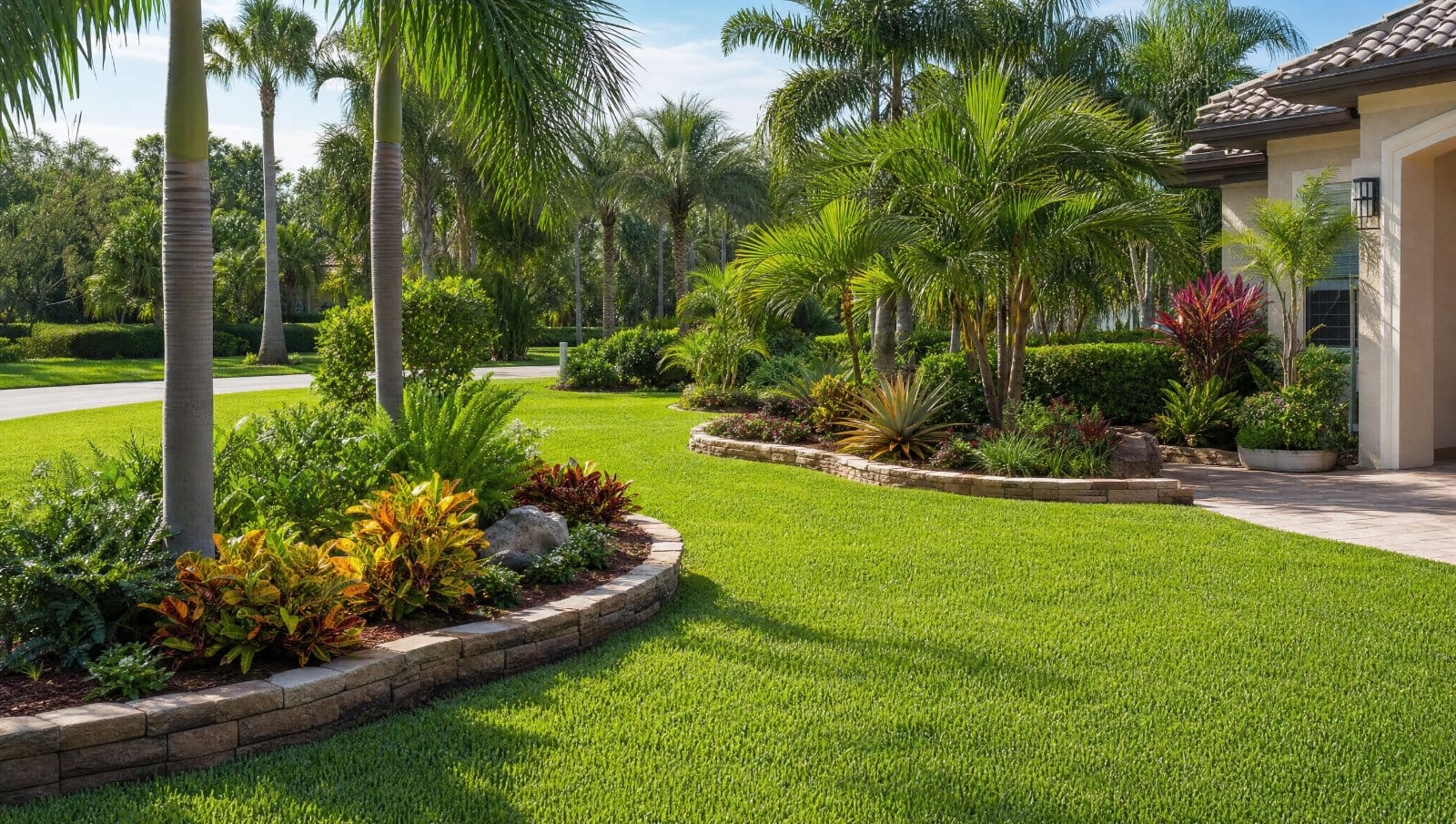
Living in Florida gives us the perfect climate for vibrant, lush landscapes. A tropical garden is a fantastic way to create your own private oasis, filled with bold, exotic plants, large leaves, and bright flowers. Think hibiscus, birds of paradise, and majestic palm trees. Alternatively, a Mediterranean style offers a beautiful, drought-tolerant option inspired by the coasts of Italy and Greece. This look uses warm, earthy tones, gravel pathways, terracotta pots, and hardy plants like lavender and rosemary. Both styles create a resort-like feel, turning your backyard into a sunny escape. Choosing the right tree planting services is essential for establishing the canopy that defines these beautiful, sun-drenched styles.
Zen and Minimalist
If you want your yard to be a peaceful retreat from the world, a Zen or minimalist garden is an excellent choice. These designs focus on simplicity and tranquility, creating a calm atmosphere for relaxation and reflection. Zen gardens often use a limited palette of materials like rocks, sand, water, and a few carefully placed plants to inspire a sense of serenity. Minimalist design takes a similar approach, stripping away anything unnecessary to emphasize open space and clean lines. The goal isn’t an empty yard, but one where every element is intentional and contributes to a feeling of peace. Using mulching and decorative ground cover like gravel or river rocks can help achieve this serene, low-clutter look.
Sustainable and Native Gardens
A sustainable garden is both beautiful and smart, designed to work with our local Florida environment, not against it. This approach prioritizes using native plants that are naturally adapted to our climate, so they require less water, fertilizer, and overall attention once established. By choosing native species, you also create a welcoming habitat for local wildlife like birds and butterflies, promoting a healthy ecosystem right in your backyard. This style is all about creating a resilient, low-maintenance landscape that is good for you and the planet. Our arborist services can help you select and care for the perfect native trees to anchor your sustainable garden design.
How to Create Functional Outdoor Living Spaces
Your yard is more than just the land surrounding your home; it’s an extension of your living space. With thoughtful design, you can transform it into a functional and beautiful area for relaxing, entertaining, and connecting with nature. The key is to think of your yard in terms of “rooms,” each with a specific purpose. By defining different zones for activities like dining, lounging, or gardening, you create a landscape that is not only visually appealing but also incredibly practical. This approach helps you make the most of every square foot, turning your property into a true outdoor oasis that fits your lifestyle. A well-planned landscape invites you to step outside and enjoy your home in a whole new way.
Design Dining and Entertainment Areas
Creating dedicated zones for dining and entertainment is the first step toward a more usable yard. Think about how you want to use the space. Do you dream of hosting summer barbecues or enjoying quiet morning coffee outdoors? You can use hardscaping services to build a beautiful stone patio for a dining table or a deck for a comfortable lounge area. Defining these spaces with clear boundaries, like walkways or low garden walls, makes your yard feel more organized and intentional. This “outdoor room” concept makes it easier to arrange furniture and creates a natural flow for guests, turning your backyard into the perfect spot for any gathering.
Carve Out a Relaxation Zone
Every great yard needs a special spot just for unwinding. This is your personal retreat, a place to read a book, listen to music, or simply enjoy the peace and quiet. You can create a cozy atmosphere with comfortable seating, soft lighting, and perhaps the gentle sound of a water feature. Strategic landscape lighting can highlight beautiful trees and pathways, while a fire pit can provide warmth and a focal point for evening conversations. A professional landscape design can help you carve out the perfect relaxation zone, ensuring it feels both secluded and seamlessly connected to the rest of your yard.
Plan Your Garden and Growing Spaces
Incorporating a garden adds life, color, and purpose to your landscape. Whether you have a green thumb or are just starting, there are endless possibilities. You could plant a vegetable garden to enjoy fresh produce, a cutting garden for beautiful bouquets, or a native plant garden that attracts local pollinators. Even small spaces can accommodate container gardens on a patio or deck. Planning your garden spaces allows you to add a personal touch to your yard while enjoying the rewarding process of watching things grow. Proper mulching can also help your garden beds retain moisture and stay healthy.
Try Vertical Gardening Solutions
If you’re working with a smaller yard or want to add visual interest, look up! Vertical gardening is a fantastic way to introduce more greenery without sacrificing ground space. You can use trellises for climbing vines, create a living wall with a variety of plants, or hang planters from a pergola. These solutions add height, texture, and a lush feel to otherwise bare walls or fences. Vertical gardens are perfect for growing herbs near your kitchen door or creating a natural privacy screen around a seating area. They are a creative and practical element to include in any landscape design.
Add Multi-Functional Elements
The most effective landscape designs often feature elements that serve more than one purpose. Think about how different features can work together to make your space more versatile. For example, a sturdy retaining wall can solve an erosion problem while also providing extra seating for guests. A wide, flat-topped planter can double as a side table next to a lounge chair. By choosing multi-functional pieces, you can create a yard that adapts to your needs, whether you’re hosting a party, playing with your kids, or simply relaxing. This smart approach ensures every part of your landscape is both beautiful and useful.
What Are the Best Ideas for a Low-Maintenance Landscape?
A gorgeous yard doesn’t have to feel like a full-time job. If you dream of a beautiful outdoor space but dread the constant upkeep, you’re not alone. The secret to a landscape that thrives with minimal effort is smart, intentional design. By making strategic choices from the start, you can create a stunning yard that gives you more time to relax and enjoy it. It’s all about selecting elements that work with our Central Florida climate, not against it. From drought-tolerant plants to durable hardscaping, a few key decisions can dramatically reduce your weekend to-do list for years to come. This approach focuses on building a sustainable and resilient yard that looks great season after season with less intervention from you, letting nature do most of the heavy lifting.
Choose Native Plants
One of the best things you can do for a low-maintenance yard is to embrace Florida’s native plants. These are the trees, shrubs, and flowers that have adapted over thousands of years to our specific soil, rainfall, and humidity. Because they’re already suited for the environment, they require far less watering, fertilizer, and pest control than non-native species. They’re the definition of working smarter, not harder. Plus, choosing native species helps support local pollinators like bees and butterflies. A professional can help with tree planting and selecting the perfect native varieties that will flourish in your yard, adding beauty and resilience without the extra work.
Lean on Hardscaping Elements
Hardscaping refers to the non-living elements in your landscape design, like patios, walkways, and decks. Incorporating these features is a fantastic way to add structure and style while cutting down on high-care areas like lawns and garden beds. A beautiful stone patio or a winding gravel path creates a functional space for entertaining or relaxing and requires very little upkeep compared to a patch of grass. Thoughtfully designed hardscaping services can also include features like retaining walls to manage slopes and create level, usable areas in your yard, turning challenging spots into beautiful, functional focal points.
Use Ground Cover and Mulch
Think of mulch as your garden’s best friend. Applying a layer of organic mulch, like pine bark or wood chips, over your garden beds does wonders for reducing maintenance. It helps the soil retain moisture, meaning you’ll water less often, and it’s a highly effective barrier against weeds. For areas where you don’t want grass, consider planting a hardy ground cover instead. These low-growing plants spread to form a dense mat, choking out weeds and adding texture to your landscape. Professional mulching services can ensure you have the right type and amount for your garden’s needs, keeping it healthy and looking tidy.
Set Up Smart Irrigation
Consistent, efficient watering is key to a healthy landscape, but it doesn’t have to be a daily chore. Modern irrigation systems take the guesswork out of watering your plants. Drip irrigation or soaker hoses deliver water directly to the base of your plants, minimizing evaporation and waste. You can even install smart controllers that automatically adjust watering schedules based on recent rainfall and weather forecasts. Paired with proper landscape drainage solutions, an efficient irrigation system ensures your plants get exactly what they need to thrive without waterlogging the soil or wasting resources, keeping your yard healthy with minimal effort.
How to Add Year-Round Color and Interest
A truly beautiful yard doesn’t just look good for one season; it offers something special all year long. The key is to think beyond a single burst of summer blooms and create a landscape with lasting appeal. By layering different plants, textures, and features, you can design a space that feels vibrant and inviting from the warm days of spring to the mild Florida winter. It’s all about creating a dynamic, evolving garden that always has something new to catch your eye.
Select Plants for Every Season
To keep your garden looking lively, choose a mix of plants that peak at different times. Think in terms of a full-year calendar. Start with spring-blooming flowers like azaleas, then add summer showstoppers such as hibiscus or crepe myrtles. For fall, consider plants that offer rich foliage color or late-season blooms. Even in winter, you can have color from camellias or the bright berries of a holly tree. A thoughtful tree planting plan ensures you have a continuous display of color and life, making your yard a beautiful focal point no matter the month.
Incorporate Evergreen Elements
Evergreens are the foundation of a year-round garden. They provide consistent color and structure when other plants are dormant, acting as a lush green backdrop that makes seasonal colors pop. From tall Italian Cypress trees that create privacy to low-growing juniper shrubs that add texture, evergreens are essential for maintaining your landscape’s shape and form. They serve as the “bones” of your design, ensuring your yard never looks bare. Incorporating a variety of evergreen trees and shrubs is a simple way to guarantee your landscape has a strong, green presence throughout the year.
Play with Texture in Plants and Materials
Color is just one part of the equation. Texture adds depth and sophistication to your landscape design. You can create stunning visual contrast by pairing plants with different leaf shapes and sizes, like the bold, broad leaves of a philodendron next to the delicate fronds of a fern. This principle also applies to your non-plant elements. Combining smooth river rocks with chunky wood mulch or sleek metal planters creates a rich, layered look. Thoughtful mulching and hardscaping choices can make your garden feel more dynamic and unique.
Use Strategic Lighting for Evening Appeal
Your yard’s beauty shouldn’t disappear when the sun goes down. Strategic outdoor lighting can transform your space, making it usable and magical after dark. Use uplighting to highlight the dramatic shape of a mature oak tree or install path lights to guide guests along a walkway. Soft lighting in a seating area creates a warm, inviting ambiance perfect for relaxing or entertaining. By incorporating lighting into your landscape design, you extend the hours you can enjoy your outdoor space while adding an element of safety and elegance.
Plan for Long-Term, Sustainable Success
Creating a beautiful yard that’s also good for the environment is a win-win. Choosing plants native to Central Florida is a great first step, as they are naturally adapted to our climate and soil, meaning they typically require less water and care. These plants also provide vital food and shelter for local wildlife like birds and butterflies. Planning for sustainability means thinking about the long-term health of your landscape. Consulting with professional arborist services can help you select the right trees and plants that will thrive for years to come, creating a resilient and eco-friendly outdoor space.
Related Articles
Frequently Asked Questions
I’m new to landscape design. What’s the most important first step? The best place to start is by thinking about how you want to use your yard. Before you get caught up in specific plants or styles, consider the function. Do you need a play area for kids, a quiet spot for reading, or a large patio for entertaining? Once you have a clear idea of your needs, you can begin to apply design principles like balance and unity to create a space that is both beautiful and perfectly suited to your lifestyle.
How do I choose a design style that’s right for my home and lifestyle? Look at your home’s architecture and your personal taste for clues. A modern home might pair well with a minimalist landscape, while a classic house could be the perfect backdrop for a traditional or cottage garden. Also, think about the level of upkeep you’re comfortable with. A lush, tropical garden will require different attention than a simple, sustainable garden filled with native Florida plants. The best style is one that feels like a natural extension of your home and fits realistically into your life.
My yard is small. Can I still create different functional areas? Absolutely. Small yards are all about smart, efficient design. You can create the illusion of separate “rooms” by using different ground materials, like a small stone patio for dining and a patch of soft sod for lounging. Consider using vertical space with trellises or wall planters to add greenery without taking up floor space. Multi-functional elements, like a bench that doubles as storage or a retaining wall that provides extra seating, are also great for maximizing a compact area.
What’s the single best way to make my landscape lower maintenance? Choosing plants that are native to Central Florida is the most effective strategy for a low-maintenance yard. Native plants are already adapted to our soil, rainfall patterns, and climate, so they naturally require less water and attention once they are established. They are resilient and thrive without a lot of intervention, which gives you more time to simply enjoy your outdoor space instead of constantly working in it.
Besides flowers, how can I make my yard look interesting all year? To create year-round appeal, focus on structure and texture. Incorporate a variety of evergreen trees and shrubs to ensure your yard has a strong green foundation, even in the cooler months. You can also add interest by contrasting different plant textures, like pairing bold, broad leaves with fine, feathery ferns. Hardscaping elements like a stone walkway or a decorative boulder and strategic outdoor lighting also add permanent character and beauty that isn’t dependent on the season.