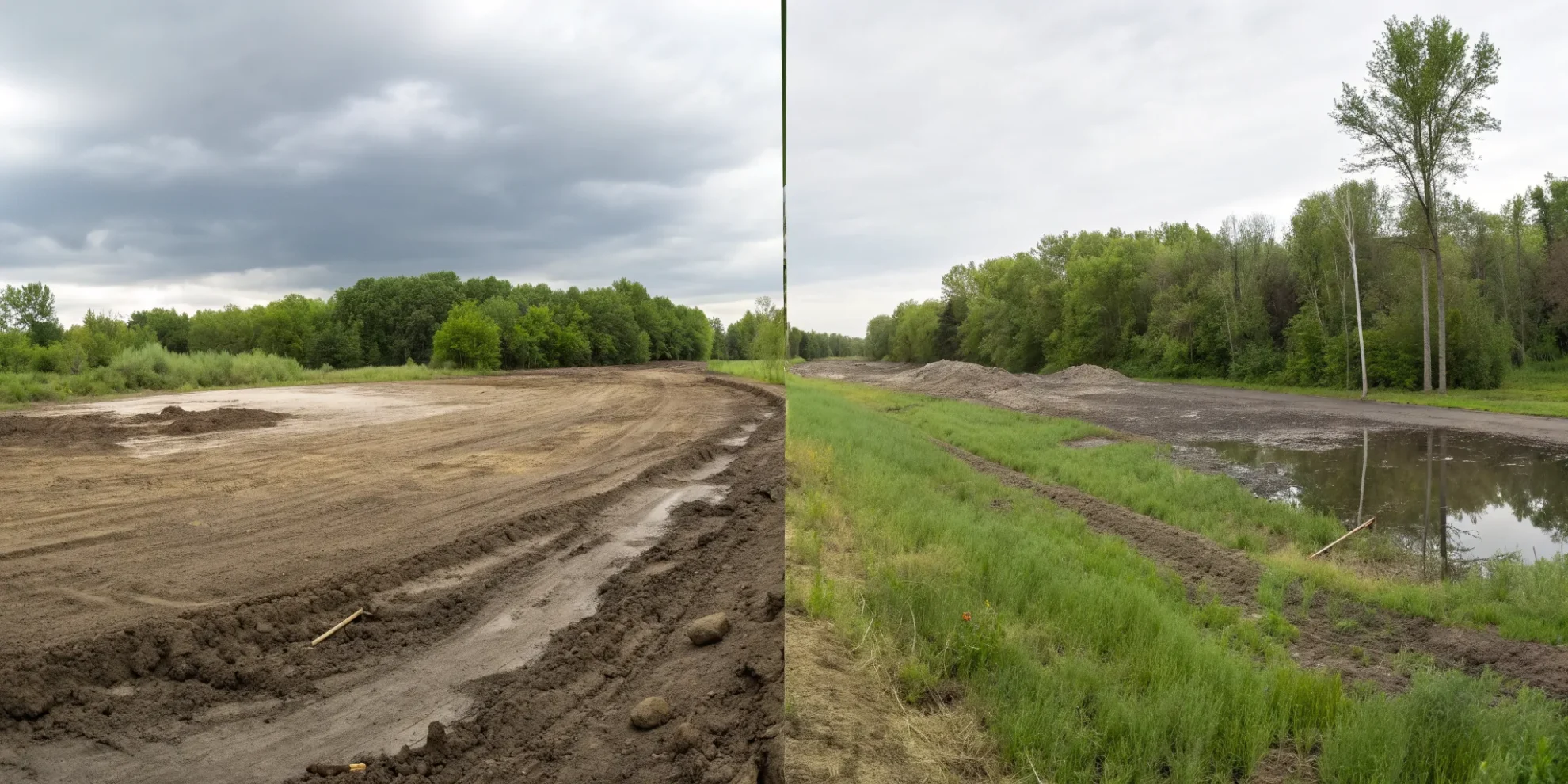
Land Grading Before and After: See the Difference
You might have seen impressive photos of a land grading before and after project, where a lumpy, uneven yard becomes a perfectly smooth canvas. While the visual change is certainly dramatic, the most important benefits are the ones you can’t always see. Land grading is the foundational process of re-sloping your property to solve critical issues like poor drainage and soil erosion. It’s the essential first step before installing a new patio, planting a garden, or laying sod. Without a proper grade, water can pool against your foundation, causing serious damage over time. This guide will walk you through what land grading is, why it matters, and how it can transform your property’s health and usability.
Key Takeaways
- Protect your foundation with proper grading: Land grading is your first line of defense against water damage. By creating a calculated slope, it directs rainwater away from your home, preventing foundation issues, soil erosion, and soggy patches in your lawn.
- Hire a professional for accurate results: Land grading requires precision to be effective. An expert has the right equipment and knowledge to create the correct slope, ensuring water drains properly and providing a stable base for any future landscaping or hardscaping projects.
- Cover bare soil to prevent erosion: A newly graded yard needs immediate protection. Covering exposed soil with sod, seed, or mulch is critical for preventing erosion from wind and rain, which helps lock in the new grade and establishes a healthy foundation for your landscape.
What is Land Grading and Why Does It Matter?
You might have heard the term “land grading” before, but what does it actually mean for your property? Simply put, land grading is the process of reshaping the ground’s surface. Think of it as leveling or re-sloping your yard to achieve a specific outcome. This isn’t just about aesthetics; it’s a crucial step for solving drainage problems, preparing a solid base for new landscaping or hardscaping projects, and preventing soil erosion. Whether you’re planning to build a new patio, install a driveway, or add an extension to your home, proper grading ensures the ground is stable and ready.
The main goal of grading is to control the flow of water. In Central Florida, where heavy rains are common, an improperly graded yard can lead to serious issues. Water might pool near your home, creating soggy spots and damaging your lawn, or worse, it could flow toward your foundation, leading to significant structural problems over time. Professional excavation and grading create a gentle, intentional slope that directs rainwater away from your buildings, protecting your biggest investment. It’s a foundational step that sets your property up for long-term health and stability, making it a smart move for any homeowner.
Signs Your Property Needs Grading
It’s often easy to spot the signs of poor grading once you know what to look for. The most obvious clue is standing water. If you notice puddles lingering in your yard long after a storm or have perpetually soggy patches of grass, it’s a strong indicator that water isn’t draining correctly. You might also see water seeping into your basement, garage, or crawl space. Another tell-tale sign is soil erosion, where dirt washes away from your foundation, leaving it exposed. These issues not only look bad but can also cause serious water damage. Addressing them with proper drainage solutions is key to protecting your home.
The Importance of Proper Drainage and Slope
The secret to effective drainage lies in the slope. The whole point of grading is to create a slight, consistent incline that guides water away from your home’s foundation. A general rule of thumb is to have the ground slope downward about one inch for every foot you move away from the house, extending for at least the first six to ten feet. This ensures that rainwater flows away from your home instead of toward it. Without this carefully calculated slope, water will follow the path of least resistance, which could be straight to your foundation walls, where it can cause cracks and leaks.
Protecting Your Foundation and Preventing Erosion
Your home’s foundation is its most critical structural element, and protecting it should be a top priority. Poor grading is one of the leading causes of foundation damage because it allows water to saturate the soil right next to your home. This constant moisture can cause the soil to expand and contract, putting immense pressure on your foundation and leading to costly repairs. Proper grading is your first line of defense. By directing water away, you prevent erosion and keep the soil around your foundation stable. For properties with steeper slopes, a retaining wall can also be an excellent tool for managing soil and preventing erosion.
A Look at the Land Grading Process
Land grading is much more than just moving dirt around. It’s a careful process that reshapes your property to solve problems and prepare it for new features. Whether you’re dealing with water pooling near your foundation or planning a new patio, understanding the steps involved can help you see how a bumpy, problematic yard becomes a smooth, functional space. The process is methodical, starting with a detailed plan and ending with a perfectly sloped surface ready for whatever you have in mind.
Starting with a Site Assessment and Plan
Every successful grading project begins with a thorough site assessment. A professional will walk your property to understand its unique challenges and your specific goals. They’ll look at the existing slope, identify low spots where water collects, and check how water flows across the land. This initial step is all about creating a strategic plan. Are you trying to fix poor landscape drainage? Preparing a level base for a new hardscape feature? Or simply trying to prevent soil erosion? A clear plan ensures the final grade will effectively direct water away from your home’s foundation and create the ideal surface for your landscaping goals.
Using the Right Tools and Techniques
The right equipment is key to achieving a precise and lasting grade. For very small, simple jobs, you might get by with a shovel, a rake, and a level. However, most properties require professional-grade tools to get the job done right. Experts use heavy machinery to handle the tough work of scraping, leveling, and compacting the soil. These excavation services use equipment like bulldozers and backhoes to efficiently move large amounts of earth, fill in low areas, and create a consistent, gentle slope. This professional approach ensures the soil is properly compacted to prevent future settling and that the new topsoil provides a healthy base for grass or plants.
What to Expect: A Project Timeline
Once the plan is set and the team is ready, the physical work begins. A typical land grading project can take up to a week, though the exact timeline depends on the size of your property and the complexity of the job. The process generally starts with clearing the area of any obstacles. Next, the team will begin the grading work, which involves scraping away high spots and using that soil to fill in low spots. After achieving the desired slope, the soil is compacted, and a fresh layer of topsoil is often added to finish the surface. This structured approach ensures your project moves along smoothly and results in a stable, properly graded landscape.
The Benefits of a Land Grading Transformation
Seeing a property transform through land grading is one of the most satisfying parts of our work. It’s about more than just moving dirt around; it’s about reshaping your land to make it more functional, beautiful, and resilient. An uneven, poorly drained yard can be a constant source of frustration, limiting how you can use your outdoor space and even posing a risk to your home’s foundation. Many property owners don’t realize that the soggy patches, eroding slopes, and bumpy surfaces they’ve learned to live with can often be permanently solved.
The goal of grading is to create a stable, properly sloped surface that directs water away from buildings and creates a usable canvas for whatever you have planned next. Whether you’re preparing for a new patio, planting a garden, or simply want a healthy, even lawn, it all starts with the right foundation. A professional excavation and grading project can completely change your property’s character, turning problematic areas into valuable assets. The difference isn’t just visible to the eye; you’ll feel it in the improved health of your landscape and the peace of mind that comes with proper water management.
Before: Drainage Issues and Uneven Surfaces
If your yard has low spots that turn into puddles after every Florida rainstorm, you’re likely dealing with a grading issue. These soggy areas can drown grass, create breeding grounds for mosquitoes, and make parts of your property unusable. You might also notice soil eroding from slopes or water pooling uncomfortably close to your home’s foundation. An uneven surface makes simple activities like mowing or setting up outdoor furniture a challenge. These aren’t just minor annoyances; they are signs that your land isn’t effectively managing water, which can lead to bigger problems over time. Correcting these drainage problems is the first step toward a healthier, more functional yard.
After: Better Water Flow and a Polished Look
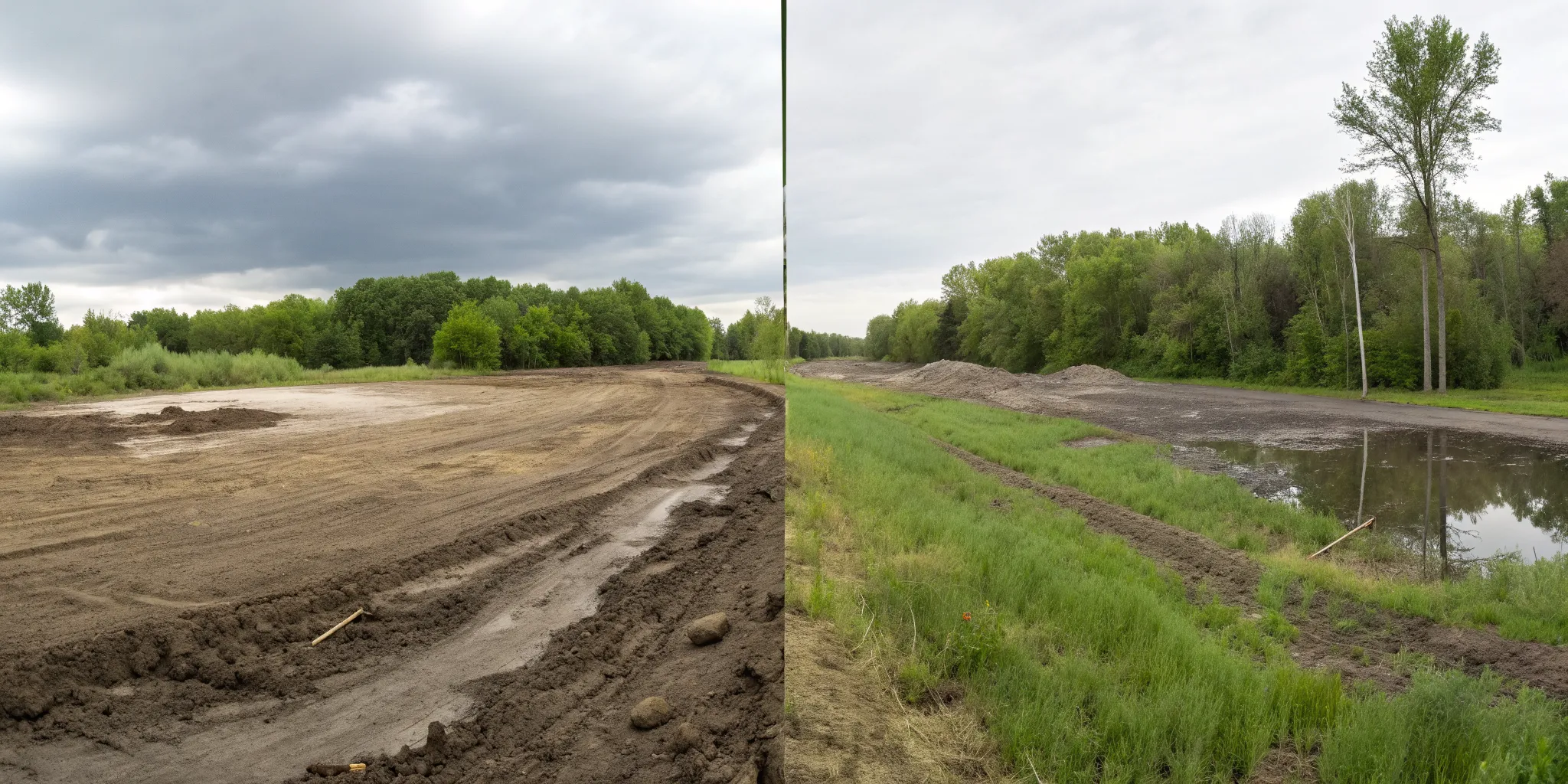
Once the land grading is complete, the change is immediate. The most critical improvement is functional: rainwater now flows away from your home and off your property, just as it should. Those persistent puddles disappear, and the ground dries out evenly. The surface is now smooth and stable, providing a perfect base for new sod, a garden, or a new walkway. A properly graded yard has a clean, intentional look that enhances your entire property. It becomes a blank slate, ready for you to create the outdoor space you’ve always wanted, whether that includes intricate hardscaping services or a simple, beautiful lawn.
Long-Term Gains for Your Property’s Health and Value
The benefits of land grading extend far beyond the initial visual upgrade. By ensuring water is channeled away from your house, you are actively protecting your foundation from water damage, a crucial step for any property owner. A well-drained yard also promotes healthier soil and stronger root systems for grass and plants. This single project makes future landscaping work much easier and more successful. Think of it as a foundational investment in your property’s health and stability. By addressing core issues like slope and drainage, you prevent costly erosion and water problems down the road, securing your property’s appeal for years to come.
DIY or Hire a Pro for Land Grading?
Deciding whether to tackle land grading yourself or bring in a professional is a big question. While the DIY spirit is admirable, grading is a project where precision is everything. It involves more than just moving dirt around; it’s about reshaping your property to manage water, create a stable base for landscaping, and protect your home’s foundation. Understanding the scope of your project and your own limitations is the first step in making the right choice for your property.
When to Consider a DIY Approach
A DIY approach can work for very small and straightforward tasks. If you’re dealing with a minor low spot in your yard or leveling a small patch for a new garden bed, you might be able to handle it with a shovel, a wheelbarrow, and a lot of patience. These simple jobs typically don’t involve complex slope calculations or significant water flow issues. However, for anything more involved, the risks of getting it wrong increase quickly. Think of it this way: if the problem is small enough that you can fix it in an afternoon, DIY might be an option.
The Value of Professional Expertise
For larger or more complex grading challenges, professional expertise is invaluable. Experts bring the right knowledge and heavy-duty equipment to the job. They can accurately analyze your property’s water flow, create a precise grading plan, and execute it efficiently. Professionals have access to specialized tools for excavation and grading that ensure the slope is perfect. They also understand how to install comprehensive drainage solutions, like French drains, to handle heavy Florida rains and protect your home from water damage. Hiring a pro means the job is done correctly and safely from the start.
Common DIY Mistakes to Avoid
One of the biggest risks with DIY grading is getting the slope wrong. A common mistake is creating a grade that is too flat, which won’t effectively move water away. Even worse is accidentally creating a slope that directs water toward your house. Improper grading is a leading cause of water damage to home foundations, a serious issue that can be difficult and disruptive to repair. Without the right tools and experience, it’s easy to misjudge the grade, leading to pooling water, soil erosion, and potential structural problems for your home down the line.
Maintaining Your Newly Graded Property
Once the heavy equipment leaves and your land is perfectly sloped, the project isn’t quite finished. The next phase is all about protecting that investment. Proper care right after grading is key to preventing erosion, establishing healthy growth, and ensuring the results last for years to come. Think of your newly graded property as a clean slate. A few strategic steps will help you maintain its function and beauty, keeping your landscape healthy and your home’s foundation secure.
Immediate Post-Grading Care
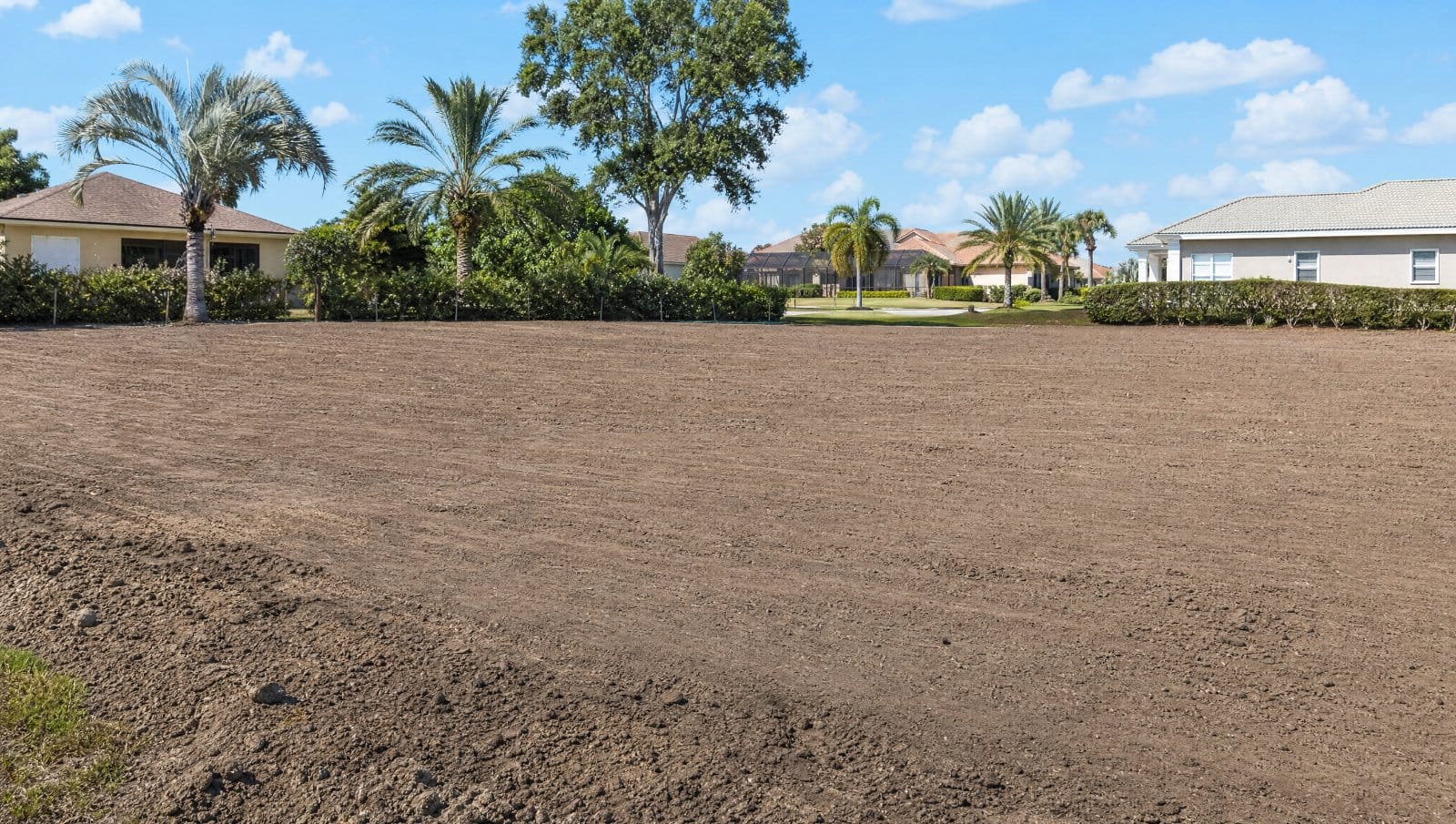
Your first priority for a newly graded area is to cover the bare soil. Exposed dirt is highly vulnerable to wind and rain, which can quickly undo the careful work that was just completed. Adding a layer of quality topsoil creates a nutrient-rich foundation for whatever comes next, whether it’s grass seed, new plants, or fresh sod. Establishing vegetation is the most effective way to hold the soil in place. A professional sod installation can provide an instant lawn, offering immediate protection and a lush, green look. If you opt for seeding, covering the area with straw or a layer of mulch will help retain moisture and prevent the seeds from washing away.
How to Prevent Erosion and Maintain Drainage
The primary goal of grading is to control how water moves across your property. To maintain that control, you need to keep the soil from shifting. As your new grass or groundcover grows, its root system will create a natural net that holds the soil together. For steeper slopes, you might consider strategic landscape design that incorporates native plants with deep roots. In some cases, a professionally installed retaining wall can provide essential support and prevent landslides on hillsides. Regularly check your property after heavy rains to ensure water is flowing away from your home as intended and not creating new puddles or streams where they don’t belong.
Long-Term Tips for Lasting Results
Maintaining your graded landscape over the long term is about being observant and proactive. Keep your new lawn or garden beds healthy, as robust plant life is your best defense against erosion. Try to limit heavy foot traffic on newly established areas until the root systems are strong. It’s also a good idea to periodically inspect the slope, especially near your foundation, to catch any potential issues early. Addressing small areas of erosion before they become larger problems will save you headaches down the road. Consistent care ensures your property continues to benefit from proper drainage solutions and a stable, beautiful landscape for years to come.
Related Articles
- Trusted Landscape Drainage Contractors in Lake Mary, FL
- Sod Installation Lake Mary, FL | 10% Veteran Discount
- Root Barrier Service Lake Mary, FL | 10% Veteran Discount
- Garden Bed Installation Lake Mary, FL | 10% Veteran Discount!
Frequently Asked Questions
Is land grading the same as just leveling my yard? Not quite, although they are related. Leveling aims to create a perfectly flat surface, which is great if you’re preparing a base for a shed or patio. Land grading is more strategic; it involves creating a gentle, precise slope across your property. The main goal of grading is to control water flow, directing rain away from your home’s foundation to prevent pooling and potential damage.
Will the grading process destroy my existing lawn? The process of grading does involve moving and reshaping soil, so the grass in the work area will be removed. Think of it as a necessary step to create a healthier foundation for your entire landscape. Once the grading is complete, you have a perfect canvas for a new, vibrant lawn. A professional sod installation can give you an instant green space, or you can choose to seed the area for fresh growth.
My yard gets really soggy after it rains. Can grading fix this? Yes, this is one of the most common problems that land grading is designed to solve. Soggy spots and standing puddles are clear signs that your property isn’t draining correctly because of low spots or an improper slope. By reshaping the land, a grading project redirects water to flow off your property, eliminating those persistent wet areas and allowing your entire yard to dry out properly.
What happens after the grading is done? Can I just leave the dirt bare? Leaving newly graded soil exposed is a big risk. Bare dirt can easily be washed away by a single heavy rainstorm, which would undo all the careful work and create a muddy mess. It’s very important to cover the soil immediately. The best options are installing sod for instant protection or spreading seed and covering it with a protective layer like mulch to hold it in place while the new grass grows.
How do I know if my property’s slope is correct? A good rule of thumb is that the ground should slope away from your home’s foundation, dropping about one inch for every foot for the first six to ten feet. However, every property is unique, and factors like soil type and surrounding landscape can affect drainage. The most reliable way to know for sure is to have a professional assess your property. They can identify subtle issues and confirm if your current grade is effectively protecting your home.