How to Remove Small Trees and Shrubs The Right Way
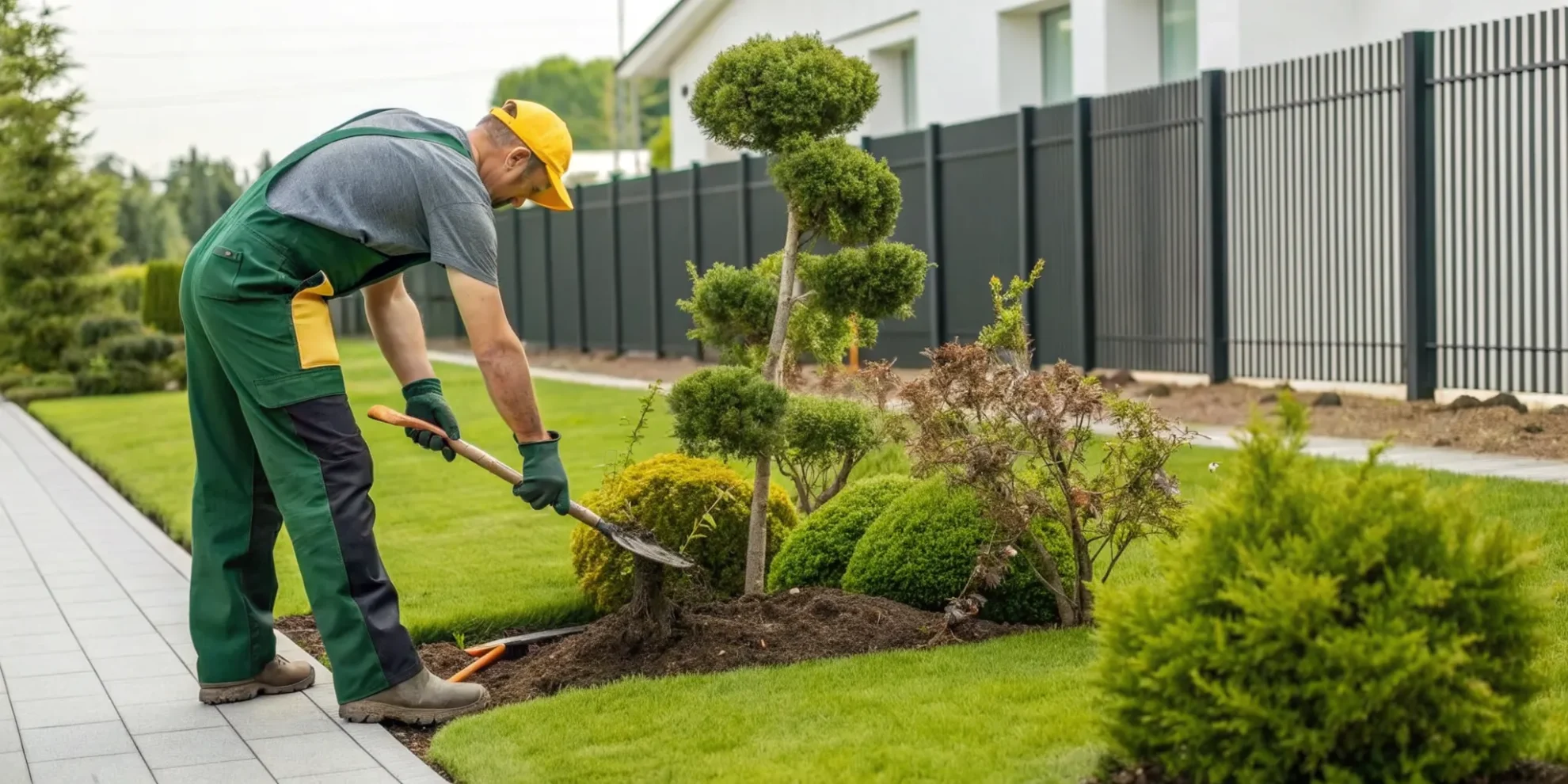
That overgrown shrub by the front window or the rogue sapling creeping too close to your foundation has been on your to-do list for months. Taking it down yourself feels like a satisfying weekend project, but it’s more involved than just grabbing a saw. A successful removal means having the right tools, a safe plan, and a strategy for the stubborn stump and roots left behind. This guide is your complete game plan. We’ll walk you through everything you need to know about how to remove small trees and shrubs the right way, from the initial assessment to the final cleanup, ensuring the job is done safely and permanently.
Key Takeaways
- Plan for a safe removal: Always start by wearing the right protective gear, planning a clear fall path away from any structures, and calling 811 a few days before you dig to mark underground utility lines.
- Finish the job by removing the roots: For a permanent solution, you must remove the stump and its main root system. This crucial step prevents the plant from growing back and ensures the ground is ready for new sod or landscaping.
- Recognize when to hire an expert: DIY removal is only suitable for very small shrubs and saplings. For any tree that is large, leaning, unhealthy, or near your home and power lines, calling a professional is the safest choice.
What Tools Do You Need for Tree and Shrub Removal?
Before you start any removal project, having the right equipment on hand is essential. Using the proper tools not only makes the job go faster but also keeps you much safer. The specific gear you’ll need depends on the size of the tree or shrub you’re tackling. A small, overgrown bush requires a different approach than a young tree that’s starting to crowd your foundation. Let’s walk through the tools you should have ready, from basic hand equipment to more powerful options.
Gather Your Hand Tools
For smaller shrubs and saplings, you might be surprised by how much you can accomplish with a few simple hand tools. A good pair of loppers can slice through branches up to a couple of inches thick, while a sharp pruning saw is perfect for anything larger. You’ll also want a sturdy shovel or spade to dig around the base and expose the roots. For clearing out smaller growth, some people find that an axe or hatchet does the trick. These basic tools are often enough to clear a small area in an afternoon, giving you control and precision without the noise of power equipment.
Choose the Right Power Tools
When you’re dealing with larger shrubs or small trees, power tools can save you a lot of time and effort. A chainsaw is often the most efficient tool for cutting through trunks and thick branches quickly. For getting into tighter spots, a reciprocating saw with a pruning blade can also be incredibly useful. If your goal is to pull the entire plant out, roots and all, consider a tool like a brush grubber. It clamps onto the base of the plant and attaches to a vehicle, using leverage to uproot it completely. This method is especially helpful for stubborn plants and can simplify your land clearing project.
Don’t Forget Safety Gear
No matter the size of the job, safety should always be your top priority. Before you make a single cut, make sure you have the right protective gear. This includes heavy-duty gloves to protect your hands from splinters and blisters, and safety glasses or goggles to shield your eyes from flying debris. Sturdy, closed-toe boots are a must to protect your feet. If you’re operating a chainsaw, you should also wear hearing protection and a hard hat. Taking a few moments to put on the right gear is a critical step that helps prevent injuries and ensures your project goes smoothly.
How to Assess Your Removal Project
Before you grab a shovel or start up a chainsaw, take a moment to size up the situation. A little planning goes a long way in making sure your removal project is successful and, more importantly, safe. Assessing the tree or shrub, its location, and what’s happening underground will help you choose the right tools and techniques for the job. This isn’t just about yanking something out of the ground; it’s about doing it efficiently and without causing damage to your property or yourself. A proper assessment helps you anticipate challenges, like stubborn root systems or nearby obstacles. Think of it as creating a game plan. You’ll know what you’re up against and can prepare accordingly. This is the same approach professionals take with every tree removal project, big or small. You’ll want to consider the plant’s health, too. Is it diseased or weak? That could affect how it comes down. Looking at the branches, the lean of the trunk, and the condition of the ground around it gives you the full picture. By taking the time to look closely at the plant and its surroundings, you can avoid common mistakes and ensure a clean, complete removal that leaves your yard ready for its next chapter. This initial step is the foundation for the entire process, setting you up for a smooth and predictable outcome.
Identify the Size and Species
First, get to know the plant you’re removing. How tall is it? How thick is the trunk? The size will directly influence the tools and effort required. But don’t stop there; identifying the species is just as important. Different shrubs and trees have different root systems. Some, like pines, have a deep central taproot, while others, like maples, have a wide, fibrous network of roots just below the surface. Knowing what you’re dealing with helps you plan your attack on the root ball. To prevent the plant from coming back, you need to remove all the roots, not just the visible part. A quick search online for the species can give you a good idea of what to expect underground.
Inspect the Location for Hazards
Next, scan the area for potential dangers. Look up, down, and all around. Notice which way the tree or shrub naturally leans, as this will likely be its fall path. Make sure that path is clear of fences, sheds, windows, and especially power lines. If the plant is anywhere near overhead wires, it’s best to stop and call for professional help. You also need to think about what’s underground. Before you dig, you must call 811 to have public utility lines marked. Hitting a buried gas, water, or electrical line is a dangerous and serious mistake. A careful inspection is the key to preventing an accident and avoiding a call for emergency tree removal later.
Evaluate the Root System
The roots are often the toughest part of the job. To get a clear idea of what you’re up against, start by digging a trench around the base of the plant with a shovel. This will expose the main roots extending from the trunk. Once you can see them, you can clear away more dirt with a hand trowel to understand their size and direction. Most experts agree that digging around the roots first makes the final pull much easier and more effective. This step allows you to sever the largest roots with a pruning saw or loppers before you try to pull the plant out. A professional arborist knows that a successful removal depends on tackling the root system methodically.
What Safety Precautions Should You Take?
When you’re ready to get to work, it’s easy to want to jump right in. But taking a few minutes to prepare can make all the difference between a successful project and a trip to the emergency room. Safety should always be your top priority. While tackling a small tree yourself can be rewarding, overlooking basic precautions can lead to serious problems. For any job that feels too big or risky, remember that professional tree removal is always the safest option. Before you make your first cut, walk through these essential safety checks.
Wear the Right Protective Equipment
Your first line of defense is what you wear. Never attempt to remove even a small tree or shrub in sandals or shorts. You’ll need a full set of personal protective equipment (PPE) to shield yourself from flying debris, sharp branches, and powerful tools. Start by clearing the area around the plant to prevent trips and falls. Then, gear up with sturdy, closed-toe boots, long pants, and a long-sleeved shirt. Most importantly, wear heavy-duty work gloves to protect your hands and safety glasses or goggles to protect your eyes. This simple step can prevent the most common injuries associated with yard work.
Call 811 Before You Dig
Before you ever break ground with a shovel, you need to know what’s hiding underneath. Hitting a buried utility line can cause widespread service outages, lead to serious injury, or result in hefty fines. Luckily, there’s a simple solution. You can use the free service to locate and mark utility lines by dialing 811 a few days before you plan to dig. A professional will come to your property and mark the approximate location of any buried gas, electric, water, or communications lines. This quick, easy call is a critical step for any project that involves digging, ensuring you can work without worry.
Check the Weather and Pick the Right Time
Your project’s success and safety can depend heavily on the weather. Avoid removing trees or shrubs on windy, rainy, or icy days. High winds can make a tree fall in an unpredictable direction, and wet conditions can cause your tools or your feet to slip. The ideal time to work is on a calm, clear day. Before you start, take a moment to plan a safe direction for the tree or shrub to fall. Make sure the path is clear of people, pets, buildings, fences, and especially overhead power lines. A little bit of planning goes a long way in making sure everything lands exactly where you want it to.
How to Safely Cut Down Small Trees and Shrubs
Once you’ve assessed the situation and taken all the safety precautions, it’s time to get to work. Cutting down even a small tree or shrub requires a methodical approach to ensure it comes down safely and exactly where you want it to. Following the right steps not only protects you and your property but also makes the entire process smoother from the first cut to the final cleanup. These techniques will help you handle the job with confidence.
Use Proper Cutting Techniques
To maintain control, always start with the branches. Using a pruning saw, begin by removing the larger, lower branches and work your way up the tree. This clears your working area and reduces the overall weight, making the trunk easier to handle. When you get to the trunk, the key is to guide its fall. Make a V-shaped cut, or a notch, about a third of the way through the trunk on the side you want it to fall. Then, move to the opposite side and make a final back cut slightly above your notch. As you saw, the tree will begin to lean and fall safely in the direction you planned. Proper tree trimming techniques are essential for safety.
Follow Effective Shrub Removal Methods
For stubborn shrubs and small trees, a clean cut is your best friend. While a chainsaw seems like the fastest option, it can leave a frayed stump on smaller plants, making follow-up treatment difficult. A sharp handsaw or loppers often provide a cleaner surface. Once the shrub is cut down to a stump, you need to act quickly to prevent it from growing back. Applying a stump-killing herbicide to the freshly cut surface immediately is the most effective way to stop regrowth in its tracks. This step is crucial for a complete tree removal and ensures you won’t be dealing with the same problem again next season.
Control How and Where It Falls
Before you even pick up a saw, take a moment to observe the tree or shrub. Does it have a natural lean? You’ll want to work with that lean, not against it. Plan a clear fall path, making sure there are no sheds, fences, power lines, or prized garden beds in the way. If you’re dealing with a slightly larger tree, you can use ropes to help guide it down. For those with heavy equipment, leaving a taller stump (about three to four feet) can provide the leverage needed to push or pull it over safely. A controlled fall prevents property damage and avoids the need for storm damage cleanup later on.
What’s the Best Way to Remove Stumps and Roots?
Once the tree or shrub is down, you’re left with the stump and its stubborn root system. This is often the most challenging part of the job. Leaving a stump behind can be a tripping hazard, attract pests, and get in the way of your future landscaping plans. The right removal method depends on the size of the stump, your available tools, and how much manual labor you’re ready to put in.
For many homeowners, tackling a stump means choosing between digging it out by hand or using a machine to grind it down. Both methods have their place, but one might be a better fit for your specific situation. If you’re dealing with a large, deeply rooted stump, or if the stump is part of a bigger project, professional tree removal services can handle the entire process safely and efficiently. Let’s walk through the steps for each approach so you can decide what’s best for your yard.
Dig to Expose the Root System
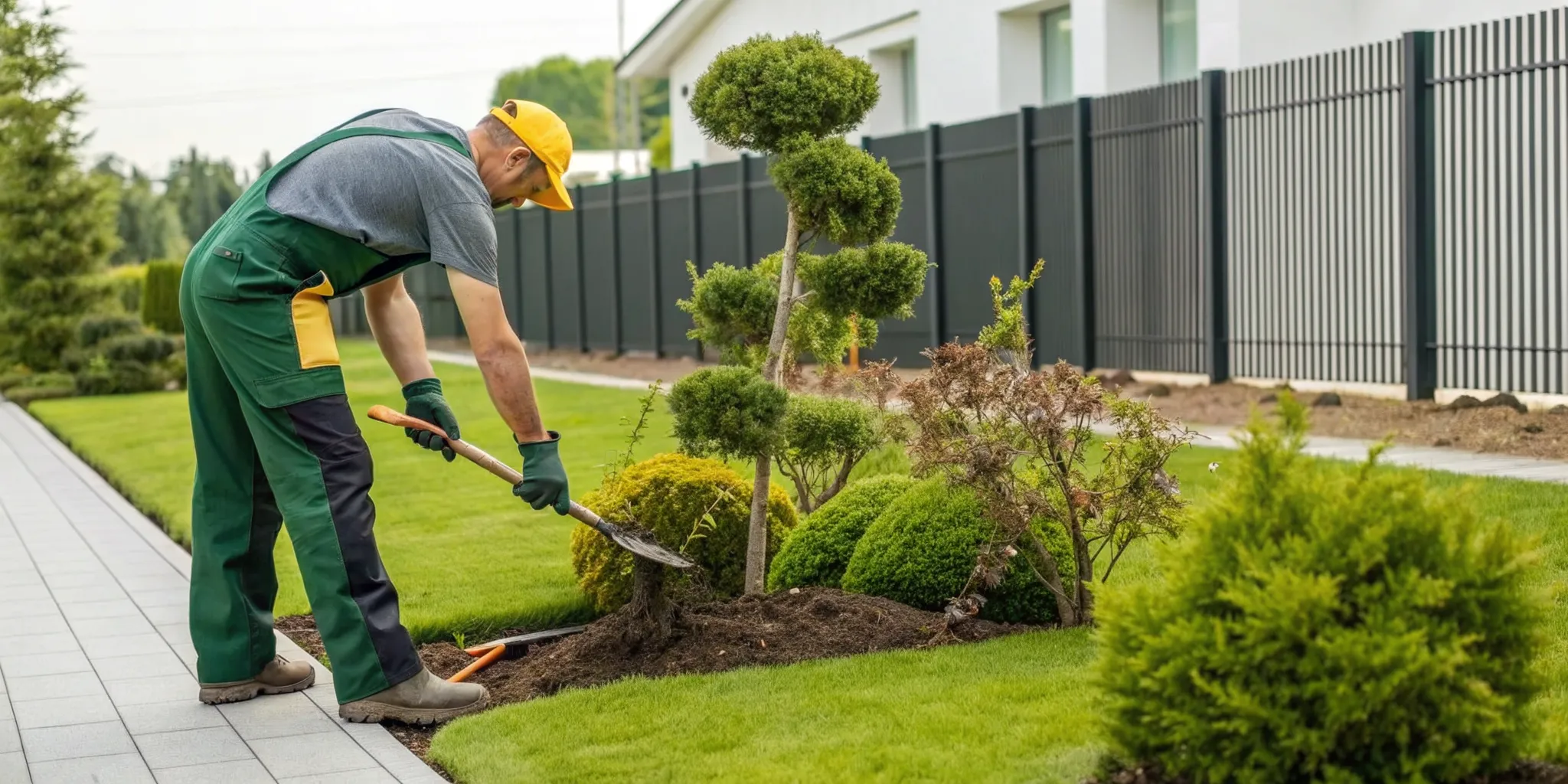
If you’ve decided to remove the stump manually, your first step is to get a good look at what you’re up against. You need to expose the root system that’s anchoring the stump in the ground. Grab a sturdy shovel or a pickaxe and start digging a trench around the stump, about one to two feet out from its base. Your goal is to clear away enough soil to reveal the thick, primary roots branching out from the stump. As you dig, you’ll likely encounter a web of smaller roots, which you can chop through with your shovel. Keep digging until the main roots are fully exposed and you have enough room to work around them comfortably.
Cut the Main Root Connections
With the main roots exposed, it’s time to sever the stump’s connection to the ground. For smaller roots, a pair of loppers or a sharp pruning saw will work well. For the thicker, more established roots, you might need something with more power, like an axe or a reciprocating saw with a pruning blade. Work your way around the stump, cutting through each major root. Try to cut them as close to the stump as possible. Once you’ve severed all the main anchor roots, you can start to wiggle the stump back and forth. This will help you find any remaining roots you may have missed. Keep cutting until the stump is free.
Decide Between Grinding and Manual Removal
Manual removal is effective, but it’s also hard work and leaves a big hole to fill. An alternative is stump grinding. A stump grinder is a powerful machine that essentially chews the stump and its upper roots into small wood chips, grinding it down below the surface of the soil. You can often rent these machines for smaller projects. Grinding is much faster and less physically demanding than digging, and it allows you to immediately cover the area with soil or mulch. For larger stumps or extensive land clearing projects, a professional team with commercial-grade equipment is your best bet for a clean and complete removal.
How to Prevent Regrowth After Removal
You’ve done the hard work of cutting down an unwanted tree or shrub. The last thing you want is to see stubborn new shoots popping up from the stump or roots a few weeks later. Preventing regrowth is a critical final step to ensure the removal is permanent and your yard stays clear. Taking a few extra measures right after the removal will save you a lot of time and frustration down the road, clearing the way for your next landscaping project.
Apply an Herbicide Correctly
One of the most effective ways to stop regrowth is to apply a stump-killing herbicide. For the best results, you need to treat the stump immediately after making the final cut. The fresh, exposed wood will quickly absorb the product, sending it down to the root system to stop it from sending up new sprouts. Always read and follow the manufacturer’s instructions carefully for proper application and safety. This immediate treatment is key because waiting even a few hours can allow the stump to form a seal, making the herbicide less effective.
Use Physical Barriers to Stop New Growth
If you prefer to avoid chemicals, physical barriers are a great alternative. After removing the stump, you can cover the area to block sunlight, which new shoots need to grow. A simple way to do this is by laying down a thick layer of cardboard or landscape fabric and then covering it with a heavy application of mulch. This not only smothers potential sprouts but also improves the soil over time. You’ll still want to check the area periodically and pull any persistent shoots by hand before they have a chance to get established.
Prepare the Soil for Your Next Project
Once you’re confident the roots won’t be coming back, it’s time to prepare the ground for whatever you have planned next. After digging out the stump and major roots, fill the hole with a mixture of topsoil and compost to replenish nutrients. Pack the soil down firmly to prevent it from settling and creating a dip in your yard later on. Water the area well to help the new soil settle. This step ensures you have a healthy, stable foundation for a new lawn, a garden bed, or any future tree planting you might be planning.
What to Do With the Debris
You’ve done the hard work of cutting down the tree or shrub, but now you’re left with a pile of branches, leaves, and wood. The cleanup can feel like a project in itself, but you have several great options for handling the debris. Instead of just hauling it to the curb, you can repurpose it to benefit your yard or dispose of it responsibly. Thinking through your plan for the debris beforehand makes the final step of your project much smoother. Let’s walk through a few common and effective ways to clear your property.
Turn It Into Mulch or Compost
One of the best ways to handle tree debris is to turn it into mulch. If you have access to a wood chipper, you can break down branches and limbs into valuable wood chips. This fresh mulch can be spread around your garden beds, trees, and shrubs to help retain soil moisture and control weeds. It’s a fantastic way to recycle the material right back into your landscape. We offer professional mulching services to help you create a clean, polished look. Another great option is composting. Smaller twigs, leaves, and green material can be added to your compost pile, where they will break down into nutrient-rich soil for your plants.
Look Up Local Disposal Rules
Before you haul anything to the curb, take a moment to check your local disposal rules. Every town and county in Central Florida has specific guidelines for yard waste. You might need to bundle branches to a certain size, use specific bags, or wait for a designated pickup day. A quick search on your city or county’s website will give you all the details you need. Following these rules is not only considerate to your sanitation workers but also ensures your debris is handled properly. For larger projects, professional land clearing can manage debris removal for you, following all local guidelines.
Understand Burning Regulations
While having a bonfire might seem like a quick way to get rid of debris, it’s not always an option. Burning yard waste is often restricted to protect air quality and prevent accidental fires. Before you even think about striking a match, you must check the local regulations. Your local fire department or county government website will have information on whether burning is allowed, if you need a permit, and what you can and cannot burn. Florida often has burn bans in effect during dry seasons, so it’s critical to stay informed. When dealing with widespread debris after a storm, our storm damage cleanup team can handle the removal safely.
Common Mistakes to Avoid During Removal
Removing a small tree or shrub might seem straightforward, but a few common missteps can turn a simple weekend project into a major headache. Knowing what to watch out for is just as important as knowing the right cutting techniques. From leftover roots causing future problems to the dangers of digging in the wrong spot, these mistakes are easy to make but also easy to avoid with a little planning. By sidestepping these frequent errors, you can ensure your removal project is safe, effective, and leaves your property ready for whatever you have planned next. Let’s walk through the biggest mistakes people make so you can get the job done right.
Leaving Roots Behind
Once the tree or shrub is gone, it’s tempting to call it a day. However, leaving the root system behind is a significant mistake. These leftover roots can continue to sprout, creating an ongoing nuisance in your yard. More importantly, they can get in the way of future projects, preventing new plants from establishing healthy root systems of their own. Thorough land clearing means removing the entire plant, roots and all. Taking the extra time to dig out and remove the main root ball ensures your soil is truly ready for new sod, a garden bed, or another landscape feature.
Using the Wrong Tools for the Job
Tackling a removal project with the wrong equipment can be frustrating and dangerous. While you might be able to hack away at a small tree with a handsaw, it will take far more time and effort than necessary. Using the right tool, like a chainsaw for a tree or a sharp lopper for thick shrub branches, makes the work faster and cleaner. The goal is to work smarter, not harder. If you find yourself struggling with the tools you have on hand, it might be a sign that the job requires more specialized equipment. A professional tree removal service will always have the correct tools for any situation, ensuring an efficient and safe process.
Forgetting to Check for Utility Lines
This is one mistake you absolutely cannot afford to make. Before you put a shovel in the ground, you must check for underground utility lines. Hitting a water pipe, gas line, or electrical cable can lead to serious injury and disruptive outages. The process is simple: just call 811 a few days before you plan to dig. This free service will send someone to mark the location of any buried lines on your property. This step is a non-negotiable part of any project that involves digging, from removing a stubborn root ball to full-scale excavation services. Always prioritize safety and call before you dig.
When to Call a Professional for Tree Removal
Tackling a home improvement project yourself can be incredibly satisfying, but tree removal is one area where it’s crucial to know your limits. While you might be able to handle a very small sapling, most tree removal jobs are best left to the experts. The biggest reason is safety. Making a mistake when felling a tree can lead to serious injury or property damage, which is why it’s often best to hire a professional unless you have significant experience.
So, when should you put down the tools and pick up the phone? A good rule of thumb relates to size. If a tree or shrub’s trunk is wider than about 1.5 inches, it will be very difficult to remove on your own. For any mid- to large-sized trees, a professional tree removal service is a must. They have specialized equipment like bucket trucks and cranes, along with the expertise to safely dismantle a large tree, often piece by piece.
Beyond size, consider the tree’s location. Is it leaning? Is it close to your house, a fence, or power lines? These situations add layers of complexity and risk that require a professional assessment. If you feel at all uncomfortable with the task or lack the proper power tools, that’s another clear sign to call for help. A certified arborist can evaluate the situation, create a safe removal plan, and handle the job efficiently, giving you peace of mind.
Related Articles
- How to Clear Dense Brush: The Ultimate Guide
- Tree Root Removal: A Step-by-Step DIY Guide
- Cutting Lower Branches Off Trees: A Pro’s Guide
- Best Time to Prune Fruit Trees: The Ultimate Guide
Frequently Asked Questions
How can I tell if a tree is really small enough for me to remove on my own? A good rule of thumb is to look at the trunk’s diameter. If it’s only a few inches thick and the tree is shorter than you are, you can likely handle it with basic hand tools. However, you should also consider its location. If it’s growing near your house, a fence, or power lines, it’s always safer to call a professional, no matter the size.
Is there a best time of year to remove unwanted shrubs or trees? You can remove a plant at any time, but many people find it easiest in the late fall or winter. During this dormant season, the leaves are gone, which gives you a much clearer view of the branch structure you’re working with. The ground may also be softer, which can make digging out the roots a little easier.
What should I do if I cut down the tree but can’t get the stump out? First, don’t feel discouraged; stump removal is the toughest part of the job. If you’ve tried digging and cutting the roots without success, your best options are to either rent a stump grinder for the day or call a professional service. Leaving the stump can create a tripping hazard and attract pests, so it’s worth the extra step to finish the job completely.
I’ve heard you can use household products to kill a stump. Is this a good idea? It’s best to avoid using things like salt or bleach to kill a stump. While these might eventually work, they can also poison the surrounding soil for years, making it impossible for anything else to grow in that spot. A targeted herbicide applied directly to the freshly cut stump is a much more effective and contained solution.
Out of all the safety precautions, which one is the most critical? While all safety steps are important, the one you absolutely cannot skip is calling 811 before you dig. It’s a free service that marks the location of underground utility lines. Accidentally hitting a gas, water, or electrical line is incredibly dangerous and can cause major problems for you and your neighbors. Always make the call a few days before you plan to start working.