How to Cut Up a Large Tree Trunk, Step-by-Step
After a storm or a planned removal, you’re often left with the biggest part of the tree: the trunk. Breaking it down into manageable pieces is a serious task that carries real risks if done improperly. The weight of the wood can easily pinch your chainsaw bar, and a wrong move can cause the log to roll unexpectedly. That’s why a methodical approach is so important. We’ve put together a comprehensive guide on how to cut up a large tree trunk, covering the entire process from start to finish. You’ll learn what tools you need, how to avoid dangerous mistakes, and even what to do with the wood once you’re done.
Key Takeaways
- Prepare for a safe cut every time: This means wearing full protective gear from head to toe, clearing your work area of any hazards, and inspecting your chainsaw to ensure it’s in top condition before you start the engine.
- Work with the wood, not against it: To keep your chainsaw from getting stuck, identify the log’s tension and compression points. Use felling wedges to hold the cut open and plan your cuts to release pressure safely, preventing dangerous pinches.
- Recognize when to call for backup: Your safety is the top priority. If a trunk is massive, unstable, or dangerously close to structures, the smartest move is to contact a professional service to ensure the job is done correctly without risk.
What Tools Do You Need to Cut a Large Tree Trunk?
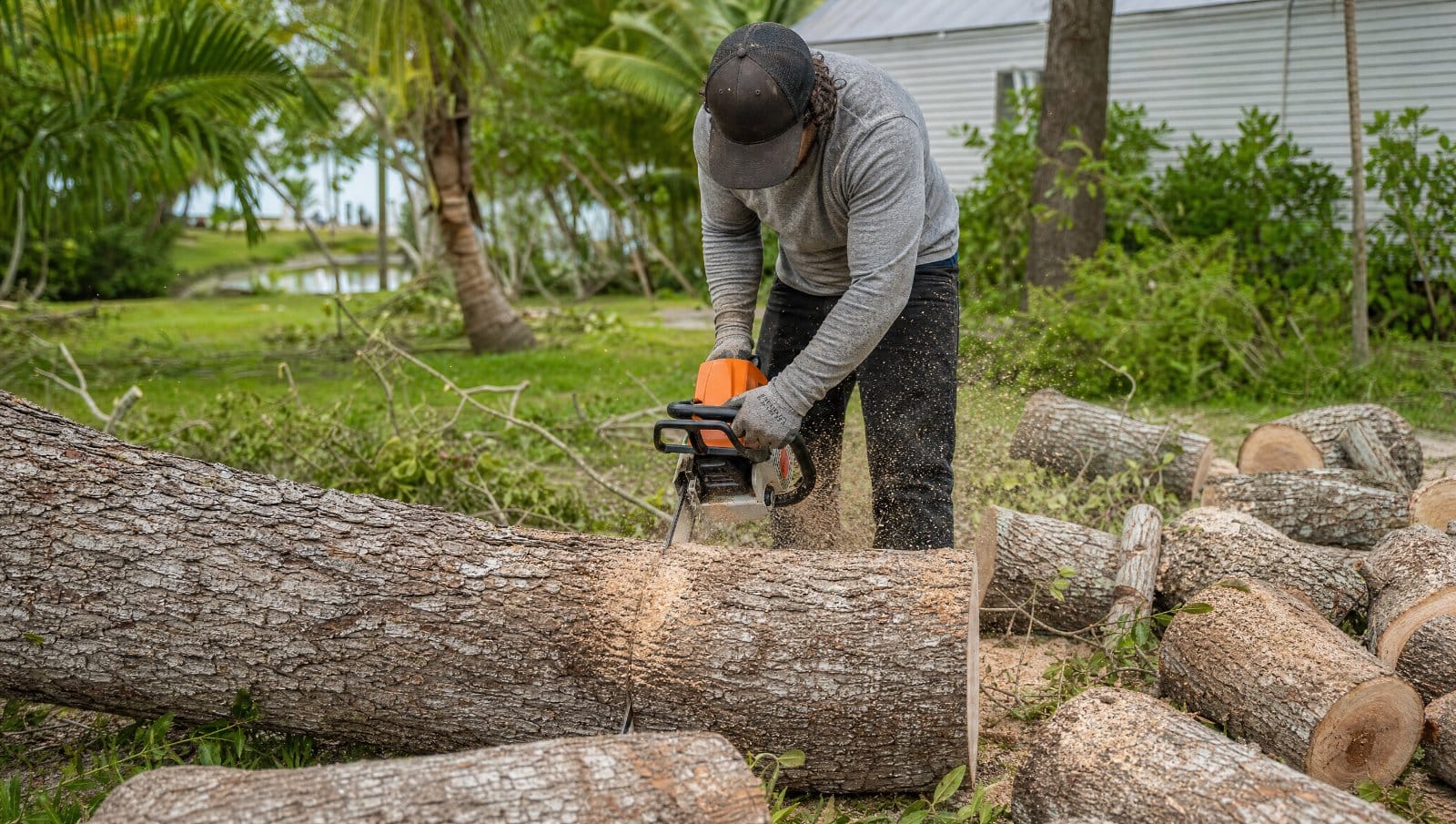
Tackling a large tree trunk is a serious project that demands more than just muscle. Having the right equipment on hand is the first and most important step to ensure the job is done safely and efficiently. The tools you use can make the difference between a smooth process and a frustrating, dangerous ordeal. Before you even think about making the first cut, it’s essential to gather and inspect your gear. This isn’t just about having a chainsaw; it’s about having a complete system of tools and protective equipment designed for heavy-duty work.
When professionals handle a significant tree removal, they arrive with a specific set of tools tailored to the size and condition of the tree. By adopting a similar mindset and preparing properly, you set yourself up for a much safer and more successful outcome. Let’s walk through exactly what you’ll need to have ready.
Choosing the Right Chainsaw and Bar Length
For cutting up a large tree trunk, your standard homeowner chainsaw probably won’t be enough. You need a powerful, gas-engine model with a long enough bar to handle the diameter of the wood. A good rule of thumb is to use a chainsaw with a guide bar that is at least 20 inches long. This length provides the reach needed to cut through thick logs without having to make multiple, awkward passes from different sides.
Look for saws often categorized as “farm and ranch” or professional-grade models. These are built with more powerful engines and durable components designed to handle the strain of cutting dense hardwood. While they can be heavier, their performance and reliability are essential for this kind of demanding work.
Your Essential Safety Gear Checklist
Working with chainsaws, especially on large projects, carries significant risk. That’s why personal protective equipment (PPE) is non-negotiable. Safety should always be your top priority, and the right gear is your first line of defense against injury. Before you start the engine, make sure you are wearing the following from head to toe:
- A hard hat to protect you from falling branches or debris.
- Safety glasses or a full-face shield to guard your eyes against wood chips.
- Hearing protection, like earmuffs or earplugs, to block the loud noise of the chainsaw.
- Chainsaw chaps or pants made from cut-resistant material.
- Steel-toed, non-slip boots for firm footing and foot protection.
- Sturdy work gloves to improve your grip and protect your hands.
Other Helpful Tools and Supplies
Beyond the chainsaw and your safety gear, a few other tools will make the job much easier and safer. Felling wedges are one of the most important. These simple plastic or metal wedges can be tapped into a cut to prevent the weight of the log from pinching your chainsaw bar, which is a common and frustrating problem. They also give you more control over the wood as you work.
It’s also a good idea to have a sturdy axe or splitting maul nearby for smaller limbs or for splitting sections later. For moving and positioning heavy logs, a cant hook or a peavey is invaluable. These tools give you the leverage to roll a massive trunk with minimal strain. Taking the time to gather these supplies will save you a lot of effort once you begin cutting. This level of preparation is standard for any major job, including storm damage cleanup.
How to Prepare for a Safe Cut
Before you even think about starting your chainsaw, taking a moment to prepare is the most important step you’ll take. A safe cut begins with a solid plan: checking your surroundings, wearing the right gear, and making sure your equipment is ready for the job. Rushing this stage can lead to accidents or damage to your property. By focusing on your environment, your personal safety gear, and your tools, you set yourself up for a much smoother and safer process.
Assess the Area Before You Start
First, take a good walk around the tree trunk. Look up, down, and all around for any potential hazards. Are there power lines, buildings, fences, or other structures nearby? Make sure the trunk won’t roll or shift onto anything important once you start cutting. It’s also critical to clear the ground of any tripping hazards like rocks, branches, or tools. You need a clear, unobstructed space to work in. Most importantly, plan your escape route. You should have at least two clear paths to step away quickly if the trunk moves unexpectedly. If the area seems too cluttered or the risks are too high, it might be a sign to call for professional emergency tree removal.
Wear the Proper Protective Equipment
Never underestimate the importance of personal protective equipment (PPE). This isn’t the place to cut corners. Start with sturdy, thick gloves to protect your hands from splinters and cuts. Safety goggles or a full-face shield are non-negotiable to keep flying wood chips and debris out of your eyes. A hard hat is also essential, especially if there are any remaining overhead branches that could fall. Don’t forget about your feet—wear steel-toed boots for protection against rolling logs and the chainsaw itself. Finally, since chainsaws are incredibly loud, use earplugs or earmuffs to protect your hearing. Professional arborist services always prioritize safety, and you should too.
Inspect Your Chainsaw
Your chainsaw is your most important tool for this job, so make sure it’s in top condition before you begin. First, check that the chain is sharp and properly tensioned—a dull or loose chain is dangerous and inefficient. Ensure the saw has enough fuel and bar oil to get through the work. A chainsaw with a 24-inch bar should be sufficient to cut through a trunk up to four feet wide by cutting from both sides. If you anticipate using the tip of the blade frequently, remember to grease the nose sprocket to prevent overheating. Before you start cutting the trunk, do a quick test on a smaller piece of wood to make sure everything is running smoothly. A well-maintained saw is the foundation of any large tree removal project.
How to Cut a Large Tree Trunk, Step by Step
Once a tree is on the ground, the work isn’t over. Sectioning a large trunk, also known as “bucking,” requires a careful, methodical approach to be done safely and efficiently. It’s not just about slicing through the wood; it’s about understanding how the trunk will react to each cut. The goal is to break the trunk down into manageable pieces without letting your chainsaw get pinched or creating a dangerous situation. Before you even start the saw, take a moment to plan your cuts. Think about where the tension is in the wood and how it’s supported by the ground. This foresight is key to a smooth process. Remember, if the trunk is exceptionally large or in an awkward position, professional tree removal is always the safest option.
Making the First Assessment Cut
When a thick trunk is resting on the ground, you need a specific cutting sequence to prevent the log from settling and pinching your saw. Start by making a cut from the top, going about one-third of the way through the trunk. Next, from the side you’re standing on, make another cut about one-third of the way in to meet your first cut. Then, carefully lean over the trunk and cut about a quarter of the way in from the opposite side. To finish, bore the tip of your chainsaw into the lower part of the trunk and saw downwards, being careful not to hit the dirt. Finally, saw upwards from the bottom to meet your top cut, which will allow the section to break away cleanly.
Using the Two-Step Method for Thick Trunks
For especially thick trunks, a simpler two-step method can be very effective. Instead of making multiple complex cuts, you’ll cut straight through from both sides. Start on one side and cut as deep as your chainsaw bar will allow, aiming for the center of the log. Then, move to the other side and make a second cut to meet the first one. The biggest challenge with this method is preventing the weight of the wood from pinching your saw blade. To avoid this, have plastic or wooden wedges handy. As you complete your first cut, tap a wedge into the opening to keep it from closing up as you finish the cut from the other side.
Finding the Right Angle and Stance
Your body position is one of the most critical parts of staying safe while cutting a large trunk. Never stand directly behind the chainsaw or in the direct path of your cut. Logs can shift, roll, or drop unexpectedly as you cut through them. The safest stance is to the side of your cut with your feet planted firmly on the ground, about shoulder-width apart. This gives you a stable base to work from and keeps you out of the “danger zone” if the wood moves. Always pay close attention to how the trunk reacts as you cut. If you ever feel unsure, it’s better to stop and reassess than to risk an accident. For situations that feel too unpredictable, our arborist services team can handle the job with precision.
How to Keep Your Chainsaw from Getting Stuck
There’s nothing more frustrating—or potentially dangerous—than having your chainsaw bar get pinched by the wood you’re cutting. This happens when the weight of the log shifts and closes the cut (the kerf) around your saw, bringing your project to a screeching halt. Fortunately, with a bit of foresight and the right technique, you can prevent your saw from getting stuck. It’s all about understanding the forces at play and using simple tools to your advantage. For massive or unpredictable trees, professional tree removal is always the safest bet, but for manageable logs, these tips will help you cut smoothly.
Using Wedges Correctly
Felling wedges are your best friend when bucking large logs. These simple plastic or wooden tools are designed to keep the cut open as you work. As you make your cut, tap a wedge into the space your chainsaw creates to stop the wood from pinching the bar. If you feel the saw starting to bind, don’t wait. Slide a wedge into the cut just above your saw blade to relieve the pressure. For logs lying on the ground, you can also place smaller logs or shims underneath to slightly elevate the trunk, which helps prevent the cut from closing up as you slice through.
Reading How the Trunk Will Move
Every log has points of tension and compression, and learning to spot them is key. Before you even start your saw, look at how the trunk is supported. Is it resting on both ends, or is it supported in the middle? This will tell you where the wood will pinch (compression) and where it will open up (tension). As you cut, always pay close attention to how the trunk moves or reacts. If you see the cut starting to close, it’s a clear sign of compression. Anticipating these shifts helps you place your wedges correctly and avoid getting your saw stuck in the first place.
Freeing a Stuck Chainsaw Without Damage
If your chainsaw does get stuck, your first instinct might be to yank it out. Resist that urge. Forcing it can bend the bar, damage the chain, or even harm the engine. The best approach is to turn off the saw and assess the situation. Grab a felling wedge and gently tap it into the cut to pry the wood open and release the pressure on the bar. This method carefully frees your saw without causing damage. If the log is under too much tension for a wedge to work, you may need additional tools or professional help to safely resolve the situation.
How to Cut Trunks in Different Positions
Not every tree trunk will lie perfectly for you. Depending on whether it’s flat on the ground, propped up, or under tension, you’ll need to adjust your cutting strategy. Here’s how to handle a few common scenarios safely.
Cutting a Horizontal Trunk on the Ground
When a large trunk is lying completely flat, your main goal is to cut through it without running your chainsaw into the dirt, which dulls the chain instantly. The best approach is to make your cuts in stages. Start by cutting as deep as you can from one side. If you can, carefully roll the log over and make a second cut from the other side to meet the first one. This two-sided method gives you a clean cut and protects your equipment. If the log is too heavy to roll, you can cut down until the body of the chainsaw is flat on the trunk, leaving a small strip of wood at the bottom to finish carefully with the tip of the bar. This is a common task after a tree removal service.
Handling Trunks That Are Raised or Angled
A trunk that’s supported at both ends—like a log bridging a ditch—is under tension. The top fibers are being squeezed together (compression), and the bottom fibers are being pulled apart (tension). If you try to cut straight through from the top, the compression can pinch your chainsaw bar, trapping it in the wood. To avoid this, start with an undercut. From a safe and stable position, cut about one-third of the way up through the bottom of the trunk. This releases the tension. Then, you can make your second cut from the top to meet the first one. The trunk will separate cleanly without binding your saw. This situation is especially common after a storm, where professional storm damage cleanup might be the safest option.
Supporting Heavy Wood During a Cut
Wedges are essential tools for preventing your chainsaw from getting stuck, especially in thick wood. As you cut, the weight of the log can cause the cut (also called the kerf) to close in on your saw bar. To prevent this, make your cut partway through and then pause. Tap a felling wedge into the top of the cut you just made. This holds the cut open, giving your saw room to move freely. If you feel the saw starting to bind as you cut, immediately stop and insert a wedge to relieve the pressure. Using wedges gives you more control and makes the entire process safer, particularly during a large-scale land clearing project where you’re dealing with multiple heavy logs.
Common (and Dangerous) Cutting Mistakes to Avoid
Cutting up a large tree trunk is a satisfying project, but it also comes with serious risks. Even if you have some experience, a moment of inattention can lead to a dangerous situation. Understanding the most common mistakes is the first step toward preventing them. This isn’t about being fearful; it’s about being prepared and respecting the power of your tools. From a hopelessly stuck chainsaw to a violent kickback, most issues are completely avoidable when you know what to look for and adopt a patient, methodical approach. Let’s walk through the biggest mistakes people make and how you can work more safely and effectively.
Preventing Pinches from Improper Support
One of the most frustrating things that can happen while cutting is having the log “pinch” or trap your chainsaw bar. This happens when the weight of the wood shifts and closes the cut you’re making. Think about a log supported at both ends—the top is under compression, and the bottom is under tension. If you try to cut straight through from the top, the cut will squeeze shut on your bar. The reverse is true if the log is only supported in the middle. To avoid this, always assess the forces at play. Make a shallow cut on the compression side first, then complete the cut from the tension side to meet it. This relieves the pressure and allows the wood to separate cleanly.
Understanding and Avoiding Kickback
Kickback is a sudden, violent upward and backward rotation of the chainsaw toward you, and it’s a primary cause of serious injuries. It happens in a split second, usually when the upper quadrant of the bar’s tip—the “kickback zone”—contacts an object or gets pinched in the wood. The best way to prevent kickback is to never saw with the tip of your guide bar. Always use a firm, two-handed grip, and keep your body positioned to the side of the cutting plane, not directly behind it. While modern saws have safety features like chain brakes, your most reliable defense is a safe technique and constant awareness of where the tip of your bar is at all times.
Taking Your Time and Not Rushing
When you’re facing a large pile of wood, it’s tempting to try and get the job done as quickly as possible. But haste and fatigue are a dangerous combination when you’re operating a chainsaw. Large-scale cutting requires a steady, deliberate pace, not speed. Rushing can lead to poor footing, sloppy cuts, and a failure to notice how the trunk is shifting as you work. Plan to tackle the job in manageable chunks and take frequent breaks. If you start to feel tired or frustrated, it’s time to stop for the day. A project that feels too complex or physically demanding is often a sign that it’s time to call for professional arborist services. Knowing your limits is the smartest safety tool you have.
What Should You Do with the Wood?
Once the hard work of cutting the trunk is done, you’re left with a lot of wood. Instead of seeing it as a pile of debris, think of it as a resource. Depending on your needs and the type of wood, you have several great options, from stocking up on firewood for cozy winter nights to enriching your garden. And if you simply want it gone, there are straightforward ways to handle that, too. Let’s walk through what you can do with all that wood.
Preparing and Storing Firewood
If you have a fireplace or a wood-burning stove, turning that trunk into firewood is a fantastic choice. But you can’t just toss it straight into the fire. The key is to “season” the wood, which just means letting it dry out properly. To do this, you’ll want to split the logs and stack them in a way that allows for plenty of airflow. A well-seasoned piece of wood should have a moisture content below 20%. This makes it burn more efficiently and reduces the buildup of creosote in your chimney.
When you’re ready to store it, pick a dry, well-ventilated spot. It’s best to keep the wood off the ground on a rack or pallet and cover the top to protect it from rain.
Creating Your Own Mulch or Compost
Don’t overlook the smaller branches and wood chips! These can be turned into nutrient-rich mulch for your garden beds. Mulch is a gardener’s best friend—it helps the soil retain moisture, keeps weeds from popping up, and regulates soil temperature. If you have a wood chipper, you can create your own mulch in an afternoon. Spreading a layer around your plants can make a huge difference in their health and reduce your watering duties.
If you don’t have enough wood for a full mulch project or prefer a professional touch, you can always explore mulching services to get your garden beds looking neat and tidy.
Methods for Wood Disposal and Removal
Maybe you don’t have a use for the wood, and that’s perfectly fine. If you just want the logs gone, you have a few options. First, check with your local waste management service to see if they have a program for wood or yard waste pickup. Sometimes, local community gardens or woodworking groups will happily take usable wood off your hands.
If the logs are too large and heavy to move on your own, the safest and easiest solution is to call in a professional. A team with the right equipment can handle the heavy lifting for you. Services that specialize in tree removal can quickly and efficiently clear the wood from your property, leaving you with a clean, open space.
The Final Cleanup and Tool Care
Once the last cut is made, the job isn’t quite over. The final, crucial steps involve cleaning up your tools and the site itself. Properly caring for your equipment ensures it’s ready for the next project, while a thorough site cleanup leaves your property safe and tidy. This last phase is just as important as the cutting process, turning a demanding task into a successfully completed project. It’s your chance to restore order to your yard and make sure your tools are protected for the long haul. Taking a little extra time here will save you headaches later and leave you with a space you can be proud of.
How to Clean and Store Your Chainsaw
Your chainsaw did the heavy lifting, so it’s important to give it some attention before storing it. Start by brushing off sawdust and debris from the casing, chain, and bar. Think of your chains as wear items; it’s often more practical to replace a dull or damaged one than to spend a lot of time sharpening it. A great tip is to keep an older, “sacrificial” chain for cuts close to the ground where you might hit dirt. This protects your best chain from unnecessary damage. After cleaning, check your fuel and bar oil levels and store the saw in a dry, secure place. Consistent maintenance is key to performance and longevity, but if you ever have questions, professional arborist services can offer expert advice.
Managing Debris and Tidying the Site
With the trunk cut up, it’s time to manage the leftover mess. Begin by raking up all the small branches, leaves, and twigs to clear the ground. For the larger pieces of wood, you have several useful options. You can create your own mulch for garden beds, season suitable logs for firewood, or add leaves and brush to a compost pile. If the stump remains, you can use a grinder to wear it down or dig it out by hand. A large tree can create a surprising amount of debris, and clearing it all can be a big job in itself. When the cleanup feels like too much to handle, a storm damage cleanup team can efficiently restore your yard.
When Is It Time to Call a Professional?
Tackling a big project yourself can be incredibly rewarding, but it’s also important to know when a job is better left to the experts. When it comes to cutting up a large tree trunk, the stakes are high. A single miscalculation can lead to serious injury or damage to your property. Safety should always be your top priority, and there’s no shame in calling for backup when you’re facing a task that requires specialized skills and heavy-duty equipment. This is especially true for the large, unpredictable trees we see here in Central Florida.
Hiring a professional isn’t about giving up; it’s about making a smart, safe decision. A trained team has the experience to assess the situation accurately, anticipate how the wood will behave, and manage the entire process from the first cut to the final cleanup. They can handle complex situations, like trunks near buildings or power lines, with a level of precision that comes from years of on-the-job training. By bringing in a professional service, you’re not just getting the job done—you’re ensuring it’s done right, without putting yourself or your home at risk. They bring the right tools for the job, eliminating the guesswork and potential for costly mistakes.
Signs a Job Is Too Complex for DIY
That gut feeling telling you a project might be too much? It’s usually right. If the tree trunk is exceptionally large, unstable, or positioned awkwardly near your home, fence, or utility lines, it’s a clear sign to pause. These situations require a strategic approach to prevent property damage. You should also consider your equipment. If your chainsaw feels underpowered for the task or you lack the necessary wedges and support tools, it’s safer to step back. Ultimately, any hesitation or uncertainty about your ability to safely complete the tree removal is the most important indicator that it’s time to call a professional.
How DEANGELOS LAND SERVICES Can Help
When a DIY project turns into a major challenge, our team is ready to step in. We have the professional-grade equipment and hands-on experience to handle even the most difficult tree trunks safely and efficiently. Our skilled crew understands the physics of large wood and can dismantle and remove it without risk to your property. We offer comprehensive arborist services, which means we don’t just cut—we assess the health and stability of the tree to determine the best course of action. From initial evaluation to hauling away the last piece of debris, we manage the entire process so you don’t have to.
Related Articles
- Tree Root Removal: A Step-by-Step DIY Guide
- Best Time to Prune Fruit Trees: The Ultimate Guide
- Dead Tree Removal: A Homeowner’s Safety Guide
Frequently Asked Questions
My chainsaw bar isn’t long enough to cut through the trunk in one pass. What should I do? This is a very common situation. You can safely cut a trunk that’s nearly twice the diameter of your chainsaw bar by cutting from both sides. Start by making your first cut as deep as you can from one side. Then, move to the opposite side and make a second cut to meet the first. The key to making this work is to use wedges. After your first cut is deep enough, tap a wedge into the opening to prevent the weight of the log from pinching your bar as you finish the job from the other side.
You mentioned kickback. What’s the single best way to avoid it? The most effective way to prevent kickback is to never saw with the tip of your guide bar, specifically the upper quadrant of the tip. This area is known as the kickback zone, and when it makes contact with wood, it can cause the saw to jolt violently back at you. Always maintain a firm, two-handed grip and be constantly aware of where the tip of your bar is. A proper stance, with your body to the side of the saw rather than directly behind it, also gives you more control and a safer path of retreat.
What’s the most common mistake people make when cutting a large trunk? The biggest mistake is failing to correctly read the tension and compression in the wood before starting a cut. People often just start sawing from the top without considering how the log is supported. If a log is propped up on both ends, the top is under compression and will pinch your saw. If it’s supported in the middle, the bottom is under compression. Taking a moment to assess these forces and cutting the compression side first will prevent your saw from getting stuck and make the entire process much safer.
How can I tell if the wood is good for firewood? Most hardwoods, like oak, make excellent firewood because they burn long and hot. Softwoods, like pine, burn very quickly and can create a lot of creosote buildup in a chimney. Regardless of the type, the most important factor is that the wood is properly seasoned, meaning it has been split and left to dry for at least six months to a year. You’ll know wood is ready when it feels lighter than you’d expect, sounds hollow when you knock two pieces together, and has visible cracks on the ends.
Besides the size of the trunk, what are other signs I should call a professional? The location of the trunk is a major factor. If it’s on a steep slope, near your house, or close to power lines, the risks increase significantly. Another sign is instability; if the trunk looks like it could roll or shift unexpectedly once you start cutting, it’s best to let an expert handle it. Finally, trust your gut. If you feel uncertain or the project just seems too overwhelming, that’s the clearest sign it’s time to call for professional help.