How to Get Rid of Tree Roots Sticking Out of the Ground
Exposed tree roots can be more than just a nuisance; they can be a genuine threat to your property. When you see them lifting pavers, cracking your driveway, or creeping dangerously close to your home’s foundation, you know you have to act. The urgent question becomes how to get rid of tree roots sticking out of the ground before they cause serious, long-term damage. The solution requires a careful strategy to protect both your property and the tree itself. In this guide, we’ll explore the best methods for handling these powerful roots, from installing root barriers to knowing when a full tree removal is the only safe option to preserve the integrity of your home and hardscaping.
Key Takeaways
- Figure Out Why Roots Are Showing: Before you act, determine if the cause is soil erosion, compacted ground, or a lack of space. This helps you find a real solution that benefits the tree, not just a quick fix for the surface roots.
- Choose Mulch Over a Saw: Cutting large roots can be a critical mistake for your tree’s health. A safer and healthier approach is to apply a 2- to 4-inch layer of mulch, which hides the roots, protects them from damage, and enriches the soil.
- Leave Large Roots to the Professionals: If roots are thick, close to the trunk, or damaging property like your foundation, it’s time to call an expert. A certified arborist has the knowledge to handle the situation safely without risking your tree’s stability or your home’s structure.
Why Are My Tree Roots Showing?
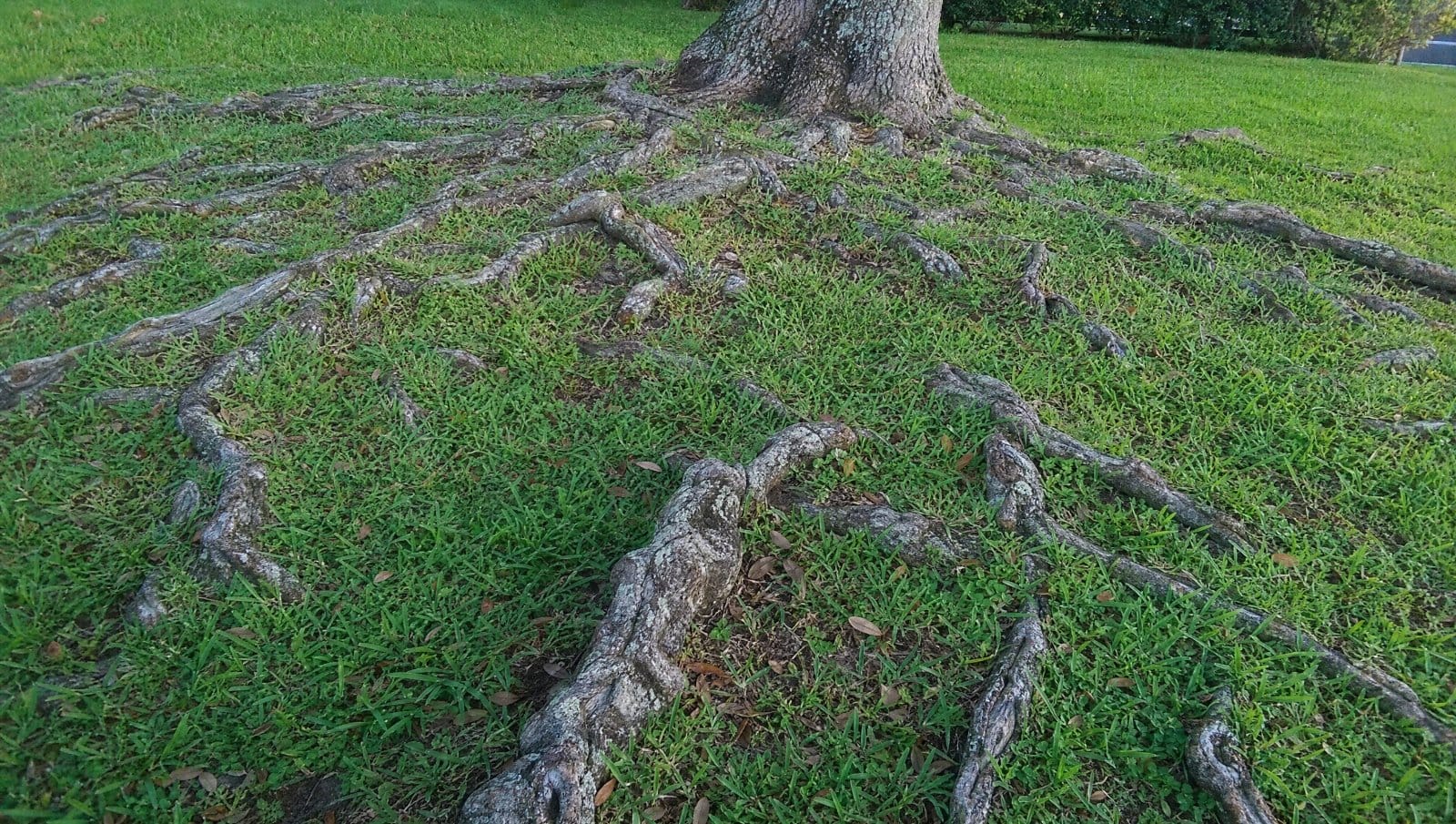
Have you ever looked out at your yard and noticed tree roots creeping up above the ground? It’s a common sight, but it often leaves property owners wondering what’s going on beneath the surface. Seeing those woody roots snake across your lawn can be a little concerning, especially if they start lifting sidewalks or creating tripping hazards. The good news is that it’s usually a sign of your tree responding to its environment.
Several factors can cause tree roots to become visible. Sometimes it’s a simple matter of the tree getting older and bigger, but other times it can point to issues with your soil or the tree’s location. Understanding the root cause (pun intended!) is the first step in figuring out the best way to handle them without harming your tree. Let’s walk through the three most common reasons your tree’s roots are making an appearance.
Soil Erosion and Compacted Ground
One of the most frequent culprits behind exposed roots is soil erosion. Here in Florida, heavy rains can easily wash away the top layer of soil, gradually revealing the root system that was once comfortably underground. Wind and general water runoff can also contribute to this process over time. Another related issue is soil compaction. When the ground becomes too dense, roots struggle to get the oxygen and water they need. To compensate, they start growing upward toward the surface where resources are more plentiful. Proper landscape drainage can help manage water runoff and prevent the soil from washing away.
Your Tree’s Natural Growth
Sometimes, exposed roots aren’t a sign of a problem at all—they’re just a sign of a healthy, maturing tree. Just as a tree’s trunk grows wider each year, its major roots also thicken and expand. As they increase in diameter, they can naturally push up through the soil and become visible. This is especially common with older, well-established trees. While it’s a normal part of the growth cycle, these surface roots can still pose challenges for mowing and foot traffic. A consultation with a certified arborist can help you understand your tree’s specific growth patterns and needs.
Not Enough Room to Grow
A tree’s location plays a huge role in how its root system develops. When a tree is planted too close to a sidewalk, driveway, or building foundation, its roots have nowhere to go but up. The hard surfaces create an impassable barrier, forcing the roots to grow toward the surface in search of space, water, and nutrients. Some tree species are also naturally inclined to have shallow root systems, making them more likely to show surface roots regardless of where they’re planted. This is why strategic tree planting is so important for long-term property safety and tree health.
Are Exposed Tree Roots a Problem?
While a majestic, mature tree is a beautiful asset, its exposed roots can be more than just an eyesore. They can pose real problems for your property and your family’s safety. When roots start creeping above the ground, they can create tripping hazards, damage your hardscaping, and even signal that your tree is in distress.
Ignoring them isn’t the best strategy, but neither is grabbing a saw and taking matters into your own hands. Understanding the specific issues these roots can cause is the first step toward finding a solution that keeps your yard safe, your property intact, and your tree healthy. From simple annoyances like difficulty mowing the lawn to serious structural damage, surface roots are definitely something you’ll want to address.
Tripping Hazards and Safety Risks
One of the most immediate issues with exposed tree roots is that they create significant tripping hazards. A relaxing walk through your yard can quickly turn into a stumble or fall, which is especially dangerous for children playing or for older family members and guests. These uneven surfaces also make routine yard work a challenge. Trying to mow over a network of bumpy roots can damage your lawnmower and create an unsafe situation. What starts as a minor inconvenience can easily become a genuine safety risk that needs a proper solution.
Damage to Patios, Driveways, and Foundations
Tree roots are incredibly powerful and persistent. As they grow and thicken, they can exert immense pressure on anything in their path. This means your concrete sidewalks, asphalt driveway, and stone patios are all at risk. You might notice cracks at first, but over time, roots can cause surfaces to buckle and lift, creating uneven and broken hardscaping. In more serious cases, aggressive root systems can even work their way toward your home’s foundation, leading to cracks and potential structural damage that is complex to address.
Risks to Your Tree’s Health
It’s tempting to think that cutting away the problem roots is the easiest fix, but this can be a critical mistake. A tree’s roots are its lifeline, responsible for absorbing water and essential nutrients from the soil. They also act as an anchor, providing stability against strong winds. Cutting large roots can severely stress or even kill the tree by cutting off its food supply. It can also make the tree unstable and more likely to fall during a storm. A certified arborist can help you determine which roots, if any, can be safely removed without compromising the tree’s health and stability.
How to Safely Remove Small Surface Roots
If you’re dealing with a few small, pesky roots snaking across your lawn, you can often handle them yourself with the right tools and technique. This approach is best for smaller, secondary roots that are less than two inches in diameter. Tackling these can make mowing easier, clean up your landscape’s appearance, and get rid of tripping hazards. For anything larger, more complex, or closer to the tree’s trunk, it’s always best to get a professional opinion. Attempting to cut major structural roots can seriously harm your tree. But for minor root removal, here’s how you can get the job done safely and effectively.
Gather Your Tools
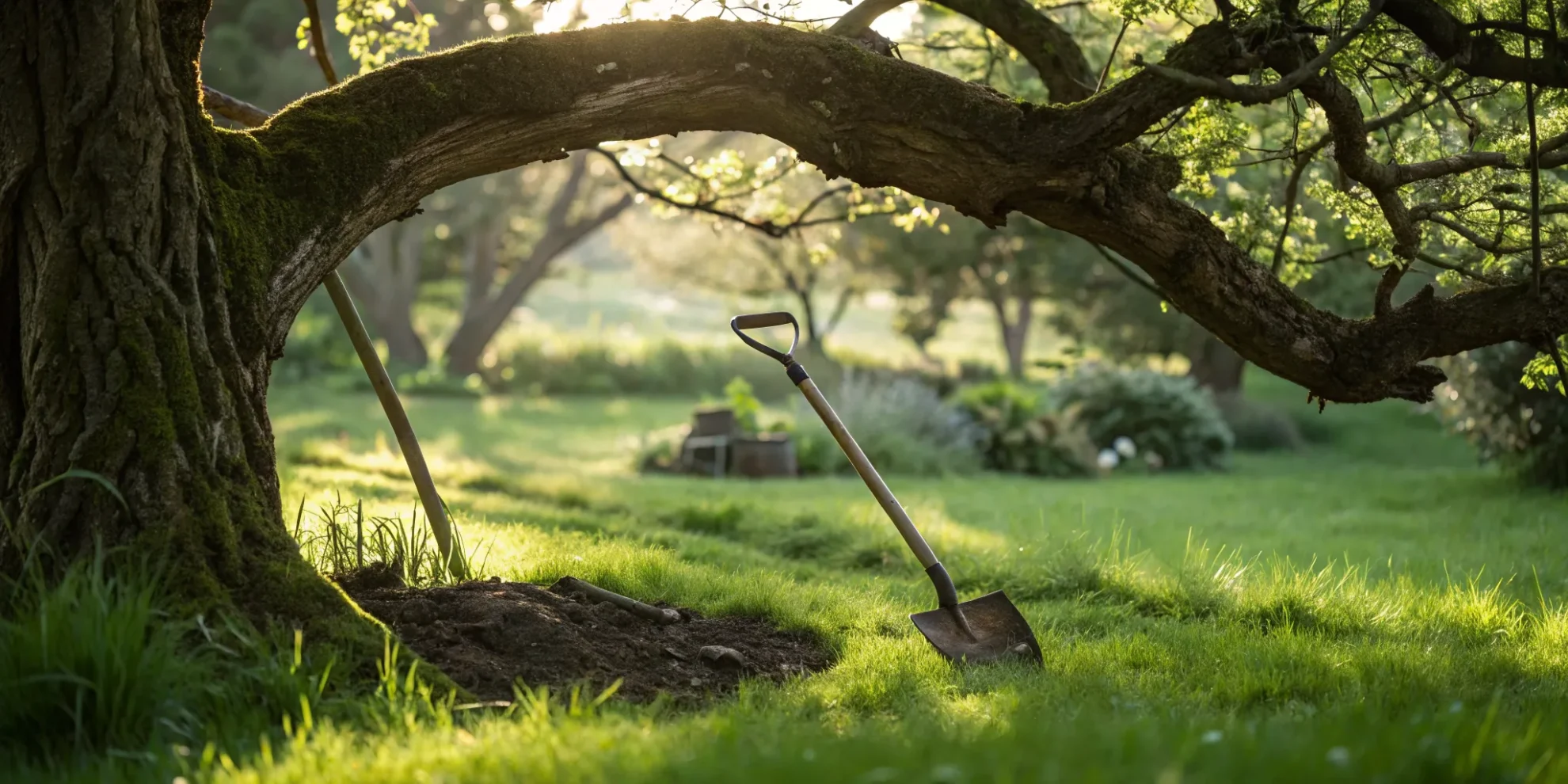
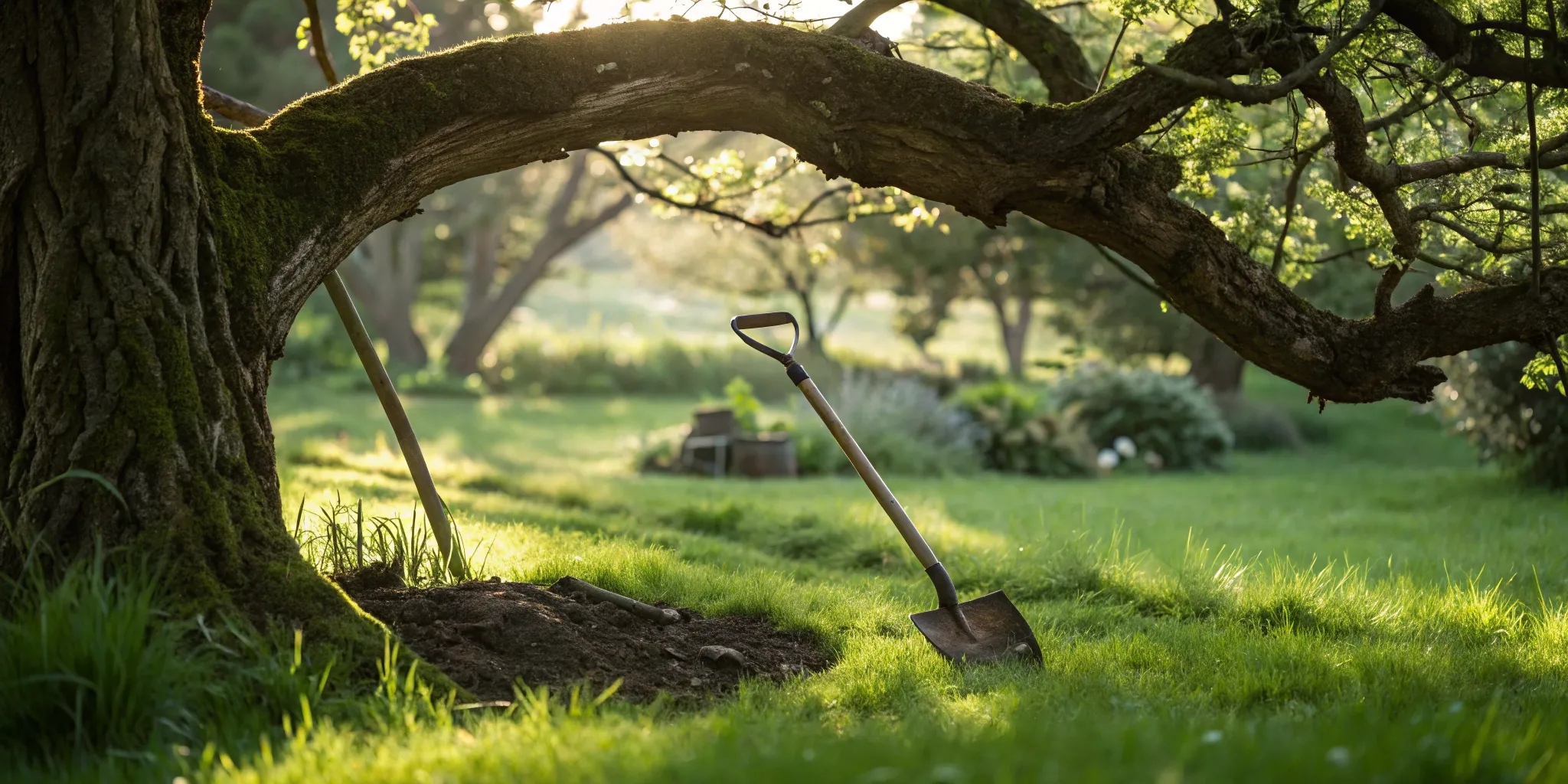
Before you start digging, gathering the right equipment will make the job much smoother and safer for both you and your tree. You’ll want a sturdy spade or shovel to carefully dig around the root and expose it without causing damage. For the actual cutting, a sharp pair of loppers or a dedicated root saw will give you a clean, precise cut that helps the tree heal faster. A grub hoe can also be a lifesaver for clearing away stubborn soil and smaller, fibrous rootlets. Having these tools ready means you can work efficiently and avoid hacking at the root, which can introduce disease.
A Step-by-Step Guide to Cutting Roots
Once you have your tools, you can get to work. Just follow these simple steps to remove the root without causing unnecessary stress to the tree.
- Expose the root. Use your spade to carefully dig out the soil around the root you want to remove. Clear enough space so you have a good view and plenty of room to make a clean cut on either side of the section you’re taking out.
- Cut cleanly. Take your loppers or root saw and make a sharp, decisive cut. A clean cut minimizes the risk of disease and helps the tree compartmentalize the wound. This principle is just as important for roots as it is for professional tree trimming.
- Remove the section. Gently pull the severed piece of root out of the ground. It should come loose without too much resistance. If it’s stuck, you may need to clear more soil around it.
Clean Up Afterward
After you’ve removed the root, the final step is to clean up the area properly. Take the soil you dug up earlier and use it to fill the trench you created. Don’t leave the hole open, as it can be a hazard and lead to soil erosion. Pat the soil down gently to eliminate large air pockets, but avoid compacting it too tightly, which can prevent water and nutrients from reaching other roots. Over time, the ground will settle, and your lawn can begin to grow back over the spot, leaving your yard looking neat and tidy.
How Should You Handle Large, Structural Roots?
While snipping a few small surface roots is one thing, tackling the large, structural roots is a completely different challenge. These thick, woody roots are the tree’s anchor and primary source of nutrients. Cutting them without a clear plan can seriously damage your tree’s health and stability. Before you grab a saw, it’s crucial to understand the risks and consider a more strategic approach.
Know When to Prune (and When Not To)
Think of a tree’s large roots as its foundation. Hacking away at them can create major problems, from making the tree unstable to cutting off its life support. A general rule of thumb is to avoid cutting any root that is close to the trunk. If you must cut, focus on roots that are farther away and ensure the total root loss is minimal. Cutting even one major root can stress the tree, leaving it vulnerable to disease and decline. When in doubt, it’s always best to leave the pruning to someone who understands tree biology and can assess the potential impact.
Why Professional Pruning Matters
When large roots start cracking your driveway or creating a serious tripping hazard, it’s time to call in an expert. A certified arborist can properly diagnose the situation. They have the training to determine if a root can be safely pruned without compromising the tree’s health or if the tree itself has become a liability. Attempting this on your own can lead to unintended consequences, like a weakened tree that could fall in the next big storm. Professional arborist services provide the expertise needed to make the right call, protecting both your property and your tree.
Install a Root Barrier
If you want to stop invasive roots without harming the tree, a root barrier can be an effective solution. These barriers, typically made of plastic or metal, are installed vertically in the ground to redirect roots away from structures like foundations, patios, and sidewalks. Installing a root barrier involves digging a deep trench alongside the area you want to protect. This can be a labor-intensive project that requires careful planning to avoid damaging existing utility lines or the tree’s critical root zone. For a clean and effective installation, professional excavation services can ensure the job is done right.
Should You Cut Exposed Roots or Cover Them?
When you’re staring at a web of exposed tree roots, it’s tempting to find the quickest fix. The big question is whether to cut them out or cover them up. The answer really depends on the specific situation, but your tree’s long-term health should always be the deciding factor. Cutting a root is a permanent action that can have serious consequences, while covering them is a less invasive approach that can solve the problem without harming the tree.
Making the wrong move can stress your tree, making it vulnerable to disease or even causing it to die. Before you reach for a saw or a shovel, it’s important to understand the potential outcomes of each choice. We’ll walk through when it might be okay to cut a root, the best way to cover them, and a common covering method you should absolutely avoid. This will help you make a smart, informed decision that keeps your yard safe and your trees healthy for years to come.
Decide if Cutting is the Right Choice
So, should you just grab a saw and remove the offending root? In most cases, the answer is no. Cutting into a tree’s root system can be incredibly stressful for the tree. Roots are essential for absorbing water and nutrients, and they also anchor the tree firmly in the ground. Removing a large root, especially one close to the trunk, can compromise the tree’s stability and health.
If you must cut a root, only consider doing so if it’s a smaller root located far from the trunk. A general guideline is to avoid cutting any root that is within a radius of five times the trunk’s diameter. Even then, you should aim to remove as little of the root system as possible. If you’re unsure, consulting with professional tree care services is the safest bet to avoid accidentally damaging your tree.
Use Mulch and Ground Cover
If cutting a root seems too risky, you have a fantastic and simple alternative: cover it up. The best way to do this is by applying a layer of organic mulch. A 2- to 4-inch layer of shredded bark or wood chips spread over the exposed roots can solve the problem beautifully. This layer of mulch protects the roots from lawnmower damage and foot traffic, helps the soil retain moisture, and regulates soil temperature.
Over time, the mulch will break down and enrich the soil, creating a healthier environment for your tree. It’s an easy weekend project that not only hides unsightly roots but also improves the overall health of your tree. Our team provides professional mulching services to give your landscape a clean look while protecting your valuable trees.
Can You Just Add More Soil?
It might seem logical to just cover the roots with a fresh layer of topsoil, but this can do more harm than good. Piling soil on top of exposed roots can suffocate them. Tree roots need oxygen to survive, and a thick layer of new soil compacts over time, cutting off that vital air supply. This can lead to a slow decline in the tree’s health.
Adding extra soil can also trap too much moisture around the base of the trunk, creating a perfect environment for fungus, disease, and root rot to set in. Instead of piling on soil, focus on solutions that work with your landscape, like mulching or adjusting your garden design. Proper drainage solutions can also help manage soil levels and prevent the erosion that exposes roots in the first place.
How Much Root Can You Safely Remove?
When you’re dealing with a rogue tree root, it’s tempting to grab a saw and take care of it yourself. But it’s important to remember that a tree’s root system is its lifeline. Cutting too much, or cutting in the wrong place, can seriously damage or even kill a healthy tree. The key is understanding how much is too much and which roots are off-limits. Before you make any cuts, it’s best to have a clear plan that prioritizes your tree’s health. Knowing the basic rules can help you make a smart decision and avoid causing irreversible harm to your landscape’s most valuable assets.
Follow the One-Third Rule
A widely accepted guideline is to never remove more than one-third of a tree’s total root system. However, this is a very general rule, and for most trees, even that is far too aggressive. A more conservative approach is to keep total root loss well under 20%. The location of the root is just as important as its size. Small, fibrous roots far from the trunk are generally less risky to remove. The large, woody roots that flare out from the base of the tree, on the other hand, are critical for stability and nutrient uptake. Cutting even one of these can have serious consequences.
Identify the Tree’s Critical Roots
Think of the large roots near the trunk as the tree’s foundation. These are the critical structural roots that anchor it to the ground and prevent it from toppling over in a storm. Cutting them not only makes the tree unstable but also severs a primary pathway for water and nutrients. This can send the tree into a state of shock and decline. Distinguishing between a minor surface root and a critical structural root requires a trained eye. A professional arborist can assess the root system and identify which ones, if any, can be pruned without compromising the tree’s health and safety.
Watch for Signs of Tree Stress
Even if you follow the rules, root pruning is stressful for a tree. After cutting, keep a close eye on its health for the next few months, or even years. Look for warning signs like yellowing leaves, wilting, a thinning canopy, or dead branches at the top of the tree. These symptoms indicate that the tree is struggling to get enough water and nutrients through its damaged root system. If you notice any of these changes, it’s a clear signal that the tree needs help. Proper tree care services can sometimes help a stressed tree recover, but prevention is always the best strategy.
When Is It Time to Call a Professional?
Sometimes, a DIY approach just won’t cut it—literally. While trimming a few small surface roots might feel manageable, there are definite times when tackling a tree root problem yourself can do more harm than good. Knowing when to step back and call for help is key to protecting both your property and your tree’s health. If you find yourself in one of the following situations, it’s a clear sign that you need a professional’s expertise.
Your Root System Is Too Complex
When you look at the exposed roots, does it seem like a tangled, complicated web? If the roots are large, growing close to the tree’s trunk, or weaving around structures, it’s best to pause. Cutting the wrong root can seriously compromise the tree’s stability and health, turning a simple problem into a major one. A certified arborist can identify which roots are critical and which can be safely pruned without putting the tree at risk. They have the training to assess the entire system and make precise cuts that preserve the tree’s integrity. It’s always better to rely on professional arborist services than to make a guess that could be detrimental.
Roots Are Threatening Your Foundation or Pipes
Few things are more alarming than seeing a thick tree root cracking your driveway, patio, or worse, threatening your home’s foundation. This is more than just a cosmetic issue; it’s a potential structural problem that needs immediate attention. Trying to hack away at these roots on your own can be ineffective and might even damage your property further. A professional team can evaluate the extent of the damage and determine the safest solution. Sometimes, the roots can be removed without harming the tree, but in other cases, a full tree removal might be the only way to protect your home from further harm.
You Have an Emergency Situation
An emergency isn’t always as dramatic as a fallen tree. It can be a large root that has suddenly uplifted a walkway, creating a serious tripping hazard, or a recent storm that has exposed a significant portion of the root system, making the tree unstable. In these moments, quick and correct action is crucial. Attempting to cut large, structural roots yourself is dangerous and can fatally wound the tree, making it even more of a liability. For urgent issues that pose an immediate risk to your property or safety, calling for emergency tree removal ensures the situation is handled swiftly and safely by experts who know exactly what to do.
What Are Some Alternatives to Cutting Roots?
Sometimes, the best solution for exposed tree roots isn’t to remove them but to work with them. Cutting major roots can put your tree under serious stress, making it vulnerable to disease or instability. Before you reach for the saw, consider a few creative landscaping alternatives that can solve the problem while keeping your tree healthy and happy. These approaches focus on integrating the roots into your yard’s design, turning a potential hazard into a beautiful, natural feature.
By rethinking your walkways, adjusting your landscape, or choosing different plants, you can create a safe and attractive space for both your family and your trees. These long-term solutions not only address the immediate issue of exposed roots but also contribute to a more harmonious and sustainable landscape. A professional can help you explore these options and implement a design that works for your specific needs, ensuring the health of your tree is the top priority. Exploring arborist services can provide you with expert guidance on the best path forward for your property.
Design a Root-Friendly Walkway
If tree roots are lifting your sidewalk or creating an uneven path, your first instinct might be to cut them back. A better approach is to adapt the walkway itself. Instead of a rigid concrete path, consider using pavers, flagstone, or gravel, which can be laid around the roots to create a more flexible, natural-looking walkway. This method allows the roots to continue their growth without causing further damage.
Another effective strategy is to install a root barrier. A professional can dig a trench along the walkway and place a physical barrier of plastic or metal to guide roots downward and away from the surface. For more significant root systems, building a small, raised wooden deck or bridge over the exposed area is a beautiful and practical solution. These creative hardscaping services can resolve the tripping hazard while preserving the tree’s integrity.
Modify Your Landscape Design
Integrating exposed roots into your overall landscape design is a fantastic way to handle them. Instead of seeing them as a problem, think of them as a unique feature. You can create a large, mulched bed around the base of the tree, encompassing the entire root zone. This not only covers the roots but also protects them from lawnmowers and foot traffic while helping the soil retain moisture.
When planning for the future, strategic tree planting is key. When adding new trees to your property, make sure you choose a location with plenty of room for them to grow, especially for large species like oaks. Giving a tree enough space from the start prevents its roots from interfering with driveways, foundations, and walkways later on. A thoughtful landscape design considers the long-term growth of every plant.
Choose Different Plants and Ground Covers
The area under a large tree is often shady and dry, making it difficult for grass to thrive. Instead of fighting a losing battle with turf, embrace the conditions by planting shade-tolerant ground covers. Plants like mondo grass, ferns, or ivy can flourish where grass cannot, and their foliage will beautifully conceal any exposed roots. Taller ground covers also create a natural barrier that discourages people from walking on the sensitive root area.
Applying a thick layer of organic mulch is another excellent choice. A two- to four-inch layer of wood chips or pine bark will cover the roots, protect them from temperature extremes, and enrich the soil as it breaks down. Our mulching services can help you create a clean, protective bed around your tree that solves the root problem and looks great.
How to Prevent Exposed Roots in the Future
Dealing with exposed tree roots can be a hassle, but the good news is that you can take steps to prevent them from becoming a problem in the first place. A little planning and proactive care go a long way in keeping your landscape safe and your trees healthy. By creating the right environment from the start, you encourage roots to grow down into the soil where they belong, rather than up toward the surface. This not only protects your property and prevents tripping hazards but also supports the long-term health and stability of your trees. Here are a few key strategies to keep in mind for a root-problem-free yard.
Plant Your Trees in the Right Spot
Your best defense against future root problems is smart planning. When adding new trees to your landscape, think about their mature size. A tiny sapling can grow into a massive tree with an equally extensive root system. Planting large species like oaks or maples too close to driveways, sidewalks, or your home’s foundation is a recipe for trouble down the road. Proper tree planting involves giving each tree plenty of space for its roots to spread out naturally underground. When roots have room to grow without obstruction, they are far less likely to be forced to the surface in search of space.
Manage Your Soil and Drainage
Healthy soil is the foundation of a healthy tree. Roots come to the surface when the soil below is too compacted, lacks nutrients, or holds too much water. Compacted soil makes it difficult for roots to penetrate deep, so they spread out horizontally just below the surface. Similarly, poor drainage can suffocate roots, forcing them to grow upward in search of oxygen. Understanding your soil’s composition and ensuring it has the right moisture and nutrients is crucial. If you notice water pooling around your trees after it rains, you may need to improve your yard’s landscape drainage to create a better environment for deep root growth.
Keep Up with Regular Maintenance
Consistent care can make a huge difference in preventing exposed roots. One of the simplest and most effective practices is applying a layer of organic mulch around the base of your trees. A good mulching layer helps retain soil moisture, regulates soil temperature, and reduces soil compaction from foot traffic, all of which encourage roots to stay deeper in the ground. Avoid piling mulch directly against the trunk, as this can cause other issues. Planting a suitable ground cover around the tree can also help prevent the soil erosion that often exposes shallow roots over time, creating a healthier and more stable environment for your entire landscape.
Related Articles
Frequently Asked Questions
What if my exposed roots aren’t causing any problems? Can I just leave them alone? If the roots aren’t creating a tripping hazard, damaging your lawnmower, or pushing up against any structures, you can often leave them be. However, keep in mind that exposed roots are more vulnerable to damage from foot traffic and yard equipment. It’s a good idea to keep an eye on them, and consider adding a layer of mulch to protect them and prevent future soil erosion around the tree.
Are certain types of trees more likely to have surface roots? Yes, absolutely. Some tree species are naturally prone to developing shallow root systems. Trees like maples, poplars, and willows are well-known for having roots that creep along the surface. When planning your landscape, choosing a tree with a naturally deep root system, like an oak or a pine, can help you avoid this issue in areas near sidewalks and driveways.
I want to cover the roots with mulch. How often will I need to reapply it? Using an organic mulch like wood chips or shredded bark is a great solution, but it does break down over time and enrich the soil. You should plan to check the depth once a year, typically in the spring. If the layer has thinned out to less than two inches, it’s time to add a fresh layer to maintain that protective cushion for the roots.
How can I tell if a root is a major structural root that I shouldn’t touch? A good rule of thumb is to look at the root’s size and its proximity to the trunk. The large, woody roots that flare out directly from the base of the tree are its primary anchors and should always be left alone. Any root that is more than a couple of inches in diameter, especially if it’s close to the trunk, is likely critical to the tree’s health and stability.
If I cut a small root, will it just grow back in the same spot? A root that has been properly cut and removed won’t grow back from the severed end. However, the tree may respond to the stress of being cut by sending out new, smaller roots from other parts of the system nearby. This is why cutting is often a temporary fix and why addressing the underlying cause, like compacted soil, is a more effective long-term strategy.