
4 French Drain Exit Point Options to Consider
If you live in Central Florida, you know the struggle of a yard that turns into a swamp after a heavy downpour. A French drain is often the perfect answer, but installing one raises a crucial question: where does all that water actually go? The answer lies in the french drain exit point, the spot where the system releases the water it has collected. Choosing the right location is just as important as digging the trench itself. A poorly placed exit can create a new muddy mess, cause soil erosion, or even create drainage problems for your neighbors, turning your smart solution into a brand-new headache.
Key Takeaways
- A Poor Exit Point Defeats the Purpose: Your entire French drain system will fail if the collected water has nowhere to go. The success of your project hinges on choosing a discharge location that safely moves water away from your property for good.
- Your Yard Dictates the Best Exit Strategy: There’s no one-size-fits-all solution. Whether you daylight a pipe on a slope, install a pop-up emitter, or create a dry well depends entirely on your property’s unique grade, soil type, and layout.
- Proactive Checks Prevent Major Backups: A French drain isn’t a “set it and forget it” feature. Simple, seasonal inspections to clear debris from the exit point are essential to keep water flowing freely and prevent the system from clogging during Florida’s rainy season.
What’s a French Drain Exit Point (And Why It’s So Important)
Think of a French drain as a hidden underground river designed to protect your property. It collects excess groundwater and surface water, channeling it away from your home’s foundation, your lawn, and your landscape beds. But where does all that water go? That’s where the exit point comes in. The
Choosing the right exit point is the most critical step in designing an effective drainage solution. If the water has nowhere to go, the pipe will simply fill up, back up, and fail. A well-placed exit ensures your yard stays dry and your foundation remains secure, making it the unsung hero of your entire drainage system.
Why Every Drainage System Needs a Clear Exit
A French drain without a clear exit is like a highway with no off-ramp. The water will just sit in the pipe, turning your expensive drainage system into an underground storage tank. Eventually, the saturated soil around the pipe will be unable to absorb any more moisture, and you’ll be right back where you started: with a soggy, flooded yard.
According to the experts at Angi, a French drain’s exit point should be in a dry area that can handle the runoff without causing erosion or flooding someone else’s property. The goal is to direct water away from problem areas and release it where it won’t cause any harm.
How Gravity Does All the Work
The beauty of a French drain is its simplicity. There are no pumps or complicated mechanical parts to worry about. The entire system works on one reliable, natural principle: gravity. The trench and perforated pipe are installed with a slight, consistent downward slope, typically about a 1% grade, or one inch of drop for every eight feet of pipe.
This gentle slope is all that’s needed to keep the water moving. As water enters the pipe, gravity pulls it along the path of least resistance toward the lower-elevation exit point. This natural flow is what makes French drains such a dependable and low-maintenance way to manage water issues on your property.
Where Should Your French Drain End?
A French drain is a fantastic tool for redirecting water, but its success hinges on one critical question: where does the water go? The exit point, or termination point, is where your entire system releases the water it has collected. Choosing the right spot is just as important as digging the trench itself. A poorly planned exit can turn your solution into a new problem, creating a swampy patch elsewhere in your yard, causing erosion, or even creating issues for your neighbors. The goal is to move water from a soggy, problematic area to a location where it can be safely and effectively dispersed.
Think of it as giving the water a safe final destination. You want to guide it away from your home’s foundation, your patio, and other structures you want to keep dry. The ideal endpoint allows water to drain away naturally, without causing pooling or washing away your soil. Before you decide on a final spot, you need to consider your yard’s layout, your property lines, and any local regulations. Planning this carefully ensures your investment in a landscape drainage solution pays off for years to come and protects your property’s value.
Find a Sunny, Grassy Slope
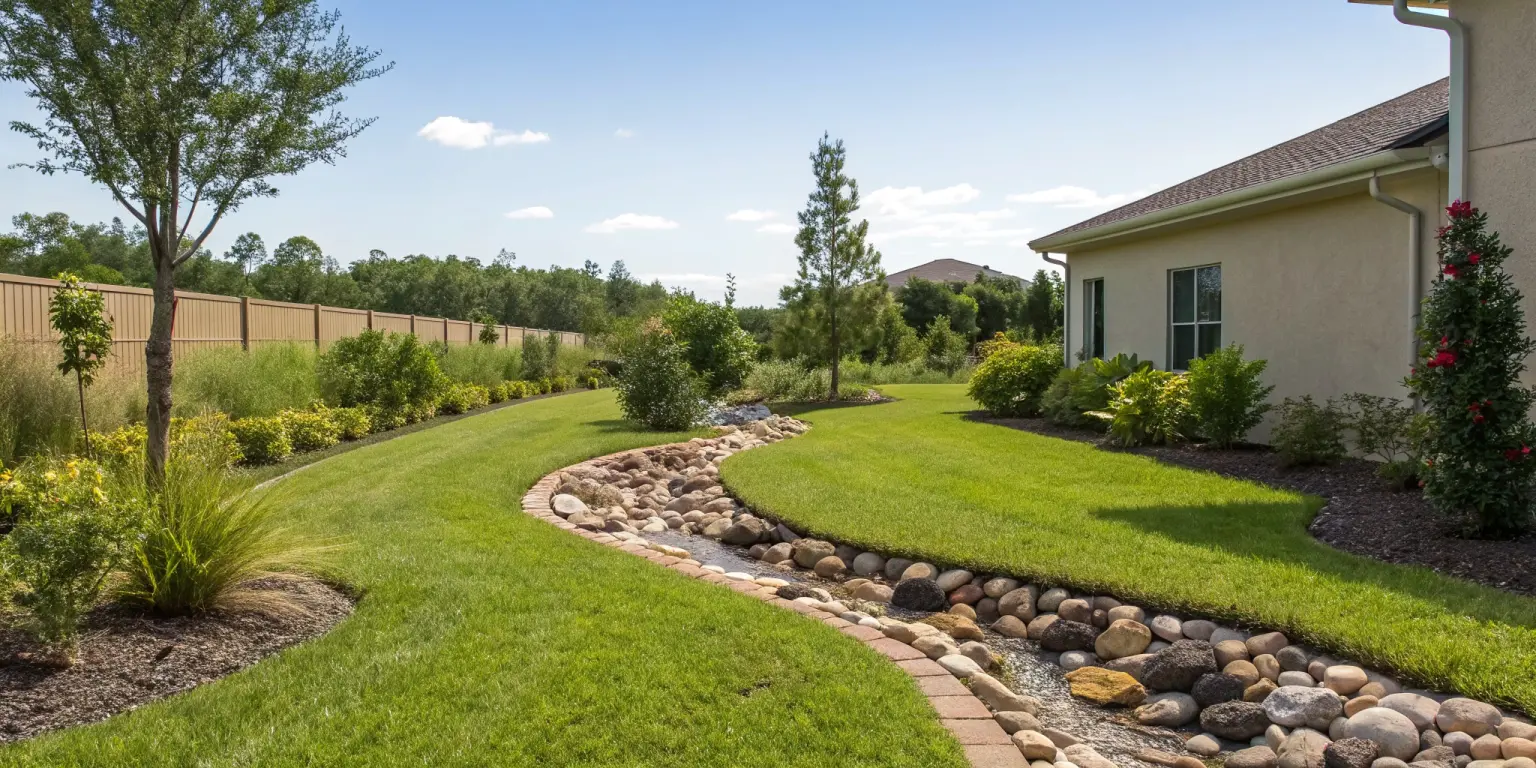
The best-case scenario for a French drain exit point is a sunny, grassy slope on your property. This type of location works with nature to handle the excess water. The downward slope uses gravity to keep the water moving away from the drain’s opening, preventing it from backing up into the pipe. The sunlight helps the discharged water evaporate more quickly, while the grass and its root system absorb moisture and hold the soil in place. This combination prevents the area from turning into a muddy pit and helps stop soil erosion, making it a simple and sustainable solution.
Keep a Safe Distance from Buildings and Property Lines
Where you direct water is a big deal, both for your property and your relationship with your neighbors. Make sure your drain’s exit point is a safe distance from any buildings, especially your home’s foundation. Discharging water too close to a structure can lead to the very moisture problems you’re trying to solve. It’s also crucial to keep the exit point well within your property lines. You are responsible for the water you redirect, and letting it flow directly into a neighbor’s yard can cause damage and lead to serious disputes. Avoid terminating the drain in an area with bare soil, as this can easily wash away and create an erosion problem.
Check Local Rules and HOA Guidelines
Before you finalize the exit point, take a moment to check for any local rules. Cities and counties in Central Florida, as well as many Homeowners’ Associations (HOAs), have specific regulations about water runoff and drainage. Some may require you to connect to a municipal storm drain, while others might have rules about how and where water can be discharged on your own property. For instance, some regulations require a backflow valve at the exit point to prevent water from flowing back into your system. A quick check of local building codes and your HOA guidelines can save you from a costly mistake. Consulting with professional landscape drainage contractors is the easiest way to make sure your project is fully compliant.
Your 4 Main French Drain Exit Options
Once you’ve decided a French drain is the right move for your property, the next big question is: where will all that water go? The exit point is the most critical part of the system, as it determines how effectively water is moved away from your home’s foundation and yard. Choosing the right termination point ensures your drainage solution works efficiently for years to come.
The best option for your yard depends entirely on its unique layout, soil type, and local regulations. You might have a natural slope that makes for an easy exit, or you may need a more contained solution like a dry well. Let’s walk through the four most common and effective ways to end a French drain so you can figure out what makes the most sense for your Central Florida property.
Option 1: Daylight the Pipe onto a Slope
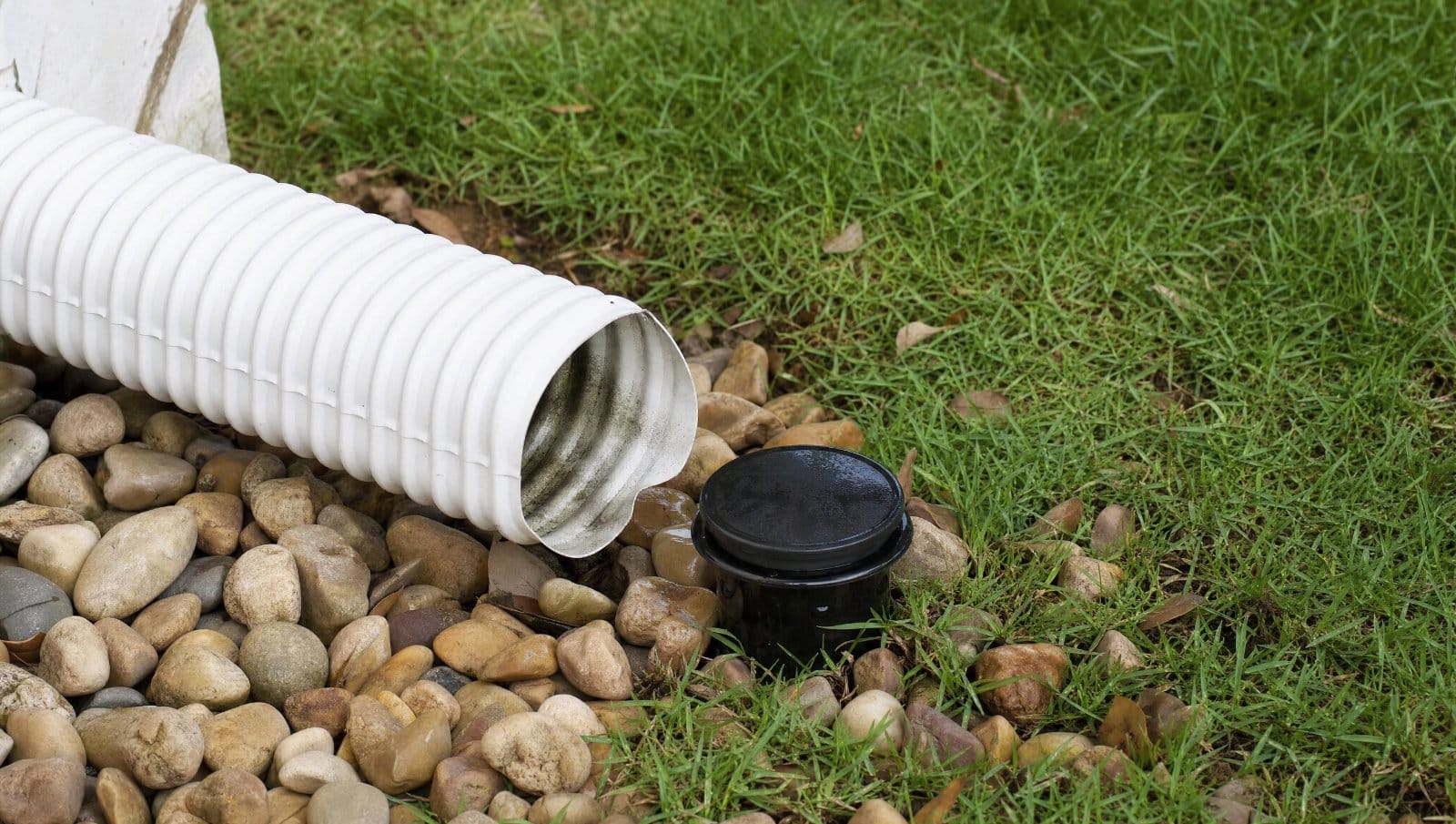
The simplest and often most effective method is to “daylight” the pipe. This just means letting the perforated pipe transition to a solid pipe that runs out onto a downward slope, allowing water to exit above ground. Gravity does all the work, carrying the water away from your property naturally. If your yard has a convenient hill or a gentle slope leading away from the house, this is an ideal choice.
The key is to ensure the exit point is far enough from any structures, including your neighbor’s property, to prevent simply moving the water problem elsewhere. The water should be able to flow freely and soak into the ground without causing erosion or pooling.
Option 2: Install a Pop-Up Emitter
What if you don’t have a convenient slope? A pop-up emitter is a fantastic alternative. This clever device is a cap that sits flush with your lawn at the end of the drain pipe. When water pressure builds up in the pipe, the cap “pops up” to release the water and then closes again once the flow stops.
This is a great option for flatter yards because it keeps the exit point discreet and out of the way of the mower. It also prevents debris, grass clippings, and critters from getting inside the pipe and causing clogs. Pop-up emitters allow for a controlled release of water, spreading it over the surface of your lawn.
Option 3: Create a Dry Well for Underground Dispersal
If you prefer to keep the entire drainage system out of sight, a dry well is an excellent solution. A dry well is essentially a large, underground pit that we dig and fill with gravel or crushed rock. Your French drain pipe empties directly into this well, allowing the collected water to disperse slowly and safely into the surrounding subsoil.
The size of the dry well is critical and depends on your soil type, the size of the area being drained, and our heavy Florida rainfall. Proper excavation and sizing are essential to make sure it can handle the water volume without overflowing. It’s a clean, invisible way to manage runoff on your property.
Option 4: Connect to a Storm Drain System
For properties that deal with a significant amount of water, connecting directly to a municipal storm drain can be the most effective option. This involves running your French drain pipe to the street and tying it into the city’s system. This ensures water is completely removed from your property, no matter how heavy the downpour.
However, this isn’t a simple DIY project. You must check with your local city department to see if this is even allowed and what permits are required. There are strict rules and regulations to follow, so it’s a job best left to professionals who understand local codes and can ensure the connection is made correctly and legally.
Common (and Costly) French Drain Exit Point Mistakes to Avoid
Installing a French drain is a smart move to protect your property, but a simple mistake at the exit point can undo all your hard work. Getting this final step right is crucial for the entire system to function properly. Let’s walk through some of the most common errors homeowners make so you can steer clear of them and ensure your drainage solution is effective for years to come.
Placing It in the Wrong Spot
Where the water ends up is just as important as where it comes from. A frequent mistake is terminating the drain in an area that can’t handle the runoff. Discharging water into a low-lying, already marshy part of your yard will only move your puddle from one spot to another. The exit point needs to be in a location that is dry and has soil capable of absorbing the water or a grade that allows it to flow away safely. You also want to avoid sending a stream of water toward your home’s foundation, your neighbor’s property, or a public sidewalk. A well-planned drainage solution always accounts for a safe and effective final destination for the water.
Ignoring Your Yard’s Natural Slope
French drains are a perfect example of working smarter, not harder, by using gravity. These systems are designed to let water flow naturally downhill from a higher point to a lower one. If you try to fight the natural grade of your property, you’ll end up with a pipe full of stagnant water. The trench must have a consistent, gradual slope to keep water moving. Even a slight miscalculation can cause water to pool or even flow back toward your foundation. That’s why professional excavation is so important; it ensures the correct slope is established from the very beginning, letting gravity do all the heavy lifting for you.
Forgetting About Future Maintenance Access
While French drains are wonderfully low-maintenance, they aren’t completely “set it and forget it.” Over time, sediment or roots can cause clogs. A critical mistake is placing the exit point in a spot that becomes inaccessible later on. Before you build a new patio or install a retaining wall, think about whether you’re blocking access to your drainage system. You’ll want to be able to inspect the exit point easily and clear away any debris that might build up. It’s also essential to check local building codes and any HOA rules before you start digging. A professional can help you plan a system that is both effective and easy to maintain for the long haul.
Underestimating Heavy Florida Rains
Here in Central Florida, we know that rain isn’t just a drizzle—it’s a downpour. A French drain system that would work perfectly in a drier climate can be quickly overwhelmed by one of our summer storms. A costly mistake is designing a system that’s too small to handle the sheer volume of water we get. The depth of the trench, the amount of gravel used, and the capacity of the exit point must all be scaled to manage heavy rainfall. An undersized dry well will fill up too fast, and a small pop-up emitter can create a geyser that causes erosion. Proper storm damage cleanup often involves fixing drainage issues that were exposed by a major weather event.
How to Choose the Right Exit Point for Your Yard
Picking the right spot for your French drain to release water is just as important as building the drain itself. A well-placed exit point ensures water is moved safely away from your home’s foundation and off your property for good. A poorly chosen one can create a new soggy patch or, even worse, send water right back where it came from. To make the right call, you need to look at your yard’s unique characteristics, from the soil under your feet to the structures around you.
Analyze Your Terrain and Soil Type
First, take a good look at your property’s layout. The ideal exit point is in a dry area that can easily absorb the water runoff, typically at the lowest point of your yard where gravity can do the heavy lifting. You want to find a spot where water naturally collects but has a clear path to move away from your home.
The type of soil you have plays a huge role. Central Florida’s sandy soil drains much faster than heavy clay, which tends to hold water. This will influence whether a simple daylighted pipe is enough or if you need a more robust solution like a dry well. Understanding your soil is a key part of designing effective drainage solutions that last.
Consider Your Local Climate
Our Central Florida climate brings intense, sudden downpours, especially during hurricane season. Your French drain’s exit point needs to be able to handle that volume of water without getting overwhelmed. A system designed for a drier climate simply won’t cut it here. This might mean using a larger pipe, a deeper trench with more gravel, or a bigger dry well to manage the sheer amount of water from a tropical storm. Planning for these heavy rain events is essential to protect your property from flooding and water damage.
Map Out Utilities and Nearby Structures
Before you even think about digging, you need a clear map of what’s underground. Hitting a utility line is dangerous and can lead to costly repairs. Always call 811 a few days before any project to have public utility lines marked on your property. It’s also smart to check your local building codes and any HOA rules that might dictate where you can discharge water. The exit point must be a safe distance from your home’s foundation, your neighbor’s property, and any other structures to prevent causing water damage. Proper excavation starts with knowing exactly where it’s safe to dig.
How to Maintain Your French Drain Exit Point
A French drain is a fantastic solution for managing excess water, but it’s not a “set it and forget it” feature. To keep it working effectively for years, a little bit of regular attention is all it takes. Think of it like changing the oil in your car—a simple, preventative task that saves you from major, costly repairs later. Especially here in Central Florida, where heavy downpours and fast-growing vegetation can quickly lead to blockages, staying on top of maintenance is key. A clogged exit point can cause water to back up through the entire system, leading to the very soggy yard and potential foundation issues you installed the drain to prevent. The good news is that keeping the exit point clear is straightforward. By creating a simple inspection routine, clearing debris seasonally, and knowing what to look for, you can ensure your yard stays dry and your foundation stays protected. If you ever feel like your system isn’t performing as it should, our team of landscape drainage contractors is always here to help diagnose and solve the issue.
Create a Simple Inspection Routine
Your first line of defense against drainage problems is a simple, regular check-up. You don’t need any special tools—just your eyes. Make it a habit to walk over to your French drain’s exit point once a month and always after a heavy rainstorm. Look for any obvious obstructions like leaves, grass clippings, or built-up sediment. Check if the grate or cover is still in place and undamaged. You should also take a look at the surrounding area. Is the ground soggy? Is water pooling instead of flowing away? A quick routine inspection takes only a few minutes but can help you spot a small issue before it turns into a major backup.
Clear Debris Seasonally to Prevent Clogs
At least once or twice a year, you’ll want to do a more thorough cleaning of the exit point. In Florida, this is especially important in the late fall to clear away fallen leaves and in the spring to prepare for the summer rainy season. Put on a pair of gloves and pull away any leaves, twigs, mulch, or other debris that has collected around the opening. If you have a pop-up emitter, lift the cap and clear out any sediment or gunk that has settled inside. The goal is to ensure water has a completely unobstructed path to exit the pipe. This simple act of seasonal cleaning is one of the most effective ways to keep your French drain flowing freely.
Know the Warning Signs of a Problem
Sometimes, despite your best efforts, problems can still arise. Knowing the warning signs of a clog or system failure can help you act quickly. Be on the lookout for standing water in your yard, especially in areas that used to drain well. If the ground near the drain line or exit point feels unusually spongy long after a storm has passed, that’s a red flag. Other signs include water seeping into your home’s foundation or basement, or a noticeable slowdown in how quickly your yard drains. These symptoms often point to a deeper blockage that requires professional attention. If you notice any of these issues, it’s time to call in experts to assess your drainage solutions.
Get Your French Drain Right the First Time
A French drain can be a game-changer for a soggy yard, but only if it’s done correctly from the start. A poorly planned system can create even bigger water problems, leading to foundation damage, soil erosion, or a swampy mess right where you wanted a dry space. Getting it right the first time saves you from costly repairs and headaches down the road. It all comes down to a smart plan and professional execution, ensuring your investment truly protects your property.
Start with an Expert Site Assessment
Before any digging begins, a thorough site assessment is non-negotiable. This is where a professional eye makes all the difference. An expert will analyze your property’s unique layout, identifying the true source of your water issues and the most effective path for the drain. They’ll evaluate the slope, soil composition, and surrounding landscape to pinpoint the perfect exit point—a spot where water can be safely discharged without harming your home or your neighbor’s yard. This initial planning phase is the foundation for a successful drainage solution that solves your water problems for good.
Ensure Proper Installation and Long-Term Support
Once you have a solid plan, the installation has to be just as precise. The best way to terminate a French drain is to let it daylight onto a downward slope, allowing gravity to carry the water away naturally. If your yard is flat, a dry well can be an effective alternative, dispersing the water underground. A professional team handles all the critical details, from checking local building codes and HOA rules to using the right materials and digging the trench to the correct depth. Proper landscape installation ensures your system functions efficiently for years, protecting your property and giving you peace of mind every time it rains.
Related Articles
- French Drain Installation in 5 Easy Steps
- The Real $100 ft French Drain Cost Explained
- Landscape Drainage Contractors Lake Mary, FL | 10% Veteran Discount!
- Trusted Landscape Drainage Contractors in Lake Mary, FL
Frequently Asked Questions
What if my yard is totally flat and I don’t have a slope to drain to? This is a very common situation, especially here in Florida. If your property lacks a natural downward slope, you have a couple of great options. A pop-up emitter can be installed at the end of the line; it sits flush with your grass and opens up under water pressure to release water evenly across the lawn. Another excellent choice is a dry well, which is an underground pit filled with gravel that collects the water and allows it to disperse slowly into the soil, keeping the entire system out of sight.
Will the exit point create a new swampy area in my yard? It absolutely shouldn’t, and preventing that is the entire goal of a well-designed system. A properly chosen exit point directs water to a location that can handle it. This might be a sunny, grassy area where the water can be absorbed and evaporate, or a controlled system like a dry well that disperses it underground. The key is a professional site assessment to ensure the water is released in a way that solves the problem, rather than just moving it.
Can I just run the drainpipe out to the street curb? While it might seem like a simple solution, directing water to the street often involves connecting to the municipal storm drain system. This is a project that requires permission and permits from your local city or county. There are strict regulations about how these connections are made to prevent backflow and other issues. It’s a task that should always be handled by professionals who are familiar with local codes.
How can I tell if my existing drain’s exit point is blocked? The most obvious sign is that your yard isn’t draining as well as it used to. You might notice standing water or spongy ground near the drain line long after a storm has passed. Take a look at the exit point itself. If you see a buildup of leaves, mud, or other debris right at the opening, you’ve likely found the culprit. A slow drain is a clear signal that it’s time for a clean-out.
Is a dry well a good choice for dealing with heavy Florida rain? A dry well can be a fantastic solution for our climate, but it has to be sized correctly. Underestimating the sheer volume of water from a summer downpour is a common mistake. A professional will calculate the size of the dry well based on your soil type and the amount of runoff your property gets. When planned properly, it’s a highly effective way to manage heavy rainfall by collecting the water and giving it time to soak safely into the ground.