

Winter Pruning in Lake Mary: What to Do and What to Leave Alone
Winter Pruning in Lake Mary: What to Do and What to Leave Alone
Winter pruning gets people in trouble in Central Florida faster than any other seasonal task. Up north, January and February are textbook months for hard pruning — trees are dormant, sap is down, disease pressure is low, and you can take big structural cuts safely. Lake Mary is not up north. Our winters are mild, the growing season barely pauses, and timing rules from a Pennsylvania gardening book will cost you a tree if you follow them literally here.
I am Mark DeAngelo, owner of Deangelos Land Services and an ISA Certified Arborist. Family-owned crew based in Lake Mary since 2018, working Seminole, Orange, and Volusia counties. Here is a clear breakdown of what you can prune in January and February in Central Florida, what to leave alone, and how to tell winter dieback from a truly dead branch.
What you CAN prune in January and February
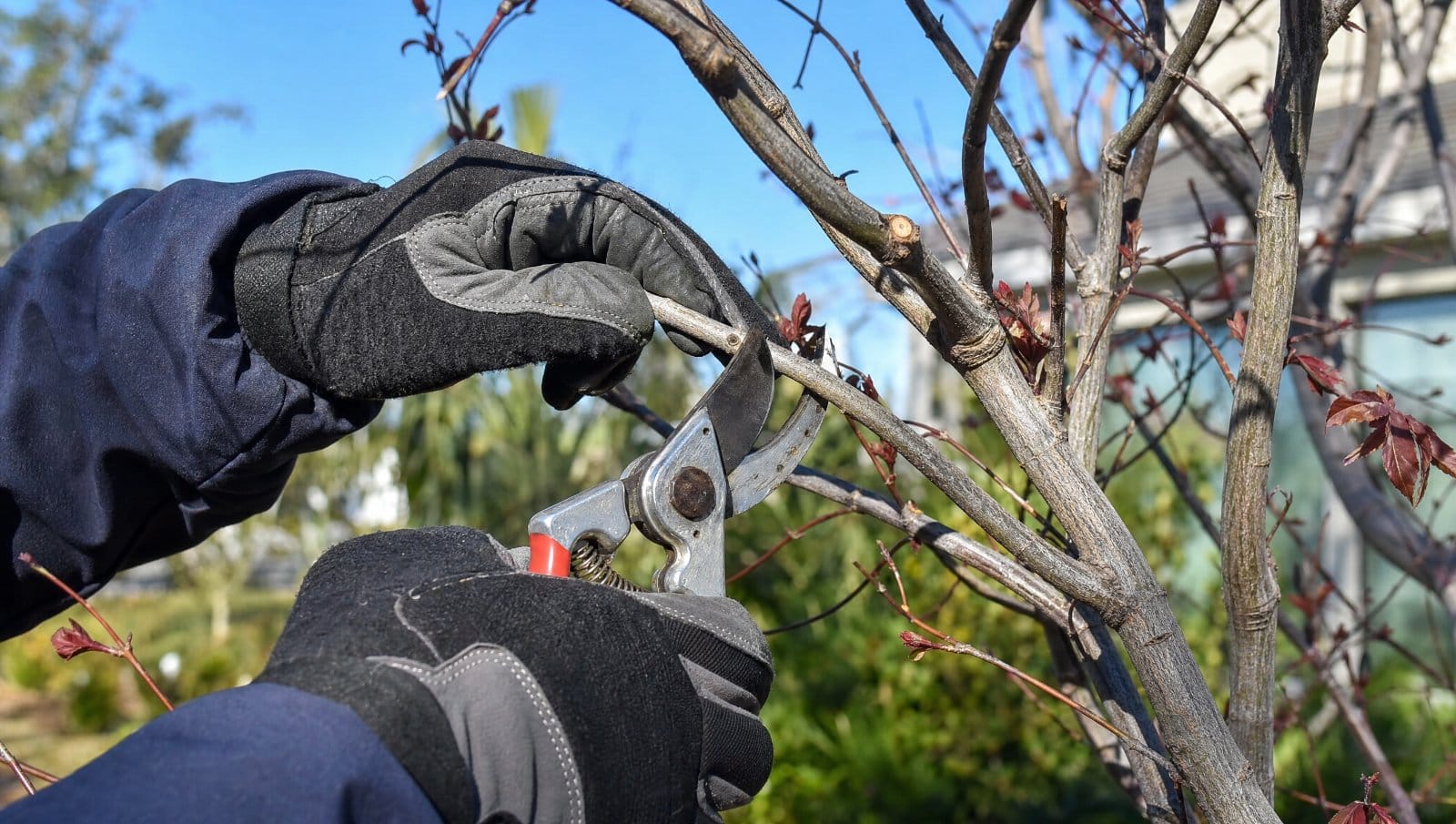
Deciduous trees. Crepe myrtles, bald cypress, sweetgum, maples, redbuds, and other true deciduous species are fully dormant in January. This is the ideal window for structural cuts and reducing end-weight — work our hedge trimming services crew handles alongside larger tree care during the slow season. On crepe myrtles: prune for shape, not the dreaded “crepe murder” topping that leaves stubby knuckles. Less is more.
Truly dormant shrubs. Roses (climbing and bush types, not tropicals), butterfly bush, Mexican petunia after a hard frost, beautyberry, and any deciduous shrub that has dropped its leaves can take a hard prune now.
Freeze-damaged growth. Central Florida usually gets at least one solid freeze in January or February. Brown, mushy, blackened tips on tropicals can be trimmed back once you are sure no more freezes are coming. The patient move is to wait until late February — cutting freeze damage too early exposes living wood to the next cold front.
Dormant roses. Mid-January is the textbook time for the annual hard prune on hybrid teas and grandifloras. Cut back by about one-third to one-half, remove crossing canes, clean out the center.
What to LEAVE ALONE in winter
Live oaks. The big one. Live oaks in Florida are essentially evergreen and vulnerable to oak wilt — a fungal disease spread by sap-feeding beetles most active during the warm swings common in our winters. Safest window for major live oak work is the coldest stretch (late December into mid-January) on days that stay below 60 — or wait until summer dormancy. If you are not confident, call an arborist. Improper live oak pruning is how mature trees die slowly over three years.
Citrus. Do not prune citrus in Lake Mary until after frost danger has passed and growth has resumed — typically late February or March. Pruning in January exposes fresh cuts to cold and invites greening and canker entry. Light deadwood removal is fine; structural cuts wait.
Palms. The most violated rule in Florida landscaping. Do not “hurricane cut” your palms. Do not remove green fronds. Only brown, fully dead fronds should come off, and the right window for that is summer. Over-pruned palms cut to the “9-and-3” position are nutrient-starved and far more likely to fail in the next storm.
Spring bloomers on old wood. Azaleas, gardenias, loropetalum, and similar shrubs have already set their flower buds. Prune them in January and you are pruning off this year’s blooms.
How Lake Mary’s mild winters change the timing
In Zone 9b, “dormancy” is a soft concept. Some years the lawn never really stops growing. Some years a single 28-degree night in late January takes out half the bougainvillea in the county. The practical rule we use: pay attention to actual weather, not the calendar. Real cold snap and quiet canopy means a pruning window. Trees still pushing growth at 78 degrees in mid-January means slow down.
Common mistakes I see every January
- Topping live oaks (“hat-racking”). Catastrophic. Illegal in many Florida municipalities and it ruins the tree.
- Over-pruning palms. See above. Anyone offering to “cut your palms back for hurricane season” does not know what they are doing.
- Removing more than 25% of any tree’s canopy in a single year. Basic ANSI A300 standard — exceed it and you stress the tree, invite disease, and trigger weakly-attached water sprouts.
- Pruning during a warm winter spell. Sap-feeding insects are active during 70-degree January days. Wait for genuine cold.
- Sealing cuts with tar or wound paint. Old advice. Modern arboriculture says let cuts callous on their own.
Dieback vs. dead branch — how to tell
Scrape the bark with a thumbnail. Living wood is green or pale underneath; dead wood is brown and dry through. Bend a small twig — living wood flexes; dead wood snaps cleanly. Check multiple points along the branch. A branch dead at the tip but alive at the base only needs to be reduced back to live wood, not removed entirely. This is exactly the judgment call where having an ISA Certified Arborist walk the property is worth more than three blog posts.
Winter is the BEST time to plan spring projects
Here is the part most homeowners miss. January and February are the slow months for landscape work in Lake Mary, which makes it the easiest time to book a consult and lock in your spring slot before the rush. Every year we hear from people in late March who want a landscape contractor for a full bed redesign or new hardscaping — and every year we are booked into May by that point. Plan in winter, execute in spring.
Ready to talk?
If you have trees you are not sure about, beds you want redesigned, or a winter pruning list you would rather hand off — we are right here in Lake Mary and taking January and February consults now. Family-owned since 2018, licensed and insured, ISA Certified Arborist on staff, 10% Veteran Discount on every service. Call Mark and the team at (386) 675-2303 or browse our tree care services. The winter call sets up your whole year.